Fitness, Nutrition, Health and Sports Blog In the HSNstore Blog you will find tips about Fitness, sport in general, nutrition, and health – HSNstore.com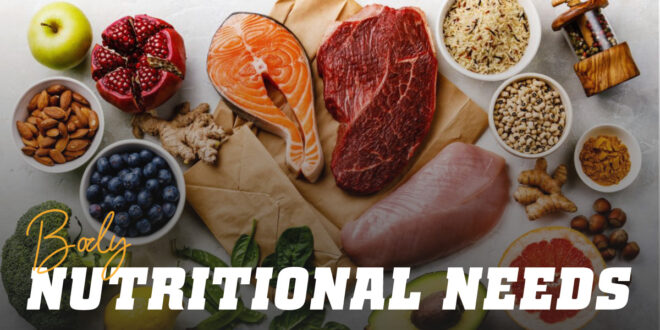

Do you know what your body needs? Do you know what you eat? We explain the main nutritional needs of the body.
Objective of the Food
When we ingest food, that is, when we eat, we are not only satisfying our appetite and enjoying it, but we are also providing our body with the nutrients it needs for life.
Nutrients are substances that the human body requires to carry out various functions and that it can only acquire through food.

Thus, the objectives of food are:
- Meeting our energy needs.
- The maintenance and growth of our body structures.
- The regulation of vital processes for the proper functioning of the organism.
Energy Needs of the Organism
In order for the processes in the human body to take place, an exchange of energy is necessary.
Our energy will come from the carbohydrates, fats and proteins in the food we eat.
We tell you how to calculate the calories you need in this post.
Proteins
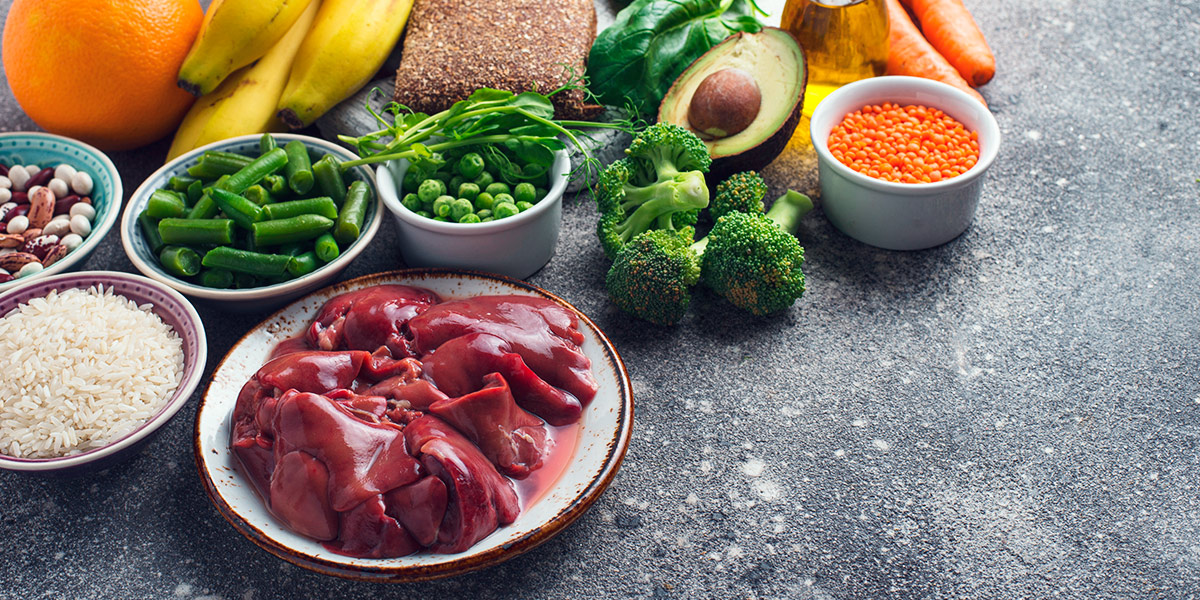
They are the main structural elements of the body’s cells and tissues, that is, they are responsible for the construction of the human body and are the basis on which bones and muscles are formed.
Proteins are necessary for the growth and development of the body:
- They maintain and repair tissues.
- They are involved in the production of metabolic and digestive enzymes.
- They are essential constituents of certain hormones.
- Proteins are involved in defence mechanisms as they are part of the structure of the immune system’s antibodies.
- They are also involved in the coagulation process.
Proteins are made up of amino acids, and are found mainly in milk and dairy products, eggs, meat and fish. Legumes, cereals and nuts also contain proteins, although of lower biological value.
Recommendation: according to the WHO (World Health Organisation), 12-15% of the total calories in the diet should come from protein. However, it is possible that this value may be higher.
Fats
Fats or lipids provide the body with energy and are essential for the proper functioning of the body:
- They are part of the structure of cell membranes.
- They transport vitamins A, D, E and K (fat-soluble) to our cells.
- They store a large amount of energy.
However, depending on the type and amount of fat we consume, lipids can be our allies or one of the main enemies to our health.
Fats are divided into:
- Saturated fatty acids. They come mainly from animal fats (butter, cheese, fatty meat, egg yolk) and from some vegetable oils such as coconut and palm oil, which in Spain is consumed in industrial bakery products. Excessive consumption of saturated fats raises cholesterol and triglycerides and is a cardiovascular risk factor.
- Unsaturated fatty acids. They are divided into:
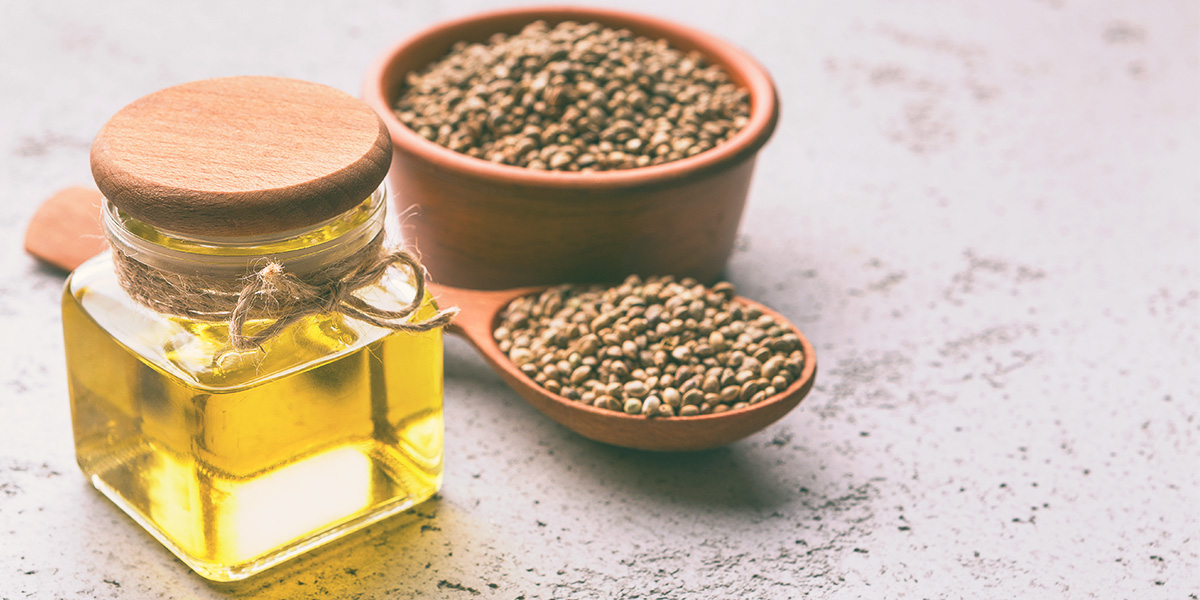
- Monounsaturated, found mainly in olive oil, nuts and seeds.
- Polyunsaturated, among which omega-3s stand out, are essential fatty acids because they cannot be synthesised by our organism and must therefore be provided through the diet. They are found mainly in oily fish, some vegetables and enriched foods.
Unsaturated fats help reduce LDL (“bad”) cholesterol levels and increase HDL (“good”) cholesterol.
They are “cardio-healthy” fats and are linked to preventive and therapeutic effects in other diseases such as cancer, inflammatory and skin diseases.
Its consumption is especially important for pregnant women, children and the elderly.
Final nutritional goals | |
Total fat (%energy) | 30-35% |
Saturated fatty acids | 7-8% |
Monounsaturated fatty acids | 15-20% |
Polyunsaturated fatty acids | 5% |
Cholesterol | less than 300mg/day |
Carbohydrates
Carbohydrates are the main dietary energy source in the world, especially in developing countries. They are valued for their energy potential, sweetening power and high fibre content.
The carbohydrates in the diet should come from different food sources, with priority given to complex carbohydrates.
Recommendation: Carbohydrates should, according to the WHO, provide 50-55% of the energy in the diet.

Vitamins
Vitamins are micronutrients which, although necessary in small amounts, must be provided by the diet.
They are not only important because their deficiency causes disease, but also because they contribute to the prevention of highly prevalent chronic diseases, such as cardiovascular diseases, cancer and even ageing processes.
Fat-soluble vitamins | Physiological function | Main food sources |
Vitamin A | Important role in the mechanisms of vision. Involved in steroid metabolism. Involved in cholesterol metabolism. Maintenance of the immune system. Embryo development. | Dairy products, liver, eggs, tuna, sardines. |
Vitamin D | It helps to absorb calcium. It is involved in bone mineralisation. | Fatty fish, liver oil, fish, eggs, dairy products in small quantities. |
Vitamin E | Antioxidant action. | Vegetable oils, nuts, vegetables, cereals. |
Vitamin K | Involved in the coagulation mechanism. Regulation of mineralisation. | Vegetables (spinach, broccoli and cabbage), soya and olive vegetable oils. |
Water-soluble vitamins | Physiological function | Main food sources |
Vitamin C | Indispensable for maintaining the structure of the intercellular substance of connective tissue. It prevents the formation of nitrosamines, a component that is harmful to health. | Fruits (strawberries, currants, lemons and oranges), vegetables (peppers, cabbage, parsley, turnip, radish and broccoli), liver and kidney, milk, meats. |
Thiamine | Carbohydrate metabolism. Important role in neurotransmitter processes. | Cereals, peas and beans, green vegetables, fruits, dairy products (except butter). |
Riboflavin | It provides the necessary energy supply for biological processes. | Liver, milk and cheese, eggs, green vegetables, whole grains. |
Vitamin B6 | Amino acid metabolism | Red meat, dairy products, cereals and bread, nuts, legumes, fruit. |
Folic acid | Involved in the transmission of genetic information. Amino acid metabolism. It prevents megaloblastic anaemia. It prevents malformations in the neural tube of the foetus. | Liver, dark green vegetables, fruit, cereals and bread, peanuts and hazelnuts, beer. |
Vitamin B12 | Indispensable for numerous enzymatic reactions. It converts homocysteine to methionine. | Meat, fish, eggs and dairy products, in smaller quantities. |

Minerals
Minerals have important regulatory functions in the body.
Minerals | Physiological function | Main food sources |
Iron | Oxygen transport from the lungs to the tissues. Muscle storage of oxygen. Release to meet increased metabolic needs. | Meat, fish, dairy and vegetables, to a lesser extent. |
Zinc | Regulation of gene expression. Necessary for the functioning of more than 120 enzymes involved in carbohydrate, lipid and protein metabolism. | Red meat, seafood |
Calcium | Fundamental role in the bone system. Activation of the enzyme system. Involved in blood coagulation phenomena. Membrane transport. | Milk and dairy products, cereals, fruits, green leafy vegetables. |
| Phosphorus | Metabolic energy replenishment. Regulator of many enzymes. | Fish, cereals, nuts. |
| Magnesium | It is essential in all processes of biosynthesis and neuromuscular activity. Essential in the transmission of the genetic code. | Nuts, whole grains, green vegetables, legumes, chocolate. |
Fibre
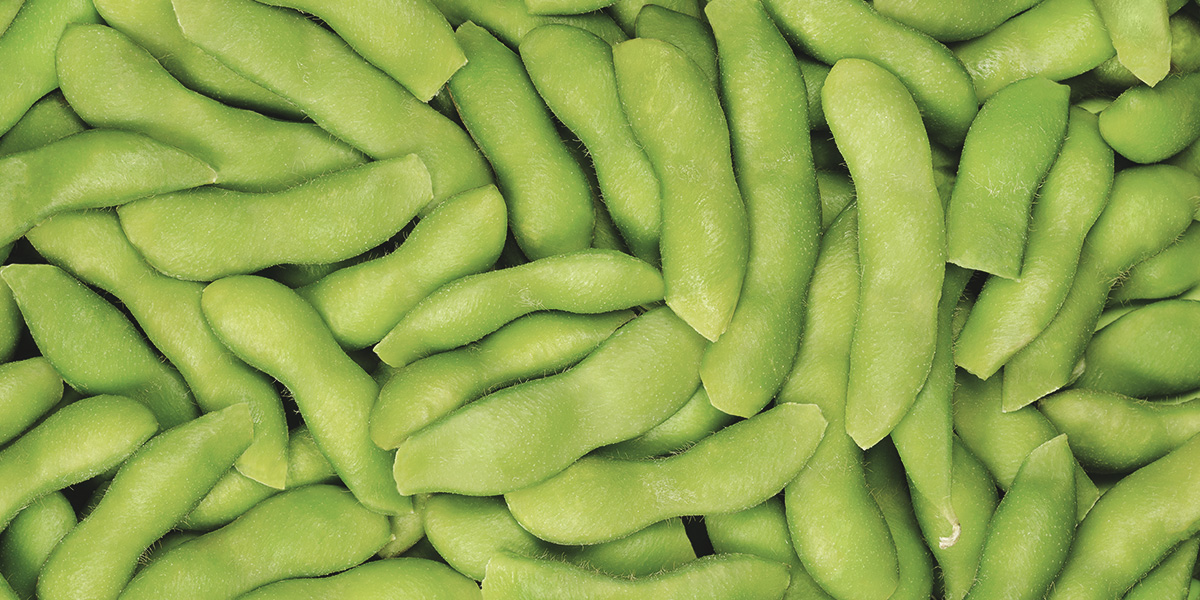
Fibre is a group of substances of plant origin, mostly carbohydrates, which do not dissolve in the digestion process.
There are two main types:
- Insoluble fibre, which captures little water forming low viscosity mixtures, and is very useful to avoid constipation. It is mainly found in cereals.
- Soluble fibre, capable of trapping water to form gels with a viscous consistency. Soluble fibre slows gastric emptying and reduces the absorption of fats and glucose. It is found in fruits and vegetables, and bran, barley and legumes.
Recommendation: It is recommended to consume between 25 and 30g of fibre daily as it has a proven protective role against hypercholesterolaemia, diabetes, obesity, colon diseases and even some types of cancer. In children, an intake of 0.5g per kg of body weight is recommended.
Nutritional Needs Summary
Thus, all nutrients have essential functions in the body, many of which have a direct impact on our health.
| Some nutrients or food components with functional properties | ||
| Properties | Pathologies involved | |
| Fibre | Regulation of bacterial balance Improved intestinal transit Dilution of carcinogenic agents Increased excretion of bile salts Reduction of plasma cholesterol Regulation of blood glucose levels. | Fruits (strawberries, currants, lemons and oranges), vegetables (pepper, cabbage, parsley, turnip, radish and broccoli), liver and kidney, milk, meats. |
| Antioxidants Vitamins A, E, C Beta-carotenes Flavonoids | Free radical removal (protection from cellular oxidative damage) Inhibition of lipid peroxidation. | Cardiovascular disease Cancer |
| Lactic bacteria | Improved lactose digestibility. Increased calcium absorption. Stimulation of the immune system. | Lactose intolerance. Constipation/diarrhoea, gastroenteritis. Cancer. |
| Polyunsaturated fatty acids w-3 | Decreased levels of triglycerides and LDL cholesterol. Reduction of platelet aggregation. Stimulation of the immune system. | Cardiovascular disease |
| Micronutrients Se, Fe, Cu, Zn, Mn Calcium Iron Folic acid | Acting as cofactors for enzymes. Stimulation of the immune system. | Cardiovascular disease. Cancer. Osteoporosis. Anaemia. |
| Amino acids Tryptophan Tyramine Glutamine Arginine Cysteine | Hypnotic and sedative effect. Improved memory. Recovery from mental fatigue. Stimulation of the immune system. Slowing down of ageing. | Sleep regulation. Stress. |
| Caffeine | Stimulation of the central nervous system | |
Related Entries
- Are all types of diets Healthy? We tell you about it in this link.
- Avoid these foods that ruin your diet… read more.
- Guidelines for designing a Healthy Diet. Find them here.