Fitness, Nutrition, Health and Sports Blog In the HSNstore Blog you will find tips about Fitness, sport in general, nutrition, and health – HSNstore.com

When the workday is on the night shift, desynchronosis happens, messing with the circadian rhythms.
Sleep becomes insufficient and eating patterns get changed.
This affects health, as the body shows signs of rejection resisting the change, causing digestive and nervous disorders, along with other consequences stemming from these.
Circadian rhythms, or biological rhythms, are present in all physiological functions.

They show up in changes in breathing rate, gastrointestinal activity, heart activity, body temperature, endocrine secretion, etc.
So a person working night shifts experiences functional disruptions that make them more prone to developing conditions like obesity, type 2 diabetes, cardiovascular diseases, gastritis, and more.
Planning the diet for night shift workers is key, setting a nutritional balance with meal times that allow for three main meals and two snacks, low in fats and sugars.
Eating healthy foods makes working the night shift less of a hassle. The main goal is to give the body energy to stay active, avoid fatigue, and help get restful sleep after work.
Here’s a healthy menu suggestion, assuming the shift starts at 23:00, but remember to adjust it to your own needs.
| Dinner (19:30 h) |
|
| Snack 1 (22:30 h) |
|
| Snack 2 (01:30 h) |
|
| Breakfast (06:30 h) |
|
| Rest period (8 hours of sleep) | |
| Lunch (14:30 h) |
|
What to eat if you work at night?
Ideally, include portions with the necessary nutrients throughout the day. Here are some suggestions for eating healthy at different times.
Before work
Before starting work, it’s recommended to eat a portion that provides enough energy. The main meal here would be dinner, which could be one of the following options:
- 120 g of steamed fish + 2 baked potatoes with skin + 1 cup of sautéed veggies + 1 apple.
- 120 g of cooked or grilled chicken, seasoned with onion and paprika + 1 cup of brown rice or pasta + fresh salad with arugula, cucumbers, and olives + 1 mandarin.
During work
Snacks to include during breaks can be:
- 1 cup of coffee with skim milk or plant-based milk + 3 whole wheat toasts.
- 1 cup of fruit salad with flax seeds.
Before sleeping
A light and nutritious snack is recommended to help the body rest better. Some ideas are:
- 30 g of nuts + 2 slices of low-fat cheese or fresh cheese.
- 2 scrambled eggs + 2 whole wheat toasts.
What vitamins to take if I work at night? Essential supplements
While we can get essential vitamins from food to stay healthy, sometimes it’s necessary to take essential supplements to meet the required dose.
Working at night puts a lot of stress on the body due to changes in biological cycles, causing fatigue, lowering energy capacity, and affecting oxidative and hormonal functions, among others. Here we explain which vitamins to take if you work at night and why melatonin is important.
Vitamin B (B12)
Vitamin B, especially B12, gives energy to the body, supports the nervous system, immune system, and helps reduce fatigue.

EssentialSeries Liquid Vitamin B12
Vitamin D3
One of the top recommendations from experts is to take vitamin D3 supplements.
Vitamin D plays a key role in calcium absorption to build strong bones and prevent osteoporosis, as well as in muscle strengthening.

EssentialSeries Vitamin D3 4000UI
Vitamin C and E
Vitamin C plays an important role in protecting cells from oxidative damage. Also, vitamin C helps regenerate the reduced form of vitamin E.
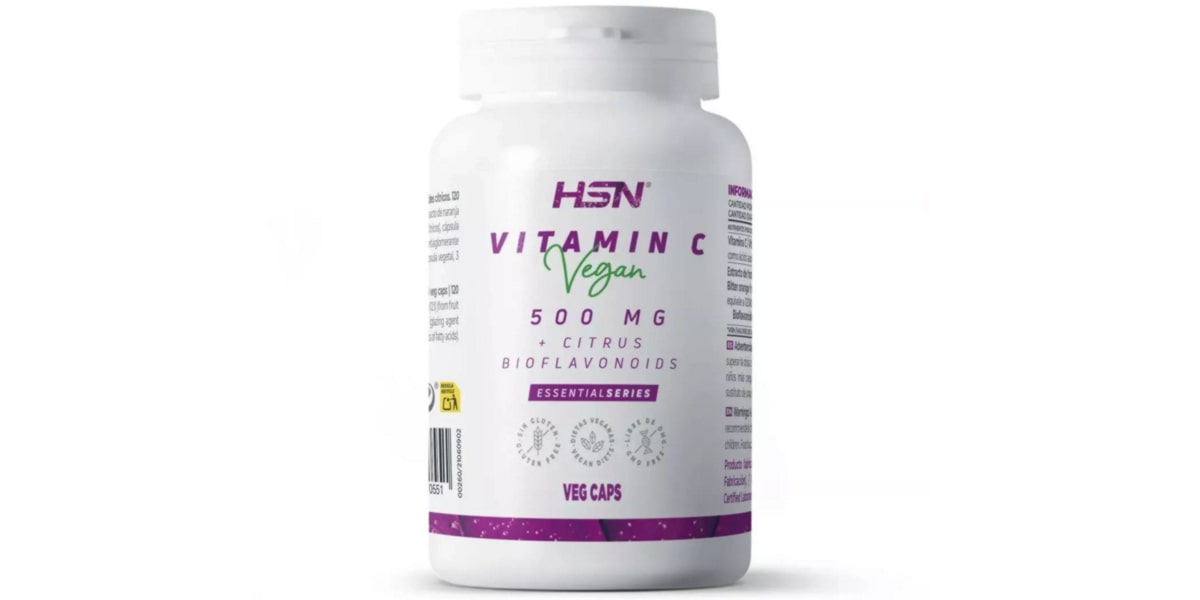
Chronic oxidative stress can increase the risk of cardiovascular diseases.
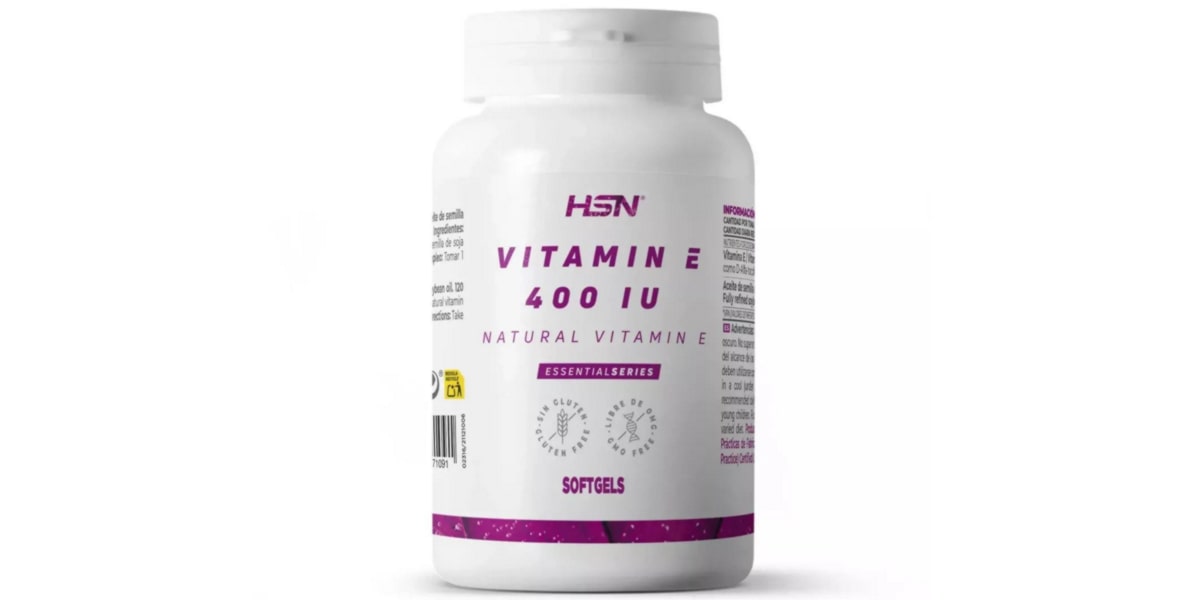
EssentialSeries Vitamin E 400UI
Melatonin
Melatonin is the hormone that regulates the sleep-wake cycle.
The body naturally produces more of this hormone to induce sleep in response to darkness. During the night shift, the sleep-wake cycle can get interrupted, leading to fatigue and insomnia while working.

EssentialSeries Time Release Melatonin
Tips for balanced eating during night shifts
Here are some handy tips for preparing meals to eat right when working the night shift:
- Structure the daily menu with three main meals and two snacks, keeping a consistent eating schedule.
- Cook at home to ensure food quality and bring meals to work, avoiding skipping any meal.
- Portions throughout the day should include all macronutrient and micronutrient groups.
- Avoid overly fatty dishes.
- Limit sugar intake.
- Drink at least eight glasses of water daily to stay well hydrated.
Related Posts
- How to Plan a Healthy Diet?
- 12 Benefits of Doing Sports for Health.
- Shift Work and Sports Performance.