Fitness, Nutrition, Health and Sports Blog In the HSNstore Blog you will find tips about Fitness, sport in general, nutrition, and health – HSNstore.com

Did you know your digestive system is often called the “second brain”? There’s a fascinating two-way connection between the gut and the mind that shapes much of our emotional well-being. In fact, it’s estimated that 90% of the serotonin in our body is produced in the enterochromaffin cells of the gut, not in the brain.
Although food should never replace specialized medical or psychological treatment, what you put on your plate is the “raw material” your nervous system uses to create well-being.
In this article, we’ll explore how to optimize your diet to support a balanced mood.
What is serotonin and why does it affect your happiness?
Serotonin is a neurotransmitter, meaning a molecule neurons use to communicate with each other. It’s popularly known as the “happiness hormone,” but its role goes way beyond that.
It’s involved in key functions like:
? Mood regulation
? Sleep control and circadian rhythms
?️ Appetite regulation
⚡ Feeling of well-being and emotional balance
Tryptophan as a precursor: The real star
It’s a common mistake to think eating foods with serotonin directly raises brain levels. The biological reality is different: serotonin in food can’t cross the blood-brain barrier (the brain’s natural protection).
To boost central serotonin, we need to consume L-Tryptophan. This essential amino acid can’t be made by the body but can cross into the brain to turn into serotonin there.
So, the right nutrition strategy isn’t “eat serotonin,” but:
✔️ Eat foods rich in tryptophan.
✔️ Support its absorption and conversion.
Top foods to naturally boost serotonin
To give your body enough “fuel” to create well-being, it’s key to include high-quality biological sources daily. Here are the most effective foods:
Eggs and dairy
Eggs are one of the most complete sources of tryptophan, especially the yolk, which also provides healthy fats and key micronutrients. Dairy like cheese or natural yogurt also stands out for its tryptophan content, plus they’re practical and versatile.
- High bioavailability.
- Easy to include in any meal.
Oily fish
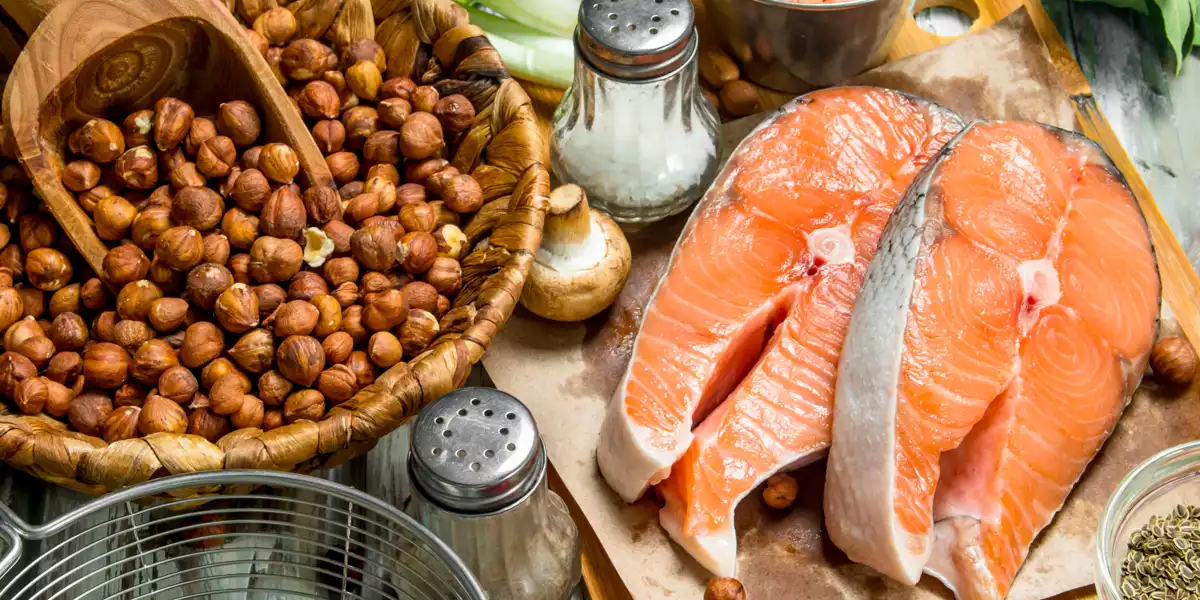
Salmon, mackerel, and sardines not only provide tryptophan but also omega-3s, essential fats that support brain health. This combo is especially powerful because:
- Improves neuronal function.
- Reduces inflammation.
- Supports emotional balance.
Nuts and seeds
Walnuts are the queens here, offering not just tryptophan but also powerful antioxidants. Pumpkin seeds and sunflower seeds are also great picks, standing out for their magnesium content, a mineral that helps fight stress.
Fruits: Banana and pineapple
Banana is the go-to brain snack thanks to its tryptophan, potassium, and vitamin B6. Pineapple contains compounds that stimulate serotonin production and enzymes that improve protein digestion.
They’re quick, easy to digest, and perfect for any time of day.
Dark chocolate
Pure cocoa is a natural mood booster. Dark chocolate (at least 85% cocoa) is way more than a treat:
- Rich in bioactive compounds.
- Can improve mood.
- Provides small amounts of tryptophan.
That said, quality and moderation are key.
Related posts
- What is tryptophan and its health benefits
- Foods to better fight anxiety
- Benefits of 5-htp for depression
- 11 healthy habits to care for your brain
- Vitamins to improve memory