Fitness, Nutrition, Health and Sports Blog In the HSNstore Blog you will find tips about Fitness, sport in general, nutrition, and health – HSNstore.com

Stress is a natural response of the body to situations that we perceive as threatening or challenging. Although it can be helpful in small doses, helping us react quickly in dangerous situations, chronic stress can have significant negative effects on the body and mind.
- Physical: Headaches, fatigue, sleep disorders, digestive problems.
- Emotional: Irritability, anxiety, sadness, loss of interest in activities.
- Cognitive: Difficulty concentrating, frequent forgetfulness, negative thoughts.
- Behavioural: Changes in appetite, social isolation, increased alcohol or tobacco consumption.
Maintaining emotional well-being during stressful times is crucial to prevent long-term negative effects. Here are some strategies to help manage stress:
- Regular Exercise: Helps release endorphins, improving mood and reducing tension.
- Relaxation Techniques: Practise yoga, meditation, or deep breathing exercises.
- Healthy Habits: Maintain a balanced diet, get enough sleep, and avoid excessive alcohol and caffeine intake.
- Social Support: Talk with friends and family, seek support from groups or therapists.
- Time Management: Prioritise tasks, set boundaries, and take regular breaks.
What is causing your stress?
Understanding the source of stress is essential for effectively applying appropriate stress management techniques. Identifying the underlying causes of stress allows you to address the problem at its root and avoid temporary or ineffective solutions. Stress can have multiple origins, including situational factors, illnesses, eating habits…
How do we know if we are stressed?
- Daily Self-Evaluation: Keeping a stress diary can help identify patterns and specific triggers. Writing down when you feel stressed, what happened before, how you felt, and how you reacted can reveal recurring causes.
- Medical Evaluation: Consulting a doctor to rule out underlying medical conditions that may be contributing to stress. Conditions such as hypothyroidism, diabetes, and heart disorders can manifest with stress symptoms.
- Dietary Review: Evaluating your diet to determine whether certain foods are contributing to stress. For example, excessive caffeine and sugar consumption can increase anxiety levels.
- Lifestyle Analysis: Reflecting on aspects like work-life balance, the quality of interpersonal relationships, and the time dedicated to self-care.
There are questionnaires and stress scales, such as the Perceived Stress Scale (PSS), that can help measure your stress level and provide insight into your main triggers.
Moreover, practising mindfulness and meditation can help you become more aware of your thoughts and emotions, facilitating the identification of stress triggers.
And, of course, talking to a therapist or counsellor can provide an external, professional perspective on your sources of stress. They can help you identify patterns and develop effective strategies to manage it.

Recommendations to manage stress
| Relaxation Techniques: |
|
| Physical Exercise: |
|
| Healthy Habits: |
|
| Support Networks: |
|
| Effective Communication: |
|
| Hobbies and Leisure: |
|
| Creativity: |
|
| Positive Thinking: |
|
| Mobile Applications: |
|
Impact of Stress on Emotional Health
Stress can have a significant impact on emotional health, contributing to a variety of psychological and emotional problems:
Anxiety and Depression
Chronic stress can increase anxiety levels. This study evaluated anxiety and perceived stress in university students during the pandemic, finding a strong correlation between high stress levels and anxiety symptoms.
According to the World Health Organization (WHO), chronic stress is a significant risk factor for developing depression.
Cognitive Problems
Stress can affect concentration and memory. A study by the University of California found that chronic stress can damage the hippocampus, a region of the brain associated with memory and learning.
Research published in Current Directions in Psychological Science shows that stress can alter decision-making and increase the tendency to make impulsive or irrational choices.
Emotional Symptoms
People experiencing chronic stress often report feeling more irritable and frustrated. A study by the American Psychological Association (APA) revealed that 45% of adults reporting high stress levels also report feeling irritable or in a bad mood.
Prolonged stress can lead to emotional exhaustion, a state of extreme fatigue and demotivation. According to this study, emotional exhaustion is a key component of burnout syndrome, especially among educators.
Post-Traumatic Stress
According to the National Center for PTSD, approximately 7-8% of the US population will experience Post-Traumatic Stress Disorder (PTSD) at some point in their lives. The prevalence is higher among individuals exposed to violence, accidents, natural disasters, and significant traumatic events such as military combat.
Specifically, studies indicate that around 60% of men and 50% of women will experience at least one traumatic event during their lives, although not all will develop PTSD. This disorder is more common among women due to the higher likelihood of experiencing sexual assault and domestic violence.

Supplements for Emotional Well-being
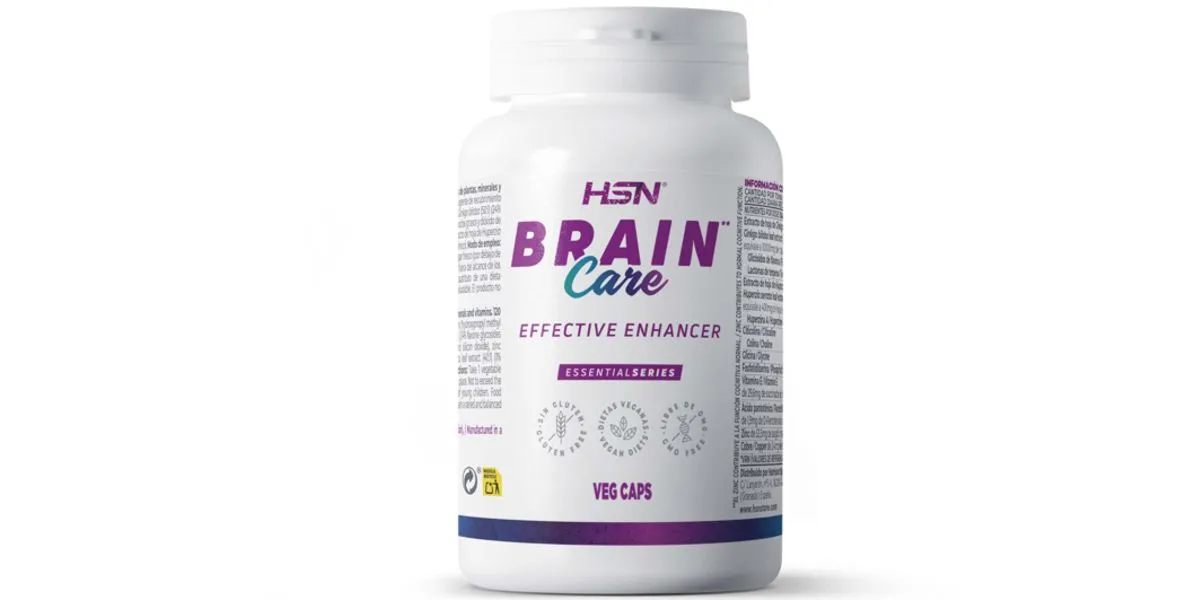
Maintaining good emotional well-being is crucial for a balanced and healthy life. Food supplements can be an effective tool to support mental health and reduce stress. Here we highlight two HSN products: Brain Care and Evoptogen, and how they can contribute to emotional well-being:
Benefits of Evoptogen
Evoptogen is a product designed to reduce stress and support mental health. It contains a blend of adaptogens, which are plants and herbs known for helping the body adapt to stress and balance physiological functions.
- Stress Reduction: The adaptogens present in Evoptogen, such as ginseng and ashwagandha, help reduce cortisol levels, the stress hormone, promoting a sense of calm and relaxation.
- Improved Mood: These ingredients can enhance mood and reduce symptoms of anxiety and depression.
- Increased Energy and Vitality: Adaptogens can also boost energy and resilience, improving the body’s response to physical and emotional stress.

Benefits of Brain Care
Brain Care is a supplement formulated to enhance cognitive function and emotional well-being. It contains a combination of nutrients and neuroprotective compounds that promote brain health.
- Improved Cognitive Function: Ingredients such as zinc, citicoline (CDP-Choline), Huperzia serrata, and Ginkgo Biloba help improve memory, concentration, and mental clarity.
- Mitigate Cognitive Decline: Components like phosphatidylserine, crucial for the structure and function of cell membranes, could prevent cognitive decline associated with ageing.
- Brain Protection: Antioxidants such as vitamin E protect the brain from oxidative damage, promoting optimal brain health.
Related Posts
- Everything you need to know about stress
- How to identify and manage emotional eating
- Benefits of Ginkgo Biloba for concentration and memory