Fitness, Nutrition, Health and Sports Blog In the HSNstore Blog you will find tips about Fitness, sport in general, nutrition, and health – HSNstore.com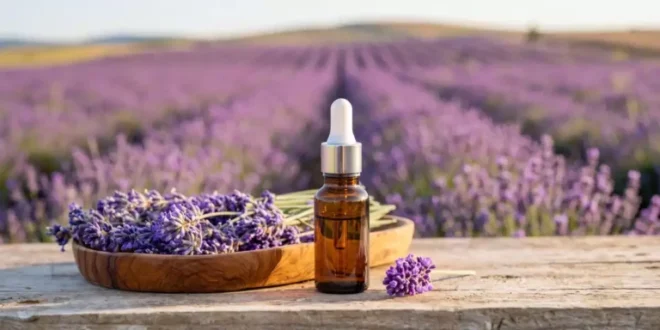

If you’re one of those people who associate essential oils with relaxing candles and little else, get ready to change your mind. More and more athletes are incorporating them into their routines, and for good reason: their biochemical composition — those volatile molecules responsible for their aroma — can interact with the central nervous system in ways that science has been studying for years.
From the moments before training to the recovery phase, there are research-backed aromatherapy tools that can be a useful addition to your active lifestyle.
What are essential oils and how do they work in the body?
Essential oils are concentrated extracts obtained from plants, flowers, bark or resins, usually through distillation. What makes them special is their high concentration of volatile compounds: small, fat-soluble molecules capable of crossing biological barriers relatively easily.
Broadly speaking, the main routes of action that explain their potential use in sport are:
- Olfactory route: when the aroma is inhaled, volatile molecules stimulate olfactory receptors, which send signals directly to brain structures involved in emotions and alertness, including the limbic system. This is why a simple scent can influence how we feel almost instantly.
- Dermal route: when applied to the skin (always diluted in a carrier oil), some compounds can penetrate the epidermis and exert a more localised action, for example in muscle areas.
- Oral route: certain essential oils, specifically formulated and labelled for this use, are classified as food supplements. In these cases, the active compounds are absorbed through the digestive tract, allowing them to enter the body via a different route from inhalation or topical application.
It is important to emphasise that not all essential oils are suitable for ingestion: only products that the manufacturer expressly indicates are intended for oral use should be consumed, always following the recommended dose and directions for use on the packaging.

What are the benefits of essential oils for sports performance?
Incorporating aromatherapy into your pre-workout routine can make a difference to mental preparation and the sensation of more open airways before taking on a demanding training session.
Peppermint oil: oxygenation and mental focus
Menthol, the main component of peppermint oil, is known for its bronchodilator effect, which some studies have linked to an improved sensation of airway openness during exercise.
From a sensory perspective, its strong, fresh aroma is often associated with increased alertness, something many athletes take advantage of in the minutes before training to get mentally prepared.
A couple of deep inhalations may be just the boost you need before lacing up your trainers.
Eucalyptus and rosemary oil: airways and energy
If you practise an endurance sport — running, cycling or triathlon — breathing well is everything. Eucalyptus, which is rich in eucalyptol, has been studied for its ability to promote the sensation of clearer airways, something that may be particularly appreciated during long sessions or in dry-air environments.
Rosemary, meanwhile, provides an energising aroma that many athletes associate with a greater sense of vitality before exercise.
Together, they make an ideal aromatic duo for anyone looking to start their workout feeling ready to breathe freely.
How can essential oils be used for muscle recovery?
Training doesn’t end when you stop the clock: recovery is the other half of the equation, and essential oils can also play a role here.
Wintergreen oil and camphor for pain relief
Wintergreen contains methyl salicylate, a compound from the same family as salicylic acid, traditionally used in topical preparations for its rubefacient effect: the localised warming sensation that many athletes associate with comfort after an intense training session.
Combined with camphor, known for producing a distinctive cooling-warming sensation, it is found in numerous preparations designed for use after training, particularly on days when delayed-onset muscle soreness (DOMS) makes itself felt.
Massaged into the area, always diluted in a carrier oil, they can form part of your post-workout routine.
Lavender oil for rest and reducing cortisol
Sleep and nighttime rest are fundamental to protein synthesis and muscle hypertrophy. The aroma of lavender contains linalool and linalyl acetate, compounds known for helping to create a calming environment, reduce perceived stress levels and promote restful sleep, which is key to performance the following day.
Diffusing it in your bedroom or incorporating it into your nighttime routine can be a simple gesture with a noticeable impact on how you approach the following day.
How can essential oils be used safely and effectively?
Before you start experimenting, there are a few essential rules to follow:
- Always dilute: never apply undiluted essential oil directly to the skin. It should be mixed with a carrier oil (almond, coconut or jojoba) in the proportions indicated by the manufacturer.
- Patch test: apply a small amount to the inside of your forearm and wait 24 hours before using it more extensively.
- Oral use only if expressly indicated on the product: not all essential oils are formulated for ingestion. Only use products classified and labelled as food supplements, and always follow the recommended dose on the packaging.
- Take precautions during pregnancy, breastfeeding and in children: consult a healthcare professional before use if any of these circumstances apply.
- They are not a substitute for a varied, balanced diet and a healthy lifestyle: they are a complement, never the foundation.
- Consult your doctor if you take medication or have a health condition before incorporating them into your routine.
With these guidelines in mind, essential oils can become a simple and pleasant aromatic addition backed by scientific research, both for preparing the body before exercise and supporting your post-workout routine.
Buy Liquid Lavender Essential Oil
Safe use as a food supplement. To enjoy the benefits of EssentialSeries Lavender Essential Oil orally, it is essential to follow the recommended directions for safe consumption: add exactly 2 drops diluted in 250g of food or drink (such as juices, teas or salads) once a day.
Related Posts
- Properties and benefits of coconut oil
- How to get restful sleep
- Omega-3 for anxiety and depression
- How to lower cortisol naturally to reduce stress