 Fitness, Nutrition, Health and Sports Blog In the HSNstore Blog you will find tips about Fitness, sport in general, nutrition, and health – HSNstore.com

More than three-quarters of women develop a bacterial urinary tract infection during their lifetime, and twenty percent of these women later suffer from recurrent cystitis or bladder infections. Nutritional supplements help treat this infection
Urinary Tract Infections
Urinary tract infections, like cystitis, are uncomfortable, very painful, and unpleasant. Women and children are at higher risk, but men can also get them as they age.

How Does a Urinary Tract Infection Occur?
Most infections happen due to a bacterial attack, and very rarely from viruses, fungi, or parasites. Generally, bacteria come from outside, through the urethra, to the bladder, irritating its walls and causing inflammation, which leads to pain when peeing.
Risk of Urinary Tract Infections
In women
Women’s urethra is shorter than men’s, which makes it easier for bacteria to enter and reach the bladder faster, where they settle in the mucosa, causing inflammation.
In men
Men have a longer urethra than women, so they can better fight off urinary tract infections. However, as they age, they can develop this type of infection with typical symptoms.

In babies and children
Babies and kids are also at higher risk of urinary tract infections because their ureters are still very short, which promotes bacteria penetration, mainly from infections in the genital area that reach the child’s urinary tract.
In pregnant women
Another risk group for urinary tract infections is pregnant women, since the growing uterus presses and narrows the urinary tract, making effective hygiene during washing more difficult.
Causes of Urinary Tract Infection
Urinary infection happens when bacteria enter the urinary tract through the urethra and then spread to the bladder. The warm and moist temperature of the bladder mucosa is a perfect breeding ground that helps bacteria multiply there.
Movements during sexual activity also favor bacteria penetration from the urethra to the intestinal area, especially with coli pathogens like Escherichia coli, as well as staphylococci, enterococci, and others.
How does the body react?
When this happens, white blood cells kick in to fight the bacterial invasion and inflammation, which oversaturates the bladder mucosa and makes it more vulnerable.

Symptoms of Urinary Tract Infection
The most common symptoms of a urinary tract infection or cystitis are: constantly feeling the need to pee and experiencing pain while urinating.
In most cases, the bacterial urinary tract infection only causes inflammation symptoms. However, these symptoms can also affect intestinal flora, causing rare pathogens, and only in two to five percent of cases does the infection spread to the bloodstream afterward.
- Constant need to pee and pain when peeing
- Burning, pain, or stinging when peeing
- Blood or pus in urine
- Pain in the kidneys when peeing or tenderness in the area where they are located
- Diagnosis of inflammatory urinary tract diseases
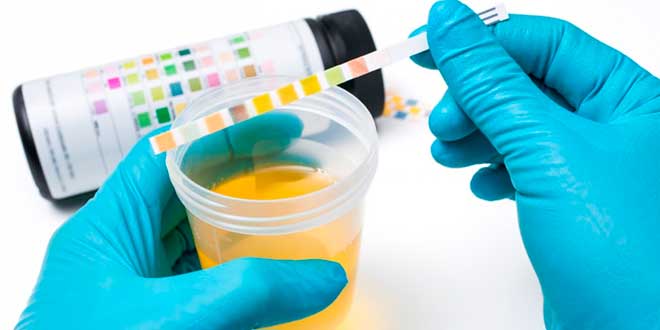
Once symptoms are confirmed, the doctor usually orders a urine test. The urine sample shows indicators of leukocytes (white blood cells), nitrite, and erythrocytes (red blood cells).
White blood cells indicate the body’s immune response to bacterial invasion. Nitrite is a common excretion product from bacteria, and red blood cells show the level of blood in urine.
Many tests done after initial symptoms can confirm if there is a chlamydia infection, a sexually transmitted disease (STD) that occurs in the urethra.
If the white blood cell test is positive, urinary tract infection diagnosis can be confirmed. In advanced urinary tract infections, all three elements are usually detectable in urine.
Groups at Higher Risk of Urinary Tract Infection
- People with immune deficiency
- People with a cold
- People undergoing immunosuppressive therapy (deliberate immune system suppression, e.g., organ transplant)
- People bedridden and paralyzed
- People with urinary tract narrowing
- Older adults

Untreated urinary tract infections can cause kidney problems, leading, for example, to a kidney infection
Natural Remedies for Urinary Tract Infection
Usually, after confirming symptoms, the doctor prescribes antibiotics to treat the infection. However, we can turn to a much more natural alternative remedy than antibiotics, like those offered by nutritional supplements, to treat urinary infections and the accompanying kidney discomfort.

Urinary tract infection symptoms include pain in the urethra and bladder. These symptoms can cause significant suffering when inflammation becomes chronic
Most Effective Supplements for Urinary Tract Infection
D-Mannose
What it is
The D-mannose nutritional supplement is one of the best natural remedies to treat urinary tract infections. Due to its fast effects and totally natural origin, it’s the best alternative to antibiotics and is used by thousands of users after noticing the first infection symptoms.
The most effective natural agents for treating urinary tract infections and cystitis are the natural sugars in D-mannose, which can be used as dietary supplements for prevention and treatment of urinary tract infections.
How it works
The sugar in D-mannose binds to bacteria and then attaches to mucosal cells in the bladder and urethra to prevent bacteria from penetrating or sticking to the walls. Both bacteria and sugars are easily excreted through urine.
D-mannose works very quickly and has no side effects, unlike antibiotics. Supplements can be taken by children and pregnant women and can be used as prophylaxis for chronic urinary tract infections.
Cranberry
Cranberry supplements also deliver excellent results, besides preventing urinary or urinary tract infections due to their tannin and vitamin B2 content, which have anti-inflammatory effects.
How it works
Tannins can prevent bacteria from spreading in the urinary tract. Natural cranberries aren’t recommended because of their bitter taste, so it’s more effective to take them as dietary supplements, which are better tolerated.
The mineral sulfur compound MSM (methylsulfonylmethane) helps keep the bladder mucosa intact against bacterial attacks.
Recommendations
It’s also recommended, when first symptoms appear, to increase fluid intake, preferably with diuretic teas, which help healing by flushing the urinary tract and making it easier to eliminate bacteria afterward.

Related Posts