Fitness, Nutrition, Health and Sports Blog In the HSNstore Blog you will find tips about Fitness, sport in general, nutrition, and health – HSNstore.com

What’s the relationship between Exercise and Autophagy? Is Exercise more effective and efficient before than Intermittent Fasting for promoting Autophagy?
Coping with Ageing
Ageing brings with it a series of molecular and cellular changes, a direct consequence of the physiological decline that we all experience sooner or later.
This decline, which is unavoidable, makes us uncomfortable.
Culturally, we don’t accept ageing and death well. Though this perspective is not shared by many other cultures.

In recent years, the tendency to celebrate everything “anti-ageing” has been on the rise.
Aesthetic procedures of all kinds, physical therapies, the most spectacular diets and other techniques with more than questionable evidence.
What is autophagy?
Autophagy is a ubiquitous cellular process (present in most cells) and necessary for life.
That’s to say, without autophagy, we wouldn’t be alive, or we certainly wouldn’t last very long.
This already alerts us to the black and white perspectives we see on networks all the time: …“This cancels out autophagy”; “This maximises autophagy”…

It’s a process of cellular recycling of anything that doesn’t work.
A simile to help explain
- In your house you generate waste.
- Waste that you’ve got to do something with (throw it out), because if you don’t it’ll build up.
- If a little bit of waste piles up, there’s no real problem.
- But as the amount increases, the functioning of the rest of the house decreases.
- In other words, that waste (non-functioning part of the house), starts to interfere with the functioning of the rest of the healthy structures of your home (everything that’s not waste).
At a cellular level
The same happens with cells.
The cell is a living organism that works continuously for a better system. This work, as well as requiring more energy, generates waste.
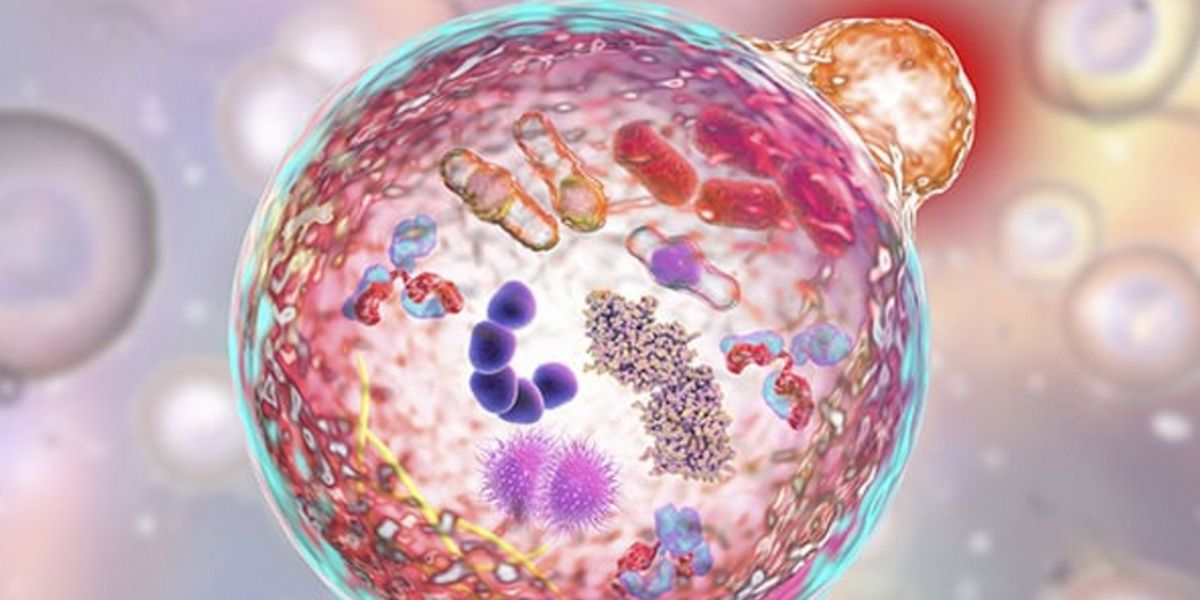
But a healthy cell has mechanisms to rid itself of the waste.
What are Autophagosomes?
All of this useless mess is gathered into membranes forming the so-called autophagosomes.
Imagine a supermarket bag with rubbish in it. That’s the kind of thing we’re talking about.
To get rid of the rubbish, we have an original way to do it: we have some organelles called lysosomes, loaded with acid content, which fuse with the autophagosomes, filling it with the acid.
This is the cell’s beautiful way of the “taking out the rubbish”.
Type of Autophagy
I was saying before that understanding autophagy was not a simple thing. Although we refer to it with a unique term, in reality, autophagy is divided into:
- Macroautophagy
- Microautophagy
- Chaperone mediated autophagy
The question is: can we interfere or modify the process of autophagy?
Ageing and Physical Exercise
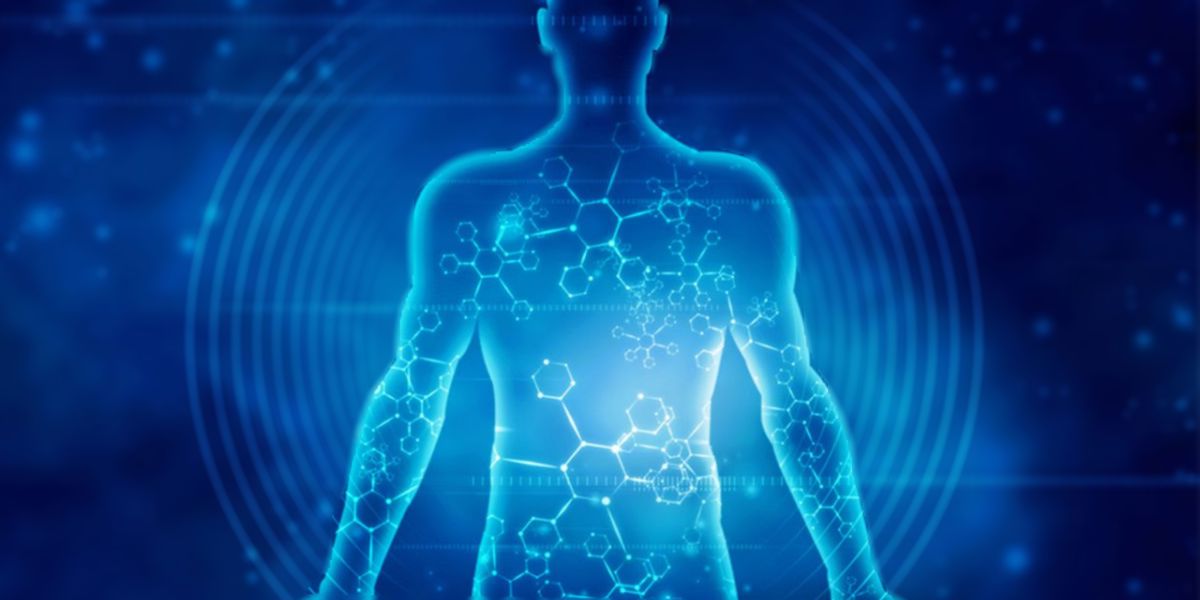
As we were saying, at the cellular level, ageing is characterised by an accumulation of malplexed proteins and deteriorated cellular organelles that increase the risk of cell death and alteration of homeostasis in the body.

Physical exercise.
Physical exercise is defined according to Caspersen as that planned, structured and regular physical activity carried out with the aim of improving physical shape (fitness). It has been present throughout evolution and has shaped our physiology, as I never tire of explaining.
Physical Exercise Deficit
We live the paradox that despite living longer, we are becoming worse and worse at being old. This can only be reversed through physical exercise.
But our society sees physical exercise beyond 50 years as unnecessary, or even dangerous.
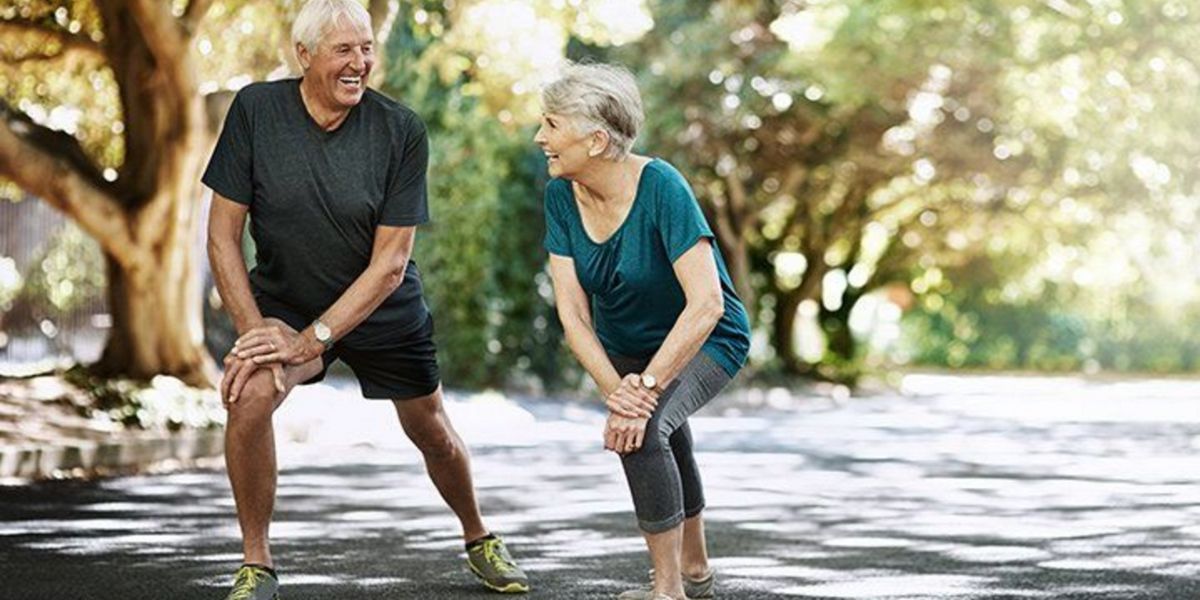
I’d say past 50 it’s even more necessary!
We tend to treat older people as fragile, to treat them as if they were made of glass, and of course this itself will make them fragile.
It’s curious, but in most anti-ageing clinics exercise is relegated to the background, when in fact it’s the only proven anti-ageing intervention.
Neuroprotective effects of exercise
There are many neuroprotective effects of physical exercise in mice:
- Increased neurogenesis
- Reduced loss of dopaminergic neurons
- Greater antioxidant capacity
- Better AUTOPHAGY.
Intermittent Fasting or Exercise to Encourage Autophagy?
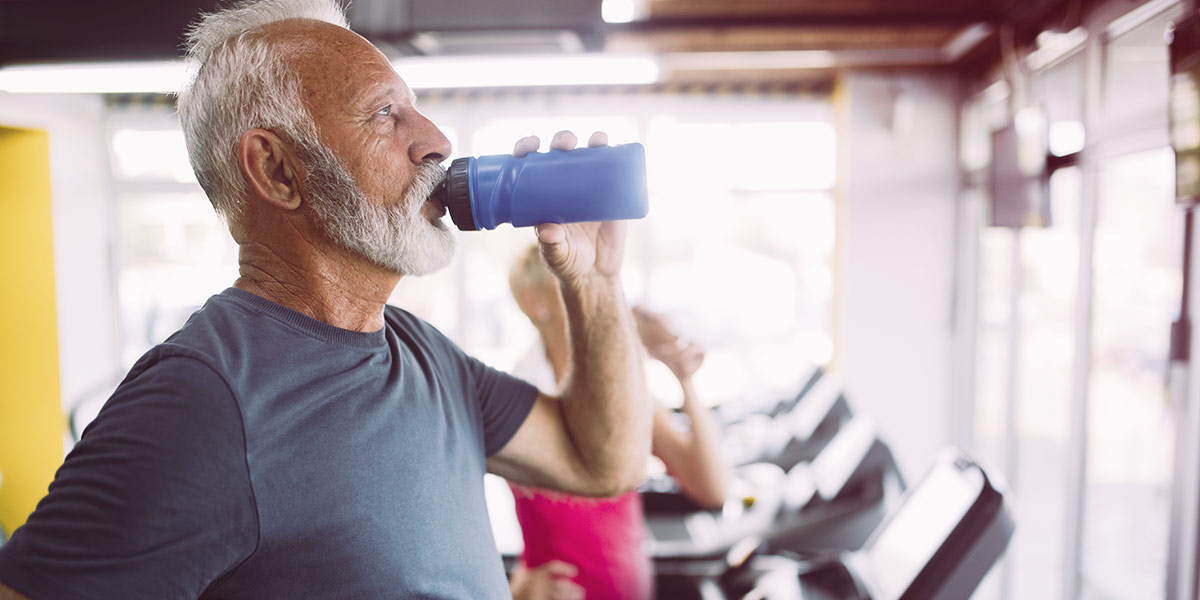
Everyone talks about intermittent fasting to maximise autophagy and stop ageing, but what if I told you that exercise maximises it even more?
8 weeks of treadmill in mice significantly increases the Beclin 1 protein, which is related to autophagy levels (Andreotti et al., 2020).
The cell begins to “recycle” defective cell elements when it needs energy, or feels that we could soon be in a situation of high energy demand.
The key here is understanding the term “cellular recycling”.
The cell doesn’t throw away the waste, it reuses it to give rise to other functional structures.
And how does the cell know that we are facing an energy deficit situation?
ATP/AMP Ratio
By reducing the ATP/AMP ratio in the cell with physical exercise, the famous protein kinase AMPK is activated.
- When the cell activates AMPK, it’s activating a program that seeks at all costs to generate energy. The boilers (mitochondria) of the cell will be turned on full blast (oxidative metabolism).
- AMPK also inhibits mTOR: that situation, active AMPK and inactive mTOR, increases the proteins related to autophagy (something that also occurs in fasting).
Type of Exercise for Greater Autophagy
The type of exercise we do will determine greater or lesser activation of autophagy and it’s likely that cardiovascular exercise, which generates a greater energy expenditure, activates the processes of autophagy more than strength exercise.

Which is not to say that the latter has no impact on autophagy.
In addition, we know from animal studies (it’s not easy to study autophagy in humans, for many different reasons) that physical exercise:
- Increases the amount of lysosomes (those little acid-laden bags that serve to breakdown non-functional elements)
- Improves mitochondrial dynamics and mitophagy (mitochondria also have to be “recycled” when the time comes)
- Increase other proteins related to autophagy
Conclusions
Everyone talks about intermittent fasting to maximise autophagy.
This isn’t surprising, as fasting for a certain number of hours generates cellular adaptations that promote the famous cellular recycling.
What we don’t know is to what extent this happens. Nor do we know from what time the enhancement of autophagy occurs, nor from what time it stabilises.
There’s so much we don’t know.
Without a doubt, a seriously hot topic to investigate in the next decade.
We’ll keep you in the loop. A big hug, and keep on empowering!
Bibliography
- Andreotti, D. Z., Silva, J. do N., Matumoto, A. M., Orellana, A. M., de Mello, P. S., & Kawamoto, E. M. (2020). Effects of Physical Exercise on Autophagy and Apoptosis in Aged Brain: Human and Animal Studies. Frontiers in Nutrition, 7, 94.
Related Entries
- What’s the relationship between exercise and epigenetics? We tell you in this link.
- Want a doctor’s opinion on Intermittent Fasting? Click here.
- Everything you need to know about AMPK and mTOR in this post.