Fitness, Nutrition, Health and Sports Blog In the HSNstore Blog you will find tips about Fitness, sport in general, nutrition, and health – HSNstore.com

Today we look at a rather interesting topic: how exercise can shape our epigenetics.
What is Epigenetics?
Epigenetics, if we look at the etymological origin of the word, is nothing more than “that which is above your genes”.
As this will clear up a few doubts, let’s define it differently.
Here is a sentence with and without punctuation marks (in this case, commas):
- Let’s eat, children vs Let’s eat children
Quite different, right?
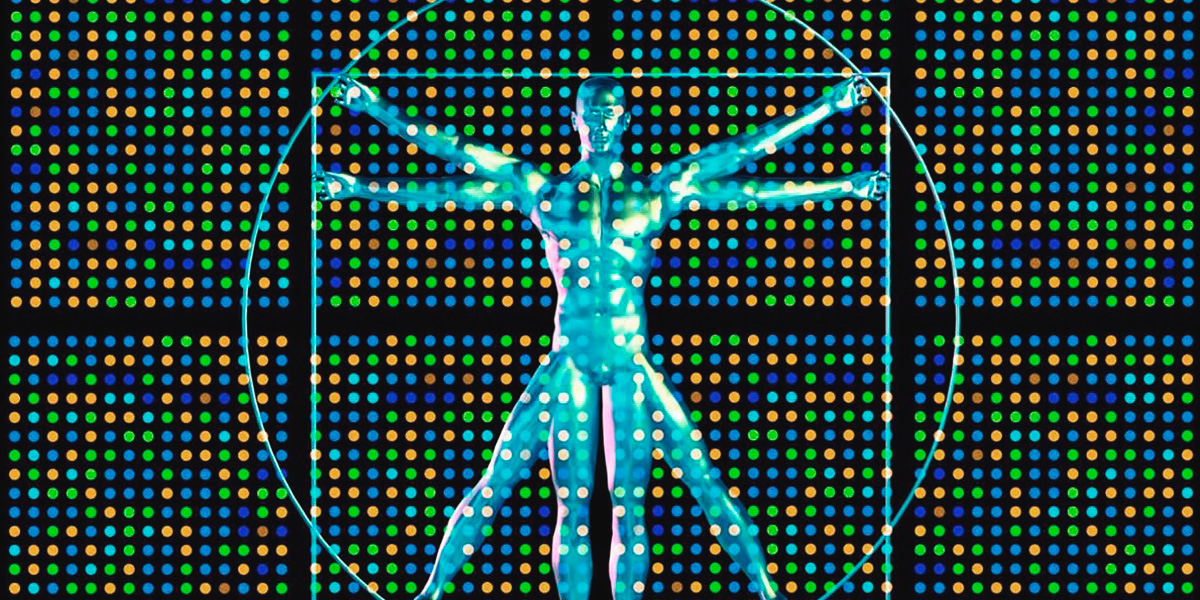
Epigenetics and the Genetic Code
Until recently, the genetic code was thought to be immutable.
If you were born with a genetic code that generated a defective protein and therefore a disease, that was your immutable fate.
That’s all there was to say…
- Epigenetics, fortunately, changed this picture.
- Epigenetics is nothing more than punctuation: commas, full stops, quotation marks.
And punctuation changes everything…
Can genes be modified?
To put it in a nutshell, epigenetics is made up of a series of “tags” that are placed on top of our genes which we call DNA methylation, histone acetylation and miRNAs.
Thus, depending on our environment, some genes may be expressed and others may not.
We can be born with a faulty gene and an increased risk of disease, but our lifestyle habits can silence that gene and cause the faulty protein it encodes to never show up.
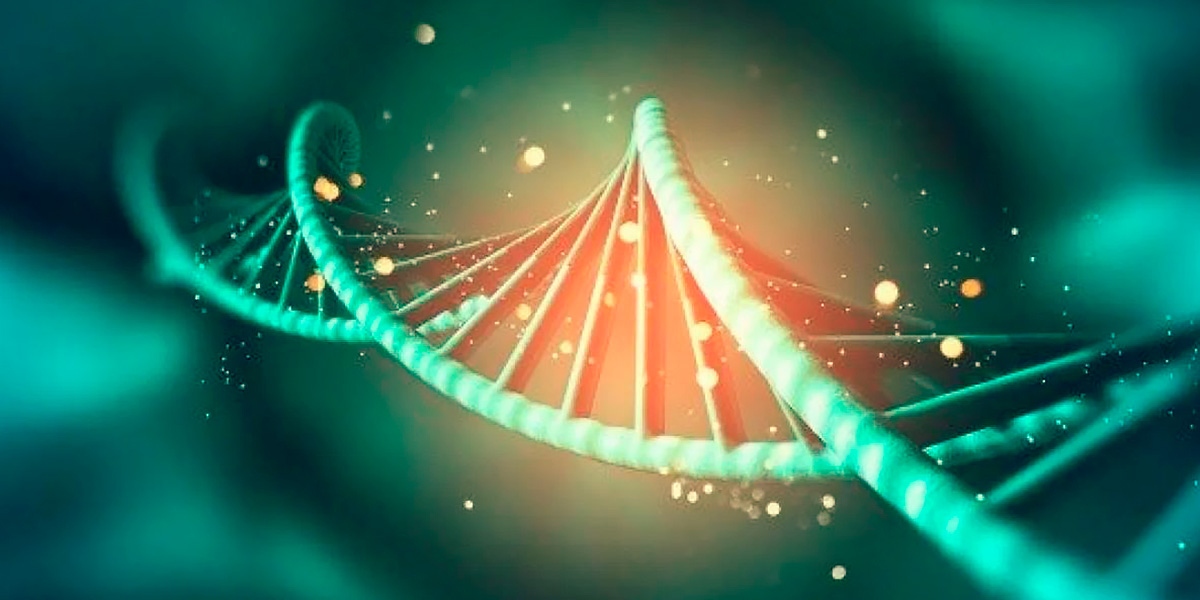
That is the power of epigenetics.
How does Physical Exercise affect our Genes?
Epigenetics is malleable.
What we do on a daily basis modifies our epigenetics and, in this respect, there is one thing that modifies it far more than other interventions: physical exercise.
Six months of aerobic exercise, for example, alters the entire DNA methylation pattern in skeletal muscle and adipose tissue and directly influences lipogenesis (1).
Several things happen when we exercise:
We modify our metabolic environment
Certain hormones such as adrenaline, noradrenaline, cortisol, glucagon and GH are elevated; meanwhile, insulin decreases.
We modify the pattern of myokine secretion.
The muscle is an endocrine organ capable of secreting a multitude of substances when exercised.
We increase the expression of certain genes and decrease the expression of others
This is where epigenetics makes its stellar appearance.
In ways that are not yet well understood, exercise is capable of modifying gene expression by altering the pattern of gene methylation and histone acetylation.
Could your training today affect your grandchildren?
One of the most exciting things about epigenetics is the fact that epigenetic changes have an intergenerational inheritance.
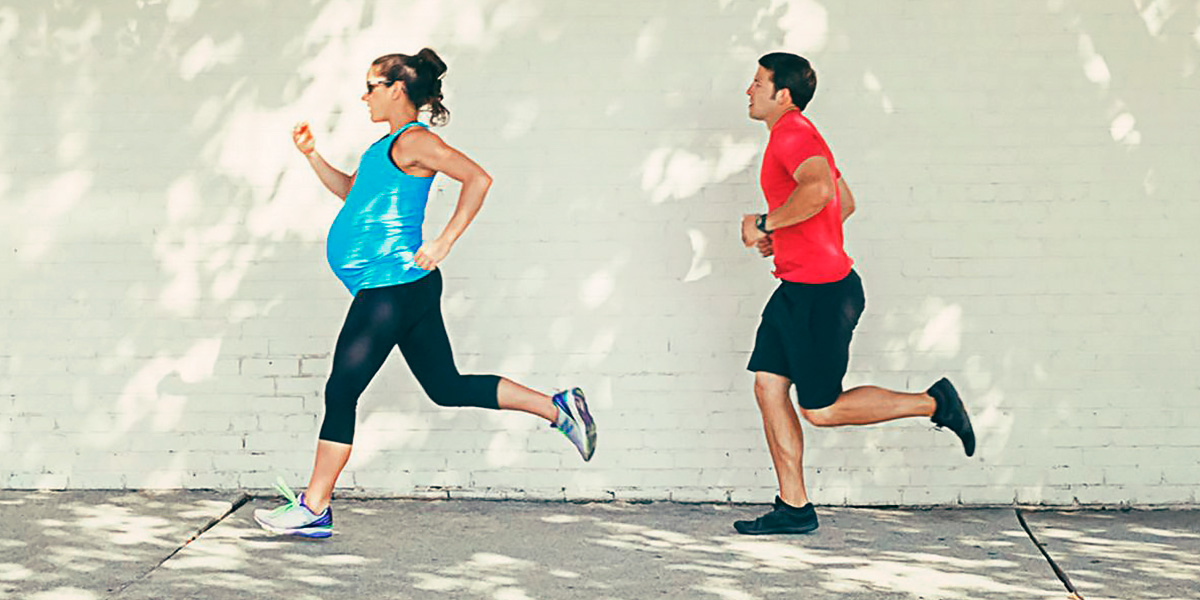
It is not only genetics that is inherited, but also epigenetics.
For example, treadmill exercise by prospective parents increases hippocampal BDNF expression in (future) offspring.
Your habits can mark your offspring
Similarly, science is realising that the lifetime risk of disease is also largely determined by epigenetics.
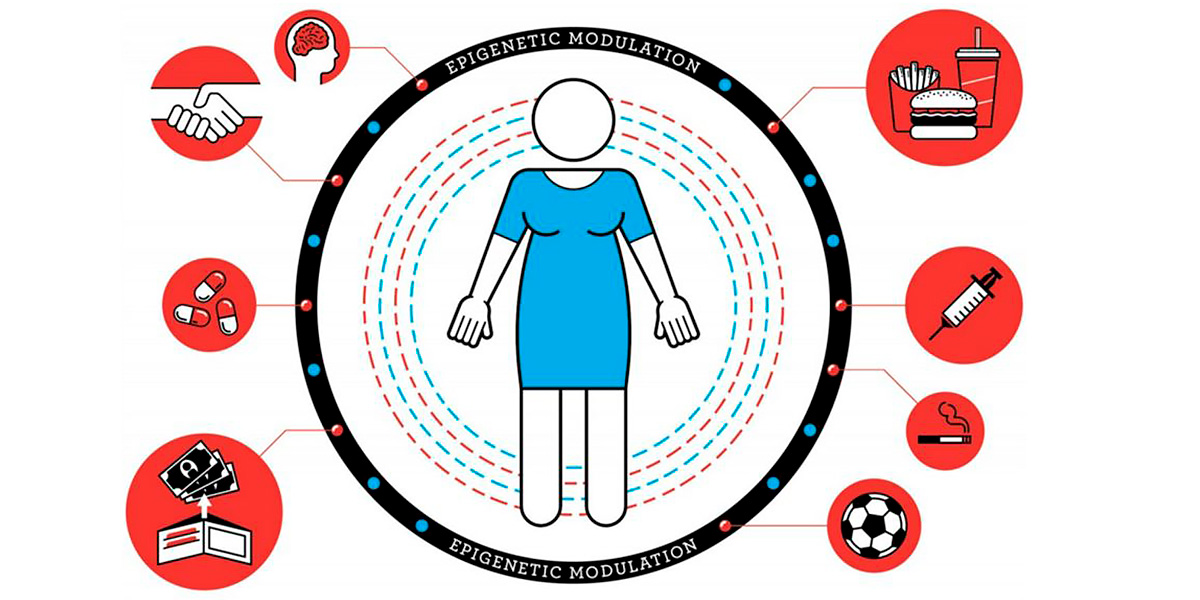
This is of incredible social importance:
- If you smoke;
- If you use drugs;
- If you are sedentary;
- If you are continually stressed; or
- If you have a poor diet.
You are no longer only harming yourself as an individual…
As I always say, taking care of oneself is a social as well as an individual responsibility.

The science of epigenetics only adds weight to this argument.
Conclusions
From now on, when you train, instead of thinking about your abs, your round deltoids or your powerful gluteus, think about the following:
- You are literally modifying the expression of your genes.
- That in itself protects you from countless chronic diseases.
- The positive effect will be passed on to your offspring.
Bibliographic sources
- Denham J, Marques FZ, O’Brien BJ, Charchar FJ. Exercise: Putting action into our epigenome. Sports Medicine. 2014.
- Yin MM, Wang W, Sun J, Liu S, Liu XL, Niu YM, et al. Paternal treadmill exercise enhances spatial learning and memory related to hippocampus among male offspring. Behav Brain Res. 2013 Sep 5;253:297–304.
Related Entries
- After reading this post, it seems incomprehensible that people still don’t exercise. We explain some of the main causes in this link.
- Did you know about these benefits of aerobic exercise? Read more.