Fitness, Nutrition, Health and Sports Blog In the HSNstore Blog you will find tips about Fitness, sport in general, nutrition, and health – HSNstore.com

Each day, more and more people want to take care of their health. Using a linseed oil supplement is a great way to do so due to all its properties.
What is Linseed Oil?
Linseed oil comes from the seed of the Linum usitatissimum plant. It is rich in omega 3, omega 6 and omega 9 fatty acids. Its quality directly depends on the quality of the raw ingredient as well as the manufacturing process.
It has properties for the skin, heart, immune system and brain.
Sources
Linseed oil comes from linseed. Moreover, they are an excellent source of micronutrients, fiber, antioxidants and healthy fats like ALA or Alpha Linolenic Acid.
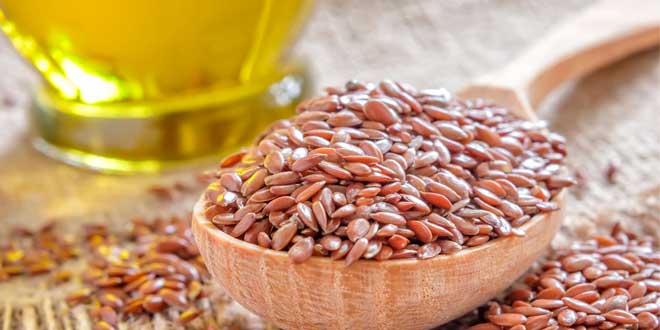
Cold-Pressed Linseed Oil
When it comes to purchasing linseed oil, we suggest checking the label and making sure that it has “first cold extraction”. This is due to the fact that it is the one with the best quality and availability. It becomes rancid quickly, so you should take some precautions with its container. Make sure to store it a cold place and away from direct sunlight.
Properties of Linseed Oil
It has many interesting properties and potentially beneficial effects for our health. This is mainly due to its composition, specially in terms of polyunsaturated fatty acids, ALA (omega 3) and phytochemicals such as lignans (one of the best sources).
Lignans are a type of phytoestrogens with important antioxidant properties. In fact, they are capable of neutralizing the oxidative damage caused by the free radicals on the cell tissue.
This nutrient combination could potentially have beneficial properties for our health such as: reducing the risk of cardiovascular disease, atherosclerosis, diabetes, cancer, arthritis, osteoporosis, autoimmune and neurological disorders.

Nutritional Information
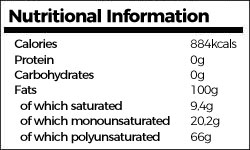
Nutrients per 100g.

Total of polyunsaturated fats per 100g, of which Omega 3: 53304mg and Omega 6: 12701mg
Omega 3 for Vegans/Vegetarians
Vegan Omega 3 Source
Linseed is a vegetable source of omega 3. In fact, it is the richest one and it contains around a 50-60% of omega 3 as ALA. Therefore, it is an alternative for those who do not eat meat or fish oil. As we already know, our body cannot synthesize this type of fatty acid. That is why we need to add the best sources to our diet. In this case, vegan or vegetarians can always take this essential nutrient through linseed oil.
- ALA or Alpha Linolenic Acid, available in many foods (linseed and chia, nuts, wheat, soy…)
- EPA or Eicosapentaenoic Acid, mainly present in fish
- DHA or Docosahexaenoic Acid, mainly available in fish and some types of seaweed
Conversion from ALA into Omega 3
This is a very important topic since some people do not have a high conversion rate. In other words, it is harder for them to get enough omega 3 fatty acids (EPA and DHA) from ALA. Here you have some of the reasons why:
- Higher Linoleic Acid (AL) levels. It is an essential omega 6 as well that shares enzymes which are in charge of transforming ALA into omega 3.
- Enzyme cofactor deficiency due to a lack of nutrients or a bad diet, like zinc, magnesium, selenium, vitamin C and B.
- It also seems that women have a higher conversion rate than men, proved in a study.
Importance of Omega 3
Omega 3 plays a fundamental role in important physiological processes. For example, it produces a natural anti-inflammatory effect while supporting the heart and cognition. In children, it contributes to the development of neuronal tissue during the perinatal period. Moreover, it provides nutritional support to premature babies. In adults, this essential fatty acid reduces the complications with clinical pathologies, including heart, renal and neuronal tissue.

In fact, suffering an omega 3 deficiency is related to depression, coronary risk, pain (arthritis) and other serious health problems.
Benefits of Linseed Oil
Losing Weight

- It stimulates the body so that it burns stored fat (thermogenic effect), increasing its oxidation. As long as we follow a balanced and healthy diet, this will help us lose body weight.
- Moreover, it has a laxative effect since it contributes to the intestinal transit.
- Stimulating the metabolism.
Reducing the Blood Sugar

- It improves the insulin sensitivity. Consequently, it is harder to store carbohydrates as fat while providing more energy for a longer time.
- In addition, it helps to control the glycemia, proven in this study. This property is very interesting for those who suffer diabetes.
Anti-inflammatory effect

- Its extraordinary anti-inflammatory capacity helps to relieve the pain from chronic pathologies (arthritis, sclerosis…)
- It relieves the premenstrual syndrome in some women.
- Moreover, it helps to produce prostaglandins (anti-inflammatory hormones). In fact, it can significantly improve cases of asthma, migraines or similar.
For Sport

- It shortens the recovery between workouts.
- Linseed increases the duration and intensity of the workouts. This is due to the fact that essential fatty acids become energy really quickly.
- It increases the stamina, necessary to perform energy processes. Therefore, we will feel more energized, allowing us to prolong the physical activity.
- Moreover, it increases the calcium absorption, necessary for our intense workouts and for people with osteoporosis.
Skin and Hair

- The skin has a better aspect, since it contributes to preserving its smoothness, firmness and hydration. It also slows down the onset of the signs of aging thanks to its antioxidant effects.
- It improves eczema (skin dryness, irritation, itchiness…)
- The hair grows stronger, and it is naturally brighter
For Women

- It regulates the menstruation
- It balances the progesteron levels
- Linseed also decreases the symptoms of Polycystic ovary syndrome, such as: weight gain, irregular menstruation, infertility, acne, hair growth problems…
- Moreover, it relieves the symptoms of menopause, such as hot flushes, insomnia…
Heart Health

- It regulates the cholesterol levels, supporting and preserving our cardiovascular health.
Linseed in the Diet
There are two ways of taking this product: Liquid Linseed Oil or Linseed Oil Supplements. We will obtain the same benefits, the difference is that the oil has more calories. On the other hand, the capsules or softgels only provide the active ingredient or fatty acid.
Storing Linseed Oil
Once open, we suggest storing it in the fridge keep it fresh. It is important to close it properly and put it away from sunlight to prevent its oxidation and rancidification.
Do not Cook with Linseed Oil
Use it as it is, to season your dishes or to dress salads, you can even take a spoonful directly. In other words, you can eat it raw. Using it for cooking will only oxidize it due to the temperature increase.

How can we Combine Linseed Oil?
As we have previously mentioned, you will need enough cofactors if you want an effective conversion of ALA in omega 3. You can combine linseed oil with some of them, as long as we do it to prevent any deficiency:
- Group B Vitamins
- Vitamin C
- Magnesium
If we want to improve our joint health, we can add hydrolyzed collagen with Magnesium, vitamin C and hyaluronic acid. This product will include more elements to enhance its effects.
Contraindications of Linseed Oil
Some of the main problems of taking linseed oil are related to the digestive system. We suggest taking small amounts since it can trigger an indigestion, nausea, abdominal pain or flatulence. Due to its laxative effects, it could also trigger diarrhea. In other circumstances, it can trigger an allergic reaction such as urticaria, swelling or difficulty to breathe.
Related Entries
- Do you know How Much Fat you Need Daily?
- Properties and Benefits of Chia Seeds
- Do you know the Most Important Phytonutrients?