Fitness, Nutrition, Health and Sports Blog In the HSNstore Blog you will find tips about Fitness, sport in general, nutrition, and health – HSNstore.com

- A glucose disposal agent refers to any substance or method used to reduce or control blood glucose levels.
- These agents are essential in the management of diabetes, where the body cannot properly regulate blood sugar levels on its own.
- Glucose disposal agents may include medications, dietary supplements, or food and exercise practices designed to help remove excess glucose from the bloodstream.
More than 90% of people with type 2 diabetes can improve their glycaemic control and reduce the need for medication through lifestyle and dietary changes. This highlights the importance of non-pharmacological interventions in diabetes management.
Keep reading to discover how these methods can be effectively implemented in your daily life for better glucose management.

Types of Glucose Disposal Agents
Glucose disposal agents are essential in managing diabetes and are classified into various types according to their mode of action. Here are the main types:
- Insulins: Mimics the secretion of insulin that occurs during meals, generally used before eating to control glucose spikes. Intermediate and long-acting insulin provides the necessary insulin coverage over a longer period, usually used to keep glucose levels stable overnight and between meals.
- Biguanides (Metformin): Reduces the liver’s production of glucose. It increases insulin sensitivity in tissues, helping improve glucose absorption and use.
- SGLT2 inhibitors: Act on the kidneys to prevent glucose reabsorption into the bloodstream, allowing its excretion through urine.
- Sulfonylureas: Stimulate the pancreas to release more insulin, effectively lowering blood glucose levels quickly.
- DPP-4 inhibitors: Help prolong the action of incretin hormones, which increase insulin production and decrease liver glucose production when blood sugar levels are high.
- GLP-1 receptor agonists: Mimic incretins, hormones that increase insulin production and reduce glucose when it is high. They also help slow digestion and may contribute to weight loss.
- Thiazolidinediones: Increase the body’s sensitivity to insulin, allowing cells to use glucose more efficiently.
- Alpha-glucosidase inhibitors: Work in the gut to slow carbohydrate absorption, helping to prevent glucose spikes after meals.
- Meglitinides: Similar to sulfonylureas, they stimulate the pancreas’s beta cells to release insulin but more quickly and for a shorter period.
Each agent type has its specific mechanism of action, and its use can depend on various factors, including the type of diabetes, the patient’s response to previous treatments, the presence of other medical conditions, and personal preferences.
Choosing the right agent is crucial and should be done in consultation with a healthcare professional specialising in diabetes management.
Benefits of GDA in the treatment of diabetes
Glucose Disposal Agents (GDA) are crucial in diabetes treatment, offering multiple benefits for managing this chronic condition and improving patients’ quality of life. Here are some of the main benefits of using these medications in diabetes treatment:
- Better Blood Glucose Control: They help maintain glucose levels within a normal range, which is vital for preventing sudden fluctuations that can cause immediate symptoms and long-term complications.
- Reduced Risk of Long-Term Complications: They can significantly reduce the risk of developing diabetes-related complications such as cardiovascular disease, diabetic neuropathy, retinopathy, and kidney disease.
- Improved Quality of Life: They help boost energy and overall well-being, enabling individuals to lead a more active and fulfilling life.
- Flexibility in Diet Management: They can offer more dietary flexibility by improving glucose elimination and reducing the impact of carbohydrates on blood glucose levels.
- Weight Loss: They may also contribute to weight loss, which is a significant benefit for many type 2 diabetes patients struggling with weight issues.
- Prevention of Hyperglycaemia: They can prevent severe hyperglycaemia episodes, which are dangerous and can lead to critical conditions such as diabetic ketoacidosis in type 1 diabetes.
- Reduced Pancreatic Load: They reduce the need for the pancreas to produce insulin, easing the workload of these cells and potentially prolonging their function over time.
- Cardiovascular Protection: Specifically, SGLT2 inhibitors and some GLP-1 receptor agonists have shown benefits in reducing cardiovascular risks in type 2 diabetes patients, who are at higher risk of cardiovascular disease.
What supplement helps lower glucose?
Some food supplements are used for their beneficial effects in managing blood glucose levels, acting similarly to pharmacological glucose disposal agents (GDAs), though generally with a more moderate effect. These supplements can be useful in the diet of people with diabetes or those seeking to maintain healthy blood glucose levels. Here are some of the most well-known:
- Berberine: This compound, found in various plants, has been shown in studies to significantly reduce blood glucose levels in people with type 2 diabetes, acting similarly to medications like metformin.

BERBERINE COMPLEX 500mg by EssentialSeries
- Apple cider vinegar: Consuming vinegar before meals may help reduce post-meal glucose spikes, possibly due to its effect on improving insulin sensitivity.

APPLE CIDER VINEGAR 650mg by EssentialSeries
- Chromium: This mineral is essential for macronutrient metabolism and may help improve blood sugar control by enhancing insulin action.

CHROMIUM PICOLINATE 200mcg by EssentialSeries
- Cinnamon: Cinnamon has been suggested to improve insulin sensitivity and positively affect reducing blood glucose levels.

CINNAMON EXTRACT (30:1) POWDER by EssentialSeries
- Alpha-lipoic acid: This antioxidant may help improve insulin sensitivity and reduce the symptoms of diabetic neuropathy.
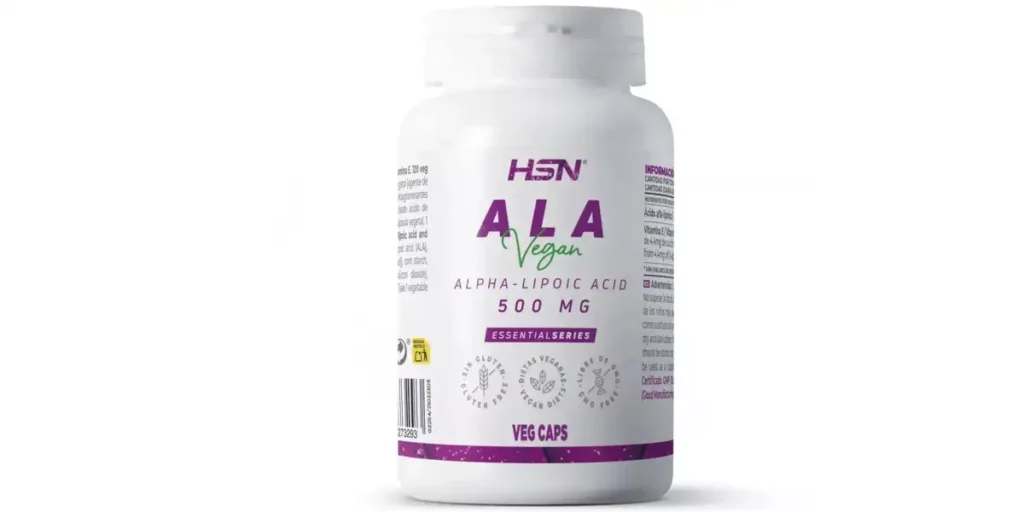
ALPHA LIPOIC ACID (ALA) 500mg by EssentialSeries
- Bitter melon: It has properties that help cells use glucose more effectively, thus improving blood glucose control. Some studies suggest bitter melon may stimulate the pancreas to release more insulin.

BITTER MELON EXTRACT (10:1) 300mg by EssentialSeries
- Banaba: Banaba contains corosolic acid, which has shown hypoglycaemic effects in several studies, improving insulin sensitivity and increasing glucose uptake by cells, reducing blood glucose levels. It may also influence the activity of enzymes that digest carbohydrates, such as alpha-amylase and alpha-glucosidase, delaying the conversion of starches into glucose and thus reducing glucose spikes after meals.
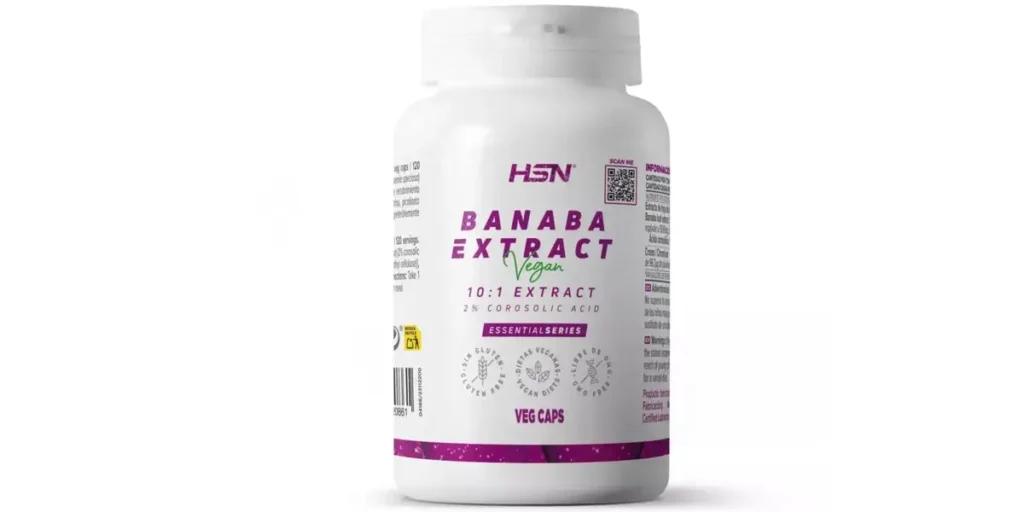
BANABA EXTRACT (10:1) 500mg by EssentialSeries
- Holy Basil: Holy basil is known for its adaptogenic and antioxidant properties, and some research suggests it may help improve the body’s metabolic response to blood sugar levels.

HOLY BASIL EXTRACT (10:1) 300mg by EssentialSeries
Risks of long-term hyperglycaemia
Long-term hyperglycaemia, or chronically elevated blood glucose levels, is a serious condition that can lead to numerous health complications in individuals with diabetes. Here are the potential risks, associated side effects, and some recommendations for proper management.
- Blood Vessel Damage: Excess glucose can damage the walls of both small and large blood vessels, leading to complications such as cardiovascular disease, stroke, and circulation problems in the limbs.
- Neuropathy: Nerve damage caused by high glucose levels can result in pain, numbness, and weakness, particularly in the hands and feet.
- Nephropathy: Hyperglycaemia can damage the kidneys, potentially leading to kidney failure, which may require dialysis.
- Retinopathy and Vision Loss: High glucose levels can cause damage to the blood vessels in the eyes, leading to diabetic retinopathy and, eventually, blindness.
- Dermatological Problems: Diabetes can make the skin more susceptible to infections and other issues such as ulcers and poor wound healing.
Effectively managing long-term hyperglycaemia requires a comprehensive approach that includes constant monitoring, adherence to treatments, and continuous diabetes education. These actions can help prevent the severe complications associated with the condition and improve the quality of life for those living with diabetes.
- Regular Doctor Visits: Regularly consult with a doctor to assess the effectiveness of treatment and make adjustments.
- Use of Technology: Consider using continuous glucose monitoring (CGM) systems for a more detailed view of glucose trends throughout the day.
- Meal Planning: Work with a dietitian to develop a meal plan that controls carbohydrate intake and promotes a healthy weight.
- Regular Exercise: Exercise helps improve glucose control and maintain cardiovascular health.
Conclusions
In addition to medications, we have provided a non-pharmacological alternative for glucose control. Moreover, certain lifestyle changes, such as a balanced diet low in simple carbohydrates and a regular exercise regimen, can also act as glucose disposal agents by improving the body’s use of glucose and reducing blood levels.
Recommended References
- Yilmaz, Z., Piracha, F., Anderson, L., & Mazzola, N. (2017). Supplements for Diabetes Mellitus: A Review of the Literature. Journal of Pharmacy Practice, 30(6), 631–638. https://doi.org/10.1177/0897190016663070
- Chang, C. I., Cheng, S. Y., Nurlatifah, A. O., Sung, W. W., Tu, J. H., Lee, L. L., & Cheng, H. L. (2021). Bitter melon extract yields multiple effects on intestinal epithelial cells and likely contributes to anti-diabetic functions. International Journal of Medical Sciences, 18(8), 1848–1856. https://doi.org/10.7150/ijms.55866
- Miura, T., Takagi, S., & Ishida, T. (2012). Management of Diabetes and Its Complications with Banaba ( Lagerstroemia speciosa L.) and Corosolic Acid. Evidence-Based Complementary and Alternative Medicine, 2012, 1–8. https://doi.org/10.1155/2012/871495
- Suksomboon, N., Poolsup, N., & Yuwanakorn, A. (2014). Systematic review and meta-analysis of the efficacy and safety of chromium supplementation in diabetes. Journal of Clinical Pharmacy and Therapeutics, 39(3), 292–306. https://doi.org/10.1111/jcpt.12147
Related Posts
- All about the innovative glucose meter without pricking
- Effective strategies to lower blood glucose
- Learn more about the benefits and uses of berberine
- Discover the secrets and benefits of Holy Basil for treating hyperglycaemia