Fitness, Nutrition, Health and Sports Blog In the HSNstore Blog you will find tips about Fitness, sport in general, nutrition, and health – HSNstore.com

Fluid Retention isn’t a serious problem by itself, but rather the body’s response to a mix of different factors
Among these are eating habits, lack of physical activity, a sedentary lifestyle, taking medications… In a way, we can minimize it or even “get rid” of it.
What is Fluid Retention?
Fluid retention is a phenomenon that happens when there’s an excessive buildup of fluid in the circulatory system, body tissues, or body cavities.
The body is made up of about 70% water, both inside and outside the cells of our body
Blood is mainly water, just like our organs and muscles:
- Muscle mass is about 75% water
- Fat contains around 50% water
- The bone system also hovers around 50% water
Fluid Retention or Extra “Kilos”
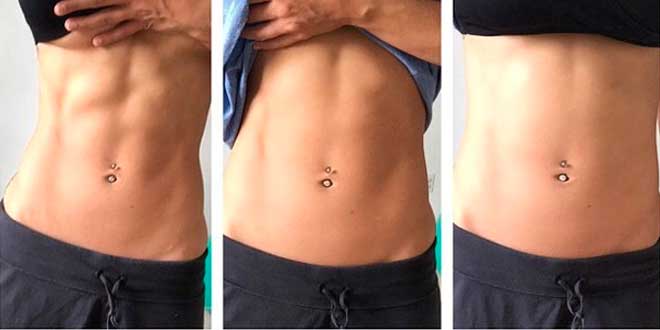
Many people aiming for a certain look that lets them show off defined muscles sometimes don’t reach their goal, thinking they still have fat to lose.
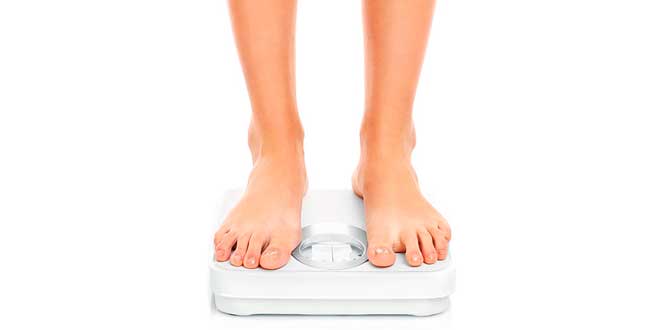
Also, outside the sports (fitness) world, fluid buildup or retention is common in people who are either sedentary or do some activity, where some of these cases happen:
- Poor diet, high in sodium,
- Hormonal imbalance,
- Injury,
- Medication intake
Fluid Retention in the Body
In most cases, fluid buildup tends to show mainly in:
- Lower back area
- Under the belly
- Ankles, wrists
- Face
Why Do Fluids Get Retained?
It mainly happens due to a disruption in the body’s water regulation system. The kidneys are involved here: they control the volume and concentrations of sodium and potassium, as well as the pH of body fluids.
Causes
Among possible disorders that disturb the balance and normal function of the fluid regulation system are:
- Dehydration
- Blood loss
- Salt (sodium) intake
- Even the amount of water we drink daily
Water Balance
The body will always try to balance water: what you consume (food and drinks) should equal what you excrete.
One mechanism that influences our behavior to increase or decrease water intake is thirst
Water is excreted through skin, lungs, feces, but mostly processed by the kidneys
Antidiuretic Hormone
There’s a hormone called Vasopressin or antidiuretic hormone (ADH), which ultimately controls how much water is excreted in urine via the kidneys.
It’s produced in the brain’s hypothalamus region
It helps control blood pressure by acting on kidneys and capillaries. It can regulate and maintain body fluid volume by reducing the amount of water passing into urine: it makes water return to the bloodstream, lowers its concentration in urine, so less fluid is excreted.
High ADH levels can cause vasoconstriction (narrowing) of capillaries and thus raise blood pressure.
The release of this hormone is controlled by factors like:
- Reduced blood volume or low blood pressure due to dehydration or bleeding
- High salt concentration in blood, like not drinking enough water on a hot day (causing dehydration)
- Thirst, vomiting, nausea…
High ADH Levels
Will cause water retention in the body. There’s a condition called SIADH or Syndrome of Inappropriate Antidiuretic Hormone, a certain case of hyponatremia. Here, there’s excess ADH release without need.
Low ADH Levels
Will cause the body to excrete a lot of water. Urine volume increases, leading to dehydration and also a drop in blood pressure.
Low levels may indicate damage to the hypothalamus or pituitary gland, or even polydipsia, a psychological disorder involving compulsive water drinking.
Sodium Balance
Along with water balance and volume regulation, here we refer to the osmolarity of body fluids. This term relates to the amount of solute (concentration) in a liquid or fluid per unit volume, usually per liter.
To regulate osmolarity, it’s necessary to balance sodium intake and excretion with water. Sodium is the solute, given its presence in extracellular fluids, and thus determines osmolarity.
An extreme change in osmolarity can cause cells to suffer damage, shrinking or swelling, even destroying cell structure and altering normal cell function
The concept of osmolarity regulation must be linked to volume, since changes in water amount automatically cause changes in body fluid concentration.
If we sweat and cause some dehydration, we lose much more water than sodium (other salts are also lost), so osmolarity of body fluids rises (solute or sodium concentration increases).
In this case, our body must conserve water to regulate osmolarity, which is why we need to drink fluids
Aldosterone
ADH acts by reducing osmolarity (lowering sodium) by increasing water reabsorption in kidneys, helping dilute fluids. The kidneys themselves have a system to prevent osmolarity from dropping too low.
Enter Aldosterone: a hormone whose main job is to regulate sodium and blood pressure.
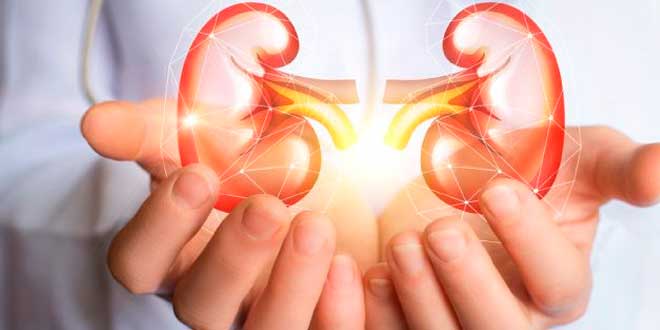
Aldosterone is secreted by adrenal glands, located above the kidneys, acting on them to increase the amount of sodium reabsorbed into the bloodstream and thus reduce its excretion in urine.
How Aldosterone Regulates Osmolarity
If osmolarity rises above normal, aldosterone secretion is inhibited, so less sodium is reabsorbed by the distal tubule (kidney structure responsible for selective sodium reabsorption). The body tries to keep as much volume as possible. In this case, ADH secretion will increase to conserve water, creating a synergistic effect between both hormones:
- Aldosterone -> inhibited -> osmolarity decreases (less sodium reabsorbed)
- ADH -> increased -> more water conserved (more water reabsorbed)
Cortisol and Fluid Retention
Cortisol is a hormone produced by adrenal glands that’s very important, especially for dealing with situations where the body senses a threat.
Also known as the “Stress Hormone,” it regulates and modulates several responses in our body, such as:
- Blood sugar levels
- Fat, carbohydrate, and protein metabolism
- Immune system
- Anti-inflammatory response
- Blood pressure
- Nervous system activation
Normally, cortisol levels fluctuate throughout the day and night.
Cortisol’s Role
Cortisol helps us handle stressful situations, reducing activity of other body systems not involved, to focus all energy on solving the risk or stress source.
This process should be brief, just enough to get through the situation (like intense physical demand). We don’t have to run from a bear nowadays, but it’s comparable to physical exercise, depending on levels…
Blood pressure also rises if cortisol levels stay high. One reason is it increases the body’s sensitivity to catecholamines, epinephrine, and norepinephrine, causing vasoconstriction and thus reducing blood flow in some areas.
This, in turn, causes an effect related to this topic: antidiuretic action and sodium retention, leading to water retention.
Since almost every cell has a cortisol receptor, the problem worsens exponentially. We see how people under continuous stress, due to work or similar reasons, besides possibly getting sick often (cortisol lowers immune activity), often tend to feel bloated.
Excessive physical exercise or poor sports planning also raises the body’s response and keeps abnormal cortisol levels.
Creatine Does NOT Retain Fluids
In the supplement world, when it comes to whether creatine retains or causes fluid buildup, there’s a lot of controversy.
Even more so when talking about the cutting phase…
Tips to Fight Fluid Retention
If you’re one of those who watch your figure closely and follow a precise diet, know that the day you stray or just change some foods, your body will retain water.
It’s nothing alarming, quite the opposite, it’s totally normal. And also something your body will regulate in a few days depending on how big the binge was… and soon you’ll be able to take your shirt off again…

Eating fresh vegetables and fruits daily helps reduce fluid retention
We can help our body maintain a better water balance by:
- Not cutting out sodium habitually.
- Increasing potassium intake
- Drinking water and fluids more often during summer
- Drinking water with electrolytes during tougher workouts
- You can add supplements like Herbal Extracts with diuretic properties
- Doing light exercise daily (walking…)
- Plan intense exercise
- Boost NEAT (take stairs instead of elevator, get off the bus 2 stops early…)
- Try to sleep 6-8h
Remedies to Reduce Fluid Retention
Dietary Measures
Some foods are natural diuretics. To eliminate fluid retention, you can take:
- Vegetables like parsley, asparagus, celery, leek, onion, tomato, or eggplant.
- Fruits like watermelon, melon, kiwi, banana, raspberry, currant, grape, orange, or pineapple.
- Legumes like lentils, chickpeas, or broad beans.
- Cereals like oats and brown rice.
- Infusions of green tea, birch, orthosiphon or Java tea, horsetail, goldenrod, broom, or corn stigmas.
Physical Activity
Regular physical activity helps eliminate fluids. Cycling, walking, swimming, or going up and down stairs are great exercises to control this issue. Any activity involving leg movement stimulates kidney function and promotes diuresis.

Other Measures
Other ways to eliminate fluid retention are:
- Wear comfortable clothes
- Avoid tight socks or shoes
- Sleep eight hours daily
- Take a 20-minute nap after lunch
- Elevate lower limbs when fluids accumulate in them
- Move legs while taking baths in the pool, sea, or bathtub
Sources
- https://mcb.berkeley.edu/
Related Posts
- Natural Diuretics - Fight fluid retention
- Potassium-Rich Foods
- The Importance of Sodium