Fitness, Nutrition, Health and Sports Blog In the HSNstore Blog you will find tips about Fitness, sport in general, nutrition, and health – HSNstore.com

Creatine has earned a prominent place in the world of sport and fitness thanks to its ability to increase muscle strength and performance.
Within the sports nutrition market, there is a wide variety of supplements, which can be a headache when it comes to choosing the right one for your needs.
In this post, we analyse the different types of creatine, their characteristics, and how to find the best option according to your sports goals.
Creatine Monohydrate
Creatine monohydrate is a highly researched form of creatine, which belongs to the exclusive group with the highest degree of evidence for efficacy and safety, and is considered the best choice among the creatines available.
According to the International Society of Sports Nutrition (ISSN), creatine supplementation is currently the most effective ergogenic food supplement for athletes in terms of increasing high-intensity exercise capacity and lean mass during training.
The total composition of creatine monohydrate is approximately 88% and its bioavailability in the body is very high, making it the best value for money for most users of this food supplement.
Micronised creatine monohydrate
It is a thinner version of creatine monohydrate, which allows for faster dissolution and easier digestion. It works in a similar way to monohydrate but may be a more digestible substance for the stomach.
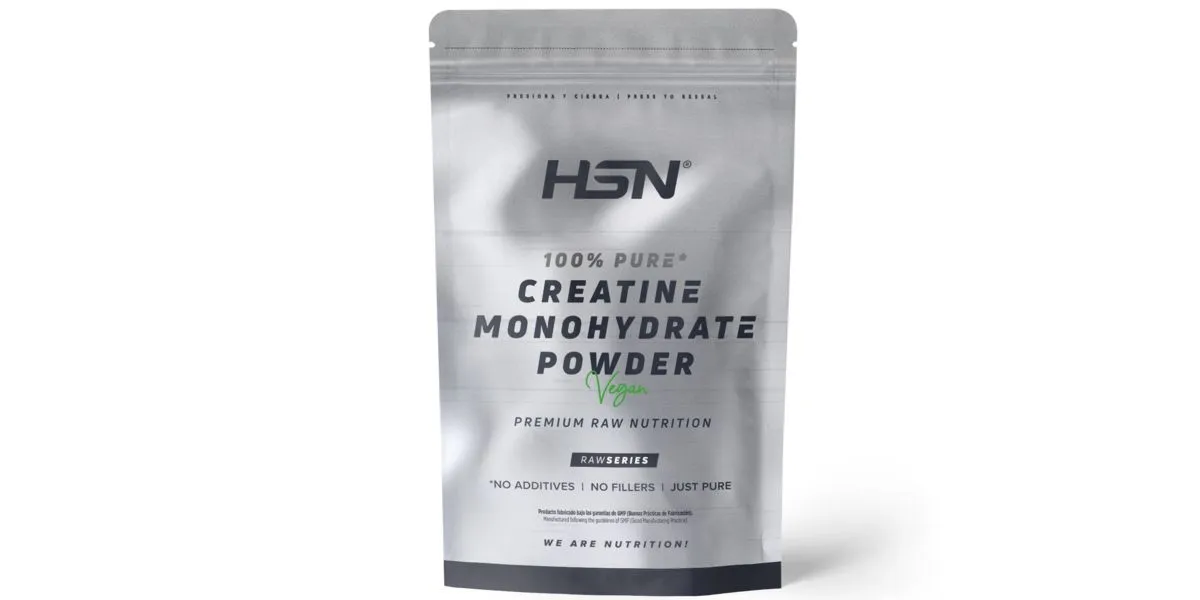
Creatine Monohydrate Powder RawSeries
Micronised creatine monohydrate Creapure®
Creapure® is the trademarked raw material produced by AlzChem Trostberg GmbH, which is dedicated to the manufacture of high-purity creatine monohydrate and is the only trademarked creatine monohydrate raw material.
It is a type of creatine that is very well tolerated by the body, which may result in better absorption and fewer side effects caused by gastrointestinal problems.
Its health claim has been endorsed by the European Union, and very few food supplements in the field of sport are recognised as such.
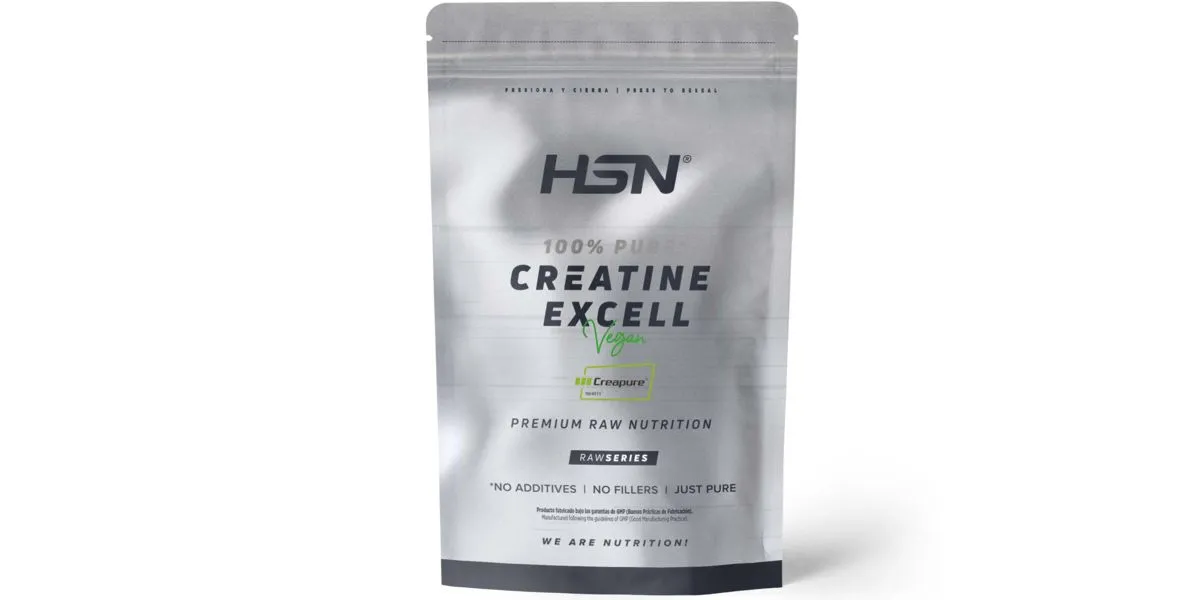
Creatine Excell with Creapure seal® powder
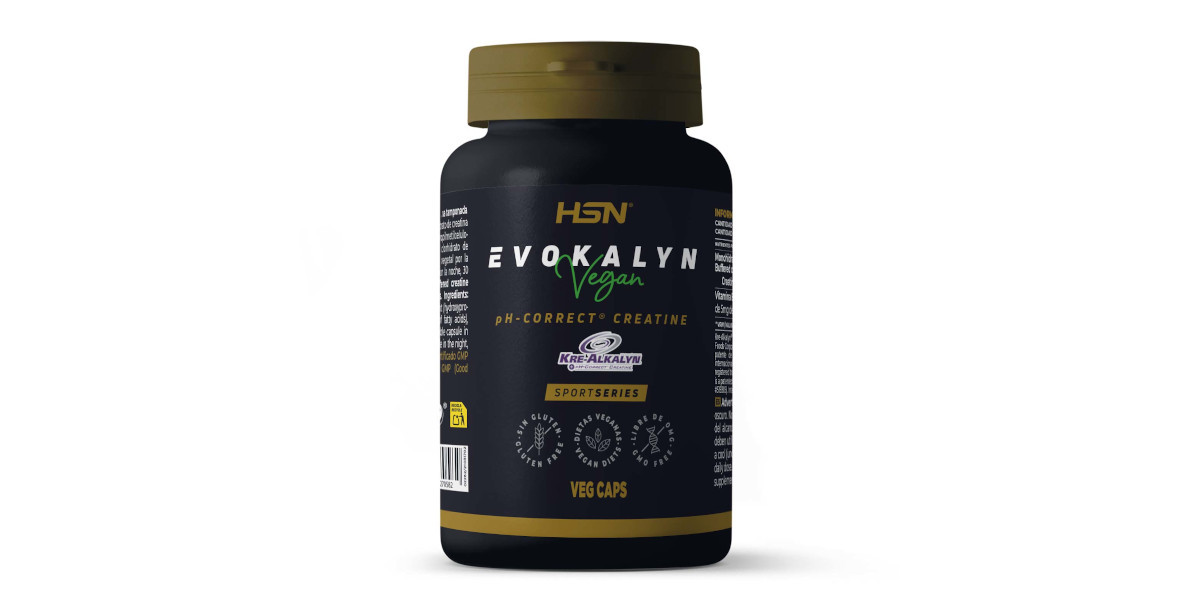
Creatine Alkaline or Kre-Alkalyn
Creatine kre alkaline or Kre-Alkalyn is a registered trademark of All American Pharmaceutical and Natural Foods Corporation, which develops a buffered creatine monohydrate or alkaline pH corrected to 12.
This pH-corrected modification is associated with a higher bioavailability of creatine in the body, higher absorption, and better uptake by cells, which is why the recommended daily dose is usually lower than other forms of creatine monohydrate supplementation.
Creatine Ethyl Ester
Creatine Ethyl Ester (CEE) is a modified version of creatine monohydrate with an added ester, an organic compound formed by esterification. This addition improves creatine absorption, allowing less creatine to be used for similar results.
Developed and patented by UNeMed, a technology transfer entity of the University of Nebraska, CEE is used as a nutritional supplement to enhance performance in sports and demanding physical activities.
What is the best type of creatine for me?
At HSN, we advise you to try different varieties of creatine to determine the one that works best for you. Don’t hesitate to ask us any questions you may have; we are always available to help and guide you through the process.
In any case, it is important to choose a quality product from a reliable brand and to follow proper dosage recommendations. Also, remember that creatine is not a substitute for a healthy diet and a proper training program, but a supplement to enhance athletic performance.
Bibliographic sources
- Kreider, R. B., et al. “International Society of Sports Nutrition position stand: safety and efficacy of creatine supplementation in exercise, sport, and medicine.” Journal of the International Society of Sports Nutrition 14.1 (2017): 18.
- Kerksick, Chad M., et al. “International Society of Sports Nutrition position stand: Nutrient timing.” Journal of the International Society of Sports Nutrition 14.1 (2017): 33.
- AlzChem Trostberg GmbH. Creapure®. Consultado el 20 de abril de 2023, en https://www.creapure.com/en/home
- Jagim, A. R., et al. “A buffered form of creatine does not promote greater changes in muscle creatine content, body composition, or training adaptations than creatine monohydrate.” Journal of the International Society of Sports Nutrition 10.1 (2013): 43.
- International Society of Sports Nutrition. “Citrulline malate.” Journal of the International Society of Sports Nutrition 7.1 (2010): 31.
- La Bounty, P., et al. “International Society of Sports Nutrition position stand: creatine supplementation and exercise.” Journal of the International Society of Sports Nutrition 4.1 (2007): 6.
- Jäger, Ralf, et al. “Analysis of the efficacy, safety, and regulatory status of novel forms of creatine.” Amino acids 40.5 (2011): 1369-1383.