Fitness, Nutrition, Health and Sports Blog In the HSNstore Blog you will find tips about Fitness, sport in general, nutrition, and health – HSNstore.com

Malic acid is a natural compound that plays an important role in energy production in our body. Although it’s found in fruits and veggies, its use as a supplement has gained popularity for its benefits in sports performance and support in conditions like fibromyalgia.
In this article, we dive into its properties, benefits, and recommended dosage.
What is Malic Acid and Where Is It Found?
Malic acid is a dicarboxylic acid naturally present both in the human body and various plants. It’s responsible for the sour or tart taste characteristic of many fruits.
Main natural sources:
- Green apple: the most well-known source (its name comes from the Latin malum, apple).
- Fruits: cherries, apricots, blueberries, peaches, plums, pears, pineapple, and raspberries.
- Vegetables: tomatoes and rhubarb.
Health Benefits of Malic Acid
Malic acid doesn’t just act as a natural preservative; its impact on cellular metabolism is deep.
1 Energy and Krebs cycle
It’s an essential part of the Krebs Cycle, the process where the body converts nutrients (fats, carbs, and proteins) into ATP (cellular energy).
- Fights fatigue: a deficiency of this acid can disrupt energy production, causing chronic tiredness and lack of motivation.
- Sports performance: helps recovery after intense exercise by counteracting lactic acid buildup.
2 Detox and oral health
- Metal chelator: it can bind to metal toxins (like aluminum or lead) to help eliminate them from the body.
- Oral hygiene: used in mouthwashes because it stimulates saliva production and reduces harmful bacteria.
3 Digestive and skin health
- Supports digestion: helps acidify the stomach, necessary for pepsin release and proper mineral absorption (calcium, magnesium, zinc).
- Cosmetic use: applied topically, it works as an exfoliant, tightening pores and smoothing expression lines.
Malic Acid and Fibromyalgia
One of the most studied uses of malic acid is easing symptoms of fibromyalgia. This condition causes chronic pain, fatigue, and muscle stiffness.
- Helps prevent hypoxia (lack of oxygen) in muscle tissues, reducing tissue breakdown and pain sensitivity.
The importance of Magnesium
The Malic Acid + Magnesium combo is the gold standard for these patients:
Magnesium: Provides a calming effect and improves muscle relaxation.
Synergy: Together, they boost ATP production, eliminating much of the fatigue and joint pain.
? HSN recommendation: You can find these high-purity components in our RawSeries line
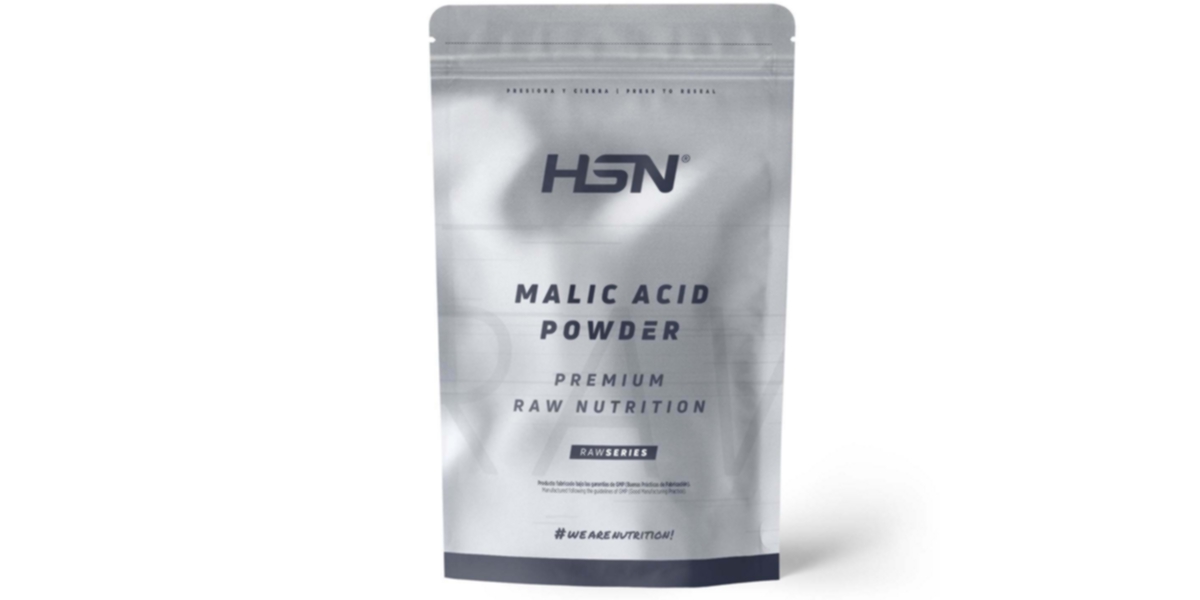
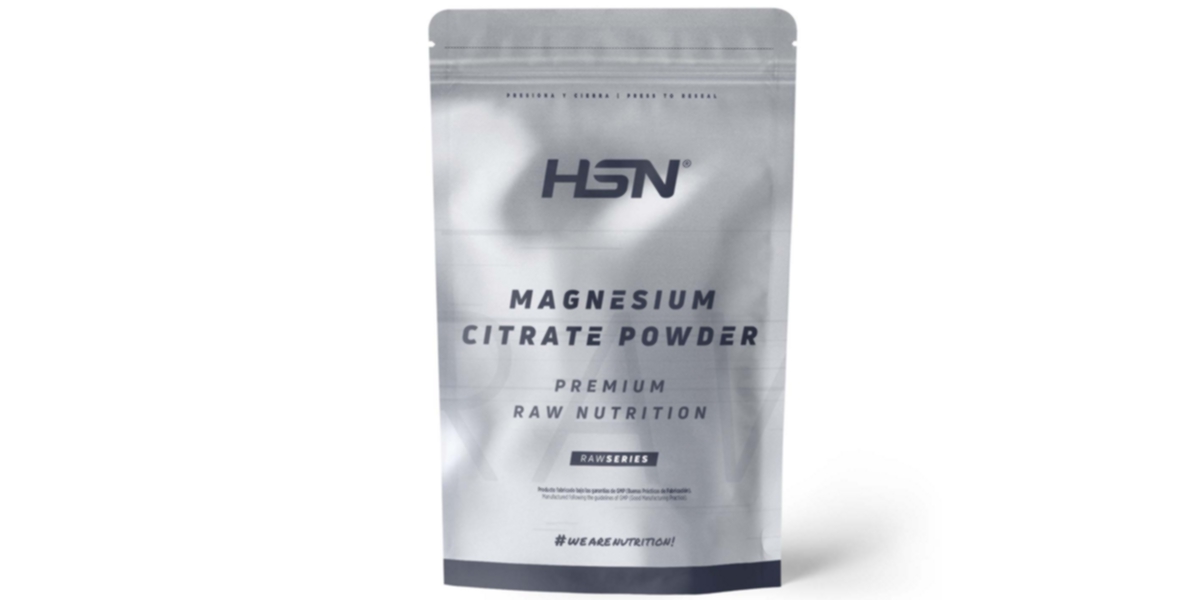
Magnesium Citrate Powder from RawSeries
How to Take Malic Acid?
Dosage can vary depending on the goal (general health or fibromyalgia support), but common ranges are:
| Goal | Malic Acid Dose | Suggested Combination |
| General wellbeing | 500mg – 1500mg / day | Take with meals |
| Fibromyalgia support | 1200mg / day | + 300mg Magnesium |
⚠️ Side effects: it’s a safe supplement. However, excessive intake may cause skin rashes or stomach discomfort. Always check with your doctor.
Related Posts