Fitness, Nutrition, Health and Sports Blog In the HSNstore Blog you will find tips about Fitness, sport in general, nutrition, and health – HSNstore.com

Today, we’re going to introduce you to a new vegan-friendly food: Heura
One of the biggest challenges for the vegetarian and vegan movements, which are both booming and becoming increasingly fashionable, is to find flavours and/or textures similar to meat, as many vegetarians still long for the taste of meat.
Vegan Meat?
That’s why in recent years many companies have set out to find increasingly successful animal meat substitutes
Such as Quorn, a vegetarian but not vegan product as it uses egg white as a binder,
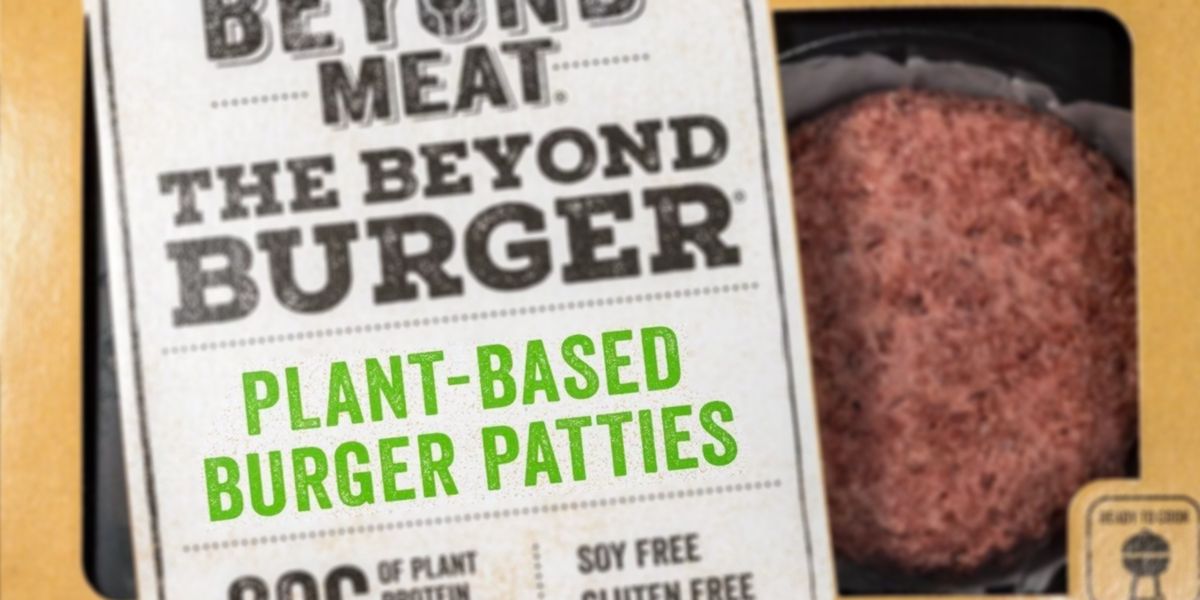
Or the famous beyond meat burgers, which I’ll talk about another day, which are vegan and very similar to beef
What is Heura?
Heura is a product made by Foods for Tomorrow, a company involved in the defence of animal rights and ecology and aiming, with this product, to reduce meat consumption, even amongst non vegetarians and vegans.
How is it made?
Heura is produced by extrusion through the cooking of soya beans, and it’s a complete protein.
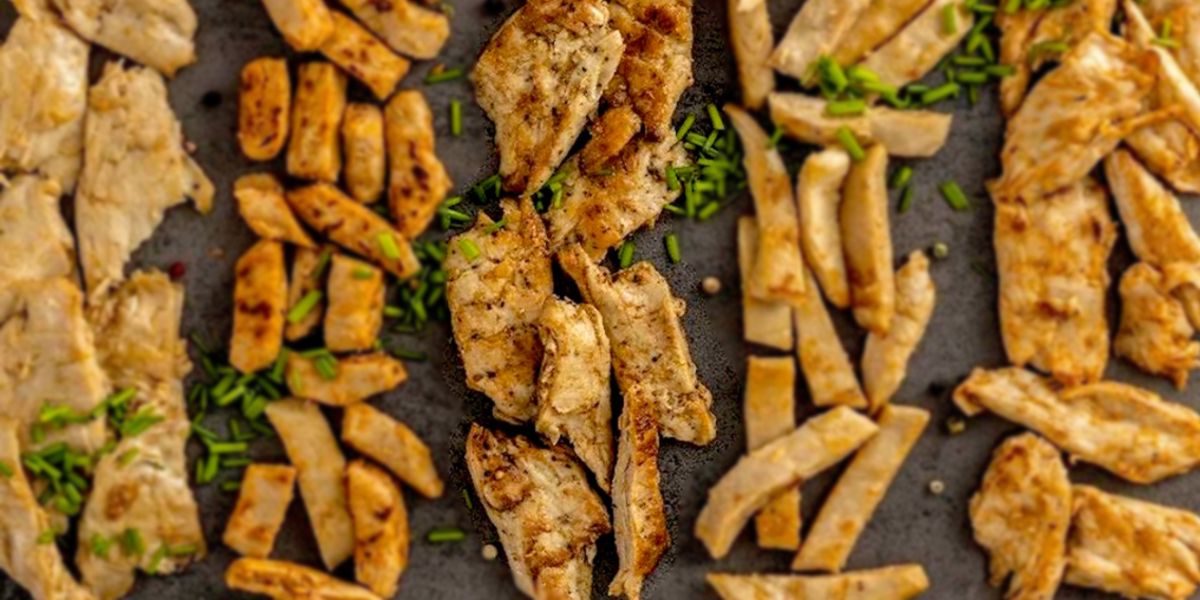
This is quite remarkable when we consider not only how much heura really tastes like chicken, but how similar it is in terms of macros and what you can do with it
Among its ingredients, depending on the type of final product you choose, Huera contains water, soy protein concentrate, sunflower oil and spices. And we can find it in various formats, such as Original Nuggets, Spiced Chunks, Mediterranean Chunks, Original Strips, and even Original Meatballs.
What do I like about Heura?
Its nutritional contribution
Its macros are great, being one of the few vegetable proteins that doesn’t have a high fat or carbohydrate content. Instead, it has a high protein content, similar to chicken.
For every 100 grams of product:
- 20g of protein,
- about 3g of fat, and
- less than 1g of carbs.
It also provides: fibre, about 7g, iron, magnesium, phosphorus, zinc…
What don’t I like about Heura?
One of the downsides to the product would be its price
It’s not cheap, 1kg would cost about €25. I bought a 180g container and it cost me €4.95, so you do the calculations, but for sporadic consumption it’s great.
Making the switch to veganism?
Until the market improves in this area, I still wouldn’t recommend switching to veganism if you’re going to be continually seeking out plant-based foods to replace the flavours of meat and its processed products.
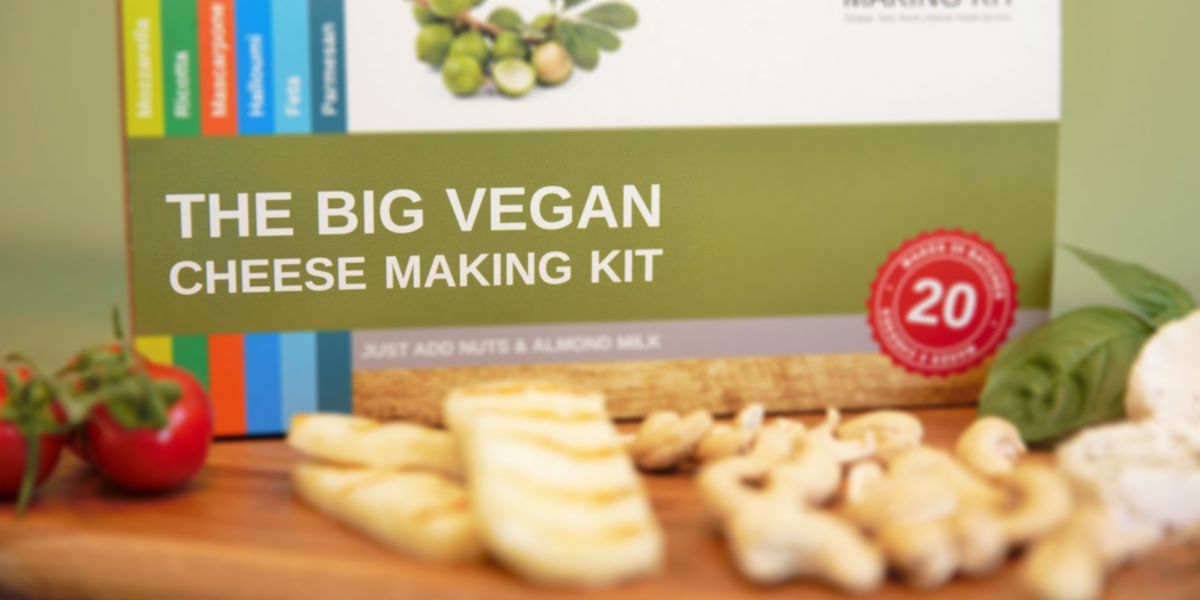
It’s a similar situation with cheeses, much to my regret, but it does seem like things are slowly changing, so there are options out there.
Conclusions
Finally, it’s worth noting that you can already find the product and similar ones in many restaurants. So, don’t miss out on the chance to try it if you see it. In the end, if you have the option to eat “meat” without harming any animals, you may as well give it a try 😉
Conclusions
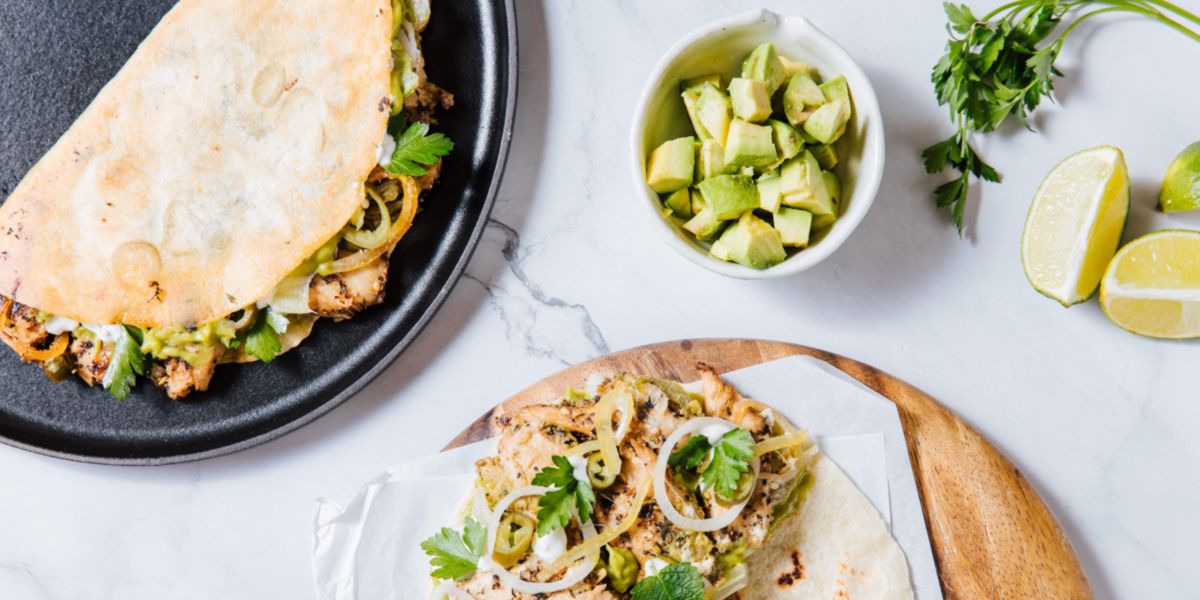
Ingredients
- 4 whole tortillas for fajitas
- 1 container of heura original 180gr
- 1 red pepper
- 1 green pepper
- 1 medium onion
- 1 dash of olive oil
- Spices to taste (we usually use a Mexican flavour mix)
- Salt
| Nutritional Information per serving | |
|---|---|
| Calories: | 203kcal |
| Fat: | 3g |
| of which saturates: | 1,1g |
| Carbohydrates: | 30g |
| of which sugars: | 3g |
| Fiber: | 5g |
| Proteins: | 14g |
| Salt: | 1g |
How to make: Recipe for Fajitas with Heura
| Preparation time: | 8 minutes |
| Cooking time: | 20 minutes |
| Portion size: | 1 Fajita |
| Number of servings: | 4 |
| Cooking style: | European |
- Put a frying pan on the heat with a pinch of oil and when it is hot, fry the vegetables cut into strips.
- When the vegetables begin to brown, add the heura and a pinch of salt.
- When everything is well browned, add the spices and let the flavours melt in the juice released by the vegetables.
- Heat the tortillas in the microwave for a few seconds and ready to eat.
Related Posts
What it is - 100%
Ingredients - 100%
Nutritional Value - 100%
Recipe - 100%
100%