Fitness, Nutrition, Health and Sports Blog In the HSNstore Blog you will find tips about Fitness, sport in general, nutrition, and health – HSNstore.com

Have you ever considered what the real differences are between having breakfast before or after training? Is it better in terms of health and performance to go to the gym on a full or empty stomach?
Benefits of having breakfast before training
We can’t universalise the advantages of having breakfast before training, because as always, many athletes are better off going out to train on an empty stomach, especially if those workouts are performed at very early hours.
In the field of strength sports
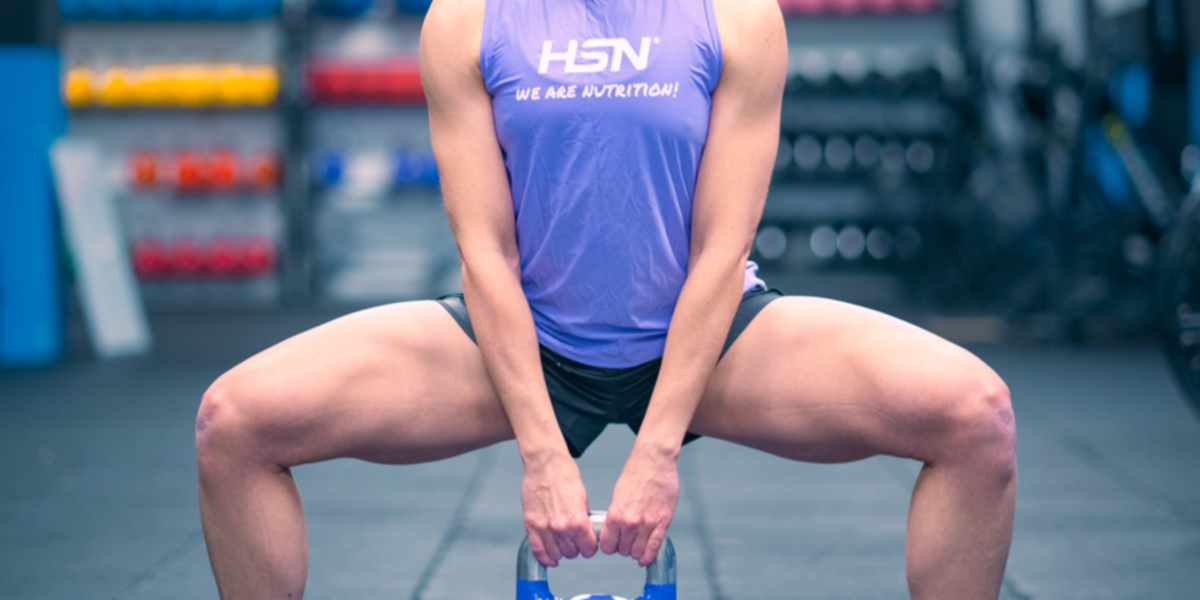
Where we could include indoor strength/hypertrophy work, weightlifting, powerlifting, or mixed modalities such as high-intensity functional training, it is good to start with full muscle and liver glycogen stores.
Can you train on an empty stomach?
This will get:
- Better sports performance (more repetitions and sets, higher loads, WODs in less time…).
- Lower risk of injury.
- Better muscle recovery.
- More anabolic hormonal environment.
After a night’s sleep, muscle deposits aren’t too affected (as we’ve been at rest), but liver glycogen deposits will normally be less than 50% of their capacity, because on an empty stomach the liver uses liver glycogen to maintain stable glycemic levels (glycogenolysis).
In the field of endurance sports
Where we could include running, cycling or swimming, I would point out at least two different situations:
- Sessions of under 90 minutes.
In this case, many athletes prefer to train on an empty stomach, and see their performance improved when they do.
If it is the case for you, there’s no reason why you shouldn’t have your first intake of food before the session, except for special situations (pathologies).
- Sessions of more than 90 minutes.
When sessions extend beyond the hour and a half it is unwise to go out without breakfast, or not have anything during the event or training session (intra-training).
For such prolonged efforts, and especially when the intensity is moderate-high, sports performance and the risk of injury will be increased.
And what are the benefits of having breakfast afterwards?
Training on a fast has gained popularity in parallel with the rise of intermittent fasting.
Something that not so long ago was considered an “unwise” practice, even detrimental to health, now seems to be the new holy grail of sports performance.
As always, reality is much more relative and context-dependent.
So far, the science has been able to corroborate that, yes, this practice enhances some physiological adaptations at the mitochondrial level and in the metabolism of fats, but that when compared with usual practice, does not demonstrate better results in sporting terms.
So, why would a person rather train on an empty stomach than eat a good bowl of oats and fruit before training?
Well the only compelling reason is personal preferences and the context of each person:
- Many endurance athletes can’t tolerate, especially at the digestive level, eating breakfast just before starting a training session.
- Some people can’t tolerate breakfast before training, but they do feel better when training on a fast.
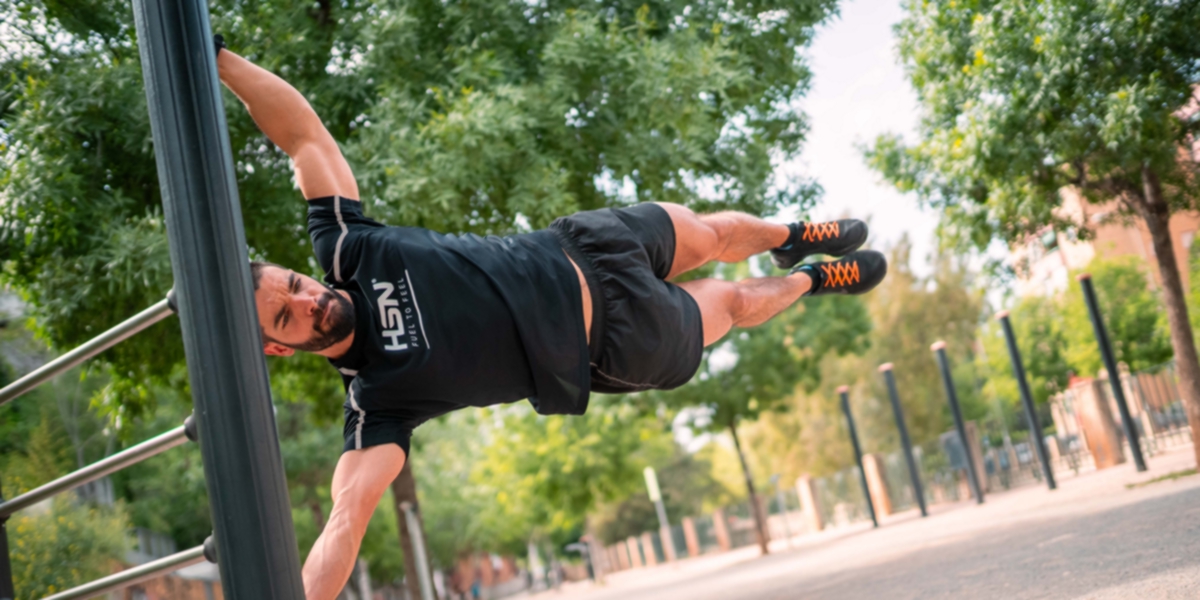
During our time as hunter-gatherers we always “trained” while fasting, as it was the only way to find food.
When is it best to have breakfast?
If you are going to have breakfast before training, it’s not a good idea to do it immediately before, as the process of absorption and digestion will interfere with the training.
Have you seen people vomiting in the gym or in the box?
This is down to two factors: recent ingestion + high intensity.
The stress factor derived from high intensity training stimulates colonic motility and decreases gastric motility.
This is why you may have ended up looking for the nearest toilet at peaks of intensity.
How much time should you take between breakfast and physical training?
As a general rule, if your breakfast is a standard breakfast, let at least 60 minutes pass from when you finish breakfast until you start training.
If you need to ingest more carbohydrates because it is required by the test or specific training, it’s better to eat 90 to 120 minutes before starting training.
And if you are someone who has to ingest very large amounts of carbohydrates before the test (ultras, marathons, etc.), you may even need to eat 3 hours before starting (as long as the schedules allow it).
What to eat for maximum performance?
Some practical recommendations are as follows:
Avoid just before sporting events
Fibre takes longer to digest, so it can cause digestive problems if you ingest it at short notice of the event or workout.
This is especially true in people with digestive problems.
Decreases fat intake
By the same token, fat slows gastric emptying, so if you eat a breakfast rich in fat (bacon, egg yolk, avocado…), along with your carbohydrates, these may still be undigested when you need to be performing.

Reaching peak performance when training.
Carbs are the kings of sports performance
The choice of carbohydrate source is very personal and depends on preferences, affinities, intolerances and previous experience.
Quality more than quantity
If you’re considering breakfast options before your usual competition or training, here are a few:
Related Entries
- You can find out more about Training on Fasts in this Post.
- Everything you need to know about Intermittent Fasting, just click here.