 Fitness, Nutrition, Health and Sports Blog In the HSNstore Blog you will find tips about Fitness, sport in general, nutrition, and health – HSNstore.com

One question that’s raised a lot of doubts after chronobiology became fashionable is: What’s the best time to train? When should I train to get the maximum benefits?
What factors influence training times?
The big factor affecting training efficiency depending on the time of day is the arrangement of our circadian rhythms.
It could be said that the circadian rhythms are the structures that hierarchise the functioning of our body according to time and predisposition to sleep-wakefulness, that is, those that establish our schedules.
Let’s say that when sun exposure is greater, our body is more active, as it detects that it’s time to be productive; when night falls, our body decreases its activity as it is time to rest.
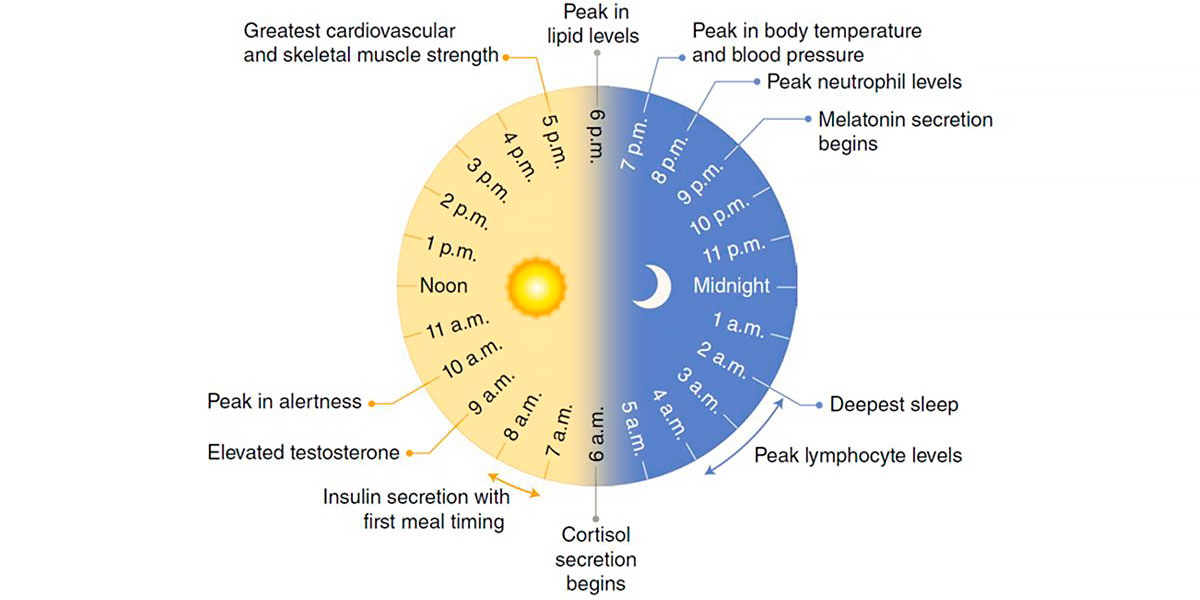
Structure of circadian rhythms for a morning chronotype.
This affects factors that condition the quality of our workouts, such as:
- Body temperature.
- Neuromuscular activation.
- The hormones.
Circadian rhythms and body temperature
Body temperature is an important factor as it acts as a catalyst for metabolic efficiency.
Temperature is energy and the increase in body temperature is nothing more than a sign of increased metabolic activity, which results in:
- Increased energy metabolism.
- Improved muscle performance: greater power and greater resistance to fatigue.
- Facilitating the interaction and coupling of actin-myosin (the two myofilaments of the myofibrils that make up the muscle sarcomeres).
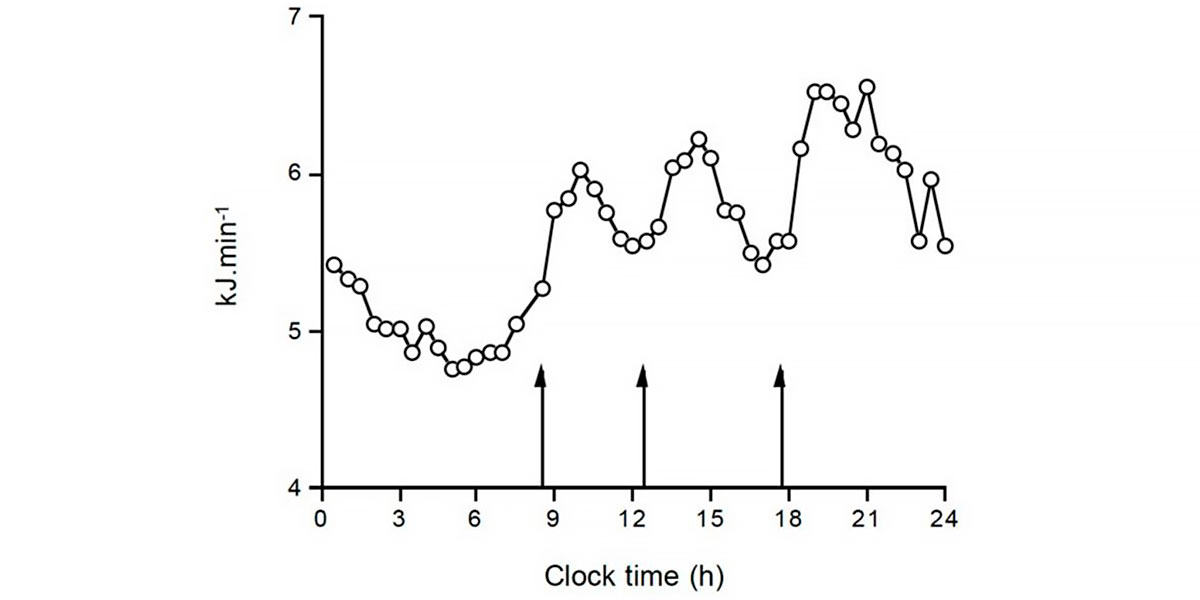
Fluctuation of energy expenditure within 24 hours.
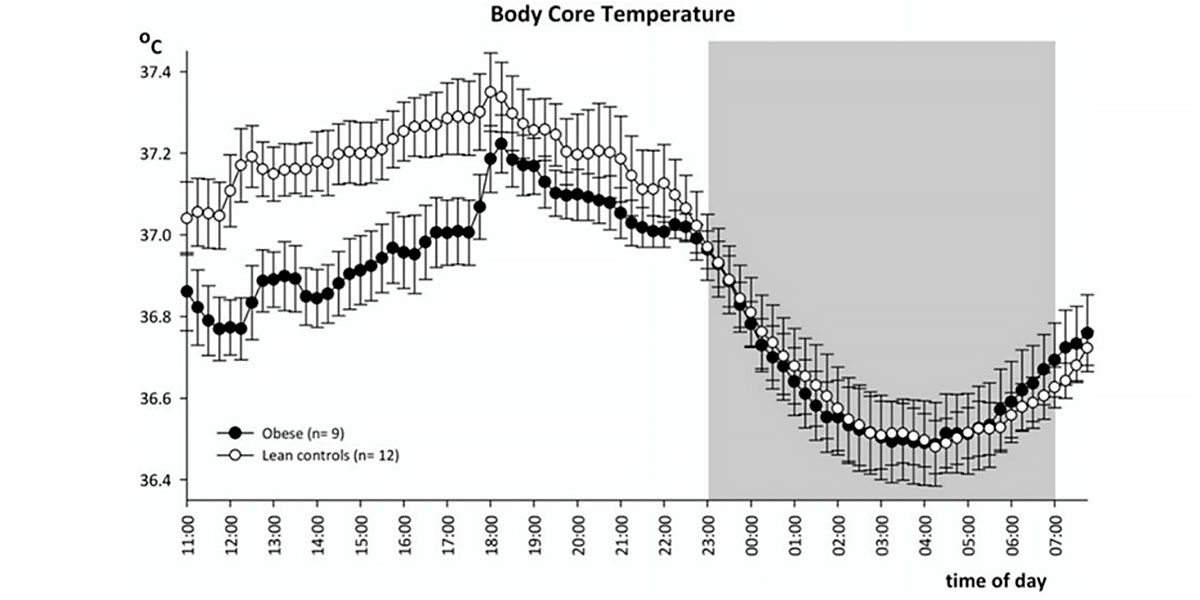
Body temperature fluctuation.
Even so, body temperature, and therefore the metabolic efficiency, responds to this pattern, generally, as follows:
- In the morning: Lower.
- In the evening: Higher.
- At night: Lower.
Neuromuscular activation
Neuromuscular activation refers to the efficiency with which our nervous system sends electrical signals to the cells of our muscle tissue, and these respond through a series of biochemical responses to contract.
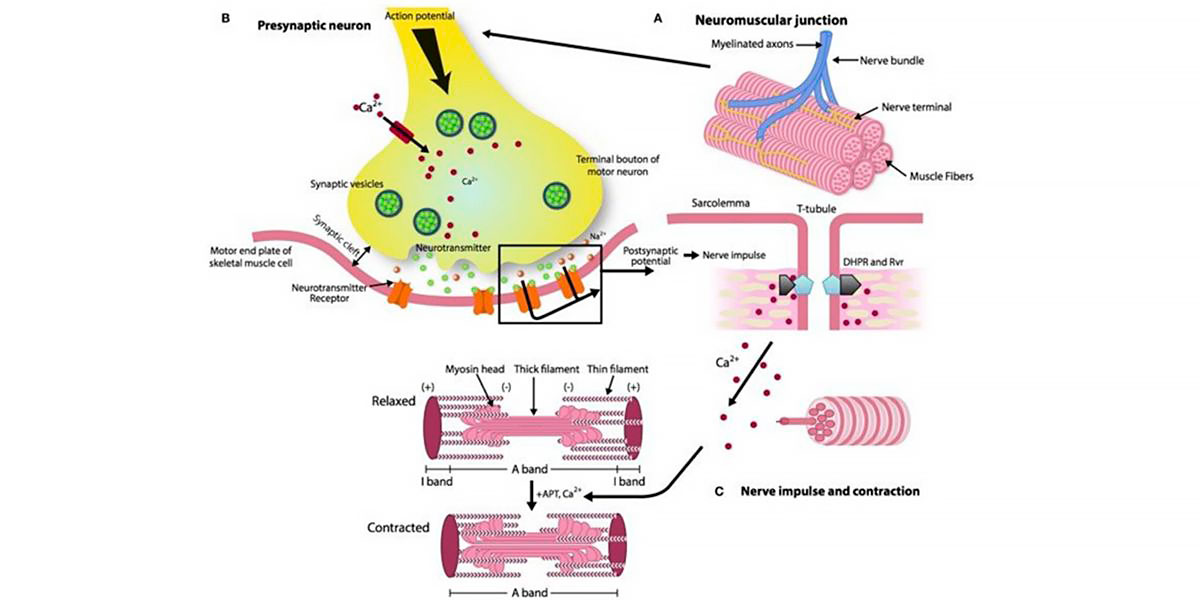
Graphic representation of the mechanism of muscle contraction, from nerve activation to mechanical outcome.
It would correspond to the moment where:
- The motoneurons innervating the muscle fibres are able to drive a higher discharge frequency and activate at a lower voltage threshold.
- The myocytes (muscle fibre cells) are able to release and pump calcium into the sarcoplasmic reticulum to free myosin coupling spaces in the actin filaments.
- The ATPase enzyme activity in myosin globular heads is higher and therefore the cross-bridge coupling is more intense.
Hormones
Our hormonal activity is optimal within a few hours of waking up.
Hormonal activity responds to these circadian rhythms, according to our schedules.
- Testosterone: The main androgenic profile anabolic hormone in the body, its maximum concentration is reached at around 9h in the morning.
- Cortisol: A peak of this glucocorticoid is synthesised first thing in the morning to facilitate the exit of nighttime sleep. It can help get ourselves switched on before workouts.
- Growth hormone: Its synthesis by the pituitary responds to pulses regulated by circadian rhythms. The most powerful pulse, and the one that responds to the most stable pattern in most people, is the morning pulse.
Exercises for the morning
In the morning on an empty stomach, taking into account the criterion of increased hormonal activity, especially in relation to the growth hormone, which has a powerful lipolytic action, together with the partial depletion of hepatic glycogen concentrations.
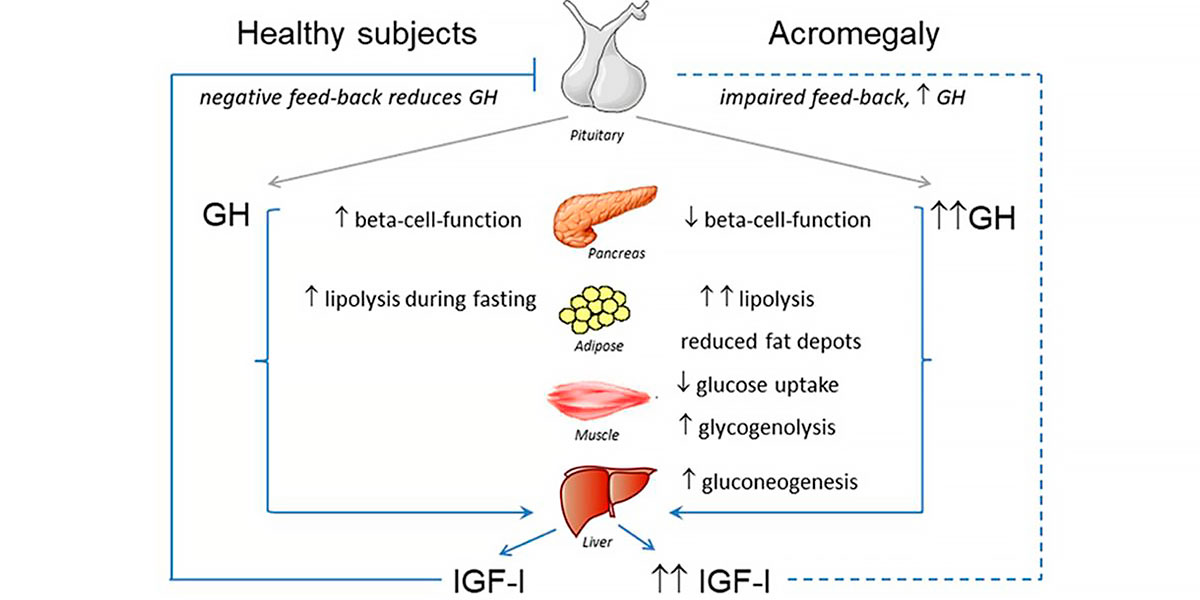
Effects of increased growth hormone synthesis.
Exercises for midday
At midday we can do any type of training as we’re in an intermediate period, where body temperature is moderate, as well as other variables of metabolic interest.

Athlete.
Exercises for the afternoon-evening
The afternoon-evening is when our neuromuscular function is at an optimal level and body temperature is higher.
Between 18 and 21h would be the ideal training time for:
- HIIT.
- CrossFit®
- Calisthenics.
- Bodybuilding.
- Powerlifting/Weightlifting.
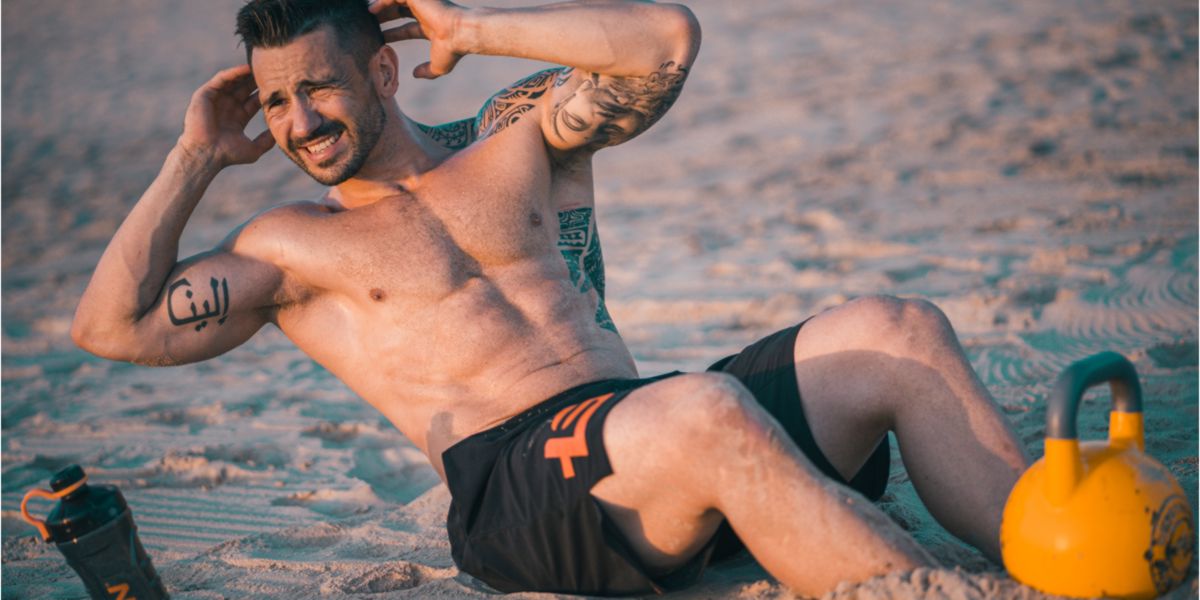
Training in the afternoon.
As it’s the time of day where we can generate more strength and the risk of injury is lower, making it one of the best times to train.
How long do you have to train for per day?
There is no set training time, and it’ll depend on:
- The type of activity performed.
- The training status of the athlete.
- The athlete’s goals.
- The type of session performed.
- The time of the season.

And many other training schedule variables that influence session length.
Bibliographic references
- Bird, S. P., & Tarpenning, K. M. (2004). Influence of Circadian Time Structure on Acute Hormonal Responses to a Single Bout of Heavy-Resistance Exercise in Weight-Trained Men. Chronobiology International, 21(1), 131–146.
- Burley, S. D., Whittingham-Dowd, J., Allen, J., Grosset, J. F., & Onambele-Pearson, G. L. (2016). The differential hormonal milieu of morning versus evening may have an impact on muscle Hypertrophic Potential. PLoS ONE, 11(9), e0161500.
- Chtourou, H., & Souissi, N. (2012). The effect of training at a specific time of day: A review. Journal of Strength and Conditioning Research, 26(7), 1984–2005.
- Hayes, L. D., Bickerstaff, G. F., & Baker, J. S. (2010). Interactions of cortisol, testosterone, and resistance training: Influence of circadian rhythms. Chronobiology International, 27(4), 675–705.
- Masri, S., & Sassone-Corsi, P. (2018). The emerging link between cancer, metabolism, and circadian rhythms. Nature Medicine, 24(12), 1795–1803.
- Shariat, A., Kargarfard, M., Danaee, M., & Tamrin, S. B. M. (2015). Intensive resistance exercise and circadian salivary testosterone concentrations among young male recreational lifters. Journal of Strength and Conditioning Research, 29(1), 151–158.
- Teo, W., Newton, M. J., & McGuigan, M. R. (2011). Circadian rhythms in exercise performance: Implications for hormonal and muscular adaptation. Journal of Sports Science and Medicine, 10(4), 600–606.
- Westerterp KR (2019). Control of Energy Expenditure in Humans. In: Feingold KR, Anawalt B, Boyce A, et al., editors. Endotext [Internet]. South Dartmouth (MA): MDText.com, Inc.; 2000-.
Related Entries
- Another interlinked question is the following: What should you eat before exercising? Our repsonse here.
- We give you 14 reasons to do weight training in this post.