Fitness, Nutrition, Health and Sports Blog In the HSNstore Blog you will find tips about Fitness, sport in general, nutrition, and health – HSNstore.com

- Vitamin B1 (thiamine) is essential for energy production and digestion of macronutrients in the body.
- It improves mood, concentration, memory and learning.
- Vitamin B1 helps to reduce high blood sugar levels and may be useful for diabetic patients.
Thiamine or vitamin B1 is an essential nutrient which belongs to the group of B vitamins, and has important properties, including the production of energy from ingested food.
B1 helps the body to convert food into energy.
Thiamine properties
Vitamin B1 is crucial for the production of certain neurotransmitters, steroids, amino acids, fatty acids and the body’s main antioxidant, glutathione.
- Energy production: B1 is involved in the metabolic process of turning carbohydrates into glucose (energy source) in addition to the digestion of the other macronutrients, proteins and fats. It is essential for the mitochondria (the cells’ power plants) to convert nutrients into ATP, which is the energy currency or fuel that the body needs to function effectively.
- It improves mood: maintaining the right levels of the vitamin increases well-being, sociability and general energy levels. A deficiency of this vitamin can cause concentration difficulties, mental fatigue and even depression.

It also improves cognitive factors such as attention span, learning and memory.
- It reduces high blood sugar levels: according to research, b1 helps to reduce hyperglycaemia after taking the vitamin for a period of 6 weeks. This may be of considerable benefit to diabetic patients.

Thiamine also plays a role in supporting eye and cardiovascular health.
Foods rich in thiamine
Since only plants, bacteria and fungi can synthesise, humans must obtain vitamin B1 (thiamine) from external food sources.
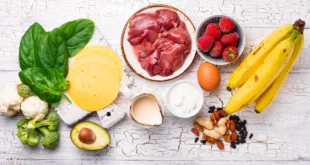
Important sources of thiamine include liver and other sources of entrails, meat, pork, poultry, fish, eggs, spirulina, legumes and seeds, nuts and whole grains such as brown rice and bran.
Table of foods rich in thiamine
| Food | Thiamine per 100g |
| Lean pork | 1,2mg |
| Bacon | 4,4mg |
| Serrano Ham | 0,7mg |
| Beef | 0,1mg |
| Chicken (breast) | 1,3mg |
| Liver (duck) | 0,6mg |
| Salmon | 0,2mg |
| Sardines | 0,1mg |
| Egg | 0,1mg |
| Flax Seeds | 1,6mg |
| Sunflower Seeds | 1,5mg |
| Brown Rice | 0,4mg |
| White beans | 0,2mg |
| Rice Bran | 2,8mg |
| Wheat Germ | 1,9mg |
| Kidney Beans | 0,4mg |
| Corn Flour | 1,4mg |
| Oat Bran | 1,2mg |
| Spirulina (dried) | 2,4mg |
*Source: https://nutritiondata.self.com/
Supplements containing thiamine
HSN offers the following products containing thiamine (vitamin B1):

B-50 Complex by EssentialSeries.

Ultra B-Complex by EssentialSeries.
An ideal “combo”: Thiamine and Magnesium
Magnesium is necessary for thiamine to function in the nervous system and produce ATP from glucose. Magnesium and vitamin B1 therefore work synergistically and both must be present to optimise energy metabolism, the digestive system, and hundreds of essential functions in the body.
Recommendations for good absorption
If you want to promote the uptake, it is advisable to:
- Reduce or cut down on alcohol and sugar.
- Bear in mind that tea, especially after meals, reduces the absorption of b1 due to the presence of tannins.
- Preparation methods are important to ensure thiamine sufficiency: in this case, cooking time and heat treatment of food cause considerable losses of thiamine.
Related Entries
- Vitamins and Minerals to reduce fatigue! Click on the link.