Fitness, Nutrition, Health and Sports Blog In the HSNstore Blog you will find tips about Fitness, sport in general, nutrition, and health – HSNstore.com

Vitamin B12 (cobalamin) is the invisible engine behind our energy and cognitive health. It’s mainly stored in the liver and kidneys, which gives the body reserves but also means that low levels can go unnoticed for months.
If you start feeling unusual fatigue, lack of focus, or slight tingling in your hands, you might be seeing the first warning signs.
- Medically, a vitamin B12 deficiency is considered when blood levels drop below 200 pg/mL (picograms per milliliter).
How to know if your vitamin B12 is low?
This nutrient is key for nervous system health and red blood cell formation. When levels drop, oxygen transport becomes inefficient, sending clear signals throughout the body.
Don’t ignore these common symptoms:
- Exhaustion: chronic fatigue, muscle weakness, or lack of motivation (apathy).
- Neurological issues: numbness, cold sensations, or tingling in feet and hands.
- Cognitive ability: mental confusion, memory lapses, disorientation, or slow reflexes.
- Physical signs: paleness or yellowish skin tone (mild jaundice), tongue pain, or mouth ulcers.
- Mood changes: sudden mood swings or irritability.
- Cardiovascular alert: shortness of breath with minimal effort or chest pain.
Main causes of vitamin B12 deficiency
Lack of this nutrient isn’t usually due to just one reason; it’s often a mix of dietary and absorption factors:
- Poor digestive absorption: as we age, the stomach produces less hydrochloric acid, which is needed to separate B12 from proteins.
- Medication use: long-term use of antacids or stomach protectors makes absorption harder.
- Insufficient diet: eating low amounts of animal products without proper supplementation.
- Lifestyle: excessive coffee and alcohol intake can negatively affect optimal vitamin levels.

Consequences of a prolonged deficiency
Ignoring low B12 levels can trigger serious conditions that sometimes become chronic:
- Pernicious anemia: a condition where the body can’t produce enough healthy red blood cells.
- Cognitive decline: higher risk of dementia, Alzheimer’s, and depression.
- Cardiovascular health: increased homocysteine in the blood, an amino acid linked to heart attacks and strokes.
- Nervous system disorders: damage to the myelin sheath that protects nerves.
Can it be prevented?
To keep vitamin B12 levels in check, it’s recommended to eat foods like meat, fish, eggs, and dairy, and boost folic acid in your diet.
When diet alone doesn’t provide enough B12, HSN’s vitamin B12 supplements can be a solid option. Just remember to check with a pro before starting supplements and cut back on alcohol to improve absorption.
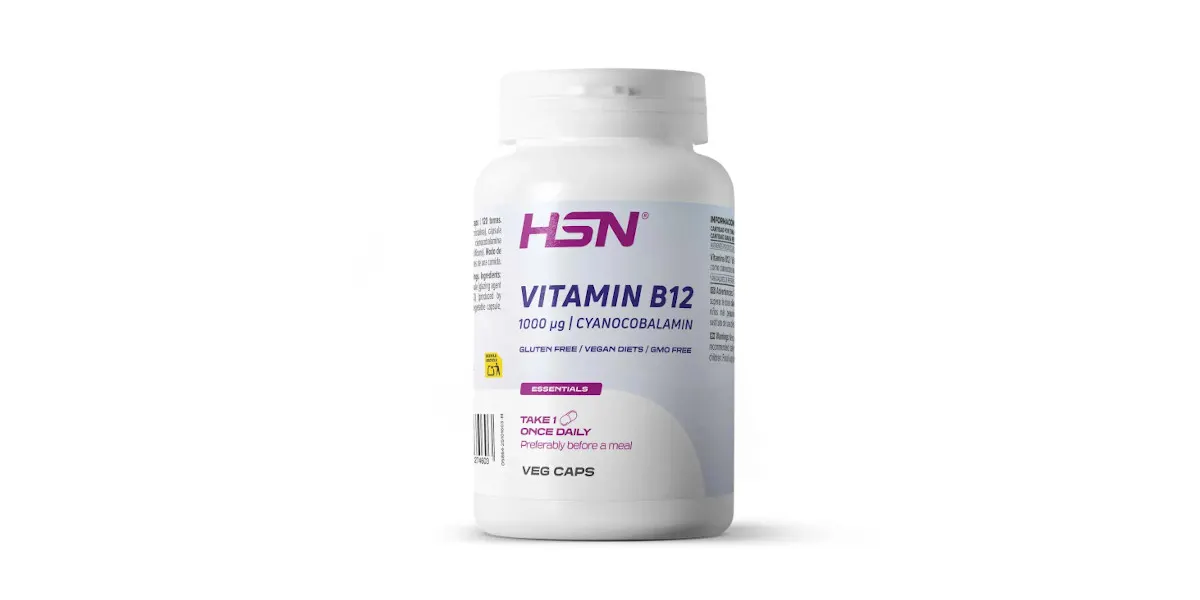
High-concentration vitamin B12 capsules
Related Posts
- Should vegetarians and vegans take vitamin B12 supplements?
- Main symptoms of vitamin B12 excess
- What’s your ideal B12 supplement?
- Supplement guide to regulate homocysteine
Bibliographic Sources
- MedlinePlus
- Martinez Estrada KM, Cadabal Rodriguez T, Miguens Blanco I, García Méndez L. [Neurological signs due to isolated vitamin B12 deficiency]. Semergen. 2013 Jul-Aug;39(5):e8-11. doi: 10.1016/j.semerg.2012.06.006. Epub 2012 Aug 11.
- Rodríguez de Santiago E, Ferre Aracil C, García García de Paredes A, Moreira Vicente VF. Pernicious anemia. From past to present. Rev Clin Esp. 2015 Jun-Jul;215(5):276-84. doi: 10.1016/j.rce.2014.12.013. Epub 2015 Feb 11.