Fitness, Nutrition, Health and Sports Blog In the HSNstore Blog you will find tips about Fitness, sport in general, nutrition, and health – HSNstore.com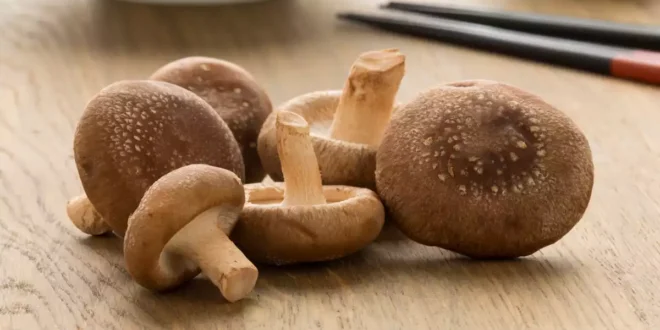

The shiitake mushroom (Lentinula edodes), traditionally known in Asia as the “mushroom of life”, has become one of the most highly valued ingredients in both global cuisine and the field of sports and functional nutrition.
Its abundance of polysaccharides and nutrients makes it a food with enormous potential. However, to make the most of all its biological properties, it is essential to understand not only its benefits, but also its contraindications and the correct way to consume it.
Below, we take an in-depth look at what this mushroom provides to the body and the precautions you should bear in mind.
What is the Shiitake Mushroom and Where Does It Come From?
Shiitake is the second most widely consumed edible mushroom in the world, surpassed only by the common button mushroom. It grows naturally on the trunks of hardwood trees, such as oak, eucalyptus and holm oak, in regions with warm and humid climates.
Its use has been documented in China and Japan for more than 2,000 years. In traditional Eastern medicine, it was used with the aim of supporting the immune system, promoting longevity and maintaining gastrointestinal balance. Today, modern science is actively investigating compounds isolated from this mushroom for their biological properties.
Nutritional Value of Shiitake
Shiitake stands out as an excellent source of high-quality protein (containing all 9 essential amino acids), vitamins and digestive enzymes.
Approximate nutritional composition (per 100g of fresh mushroom):
| Nutrient | Amount |
| Calories | 34 kcal |
| Protein | 2.2 g |
| Carbohydrates | 6.8 g (2.4 g sugars) |
| Fiber | 2.5 g |
| Fat | 0.5 g |
| Key micronutrients | Phosphorus (112mg), Potassium (304mg), Magnesium (20mg), Niacin and Vitamin D |
It also provides key bioactive compounds such as linoleic acid, ergosterol (a precursor of vitamin D) and lentinan (a beta-glucan polysaccharide that has been the subject of numerous studies).
Main Benefits and Properties
Regular consumption of shiitake, whether through the diet or through standardized extracts in food supplements, is associated with several research-backed benefits:
1 Supports the Immune System
The beta-glucans in shiitake, particularly lentinan, help support the body’s immune response. A study published in the Journal of the American College of Nutrition (2015) evaluated 52 healthy adults over four weeks. The results suggested that daily shiitake consumption improved cell effector function and gut immunity, while also reducing certain inflammatory markers.
2 Cardiovascular Health
The presence of compounds such as eritadenine and plant sterols may support cardiovascular health. These phytonutrients interfere with hepatic cholesterol production and help prevent plaque buildup on blood vessel walls, contributing to the maintenance of normal circulation.
3 Antimicrobial Properties
Various studies point to the antimicrobial potential of shiitake. In 2011, the UCL Eastman Dental Institute in London evaluated the use of shiitake extract against the microbial biofilm responsible for gingivitis. The results showed a reduction in certain pathogenic organisms in the oral cavity, without affecting beneficial bacteria associated with dental health.
4 Metabolism and Energy
As a rich source of B vitamins (such as niacin and riboflavin), shiitake contributes to normal energy metabolism, helping to convert food into usable energy. This makes it particularly interesting for athletes and people with high levels of physical exertion.
Contraindications and Side Effects of Shiitake Mushrooms
Although shiitake is a safe food for the vast majority of people, excessive intake or consumption in its raw state may cause adverse effects in sensitive individuals. It is essential to be aware of these contraindications:
1 Shiitake Dermatitis (Toxicoderma)
One of the most widely documented side effects is “shiitake dermatitis”. This skin condition only occurs when the mushroom is eaten raw or insufficiently cooked. It appears 48 to 72 hours after consumption as reddish, scratch-like rashes on the torso, arms or neck, accompanied by intense itching. It disappears after a few days without leaving scars and is believed to be a reaction to the polysaccharide lentinan in its raw state.
2 Changes in Uric Acid Levels (Gout)
Like many mushrooms, shiitake contains moderate amounts of purines. In the body, purines are broken down into uric acid. People prone to high uric acid levels or who have been diagnosed with gout should strictly moderate their consumption to help prevent flare-ups.
3 Interaction with Anticoagulants
The polysaccharide lentinan may cause a slight reduction in blood platelet adhesion. For this reason, people undergoing treatment with anticoagulant medications should consult a healthcare professional before incorporating large amounts of shiitake into their diet.
4 Pregnancy, Breastfeeding and Gastrointestinal Problems
Due to the lack of conclusive scientific evidence regarding its clinical safety at high doses during pregnancy and breastfeeding, extra caution is recommended and a doctor should be consulted. Likewise, suddenly consuming large quantities of this mushroom may result in mild gastrointestinal discomfort or episodes of diarrhea.
How to Consume Shiitake Safely
To enjoy the benefits of Lentinula edodes while eliminating the risk of toxicoderma, the golden rule is to always cook them thoroughly when purchased fresh (steamed, sautéed, in soups or stews). If you choose to consume them naturally as part of your diet, experts recommend limiting intake to one or two times per week in reasonable portions.
For those seeking precise dosing and greater convenience, it is possible to choose food supplements containing shiitake extract. These products generally undergo standardization and quality-control processes that safely isolate the active compounds.
Remember to always consult your healthcare professional before starting any new food supplements.
Bibliographic References
- Sugiyama K, Akachi T, Yamakawa A. Hypocholesterolemic action of eritadenine is mediated by a modification of hepatic phospholipid metabolism in rats. 1995 Aug;125(8):2134-44.
- Hirasawa M, Shouji N, Neta T, Fukushima K, Takada K. Three kinds of antibacterial substances from Lentinus edodes (Berk.) Sing. (Shiitake, an edible mushroom). Int J Antimicrob Agents. 1999 Feb;11(2):151-7.
- Xu X, Yang J, Ning Z, Zhang X. Lentinula edodes-derived polysaccharide rejuvenates mice in terms of immune responses and gut microbiota. Food Funct. 2015 Aug;6(8):2653-63. doi: 10.1039/c5fo00689a. Epub 2015 Jul 2.
- Vieira AT, Teixeira MM, Martins FS. The role of probiotics and prebiotics in inducing gut immunity. Front Immunol. 2013 Dec 12;4:445. doi: 10.3389/fimmu.2013.00445.
- Dai X, Stanilka JM, Rowe CA, Esteves EA, Nieves C Jr, Spaiser SJ, Christman MC, Langkamp-Henken B, Percival SS. Consuming Lentinula edodes (Shiitake) Mushrooms Daily Improves Human Immunity: A Randomized Dietary Intervention in Healthy Young Adults. J Am Coll Nutr. 2015;34(6):478-87. doi: 10.1080/07315724.2014.950391. Epub 2015 Apr 11.
Related Posts
- Benefits and properties of Lion's Mane mushroom
- Properties of Maitake mushroom
- What makes Cordyceps mushroom so special?