Fitness, Nutrition, Health and Sports Blog In the HSNstore Blog you will find tips about Fitness, sport in general, nutrition, and health – HSNstore.com

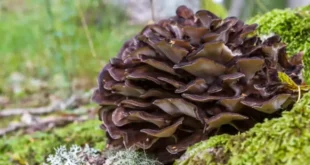
Lion’s Mane, or Hericium erinaceus, is a culinary and medicinal mushroom known for its unique appearance, resembling a lion’s mane. Native to Southeast Europe and Asia, it has gained worldwide popularity, especially in traditional Chinese and Japanese medicine, where it is known as Yamabushitake.
This mushroom is not only used in cooking but has also gained recognition in modern medicine for its therapeutic benefits, supported by scientific studies. In this article, you’ll discover the key nutrients and health benefits Lion’s Mane can offer.
1 Neuroprotective and Cognitive Benefits
Lion’s Mane has shown significant bioactivity linked to the prevention of dementia, including the stimulation of NGF (Nerve Growth Factor) synthesis – a neurological marker inversely related to the development of neurodegenerative diseases.
It also:
- Reduces stress caused by Beta-amyloid peptides on neuronal endoplasmic reticula.
- Promotes the survival, repair, and proliferation of neurons, mainly through the NGF-related mechanism.
Hericenones and various types of polysaccharides naturally found in Lion’s Mane can stimulate NGF synthesis – the first natural compounds known to do so (Kawagishi, 2018).

2 Mood Enhancement
Lion’s Mane has been successfully used in both preclinical and clinical trials to enhance mood.
The mechanisms behind these effects are still under investigation, as depressive and pseudo-depressive disorders are complex and not yet fully understood.
Some of the explanations supporting the effectiveness of Lion’s Mane extract include:
- Enhanced neurogenesis (linked to the creation of neurons).
- Stimulation of neurotrophic factors (which support neuronal survival).
- Monoaminergic modulation (increasing synthesis or sensitivity of catecholamines).
- Anti-inflammatory effects (reducing interleukin-6 and tumour necrosis factor-alpha levels).
All of which may contribute to improving symptoms of subclinical depression and optimising general mood (Chong et al., 2020).
3 Immune System Support
The polysaccharides in Lion’s Mane are typical fungal compounds with proven benefits for enhancing acquired immunity.
The immunomodulatory effects of Lion’s Mane extract are mediated through lymphocyte proliferation, haemolysin levels, increased phagocytic capacity, and NK cell (Natural Killer) activity, among others (Sheng et al., 2017).
These findings are preclinical, meaning further research is required in humans. However, the polysaccharides found in mushrooms like Lion’s Mane already have significant studies confirming their positive effects on infection resistance through immune system reinforcement.

4 Supports Gastrointestinal Health
Lion’s Mane offers interesting digestive health benefits, as several of its natural, non-pharmaceutical active compounds have long been associated with improving gastrointestinal disorders in traditional use across China and other Asian countries.
Numerous preclinical studies have demonstrated its anti-inflammatory and antineoplastic potential, being able to:
- Provide gastroprotective effects and repair gastric mucosal damage.
- Help combat Helicobacter Pylori infections and support prevention.
- Act as a protective agent within a healthy lifestyle against gastric cancer development.
Lion’s Mane extract could have beneficial effects in cases such as ulcerative colitis or Crohn’s disease (manifestations of inflammatory bowel syndromes), as well as colonic diverticulitis and irritable bowel syndrome.
Further human studies are needed to accurately assess the full extent of these effects. However, this may partly explain why Lion’s Mane can improve mood, through its interaction with the gut-brain axis (Gravina et al., 2023).
5 Cellular Protection
Lion’s Mane is rich in polyphenols and has ferric reducing potential, confirming its antioxidant power as a free radical (ROS) scavenger. In preclinical studies, its polysaccharides increased endogenous antioxidant enzyme activity and reduced lipid peroxidation (Khan et al., 2013).
What does this mean?
It means Lion’s Mane has protective potential for our cells and DNA, possibly helping prevent erratic mutations, cellular apoptosis, and other internal defects caused by chronic oxidative stress, which can lead to future disease.
It’s therefore an excellent complement to well-known antioxidants like vitamin C, resveratrol, or quercetin – especially for mountaineers, endurance athletes, factory workers exposed to aerosols, and people with high sun exposure (e.g., construction workers).
6 Supports Cardiovascular Health
Lion’s Mane contains compounds that have not yet been specifically identified (which is why the mushroom itself is considered to possess the following positive effects), and these can act on various levels of the cardiovascular system, enhancing its function.
Firstly, in vitro studies show that Lion’s Mane inhibits the oxidation of LDL cholesterol, a harmful process that contributes to atherosclerosis and plaque build-up, increasing cardiovascular risk.
Secondly, it can reduce the activity of the HMG-CoA reductase enzyme (Rahman et al., 2014), which is involved in the conversion of HMG-CoA into Mevalonic Acid – the same pathway targeted by statins to lower cholesterol (a coronary risk factor).
Lion’s Mane works on the same biological level as statins, and upcoming studies will determine its potency and viability as a complementary treatment for hypercholesterolemia and cardiovascular risk.
How to Use Lion’s Mane Mushroom
Lion’s Mane can be cultivated (or purchased) for consumption as a food, as it is an edible mushroom with a meat-like texture and a moderately umami flavour.
However, as with other foods, this way of using it is ideal for enjoying a satisfying ingredient that is also considered ‘healthy’ due to its nutritional composition.
But when it comes to using it for more specific nutritional purposes (like those mentioned above), it’s not the most effective approach. After all, how much of the important compounds, such as polyphenols, are you actually consuming?
Well, it’s unclear, because the mushroom as a food is not standardised in its bioactive components, meaning its content can vary depending on factors like light exposure, soil quality, humidity, and many other variables that may negatively impact its properties.
To use Lion’s Mane for nutritional purposes, it’s better to opt for the HSN extract, which is 15 times more concentrated, and has a guaranteed polysaccharide content of 50%, so you know exactly what you’re taking and can tailor it to your needs.
Lion’s Mane Extract (15:1) 300mg by Myco Nutrition
Side Effects of Lion’s Mane
Lion’s Mane is a commonly consumed mushroom, and its fruiting body is considered safe as a traditional food.
No adverse effects from its consumption are known. In fact, there are virtually no clinical cases (of hospitalisation while consuming Lion’s Mane with an investigated link to the product), making it a very safe compound.
During pregnancy, breastfeeding, or if you have specific medical conditions or are on medication, it’s advisable to consult your doctor.
Conclusion
- Lion’s Mane is an edible mushroom with a rich natural nutritional profile.
- Its most notable properties include: neurostimulant, neuroprotective, antioxidant, cardioprotective, cholesterol-lowering, and immune-boosting effects.
- Most research on its functional properties is preclinical, so more data on its human effects will likely emerge in coming years.
- Using standardised extracts is recommended to make the most of the mushroom’s functional benefits.
- The fruiting body of Lion’s Mane is safe with no reported adverse effects.
References
- Chong, P. S., Fung, M. L., Wong, K. H., & Lim, L. W. (2020). Therapeutic potential of Hericium erinaceus for depressive disorder. International Journal of Molecular Sciences, 21(1). https://doi.org/10.3390/ijms21010163
- Gravina, A. G., et al. (2023). Hericium erinaceus: Evidence in gastrointestinal diseases. World Journal of Gastroenterology, 29(20), 3048–3065. https://doi.org/10.3748/wjg.v29.i20.3048
- Kawagishi, H. (2018). Biologically Functional Compounds From Mushroom-Forming Fungi. In Natural Products and Drug Discovery (pp. 309–326). https://doi.org/10.1016/B978-0-08-102081-4.00011-3
- Khan, M. A., et al. (2013). Hericium erinaceus: An edible mushroom with medicinal values. Journal of Complementary and Integrative Medicine, 10(1). https://doi.org/10.1515/jcim-2013-0001
- Sheng, X., et al. (2017). Immunomodulatory effects of Hericium erinaceus polysaccharides. Food and Function, 8(3), 1020–1027. https://doi.org/10.1039/c7fo00071e
Related Posts
- Shiitake Mushroom: Properties and Benefits
- What Makes Cordyceps Mushroom So Special?
- Discover the Amazing Benefits of Kombucha Here
- Olive Leaves: An Underrated Health Ally