Fitness, Nutrition, Health and Sports Blog In the HSNstore Blog you will find tips about Fitness, sport in general, nutrition, and health – HSNstore.com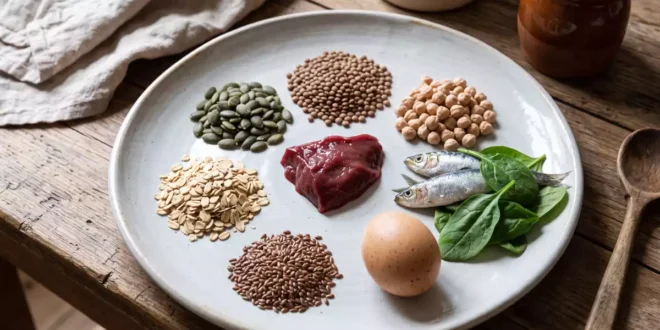

Knowing which foods contain iron is essential for helping prevent persistent fatigue, tiredness and iron-deficiency anaemia. This essential mineral is responsible for producing haemoglobin and transporting oxygen to every cell in your body. However, when planning your diet, the amount of iron a food contains is not the only factor that matters: the type of iron is equally important.
Heme Iron vs. Non-Heme Iron: Which Is Better Absorbed?
There are two main dietary sources of iron, and your body does not process them in the same way:
- Heme iron (animal sources): This is the most bioavailable form. It is readily absorbed (approximately 15–35%), and its absorption is relatively unaffected by other foods consumed in the same meal.
- Non-heme iron (plant sources): Found in legumes, grains and vegetables. Its absorption rate is much lower (approximately 2–10%) and is highly sensitive to inhibitory compounds, such as tannins in tea and phytates in whole grains.
Comparison Table of the 15 Foods Highest in Iron
| FOOD | APPROX. IRON PER 100 G | TYPE OF IRON | NUTRITIONAL TIP |
| Clams and cockles | Highly variable; some canned products contain over 20 mg | Heme and non-heme | Check the species and product format. |
| Blood sausage | Variable; may exceed 10 mg | Heme and non-heme | Consume occasionally, considering its overall nutritional composition. |
| Dark chocolate (70–85% cocoa) | Approx. 8–12 mg | Non-heme | Consider typical serving sizes and its polyphenol content. |
| Pork liver | Approx. 13–18 mg | Heme and non-heme | Also provides vitamin B12; avoid during pregnancy because of its preformed vitamin A content. |
| Pumpkin seeds | Approx. 8–9 mg | Non-heme | Add them to salads, soups or breakfast dishes. |
| Chia seeds | Approx. 7–8 mg | Non-heme | Combine with vitamin C-rich fruit. |
| Dried lentils | Approx. 6–8 mg | Non-heme | Serve with red peppers or citrus fruit. |
| Oysters and mussels | Variable; approx. 3–7 mg | Heme and non-heme | They also provide protein and zinc. |
| Firm tofu | Approx. 2–5 mg | Non-heme | Iron content depends on the manufacturing process and coagulant used. |
| Rolled oats | Approx. 4–5 mg | Non-heme | Combine with kiwi, strawberries or citrus fruit. |
| Uncooked quinoa | Approx. 4–5 mg | Non-heme | Provides plant protein and fibre. |
| Spinach | Approx. 2–3 mg | Non-heme | Its oxalate content limits iron absorption. |
| Sardines | Approx. 2–3 mg | Heme and non-heme | They also provide omega-3 fatty acids. |
| Beef | Approx. 2–3 mg | Heme and non-heme | A source of bioavailable iron, protein and vitamin B12. |
| Egg yolk | Approx. 5–7 mg | Mainly non-heme | Iron absorption is limited; values refer to 100 g of egg yolk. |
Next, let’s explore iron-rich foods according to their source.
7 Animal-Based Sources of Iron
If you eat animal products, these foods can help maintain healthy ferritin stores:
- Clams, cockles and wedge clams: These are outstanding seafood sources of iron. They can provide up to 24 mg of iron per 100 g, far exceeding most meats.
- Liver (beef or pork): A traditional food associated with preventing iron deficiency. In addition to providing around 8–10 mg of iron, liver is an excellent source of vitamin B12 and folate.
- Blood sausage / blood: Made with coagulated blood, it provides highly bioavailable heme iron (approximately 14 mg per 100 g).
- Beef and ox meat: Lean red meat provides approximately 2–3 mg of readily absorbed iron. It is a staple in sports nutrition to help replenish iron losses associated with red blood cell breakdown after exercise.
- Mussels and oysters: A serving of mussels can supply a substantial proportion of your daily iron requirements, while also being relatively low in calories.
- Egg yolk: Eggs are highly nutritious. Although the white is primarily a source of protein, the yolk contains most of the egg’s iron, with approximately 2.7 mg per 100 g.
- Sardines and anchovies: These oily fish provide omega-3 fatty acids as well as a useful amount of iron and zinc.
8 Plant-Based Sources of Iron
For vegans, vegetarians or anyone looking to reduce their meat intake, these are some of the best plant-based sources. Remember to pair them with vitamin C to improve iron absorption.
- Spinach and Swiss chard: Popularised by Popeye, dark green leafy vegetables are excellent nutritional choices. They provide around 4 mg of iron, although they also contain oxalates that can partially hinder absorption.
- Lentils and chickpeas: Legumes are a cornerstone of the Mediterranean diet. To make better use of their approximately 7 mg of iron per 100 g (uncooked), serve them with a splash of vinegar or raw red pepper.
- Pumpkin seeds: A great snack. They provide iron and are also rich in magnesium and healthy fats.
- Quinoa: This pseudocereal is not only rich in iron (almost 5 mg per cup), but also provides complete plant protein.
- Tofu and tempeh: These soy-based foods, made by coagulation or fermentation, provide minerals and are important protein sources in plant-based diets.
- Chia and flaxseeds: Perfect for adding to yoghurt or oatmeal.
- Oats: A fitness breakfast favourite that contributes iron to your daily intake, along with satiating fibre.
- Dark chocolate (at least 70% cocoa): A tasty treat that provides antioxidants and up to 11 mg of iron per 100 g.
Which Foods Contain More Iron: Lentils or Meat?
Dried lentils can contain more iron per 100 g than certain types of meat. However, having a higher iron content does not necessarily mean that your body can absorb more of it.
Lentils contain non-heme iron, whose absorption depends on various dietary factors. Meat, on the other hand, provides a proportion of heme iron, which is generally more bioavailable.
Furthermore, lentils absorb water during cooking, so their iron concentration per 100 g decreases compared with the dry product.
For this reason, when comparing foods, it is important to consider their iron content alongside typical serving sizes and iron bioavailability.
How Can You Increase Iron Absorption at Mealtimes?
Combining foods can significantly influence how well iron is absorbed, particularly when it comes from plant-based sources.
- Combine plant-based iron sources with vitamin C: Add red pepper to lentils, serve oats with kiwi or squeeze lemon over your salads. Vitamin C helps improve the absorption of non-heme iron.
- Avoid drinking tea or coffee with iron-rich meals: Their polyphenols can reduce non-heme iron absorption. If you want to optimise iron uptake, consider drinking these beverages between meals.
- Use techniques such as soaking, sprouting or fermentation: These methods can reduce phytates in certain plant foods and improve iron availability.
- Pay attention to calcium intake and timing: High amounts of calcium may interfere with iron absorption when consumed in the same meal. You do not need to eliminate dairy products from your diet, but it may be advisable to separate calcium and iron supplements when recommended by a healthcare professional.
What Should You Do If Your Diet Is Not Enough?
During life stages when iron requirements are higher (such as pregnancy or heavy menstrual bleeding), among endurance athletes, or when digestive issues limit your diet, maintaining adequate iron levels through food alone can be challenging.
If blood tests show low ferritin levels, your doctor may recommend an iron supplement. A traditional drawback of pharmaceutical iron supplements, particularly ferrous sulphate, is that they can cause significant stomach discomfort and constipation.
At HSN, we have addressed this issue by developing next-generation iron supplements designed to provide high bioavailability with no digestive discomfort:
- Iron Bisglycinate (Ferrochel®): iron chelated with amino acids, designed to be gentle on the stomach.
- Liposomal Iron: protected by a lipid layer that helps it pass through the stomach intact before being released in the intestine.
- Hemo Care: our most comprehensive formula, including key cofactors (vitamin C, vitamin B12 and folic acid) involved in haemoglobin production.
Related articles
- What Is Iron Used For and What Are Its Benefits?
- Iron Supplementation for Athletes
- How and When to Take Vitamin C to Improve Absorption