 Fitness, Nutrition, Health and Sports Blog In the HSNstore Blog you will find tips about Fitness, sport in general, nutrition, and health – HSNstore.com

- Taking vitamin C correctly can help you maximise its health benefits, which include supporting the immune system, providing antioxidant protection, and improving iron absorption, among others.
- The recommended daily amount of vitamin C for adults is 65 to 90 milligrams (mg) per day. However, the dose may vary depending on your individual needs, so it’s advisable to consult with a healthcare professional.
Here are some tips on how to take vitamin C:
What is the Ideal Recommended Dosage?
The minimum recommended dose of vitamin C is shown in the table below, which is estimated as the minimum amount needed to prevent a deficiency disease.
However, the ideal dosage can vary depending on your individual needs and is generally considered to be higher than the minimum guidelines, so it’s advisable to consult with a healthcare professional.
| Age | Male | Female | Pregnancy | Lactation |
| 0-6 months | 40mg | 40mg | ||
| 7-12 months | 50mg | 50mg | ||
| 1-3 years | 15mg | 15mg | ||
| 4-8 years | 25mg | 25mg | ||
| 9-13 years | 45mg | 45mg | ||
| 14-18 years | 75mg | 65mg | 80mg | 115mg |
| >19 years | 90mg | 75mg | 85mg | 120mg |
| Smokers (and passive smokers) | Should add +35mg to base requirements | |||
- Individuals with medical conditions that cause poor nutrient absorption may need to increase their daily intake (we recommend consulting your doctor in such cases).
- Athletes and Sportspeople (especially endurance athletes) may require higher doses than the general population to optimise recovery, immunity, and performance, reaching higher doses.

What is the Best Time of Day to Take Vitamin C?
The ‘best time of day’ to take vitamin C really depends on your daily routine and how your body responds to food supplements.
However, there are some points to consider that can help you decide:
- Consistency: The most important thing is to take vitamin C consistently. If you find a time of day when you can regularly remember to take it, that might be the best time for you.
- With meals: Taking vitamin C with food can help improve its absorption, especially if your diet includes iron-rich foods. Additionally, for some people, taking vitamin C on an empty stomach may cause stomach discomfort, so taking it with food might be more comfortable.
- Spread out throughout the day: Vitamin C is water-soluble, and the body doesn’t store large amounts. Taking it in divided doses (e.g., morning and afternoon) can maintain more consistent levels in the body than taking it all at once.
- Before bed: Some people prefer to avoid taking vitamin C right before bed, as it can increase energy in some cases, potentially interfering with sleep. However, this isn’t a universal rule and depends on how it affects you personally.
- Listen to your body: Pay attention to how you feel when taking vitamin C at different times of the day. If you notice any digestive discomfort or other side effects, it might be helpful to change the time you take it.
When to Take Vitamin C
We recommend taking Vitamin C with meals, at any time of day, and adjusting the dose as needed. This will help you avoid potential stomach discomfort if you’re particularly sensitive to ascorbic acid.
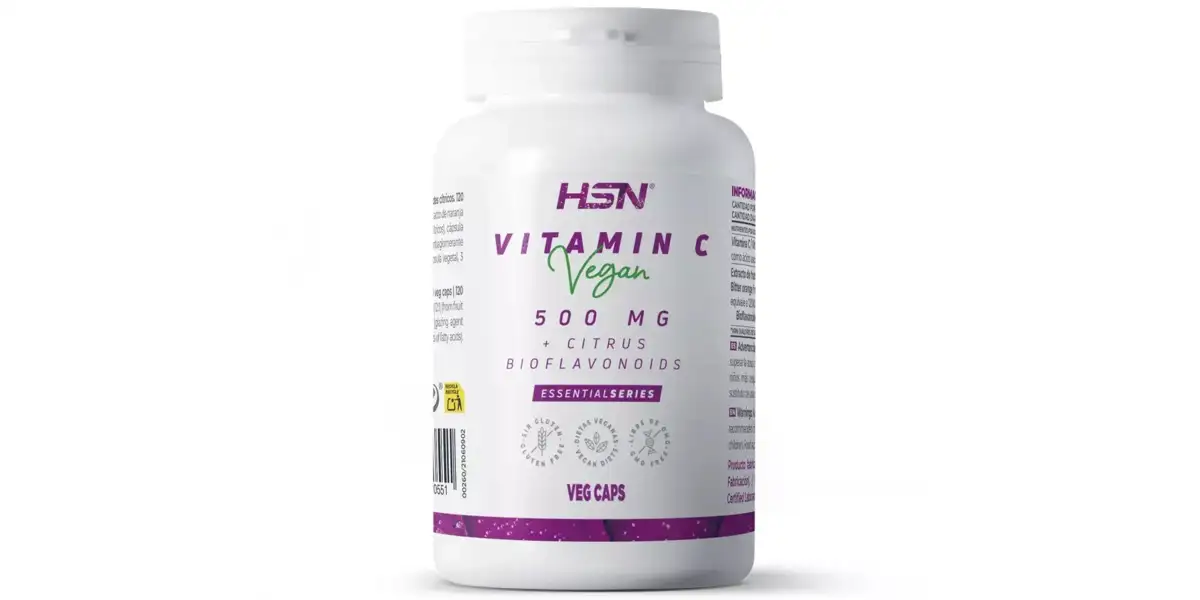
Vitamin C 500mg + Citrus Bioflavonoids
Conclusions
Finally, here’s a summary of the key points for effective and safe vitamin C supplementation:
- Determine the right dosage: The recommended daily amount of vitamin C for adults is 65 to 90 milligrams (mg) per day. However, the dose may vary depending on your individual needs, so it’s advisable to consult with a healthcare professional.
- Consider the form of vitamin C: Vitamin C is available in various forms, including tablets, capsules, or powder. The choice depends on your personal preference.
- Take vitamin C with food: Taking vitamin C with food can help minimise stomach discomfort, which may occur if taken on an empty stomach in some people.
- Spread out the dose throughout the day: If you’re taking high doses of vitamin C, consider dividing it into two or three doses throughout the day to improve absorption and minimise potential side effects, such as digestive issues.
- Choose the best time of day: There is no ‘best time’ to take vitamin C, as it can be taken at any time of day. However, taking it at the same time every day can help establish a routine and ensure consistent intake.
- Consider your food needs: Vitamin C can also be obtained through diet, especially from fresh fruits and vegetables like citrus fruits, peppers, broccoli, strawberries, and kiwis. Make sure to include these sources in your diet.
References
- https://ods.od.nih.gov/factsheets/VitaminC-HealthProfessional/
Related Posts