Fitness, Nutrition, Health and Sports Blog In the HSNstore Blog you will find tips about Fitness, sport in general, nutrition, and health – HSNstore.com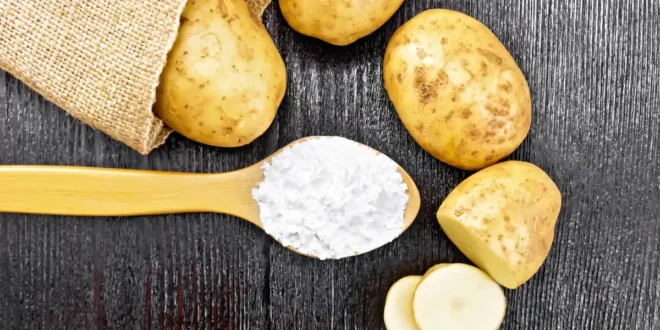

Resistant Starch is a type of carbohydrate that due to its molecular structure presents a series of interesting properties and health benefits
It seems that when we talk about carbohydrates the alarms go off, because this macronutrient has been catalogued as the “bad guy” in many cases and pathologies.
However, this unfounded fact rather addresses subjective habits and needs, so that as in most situations, excesses or extremes do not work.
What is Starch?
Starch is a complex carbohydrate, i.e. a multitude of glucose units linked by glycosidic bonds.
It is found in the plant kingdom and is the source of energy for plants.
Among the most widely used sources of starch are potatoes, wheat and corn
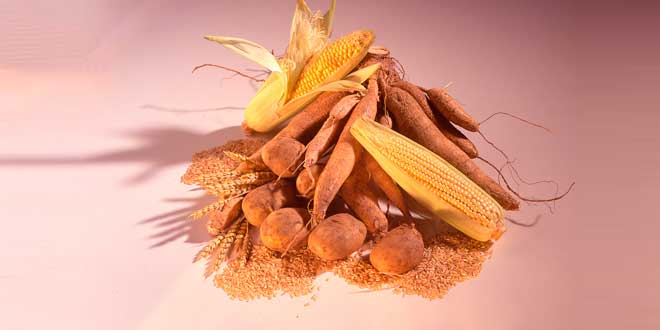
Our body stores the energy from these sources in the form of glycogen. It is used to a greater extent in intense physical activities
What is Fibre?
Fibre is another element that has certain digestive properties. In particular, it cannot be digested by the enzymes in our stomach and subsequently absorbed as glucose.
It passes through the intestine and assists in gastrointestinal movements.
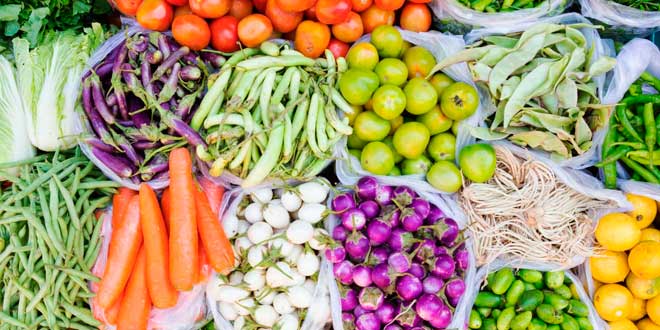
There are two types: soluble and insoluble fibre
What is Resistant Starch?
It is a type of starch that is not digested in the stomach or small intestine, it reaches the colon intact.
The term “resistant” is due to the fact that it resists the digestive process
Among its properties is that it does not raise blood sugar (it does not generate “insulin peaks”). In addition to nourishing our intestinal flora, it reduces appetite and contributes to improving health in general.
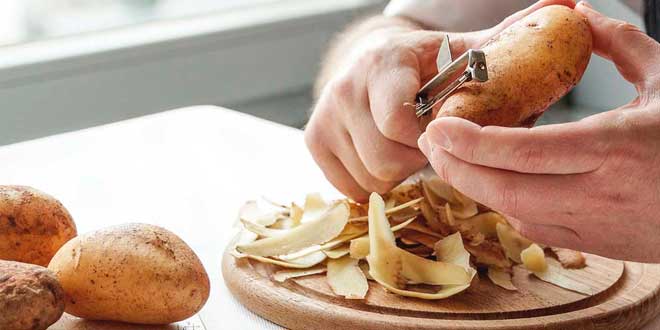
Resistant starch has a very similar functionality to soluble fibre. Potatoes, cooked and then cooled, are a source of resistant starch
Types of Resistant Starch
There are 4 types of Resistant Starch:
- Resists digestion because it is trapped by the intact walls of plant cells (legumes, grains and seeds)
- It can only be “made” digestible by human digestive enzymes after cooking (raw potatoes, green bananas and raw plantains)
- Known as “retrograde starch“, which is formed when certain starchy foods are cooled after cooking (potatoes, rice and other grains)
- Chemically modified starches that are not found in nature, but are created to resist digestion
Type 3 starch can be obtained from rice, pasta or potatoes left to cool once cooked
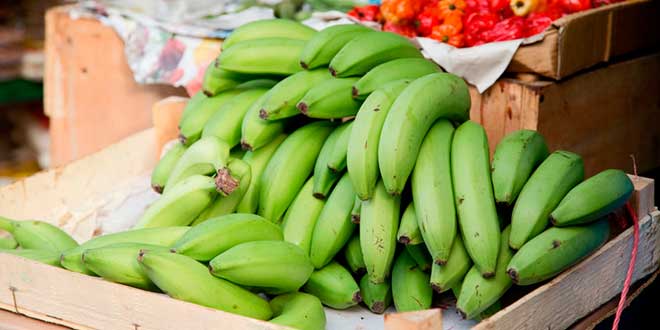
The plantain is another source of resistant starch. It is rich in inulin which helps regulate digestion and improve metabolism, producing a feeling of fullness for longer, and contributing to weight maintenance
Importance of Resistant Starch
The way Resistant Starch works is that it can reach undigested areas of the small intestine and colon where it will serve to nourish the bacteria that form the intestinal flora, to maintain their level of health and perfect condition.
Certain essential factors in our health will depend on this state of health: absorption of nutrients, metabolic regulation and the immune system

Consuming probiotics, which naturally maintain the culture of bacteria, such as resistant starch, is a mechanism for maintaining the body’s health
Resistant Starch and Intestinal Flora
In short, the contribution of Resistant Starch and its action on the intestinal flora can lead to:
- Maintain the normal function of the microbiota: disposal of metabolic waste, synthesis of bile acids, or increase absorption of electrolytes
- To strengthen the immune system (approximately 80% of the cells that give support are in this area), and the intestine, being the main defence barrier against external bacteria or pathogens
- Support for the production of vitamins, such as biotin, folate or K
Benefits of Resistant Starch
Intestinal health
The intestinal flora is made up of an immense amount of bacteria, both good and bad, with the total weight of this colony approaching 2kg.
Our health in general depends on the state of health of the microbiota, as well as affecting our sense of well-being. The main property of resistant starch is that it can stimulate the “good bacteria” in the intestine, maintaining the correct balance of them, and supporting their state of health.
Butyric acid
This fermentation process produces short chain fatty acids: acetate, butyrate and propionate, which have a beneficial effect on colon health.
Butyrate, which can be increased by the addition of resistant starch, is often the preferred energy source for the cells of the colon lining.
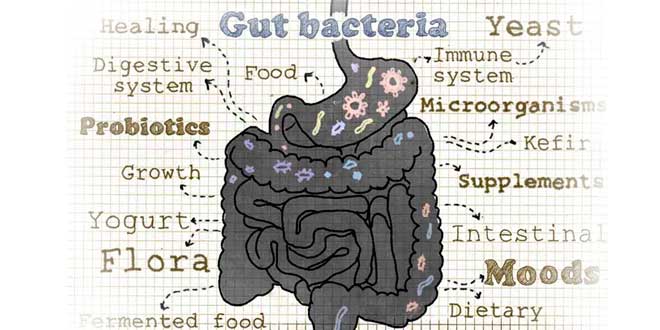
Butyrate acts as a powerful anti-inflammatory agent, improving the integrity of the intestine by reducing intestinal permeability, which will keep toxins out of the bloodstream
Weight Control
The increase in soluble fibre can lead to “extra” work for the digestive system. It also has a satiating effect, reducing the feeling of hunger and “cravings” between meals during the day.
At most, this will automatically lead to a very important power of caloric control

We are not talking about eating these foods to lose weight, but we can reduce a caloric intake that otherwise would be causing it
Insulin sensitivity
Resistant starch foods have a low glycemic index so insulin release is gradual.
However, the GI can be modified in various ways. Even so, these food sources have the characteristic of reducing post-pandrial glucose levels (levels 2 hours after eating), so they may be the most recommended for diabetics.
In people with metabolic syndrome, it is also possible to observe this improvement

These are characterised by high insulin resistance. In addition to various factors, such as obesity, risk of heart disease…
Foods with resistant starch
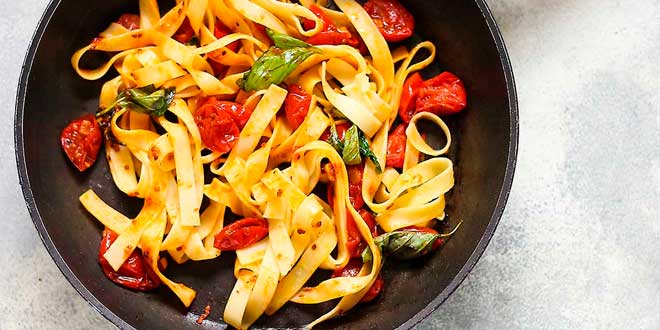
With a cold pasta salad we can also take advantage of the benefits of this starch
Most of the resistant starch content is usually lost the more the food is cooked. Therefore, if you are going to eat rice or potatoes, a good option would be to eat them cold. The main or most common sources are:
- Potatoes and Sweet potatoes
- Beans
- Rice
- Tapioca
- Uncooked oatmeal
- Plantains and its Flour
Related Entries
- Inulin and its benefits for intestinal health
- Foods Rich in Fibre