Fitness, Nutrition, Health and Sports Blog In the HSNstore Blog you will find tips about Fitness, sport in general, nutrition, and health – HSNstore.com

It’s trendy to avoid sugar, especially if you’re worried not just about your health but also your looks. Nowadays, it’s considered one of the “bad guys” in nutrition and the fitness lifestyle
Before we keep talking only about sugar, let me explain that our diet problems are getting worse every day.
Sugar isn’t the only culprit
There are many dietary and lifestyle factors behind diet-related health issues
When we talk about nutritional quality, not just quantity and food safety, it doesn’t depend on just one ingredient—in this case, sugar.
Back to sugar, its negative effects on health and body aesthetics are well known. But it’s not the only culprit, and just eating foods labeled “sugar-free” isn’t fixing anything.

You might even be making it worse
The industry uses other names for added sugar or even other ingredients to get the same effect, which can be just as harmful or even worse for some people.
What is Corn Syrup?
Today I want to talk about a hidden sugar that often goes unnoticed: High Fructose Corn Syrup (HFCS)
It’s a liquid mix of glucose and fructose, where both molecules float freely in solution (as monosaccharides or single sugar molecules) instead of being bonded together.

Corn Syrup Composition
Fructose
The fructose content, which provides most of the sweetness, varies between 42-55% in liquid solutions (with a rarer form of HFCS used in hard candies reaching up to 90% fructose). (Source: examine)
Sucrose
Sucrose, known as sugar, is a disaccharide made of glucose and fructose, essentially glucose bonded to fructose in a 1:1 ratio. Because of this, sucrose can be seen as 50% glucose and 50% fructose.
Thanks to the enzyme sucrase (invertase) in the intestines, sucrose is broken down into free glucose and fructose before absorption. This means both glucose and fructose appear in the blood after eating sucrose.
There are no differences between sugars except for the relative amounts of fructose (which are less important)
In the worst case, HFCS can be 55% fructose; from 100 g (400 kcal), that would add an extra 5 g of fructose compared to the same calorie amount of sucrose.
Effects of Corn Syrup on the Body
Satiety
Both sugar and HFCS have the same effect on satiety and leptin, a hormone with an important role in regulating fullness
This is due to the different interactions with satiety between glucose and fructose (the two monosaccharides that make up both sucrose and HFCS), but sucrose and HFCS have similar proportions of both and roughly the same fructose load.
Although fructose and glucose have different effects on appetite regulation, the difference between sucrose and HFCS is minimal, almost nonexistent since both contain similar concentrations of fructose and glucose. However, products with this added compound sometimes get labeled as “sugar-free.”
Body Composition and Obesity
It’s now concluded that HFCS and sucrose don’t have different effects on body composition and obesity. Both can be blamed or not, depending on the context of consumption.
Regardless of whether sugar is to blame for the rise in obesity and overweight, sucrose and HFCS have some significant differences in their effects on the body.
Sugar in Fruits
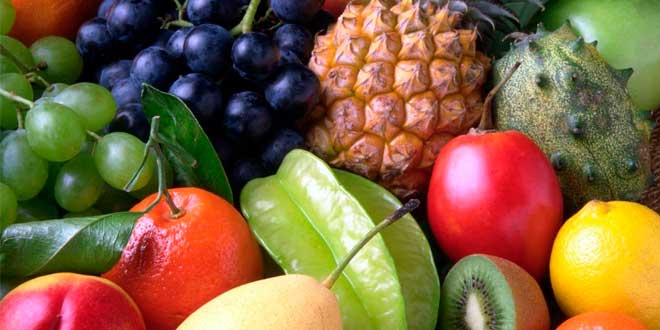
Another point I want to highlight is the confusion caused by linking this compound to the fructose naturally present in fruits and other foods.
So watch out for changes in ultra-processed foods, removing things that don’t sound bad like “sugar” and adding other components that replace it but might be even worse.
Let’s not reduce the problem to just one ingredient; let’s learn to understand and reason that it’s more complex
Related Posts
- Food Additives and Preservatives: Everything You Need to Know
- Real Food: What It Is, Benefits, Why It’s the Healthiest Choice
- Paleo Diet: What It Is, Health Benefits, What You Can Eat, Is It for Athletes?
- Allulose, the Sugar That Will Work the Miracle?
- The erythritol or erythritol is a healthy alternative to sugar.