Fitness, Nutrition, Health and Sports Blog In the HSNstore Blog you will find tips about Fitness, sport in general, nutrition, and health – HSNstore.com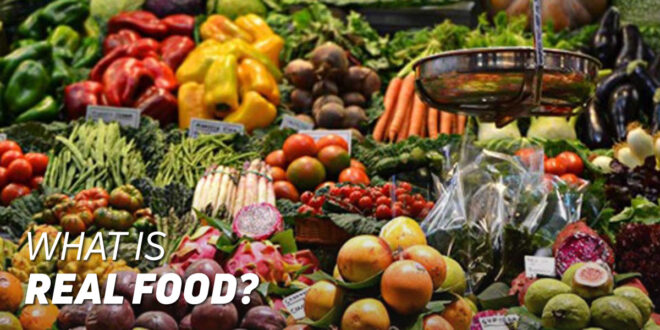

If you’re a regular on Social Media, you’ve probably seen the term “Real Food” in some post. Is it a new diet? Why is it trending? Can it help me lose fat?… Let’s give you an idea of what this concept is all about
Seems like a new trend online. But I won’t get into judging the “influencers” and all that, just sharing my take on this nutrition style, broadening the options (or rather, pinpointing what’s healthier…).
What is Real Food?
Actually, this isn’t new at all; it’s been with us forever. A possible definition would be:
A nutrition plan where processed products are cut out, and you opt as much as possible to eat foods in their natural state
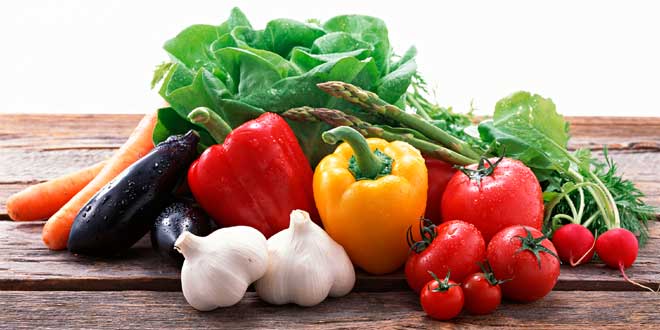
My grandma already did this “method” and, if you were lucky, you probably ate this way as a kid…
Which foods are considered Real Food?
Foods can be categorized by their “processing”. Obviously, if we look at the definition above, it’s pretty tough to eat exclusively natural state foods.
So, a possible classification would be:
Natural Foods
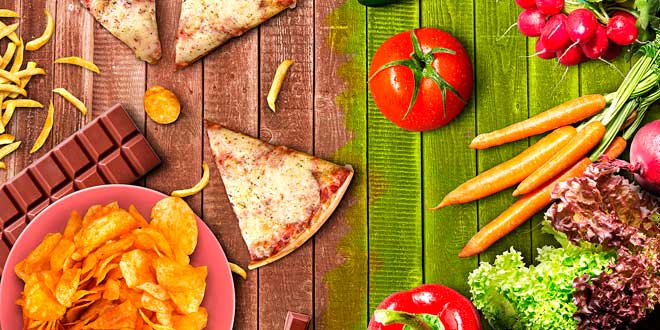
They should be the cornerstone of our diet. This includes fruits and veggies, eggs, milk, meats and fish, legumes and greens, tubers, whole grains, seeds, and nuts…
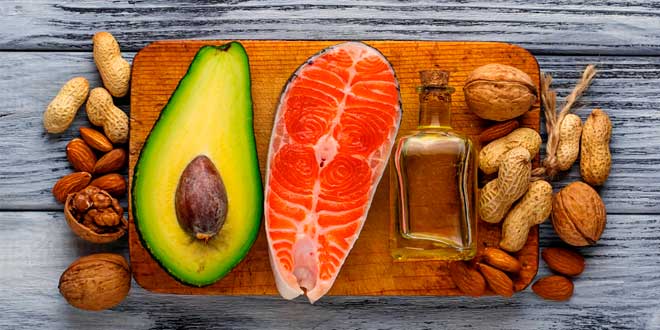
Olive oil is an excellent food, possibly one of the best fat sources
Processed Foods
These can be considered okay, processed just enough to get them to you while keeping their qualities and nutritional value. This includes frozen foods, virgin oils, natural cold cuts,
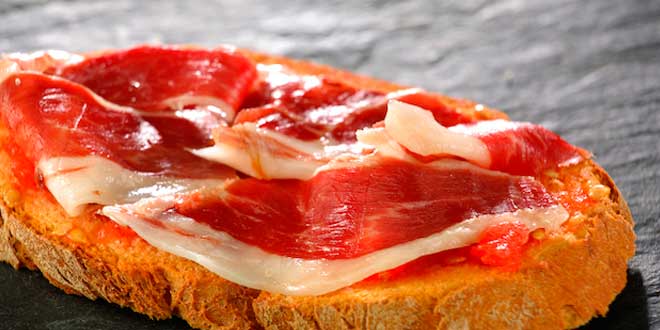
The word “processed” might sound like a no-go, but here it means the necessary steps to make foods available
Ultra-Processed Foods
These should be avoided “at all costs”. You’ll find tons of them in supermarkets, wrapped in flashy packaging and eye-catching fonts designed to grab your attention.
They also come with labels listing endless ingredients, where you need Google to figure out what’s inside.
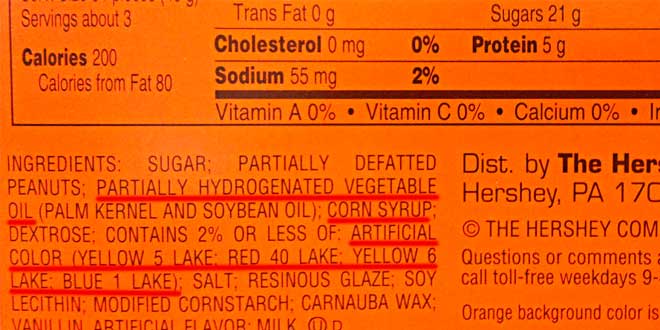
They often hide harmful ingredients and include others proven to be bad for health, like trans fats
Benefits of Real Food
For Health
A diet based on Real Food lowers the chances of getting or developing certain diseases, like type II diabetes or heart-related issues, among others. Hormonal control and the immune system also improve.
Traditional
Like it’s always been. This would be one of the best ways to describe the concept. The way it’s always been done, until industry and machinery for mass production messed things up.
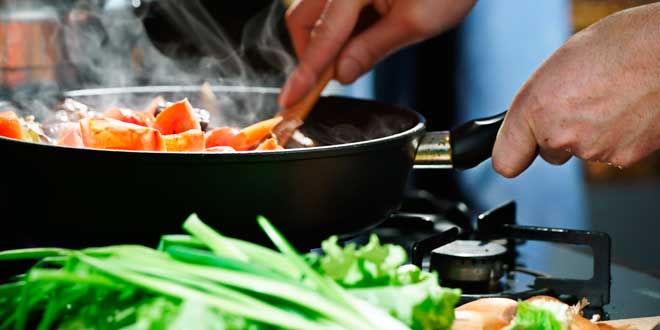
Progress at the cost of losing quality…
Freshness
Fresh foods keep their qualities intact. Vitamins, minerals, and the whole nutritional package come from these natural foods. True, sometimes transport already alters them…
Natural Nutrients
Eating natural foods keeps you away from additives found in ultra-processed foods like preservatives, additives,… If things went as they should, food would spoil in time, not last for months.
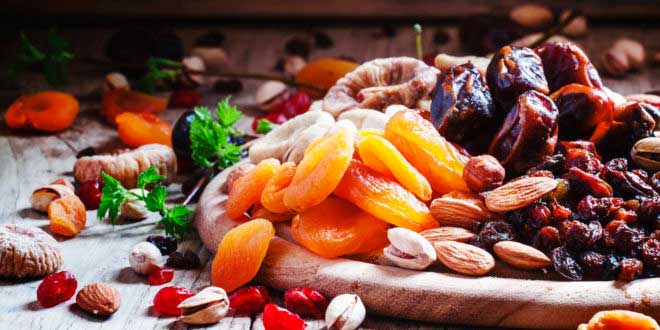
Obviously, this isn’t done lightly, and adding these elements passes health controls
“Get back” to cooking
What’s not normal is grabbing a refrigerated pack, peeling off the plastic, microwaving it for 5 min, and eating it… No excuse for cutting down the time needed to prepare meals, cook them, and add natural seasonings, no matter how rushed you are.
Don’t count calories
Yeah, this “feature” might be your thing. Recommendations say, “the less processed your diet, the less calorie counting you need to do”. This might surprise you, especially with the whole “count-macros” craze around here.
Don’t count macros or calories, count foods. Really, as simple as that sounds.
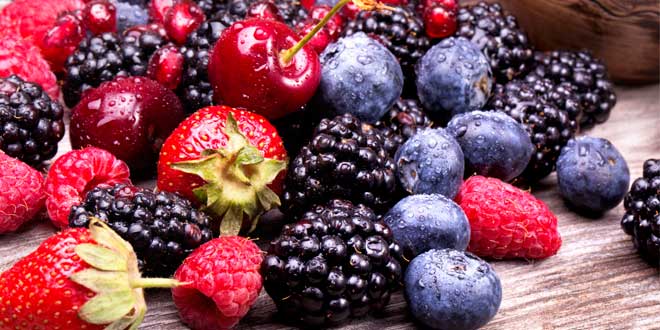
If it’s tough at first, don’t hesitate to consult a pro like Dietitians-Nutritionists
Satiety
Another benefit you can attribute to this diet (?). Here we don’t mess with nature and create weird food products like skimmed milk. No place for “light” stuff. What’s the point? Eating more, right?
And since these products often replace nutrients originally in the food, usually with sugar, another problem arises.
Is the Paleo Diet the same as Real Food?
You could say the Paleo Diet lays the foundation for Real Food; while Real Food has some particularities that don’t quite fit the paleo diet rules.
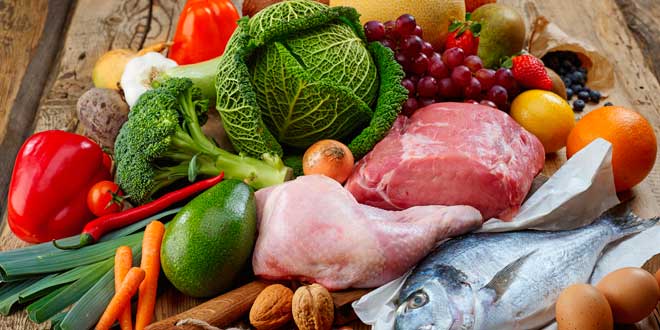
The common link is the nutritional approach favoring natural, unprocessed foods
Main differences
They lie in the “not allowed foods”. Mainly dairy, gluten-containing foods, and sugar. Bread isn’t allowed on the paleo diet.
But a good bread made from sourdough would be considered real food.
Cheese and dairy products are also cut from paleo due to supposed allergy and inflammation issues… but if you don’t have intolerances, why not include cheese as a protein and fat source?
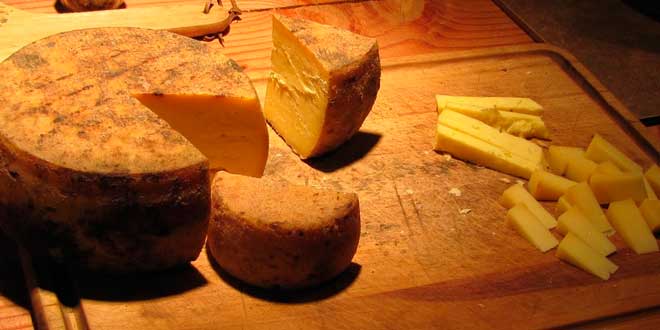
But better than the plastic-wrapped stuff you usually buy, go for a proper cheese.
Where to buy Real Food?
The best place might surprise you: close to home. Old-school neighborhood shops or the market are the best examples.
Still, it’s true that for convenience, we might not have time to stop by these places and end up in the dreaded aisles of big supermarkets.
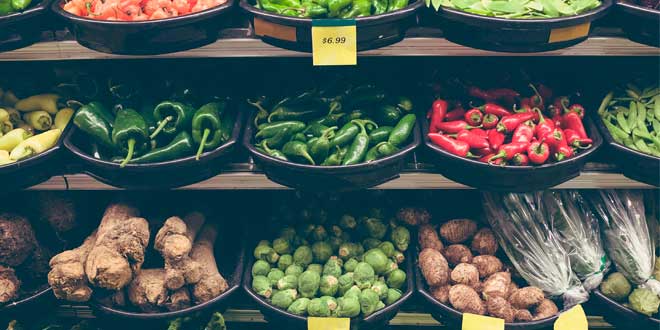
In supermarkets, if you know how, you can also find a wide variety of products
The Trick When Shopping
There’s advice not to shop hungry…
They’re after your addiction
Add to that the marketing strategies and tricks manufacturers and supermarkets use for their gain. All to create over-the-top consumption based on addiction and catch the “weaker ones”,
Nutrition-wise, of course…
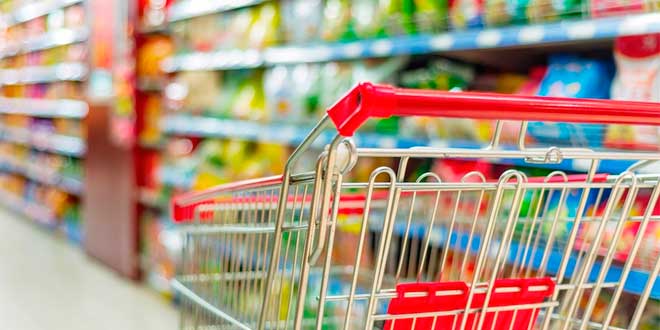
Oh, and of course, to make you come back for more…
Nothing is by chance
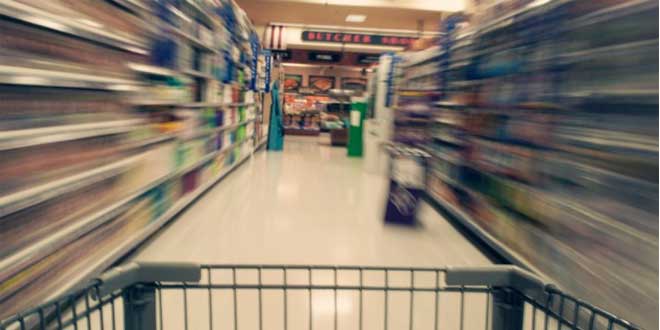
Every food you see in a supermarket is placed for one reason: for you to buy it. Placement (eye-level…), colors, and exclamatory phrases are all designed to seduce you and make you fall for them.
Unnecessary nutrients
Here’s another thing to think about. Why the heck is sugar in a food if it’s not naturally found that way?
As far as I know, sugar doesn’t act as a preservative
Could it be there are bigger interests behind, and they’re rubbing it in your face? I’m already wearing my tinfoil hat, what about you?
My Opinion on Real Food
A diet based on Real Food is the healthiest option and everyone should set it as their eating guideline. Period. The nuance comes later.
This, like any dogma’s principles, is just about avoiding extremes where the only thing that seems to disappear is common sense.
- I’m totally in favor of this kind of diet, and if you don’t see it as the smartest choice yet, you’re late.
- Probably, and unlike the Paleo diet, I think it’s way more flexible, doable, with similar and very favorable results, plus it doesn’t have to clash with taste and flavor (something often abused with ultra-processed foods).
- Also, for athletes without specific intolerances or allergies, this is the type I’d recommend.
But please don’t be a “hardliner”… I think this diet is less about Real Food and more about the Common Sense Diet… 😛
Related Posts
- Benefits of Steaming
- Power of the Sugar Industry
- Ezekiel Bread Recipe
- What You Need to Know When Reading Food Labels
- Are There Differences Between ECO, Bio and Organic Foods?