 Fitness, Nutrition, Health and Sports Blog In the HSNstore Blog you will find tips about Fitness, sport in general, nutrition, and health – HSNstore.com
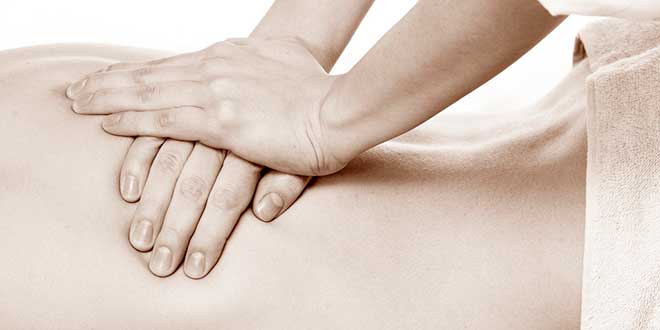


Anatomy and some physiological concepts
The lymphatic system is a parallel system to the circulatory one, made up of a network of organs, lymph nodes, ducts, and vessels, responsible for transporting lymph, a viscous, whitish fluid that collects the excess interstitial plasma generated from cellular osmosis processes (cell nutrition), proteins, fats (chyle), and other waste substances, to carry it to the blood so it can eliminate them.
It’s closely linked to the body’s immune system, since the lymph nodes, located in specific areas like the neck, armpits, chest, abdomen, and pelvis, act as filters for pathogens, fighting and neutralizing potential damage caused by them. At the same time, it produces lymphocytes and globulins containing antibodies, essential immune system cells.
Similarly, this system doesn’t have its own pump to circulate the fluid, like the heart in the cardiovascular system, simply because it doesn’t need one. This network of vessels and capillaries has one-way valves throughout its path, and thanks to muscle action and pressure differences between the interstitium (intercellular space) and the lymphatic capillaries themselves, lymph circulation is promoted.
Lymphatic drainage as therapy
I’m not going to go step by step explaining the lymphatic drainage procedure, but I do want to highlight some concepts to understand what it’s all about and give it the importance it deserves.
There are many scientific details about the lymphatic system throughout medical history, and it would be ambitious and tough to describe them all, but let’s remember an important moment that’s rarely mentioned: in 1892, an Austrian surgeon, Professor Winiwater, performed the first manipulations aimed at reabsorbing edema. It wasn’t until 1936 that Emil Vodder, recognized as the father of lymphatic drainage, developed a very complete and fully effective manual technique, which today is the most studied and applied in manual therapy centers.
The most common problem treated with this manipulation is called edema or fluid retention. When these abnormalities occur, it means there’s an imbalance in the transport of internal fluids and the body itself can’t reabsorb or drain them, so they stagnate, especially in legs, abdomen, and hands.
Factors that prevent proper drainage
Depending on the causes, two types can be found within this abnormality/symptom:
- Organic factors: Inflammatory, circulatory disorders, diseases of certain organs.
- Everyday factors: Sedentary lifestyle, stress, poor diet, medication intake, climatic factors.
How to perform lymphatic drainage
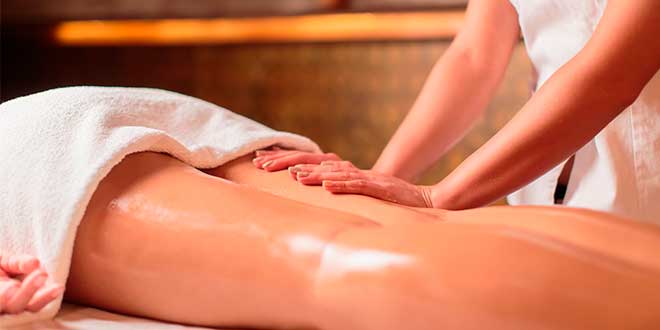
After analyzing and locating where lymphatic blockages might be to drain them, the massage begins. Intentionally, the goal is to reactivate lymphatic circulation through very superficial manipulations, with very gentle pressures toward specific directions.
Depending on the area, different manipulations are performed like fixed circles, pumping, giving motions, and rotary pressures.
Basically, we could define lymphatic drainage application in these 6 pillars:
- Start with the nearest lymph node areas
- Gentle maneuvers adapted to tissue resistance
- Pressures in the evacuation direction toward the closest lymph nodes
- The maneuvers involve pressure, not sliding
- Pressure is enough to stretch the skin, which opens lymphatic capillaries by stretching anchoring filaments due to increased interstitial pressure and stimulates lymphangion contraction
- Maneuvers proceed from proximal to distal and from distal to proximal
Watching or feeling the lymphatic drainage process, due to its subtle and delicate application, might make it seem like it has very little impact on the body or won’t bring any improvement, but nothing could be further from the truth. If done right, the effects on the body can be amazing.
It’s said the pressure applied must be so subtle that it shouldn’t exceed 40 mmHg, or what equals 40 g of pressure
Lymphatic drainage can be combined with complementary techniques that will prolong its effects: pressotherapy, bandages, therapeutic muscle contraction exercises, or electrostimulation.
It’s a therapy that should definitely be applied by professionals, as it requires significant manual precision and anatomical knowledge to have a positive effect and achieve the desired goals.
Benefits of lymphatic drainage
Whether or not we suffer from a significant condition of this system, and if so, that would be more than enough reason to turn to this therapy; going regularly can help us maintain an optimal general health state, due to its impact on so many biological levels of the body.
Among many others, we can list the following benefits:
- Regulates the body’s water balance
- Improves lymphatic system function
- Enhances venous return circulation
- Detoxifies the body
- Has a very calming effect on the nervous system
- Lowers blood pressure
- Stimulates kidney function
- Boosts the immune system
- Post-pregnancy
Indications and contraindications
Indications
The treatment can be done in all these cases:
- Edemas (pregnancy, facial, premenstrual, renal, lymphedema, nervous system, postoperative, etc.)
- Varicose veins
- Fibromyalgia
- Acne
- Cellulite
- Tired or swollen legs
- Migraines, headaches, vertigo
- Osteoarthritis, arthritis
- Bruises
- Hypertension
- Hypothyroidism
- Digestive system conditions
- Anxiety, stress..
Relative contraindications
Treatment can be done but with caution. It’s acceptable if benefits outweigh risks:
- Low blood pressure
- Thyroid disorders
- Pelvic pain
- Autoimmune allergic diseases (lupus, rheumatoid arthritis)
- Bronchial asthma
- Acute inflammations (gout, rheumatism, kidney colic)
- Nevus (moles)
- Post-thrombophlebitis and post-thrombosis
- Edemas due to congestive heart failure
- Carotid sinus syndrome
Absolute contraindications
Treatment is not done in any case:
- Lymphodynamic edema (low blood protein (malnutrition))
- Cancer
- Acute infections (infected wounds)
- Phlebitis, thrombosis, or thrombophlebitis in progress
Basic lymphatic drainage movements (video)
Sources
- Torres M, Salvat I. Guide to masotherapy for physiotherapists. Madrid. Médica Panamericana; 2006
- Fernández, A. Lozano, C. DLM MANUAL LYMPHATIC DRAINAGE. ORIGINAL DR. VODDER METHOD. Ed. Nueva Estética; 2008