Fitness, Nutrition, Health and Sports Blog In the HSNstore Blog you will find tips about Fitness, sport in general, nutrition, and health – HSNstore.com

Sleep has numerous important physiological and cognitive functions, particularly for athletes and sportspeople, including muscle mass gain
A good night’s sleep is the basis for a healthy body
Practically a third of our lives are spent sleeping. But there are a number of sleep disorders, which are very common and are aggravated by the lifestyle and poor eating habits of today’s society.

Sleep Disorders
- Insomnia: Difficulty initiating sleep and staying asleep.
- Excessive daytime sleepiness: Difficulty staying awake.
- Sleep rhythm: Difficulty in keeping a regular sleep schedule.
- Unusual behaviour: Behaviours and habits that interrupt sleep.
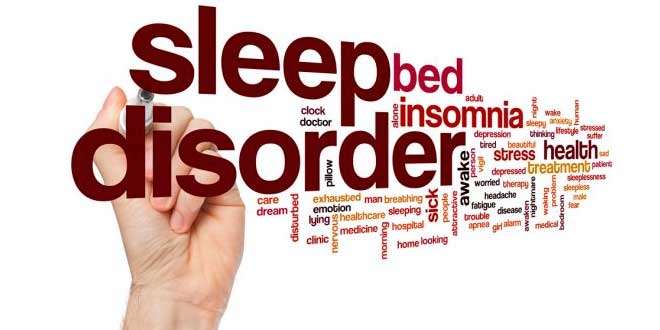
Of these four sleep disorders, the most common is insomnia, a problem suffered chronically by 20% of the population and which can have various causes. On the opposite side of sleep disorders is oversleeping, a very common problem that is also harmful.
The healthy thing to do is to find a balance, ideally between 6 and 8 hours of sleep a day.
REM sleep phase
It is a complex state from a physiological and behavioural point of view, but it has two basic moments:
- Non-rapid eye movement (NREM phase).
- Rapid eye movement (REM phase).
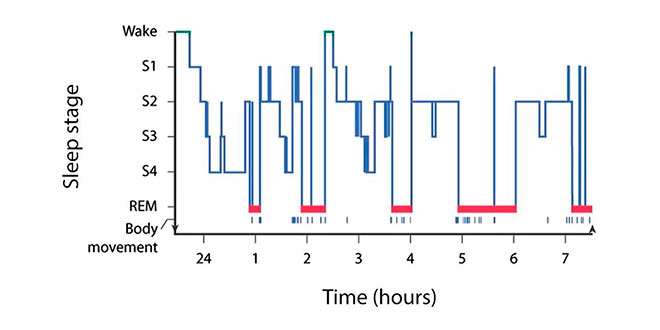
An electroencephalogram in which electrodes measure electrical activity in the brain is used to identify the different stages of sleep. The NREM phase is divided into four stages (S1 to S4 in the image below), which are associated with a progressive increase in the depth of sleep until the REM phase is reached, characterised by muscle atonia, bursts of rapid eye movement and dreaming.
 REM Phase Disturbances
When the deeper phases (S4 and REM) are involved, learning, memory, cognition, pain perception, immunity and inflammation are also influenced.
In addition, changes in glucose metabolism and neuroendocrine function as a result of partial and chronic sleep deprivation may result in alterations in carbohydrate metabolism, appetite (via leptin and ghrelin), food intake and protein synthesis.
All of these factors can ultimately have a negative influence on an athlete’s nutritional, metabolic and endocrine status; and therefore potentially reduce sporting performance.
- It has been shown that wakefulness (lack of optimal ability to sleep) is greatest the night before a major event or competition.
- However, after the metabolic and psychological stress of a competitive event, the S4 and REM stages increase during the two nights following the event.
- Of course, these phases are key to full recovery and should be part of proper training planning (as part of a lifestyle).
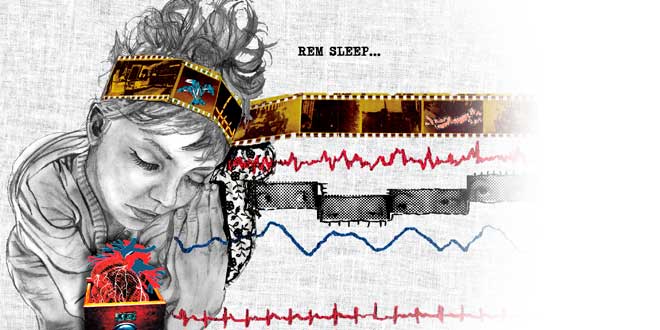
REM is considered to be a physiological condition in which the brain is activated in a paralysed body.
Bad Eating Habits Affect Sleep
It is important to note that the vast majority of sleep disorders are linked to bad habits, because people have unhealthy eating habits (excess of foods rich in trans fat and sugars) probably not just one, but several and related to each other, and this has a direct impact on the quality of sleep.
Some problems related to sleep disorders include the following:
Little time to eat
Some everyday situations, such as work schedules, night work, or the stress that accumulates during the day due to an intense pace of life, are the ones that disrupt our rhythm of life and also have an impact on our eating habits. We eat anything and everything at any time, especially precooked dishes that speed up the pace of life but are not always the healthiest option.

The disordered schedule also affects our diet and both directly affects our sleep and our health.
Heavy dinners
In these situations, digestion becomes slow and heavy and makes it more difficult to fall asleep. Another aggravating factor is going to bed just after dinner, as this causes the acidic contents of the stomach to rise up into the oesophagus, leading to reflux, burning, even nausea and vomiting.

This condition prevents sleep or interrupts sleep in the middle of the night.
Additives in some foods, such as excessive spices, increase body temperature, resulting in an uncomfortable and distressing situation and making it more difficult to sleep.
Exciting foods
Methylxanthines (caffeine in coffee, theine and theophylline in tea or theobromine in chocolate) cause a more or less intense euphoric effect in the body, as they are chemical compounds that stimulate nerve connections. Continued or excessive consumption of these stimulants leads to a state of nervousness and difficulty sleeping.

In addition, alcoholic drinks can damage the nervous system, as they are a potent toxicant for neurons.
Food intolerances
Biogenic amines (histamine, tyramine, phenylethylamine) are chemical compounds that can be found in certain foods or that are formed in the body from some theobromines in foods (tomatoes, spinach, avocados, etc.). Some people are sensitive to them or cannot tolerate them, and when they take them they can suffer from migraines, tremors, vomiting, nausea and other symptoms that prevent them from falling asleep.
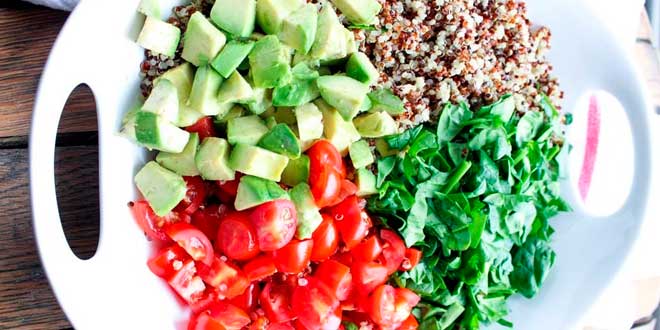
Moreover, from histamine, our body synthesises adrenaline and noradrenaline, neurotransmitters linked to the waking rather than sleeping phases.
Athletes Have Poorer Quality Sleep
The self-reported average hours of sleep of the general population (non-elite athletes) is 6 hours 48 minutes on weekdays and 7 hours 30 minutes on weekends.
Athletes sleep more hours; or rather, they spend more time in bed (an average of 8 hours 36 min ± 53 min).
Despite this, athletes take longer to fall asleep and the quality of their sleep is worse.
Among athletes, 70% report problems falling asleep, 43% report waking up early in the morning, and 32% report waking up sometime during the night.
Causes
Competition nerves (60-77%), unfamiliarity with the sleeping environment (e.g. from travelling) (29%), and noise in the room (17%) are identified as the main causes and make this the most important problem when an athlete feels fatigued or tired.
Symptoms in Sport Practice
- Decrease in sprint time.
- Reduced muscle glycogen content.
- Reduction in peak voluntary strength.
- Reduced voluntary activation.
- Increased level of perceived exertion.
- Reduction of maximum strength.
Napping helps
Athletes who suffer from some degree of sleep loss may benefit from a short nap, especially if they expect an afternoon or evening training session.
Comparing speed performance after a night of partial sleep deprivation (4 h total sleep), results are improved after a 30-minute nap (after a meal) compared to no nap.
The Importance of Food for Sleep
Adaptations to exercise and sport performance must be understood from a neurophysiological perspective that encompasses the movements of a given athlete within a sport.
Research has identified a number of neurotransmitters associated with the sleep-wake cycle: serotonin, gamma-aminobutyric acid, orexin, melanin-concentrating hormone, cholinergics, galanin, nodranelin and histamide.
Therefore, nutritional interventions that may act on these neurotransmitters may also influence sleep. Carbohydrates, tryptophan, valerian, melatonin and other supplements and strategies are possibly promising, although research is minimal and inconclusive, so athletes and coaches should first focus on finding good sleep hygiene (environment, methods) to maximise sleep quality and quantity.
Guidelines to Improve Sleep
- High GI foods such as white rice, pasta, bread, and potatoes can promote sleep; however, it is recommended to consume them more than 1 hour before bedtime.
- High-carbohydrate diets may result in shorter sleep latencies.
- High-protein diets may result in improved sleep quality (less waking during the night).
- High-fat diets can negatively influence the number of total hours of deep sleep.
- When total caloric intake is decreased, sleep quality may be disturbed.
- Small doses of tryptophan (1 g) can improve both sleep latency and sleep quality. This can be achieved by consuming foods such as the following:
- In your case, adding an L-Tryptophan supplement to your diet can help to increase the presence of this element.
- Buying Melatonin can be of great help, as among its properties is that it can reduce the time it takes to fall asleep.
- Valerian has been used as a herb to subjectively improve sleep quality; however, as with all supplements, athletes should be aware of the potential for possible contaminants in herbal products, as well as the inadvertent risk of a positive drug test.
7 Tips for a Good Night’s Sleep
- Always go to bed at the same time.
- Avoid going to bed hungry or after dinner.
- Lie down to sleep only when you are sleepy.
- Do relaxation exercises (not physical exercise) before going to sleep.
- Don’t use the bed to read or watch TV.
- Don’t drink stimulating drinks such as caffeinated soft drinks, tea or alcohol before bedtime.
- Try to get up at the same time each day.
Sources
- Halson, S. L. (2014). Sleep in elite athletes and nutritional interventions to enhance sleep. Sports Medicine, 44(1), 13-23.
Related Entries
- The importance of nutrition to avoid chronic fatigue
- Should carbohydrates be avoided at dinner?
- Protein intake before sleep to enhance muscle recovery