Fitness, Nutrition, Health and Sports Blog In the HSNstore Blog you will find tips about Fitness, sport in general, nutrition, and health – HSNstore.com

Carrageenans are made up of galactose derivative units, i.e. structurally they are polysaccharides which are part of the cell walls of some algae of the family Rhodophyceae.
It can be found under the name carrageenan, although it can also be seen as carrageenanate.
The use of carrageenan dates back more than 600 years, when the Irish boiled milk with algae rich in this polysaccharide. The interaction of the negative charges of the carrageenan with the casein micelles produced a dairy dessert with a texture similar to the custard we eat today.
What types are there?
There are a multitude of carrageenans, the most commonly used are: kappa, lamba and iota.
With different origins and gelling properties, they can be used in different products, depending on the most suitable qualities.
As mentioned above, they are polysaccharides, made up of galactose units with α (1-3) and β (1-4) bonds, with differences in the degree of sulphation, the position of these groups and the presence of anihydrogalactose groups.
The higher the proportion of sulphate groups (SO4), the higher the solubility, and the higher the proportion of anhydrogalactose groups, the lower the solubility.
- Carrageenan k consists of alternating galactose units with a sulphate group at carbon 4 and unsulphated anhydrogalactose units.
- Carrageenan i consists of alternating units of galactose with a sulphate group at carbon 4 and anhydrogalactose with a sulphate group at carbon 2.
- Carrageenan ƛ consists of alternating units of galactose with a sulphate group at carbon 2 and galactose with two sulphate groups, one at carbon 2 and one at carbon 6.
To summarise, some of the properties that characterise carrageenans are presented below:
| Chemical composition | Sulphated polysaccharide, consisting of α (1-3) and β (1-4) linked galactose units. |
| Solubility | Kappa and Iota need to reach 80°C to solubilise. Lamba is cold soluble. |
| Gel formation | Kappa (in the presence of potassium ions) generates a rigid gel. Iota (in the presence of calcium ions) with a more elastic characterisation. Lambda, on the other hand, fails to form gels. |
| Metabolism | Hydrolysis of glycosidic bonds under acidic pH conditions. |
| Viscosity | Noticeable increase even at low doses, Lambda carrageenan will generally be used for thickening purposes. |
| Source | Mainly red algae of the family Rhodophyceae. |
| Molecular weight | Wide range of weights, on average 200-400kDa. |
| Properties | Thickener, stabiliser and gelling agent. |
| Synergies | ƛ -carrageenan and iota interact with milk protein micelles to form gels. When combined with other gums such as locust bean gum (E-410), gel properties such as gel strength or syneresis are improved. * |
| Concentrations | 0.05% and 2%. |
| Main use | Food, cosmetic, pharmacological and biomedical. |
Characterisation of carrageenan. *Syneresis refers to the property of a compound to avoid phase separation.
What are carrageenans used for?
In their refined form (E-407) they are colourless, tasteless, odourless and indigestible.
Its role as an additive includes its properties to alter rheology, i.e. the way materials deform or flow in response to applied forces or stress.
If we also add the ability to form reversible gels, the synergies with other gums and the cold solubility (in certain cases), this makes it a very versatile product for different preparations and recipes:
- In cheeses and cold cuts, it will make slicing easier, achieving firmer and more homogeneous slices even with a reduced fat content.
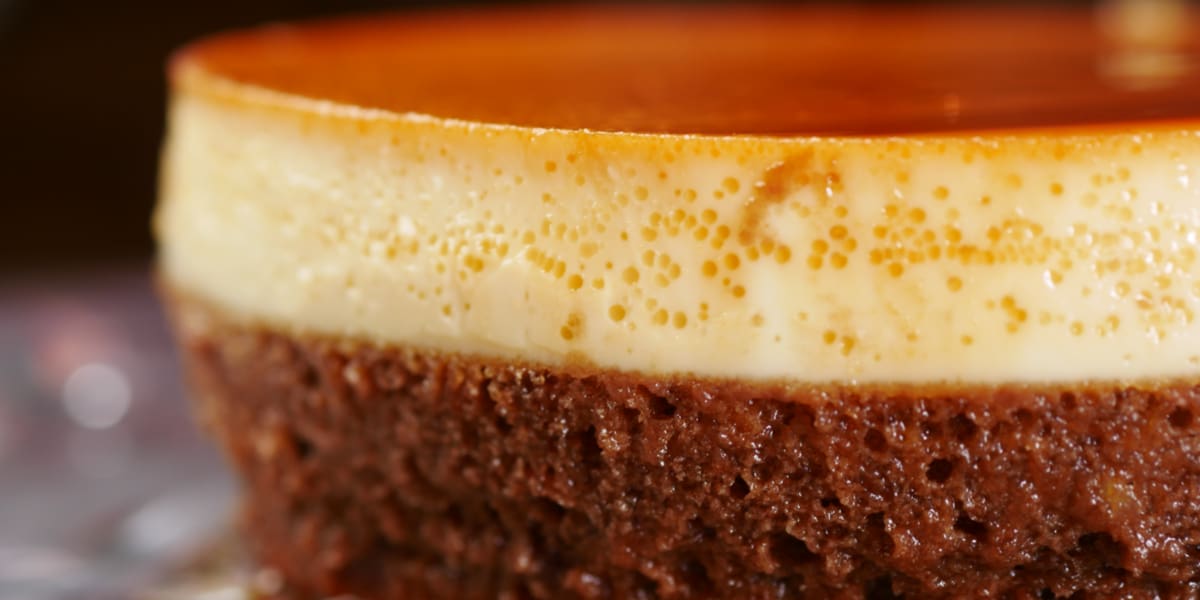
- Good choice for desserts: custards, jellies or puddings.
- In “vegan cheese” making, it can have a great place, helping to give texture and a better biting experience.
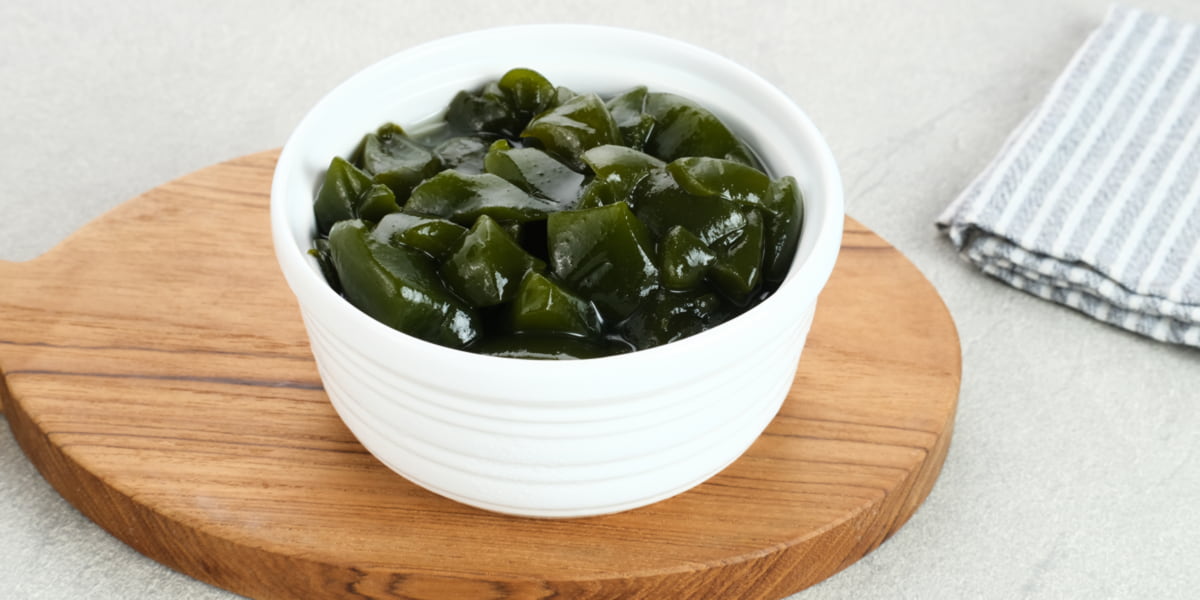
These properties will have applications in the food, cosmetic, pharmaceutical and clinical fields.
In the clinical setting, it has been shown to hinder the entry of the virus into the cell, as well as interfering with its replication. As a result, it can provide a barrier against herpes simplex virus (HSV), human immunodeficiency virus (HIV) or human papillomavirus (HPV).
It can even be found as a treatment in studies against certain viral respiratory diseases such as COVID-19, in which carrageenans are thought to act like other sulphated polysaccharides, such as heparin, preventing viruses from attaching to or entering host cells.
Its effectiveness as a biomaterial is also being studied, due to its low cytotoxicity, antimicrobial and anticoagulant qualities.
Are carrageenans safe?
According to EFSA indications, the additives E-407 and E-407a are safe at consumer doses.
The use of these additives is regulated on the basis of Regulation (EC) No 1333/2008 together with Regulation (EU) No 231/2012, where specific purity criteria are laid down.
In addition, it has been evaluated by competent bodies such as the Scientific Committee on Food (SCF) and the Joint FAO/WHO Expert Committee on Food Additives (JECFA).
Based on current revisions and regulations, no maximum manufacturing levels are set for most foods.
Regarding the Acceptable Daily Intake (ADI), a dose subject to revision1 is set at 75mg/kg/day for the general population and 1000mg/L for infant products.
This more precautionary reference value was proposed on a temporary basis in EFSA’s 2018 report, pending a review in 2023. Among the reasons for this decision, the expert panel highlighted the need to re-evaluate the distribution of molecular weights studied.
The reason for this reassessment is taken verbatim from its 2018 report:
“The compounds in the samples used in a large number of toxicity tests are not considered to adequately reflect the diversity of food additive preparations on the market”.
In addition to this consideration, it reflects the need to establish a suitable inter-laboratory validated analytical method to quantify the limit for the low molecular weight fraction. And to show whether this fraction is associated with health risks.
Other points covered at the same meeting include safety at higher doses, for example in chronic toxicity studies on rats with no observed adverse effects (NOAEL) at doses of 7,500mg/kg/day.
This is achieved by a factor relating body surface area and average weight across species. Applying this factor, called DEH (Dose Equivalent in Humans), results in a dose with no adverse effects observed in humans.
For example, the 7,500mg/kg/day in rats results in a NOAEL of 1,200mg/kg/day in humans, about 84g of carrageenan per day for an adult.
The problem with degraded carrageenan
Traditionally, there has been confusion in both the scientific literature and in the public domain about carrageenan.
The adverse effects studied are associated with polyketide or polygenin (molecular weight > 20kDa) and degraded carrageenan. The latter has a slightly higher molecular weight of 20-40kDa and can originate from incomplete natural biological synthesis24 , unlike polyketide, which is obtained by acid hydrolysis in a laboratory.
EFSA includes degraded carrageenan and polygenanss in the same group, low molecular weight carrageenans (<50kDa). The presence of these two fractions is limited in foodstuffs and this fraction may not exceed 5% of the total carrageenan used.
Polygenane is achieved by breaking glycosidic bonds under extreme temperatures and acidic conditions, and unlike conventional carrageenans, it is not endorsed by EFSA for use in the food industry and lacks functional properties.
Polygenane is characterised by its inflammatory potential. As a result, it has traditionally been used as an agent to induce inflammation and to evaluate the activity of certain drugs (Winter Ca,1962). It is in turn related to certain pathologies such as ulcerative colitis, inflammatory bowel disease, colorectal cancer… In addition to compromising the microbiota.
As mentioned above, in order to generate polygenin, carrageenan must be subjected to extreme conditions of acid pH and temperature.
To envisage such conditions in the organism seems rather improbable, as they are physiologically impossible conditions.
The EFSA in this latest review concluded:
“In most toxicological studies, the molecular weight distribution of the carrageenan tested is either not described or inadequately described. The low molecular weight fraction of carrageenan is associated with potential adverse effects. This is due to their similarity in weight-average molecular structure and weight to those of degraded carrageenan, such as polygenin”.
In this way and with the new updates, the safety of food-grade carrageenans was reaffirmed and the difference with lower molecular weight forms was highlighted.
In order to ensure safety, differences in metabolisation between polygenin and food-grade carrageenan were studied. Thus, it was observed that while polygenin showed signs of absorption, carrageenan was excreted unchanged under the conditions of gastric pH and gut microbiota.
This may be due, among other reasons, to protein binding, where polygenin and carrageenan show significant differences, resulting in different forms of metabolisation and absorption.
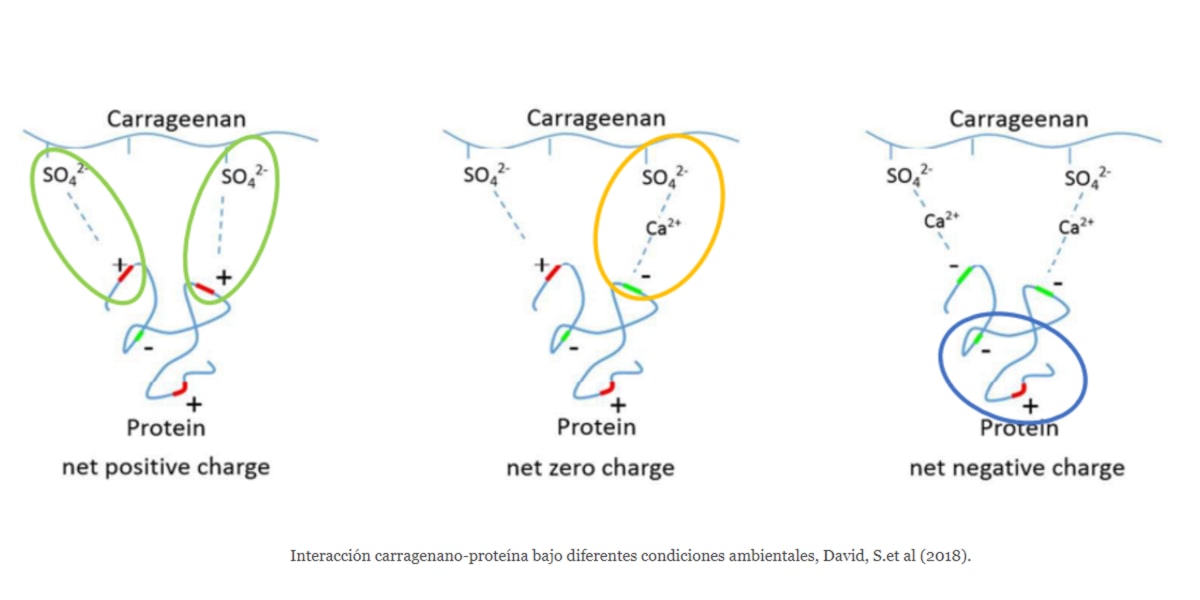
From the interaction with proteins, three-dimensional structures develop. These are achieved through divalent calcium cations, binding to the positively charged areas of the proteins and interactions between the different parts of the carrageenan, resulting in a helical formation.
This means that carrageenan will remain in the protein matrix until the end of the gastrointestinal tract, where it will have precipitated as the pH drops below the isoelectric point. Only after the protein has been broken down by digestive enzymes will the carrageenan-protein complex dissociate, which explains why it is not absorbed and is excreted intact in the faeces.
Is degraded carrageenan a food safety concern?
As we have been saying, the big problem we find when talking about carrageenan is the lack of characterisation of the compound in the studies, i.e. food-grade carrageenan and low-molecular-weight compounds are referred to indistinctly.
In the experiments that studied the molecular weight and reported the use of degraded carrageenan, they highlight the difference between food-grade carrageenan and the specific treatment it must undergo to achieve a lower molecular weight.
Even where the molecular weight of the low molecular weight compound is specified, it is still up to four times higher than that of the polygenin mentioned by EFSA.
When extrapolating data considering the safety of carrageenans, certain considerations must be taken into account:
- According to current legislation, the maximum amount of the low molecular weight compound is limited to 5%. That is, if 100g of carrageenan were used, only 5g could correspond to the reduced molecular weight fractions (<50kDa).
- The range of technological use varies between 0.05 and 2%, depending on the product.
The toxicity data reported by the institutions refer to chronic doses, i.e. the amount that you could consume for the rest of your life without developing any adverse effects. Experimental animal studies are used to reach these conclusions, which are then extrapolated to humans using factors that ensure safety.
Example: use of carrageenan in commercial custards.
We will calculate the amount that should be consumed in order, based on the proposed doses, to consider the adverse effects.
The data we need to know are:
- Net product weight, e.g. 120gr.
- ADI (Acceptable Daily Intake) is expressed as additive amount (mg)/body weight (kg)/day.
- Carrageenan used, extrapolating from the list of ingredients, as these are listed in order of concentration, together with the information not provided by the manufacturers, a fairly reliable approximation can be made.
In the range of use of carrageenan in these products we see that:
- More than 150 custards per week should be consumed to exceed the ADI for an adult of 70 kg. (It would also mean an intake of more than 500g of sugar per day!)
- On top of that, although exorbitant, these data can be considered a precautionary recommendation, pending further safety studies for the different molecular weights.
EFSA considered a toxicity study on polygenin (C16), which concluded a LOAEL of 750mg/kg/day in monkeys.
Applying a conversion factor gives a human LOAEL of 240 mg/kg/day, about 16.8 g of polyketide/day for a 70 kg adult.
Based on the experimental data and considering that these 16.8g can account for a maximum of 5% of the total carrageenan used as an ingredient, we would be talking about a daily dose of carrageenan of 336g (16.8g is 5% of 336g) per day for the same 70 kg adult.
If we go even further, and extrapolate with the highest amounts used as an ingredient (2% carrageenan), we would be talking about needing to consume about 16.8kg of the product in question per day to exceed the LOAEL.
Let alone those products where the concentration of carrageenan is in the lower range (0.05%), where we would need to ingest 672kg of product per day to develop the possible adverse effects. Fig.3(end sheet)
To summarise, here are some of the differences between the two compounds:
| CARRAGEENAN (E-407, E-407A) | DEGRADED CARRAGEENAN / POLYGENIN (C16) | |
| PM | High average Pm, between 200-800KDa. | Low average Pm: Degraded carrageenan: 20-50kDa Polygenin: 10-20kDa. |
| REGULATION | Under Regulation (EC) No 1333/2008 and (EU) No 231/2012 the maximum amounts of contaminants, purity as well as composition of carrageenans designated as E-407 and E-407a are established. | Regulated under the carrageenan standard, which limits the presence of species weighing less than 50kDa to a maximum of 5% of the carrageenan used in the formula. |
| METABOLISATION | In the human body it is excreted unchanged, under the conditions of gastric pH or microbiota. | Increased absorption, it is present in various tissues, namely liver and urine after administration. |
| FOOD USE | EFSA approved for use as a stabiliser, thickener or gelling agent. | Not for food use. |
| ADVERSE PROBLEMS | No adverse effects, endorsed by international institutions such as EFSA, FDA or CODEX. | Linked to inflammatory diseases, ulcerative colitis, rectal colon cancer and microbiota alterations. |
| ORIGIN/PROCUREMENT | From red algae, dissolution with an alkaline medium and subsequent extraction with an alcoholic solvent. | It is obtained from carrageenans under conditions of acid hydrolysis at pH (0,9-1,3) and high temperature (> 80 °C) for several hours. |
Conclusions
- Carrageenan is a polysaccharide found naturally in some species of red algae.
- It is currently approved by EFSA for use as a stabiliser, thickener or gelling agent in a variety of products such as desserts, sausages and cheeses.
- Its chemical nature allows it to modify the rheology of different solutions, giving gels of different viscosities and degrees of syneresis.
- Competent bodies such as EFSA or JECFA reaffirm its safety in current reviews, referring to the difference between carrageenan that can be found in the food industry and polygenin resulting from its hydrolysis.
Bibliographic sources
- EFSA ANS Panel (EFSA Panel on Food Additives and Nutrient Sources added to Food), Younes, M, Aggett, P, Aguilar, F, Crebelli, R, Filipič, M, Frutos, MJ, Galtier, P, Gott, D, Gundert-Remy, U, Kuhnle, GG, Lambré, C, Leblanc, J-C, Lillegaard, IT, Moldeus, P, Mortensen, A, Oskarsson, A, Stankovic, I, Waalkens-Berendsen, I, Woutersen, RA, Wright, M, Brimer, L, Lindtner, O, Mosesso, P, Christodoulidou, A, Ioannidou, S, Lodi, F and Dusemund, B, 2018. Scientific Opinion on the re-evaluation of carrageenan (E 407) and processed Eucheuma seaweed (E 407a) as food additives. EFSA Journal 2018;16(4):5238, 112 pp. https://doi.org/10.2903/j.efsa.2018.5238
- Tobacman, J. K. (2001). Review of harmful gastrointestinal effects of carrageenan in animal experiments. Environmental Health Perspectives, 109(10), 983–994. https://doi.org/10.1289/ehp.01109983
- Oliyaei N, Moosavi-Nasab M, Mazloomi SM. Therapeutic activity of fucoidan and carrageenan as marine algal polysaccharides against viruses. 3 Biotech. 2022 Jul;12(7):154. doi: 10.1007/s13205-022-03210-6. Epub 2022 Jun 25. PMID: 35765662; PMCID: PMC9233728.
- Neamtu, B.; Barbu, A.; Negrea, M.O.; Berghea-Neamțu, C.Ș.; Popescu, D.; Zăhan, M.; Mireșan, V. Carrageenan-Based Compounds as Wound Healing Materials. Int. J. Mol. Sci. 2022, 23, 9117. https://doi.org/10.3390/ijms23169117
- Jiao, G.; Yu, G.; Zhang, J.; Ewart, H.S. Chemical Structures and Bioactivities of Sulfated Polysaccharides from Marine Algae. Mar. Drugs 2011, 9, 196-223. https://doi.org/10.3390/md9020196
- Witvrouw, M; De Clercq, E. Sulfated polysaccharides extracted from sea algae as potential antiviral drugs. Gen Pharmacol 1997, 29, 497–511.
- Raghavendran, H.R.B., Sathivel, A. & Devaki, T. Effect of Sargassum polycystum (Phaeophyceae)-sulphated polysaccharide extract against acetaminophen-induced hyperlipidemia during toxic hepatitis in experimental rats. Mol Cell Biochem 276, 89–96 (2005). https://doi.org/10.1007/s11010-005-3194-x
- Ali, POR; Upadhyay, A.; Zhang, Y.; Nicolás, B.; Tran, SD Evaluación de la toxicidad in vitro de la carragenina en células y tejidos de la cavidad oral. Mar. Drogas 2022 , 20 , 502. https://doi.org/10.3390/md20080502
- Borsani, B.; De Santis, R.; Perico, V.; Penagini, F.; Pendezza, E.; Dilillo, D.; Bosetti, A.; Zuccotti, GV; D’Auria, E. El papel de la carragenina en las enfermedades inflamatorias del intestino y las reacciones alérgicas: ¿dónde nos encontramos? Nutrientes 2021 , 13 , 3402. https://doi.org/10.3390/nu13103402
- James M. McKim (2014) Food additive carrageenan: Part I: A critical review of carrageenan in vitro studies, potential pitfalls, and implications for human health and safety, Critical Reviews in Toxicology, 44:3, 211-243. https://doi.org/10.3109/10408444.2013.861797
- Fahoum, L.; Moscovici, A.; David, S.; Shaoul, R.; Rozen, G.; Meyron-Holtz, E.G.; Lesmes, U. Digestive fate of dietary carrageenan: Evidence of interference with digestive proteolysis and disruption of gut epithelial function. Mol. Nutr. Food Res. 2017, 61, 1600545.
- Anderson, W.; Baillie, A.J. Carrageenans and the proteolytic activity of human gastric secretion. J. Pharm. Pharmacol. 1967, 19, 720–728
- Morokutti-Kurz M, Fröba M, Graf P, Große M, Grassauer A, Auth J, Schubert U, Prieschl-Grassauer E. Iota-carrageenan neutralizes SARS-CoV-2 and inhibits viral replication in vitro. PLoS One. 2021 Feb 17;16(2):e0237480. doi: 10.1371/journal.pone.0237480. PMID: 33596218; PMCID: PMC7888609.
- Pogozhykh, D.; Posojov, Y.; Myasoedov, V.; Gubina-Vakulyck, G.; Chumachenko, T.; Knigavko, O.; Polikarpova, H.; Kalashnyk-Vakulenko, Y.; Sharashydze, K.; Nakonechna, O.; et al. Evaluación experimental de la toxicidad de la carragenina semirrefinada de grado alimentario. En t. J. Mol. ciencia 2021 , 22 , 11178. https://doi.org/10.3390/ijms222011178
- Myra L. Weiner (2014) Food additive carrageenan: Part II: A critical review of carrageenan in vivo safety studies, Critical Reviews in Toxicology, 44:3, 244-269. https://doi.org/10.3109/10408444.2013.861798
- Ignacio Clemente López,(2020),Aditivos texturizantes: carragenatos (E-407 y E-407a)
- Frediansyah A. (2021). The antiviral activity of iota-, kappa-, and lambda-carrageenan against COVID-19: A critical review. Clinical epidemiology and global health, 12, 100826. https://doi.org/10.1016/j.cegh.2021.100826
- Mani, SD, Govindan, M., Muthamilarasan, M. et al. Un polisacárido sulfatado κ-carragenano indujo defensa antioxidante y cambios proteómicos en el cloroplasto contra la enfermedad de las manchas foliares del tomate. J Appl Phycol 33 , 2667–2681 (2021). https://doi.org/10.1007/s10811-021-02432-0
- David, S., Shani Levi, C., Fahoum, L., Ungar, Y., Meyron-Holtz, E. G., Shpigelman, A., & Lesmes, U. (2018). Revisiting the carrageenan controversy: do we really understand the digestive fate and safety of carrageenan in our foods? Food & Function, 9(3), 1344–1352. https://doi.org/10.1039/c7fo01721a
- Weiner, M. L. (2016). Parameters and pitfalls to consider in the conduct of food additive research, Carrageenan as a case study. Food and Chemical Toxicology: An International Journal Published for the British Industrial Biological Research Association, 87, 31–44. https://doi.org/10.1016/j.fct.2015.11.014
- Fabian RJ, Abraham R, Coulston F, Golberg L. Carrageenan-induced squamous metaplasia of the rectal mucosa in the rat. Gastroenterology 65:265–276 (1973).
- Abraham R, Fabian RJ, Golberg MB, Coulston F. Role of lysosomes in carrageenan-induced cecal ulceration. Gastroenterology 67:1169–1181 (1974).
- Kitsukawa Y, Saito H, Suzuki Y, Kasanuki J, Tamura Y, Yoshida S. Effect of ingestion of eicosapentaenoic acid ethyl ester on carrageenan-induced colitis in guinea pigs. Gastroenterology. 1992 Jun;102(6):1859-66. https://doi.org/10.1016/0016-5085(92)90306-j. PMID: 1316857.
- James M. McKim, Jamin A. Willoughby Sr., William R. Blakemore & Myra L. Weiner (2019) Clarifying the confusion between poligeenan, degraded carrageenan, and carrageenan: A review of the chemistry, nomenclature, and in vivo toxicology by the oral route, Critical Reviews in Food Science and Nutrition, 59:19, 3054-3073. https://doi.org/10.1080/10408398.2018.1481822