Fitness, Nutrition, Health and Sports Blog In the HSNstore Blog you will find tips about Fitness, sport in general, nutrition, and health – HSNstore.com

Healthy fast food is an attractive option for those who have little time to prepare their daily meals, while allowing them to maintain an adequate nutritional balance.
What is fast food?
The term fast food refers to food prepared immediately to be eaten in the establishment where it is prepared, picked up for take-out or delivered to the home.
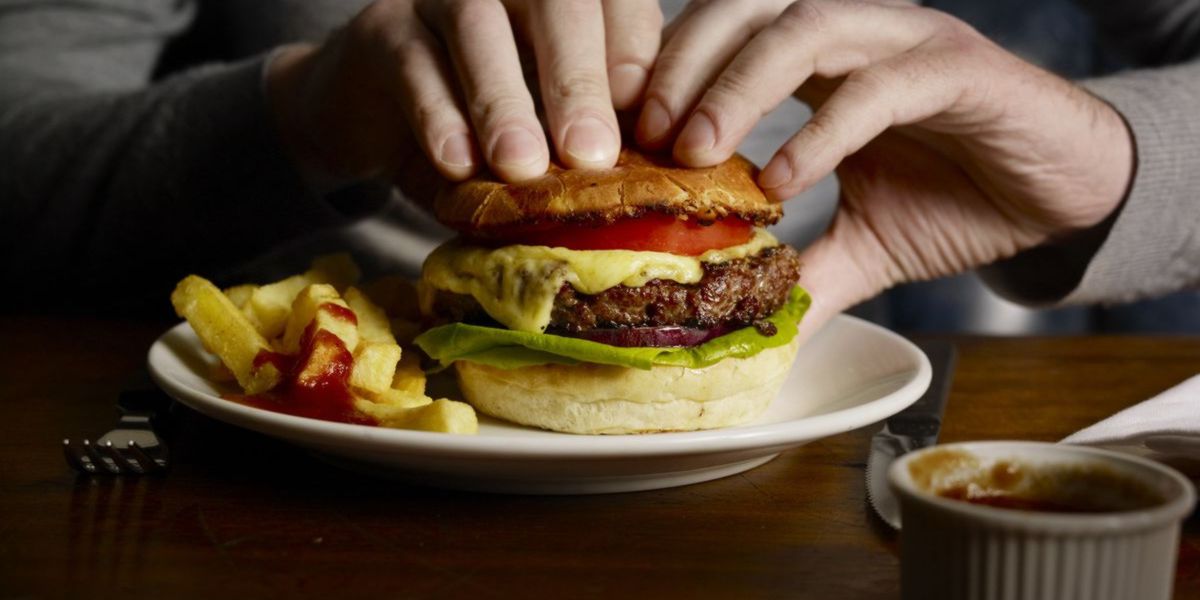
The main advantage of fast food is that it saves time, both in provision and consumption.
Risks of eating fast food
Pizzas, burgers, hot dogs, and fries are all fast food alternatives that are appealing to most consumers.
However, these foods are characterised by a high-calorie content, as their preparation is rich in saturated fats, flour or starch, sugar and a lot of salt.
While they lack other substances necessary for healthy nutrition, such as:
- fibre;
- antioxidants;
- vitamins and minerals; or
- protein.

This makes it clear why fast food is unhealthy.
What will happen to my body if I eat fast food every day?
Consuming fast food on an occasional basis does not represent a serious health hazard.
The problem arises when this practice becomes a daily habit.
Some of the repercussions that can occur in our bodies are as follows:
- Weight disorders and obesity: a balanced diet provides between 1500, 2000 or 2500 calories per day for the average person in general terms; whereas fast food does so in a single intake, favouring overweight and obesity.
- Cardiovascular disease: the high level of saturated and trans fats in these foods leads to a higher level of bad cholesterol in the blood, increasing the risk of cardiovascular disease. Excess salt also increases the likelihood of hypertension.
- Diabetes: these foods contain substances that can lead to insulin resistance, which causes type 2 diabetes.
- Constipation: due to low fibre intake.
- Slow digestion: frying is the most commonly used cooking method for these products.

As a result, digestion becomes heavy and slow, and stomach acid production increases, leading to irritation and reflux.
- Kidney problems: because the kidneys are not able to filter out a large amount of toxins.
- Fatty liver: the presence of high fat content damages the liver. The fatty liver condition can be controlled with a low-fat diet.
- Addiction: some fast food ingredients generate biochemical changes in the brain, like those produced by drugs, creating addiction.
- Memory disorders: due to high sugar and fat content.
- Tiredness or chronic fatigue: by failing to provide essential nutrients that provide the energy our bodies need to respond effectively to activities.
Is it possible to cook healthy fast food?
Without a doubt, it is very convenient to go to any fast-food establishment to ask for one of the options offered on the menu.
However, it may seem incredible to you, but cooking a healthy fast food meal at home is simple and doesn’t have to take up so much of your time.
Plan a weekly menu
If you are a person who eats in the office you need to plan your take-away meals.
You can take Sunday to plan the menu, with a variety of options; so you know what is on the menu each day and you can buy the ingredients in advance.
Then, organise them in portions and store them in the fridge to take them out when you are ready to eat them.
So you don’t have to cook every day.
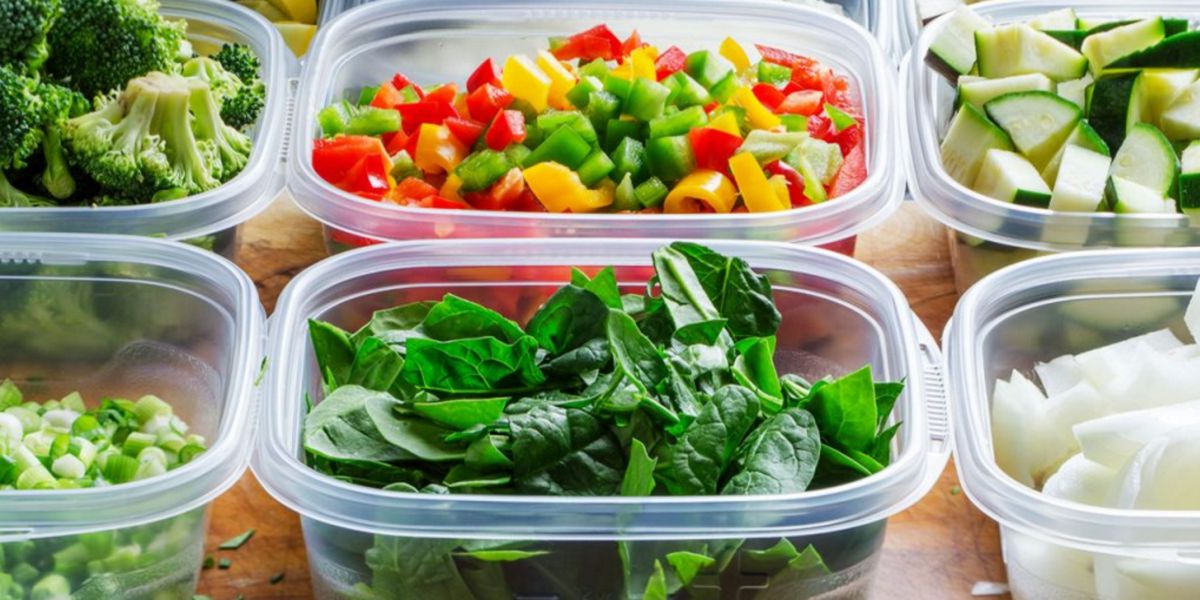
Quick and easy to make healthy food at home.
Prepare healthy, tasty and easy recipes
You can make delicious recipes in a jiffy, just use your creativity by mixing healthy ingredients for a nutritionally balanced diet.
Present your food in an appealing way
You can play with the colours of each ingredient, their shapes and arrange the food so that it looks appetising. You can make this preparation the night before and leave it ready for the next day’s meal.
Healthy Fast Food Recipe: Chicken and Courgette Burgers
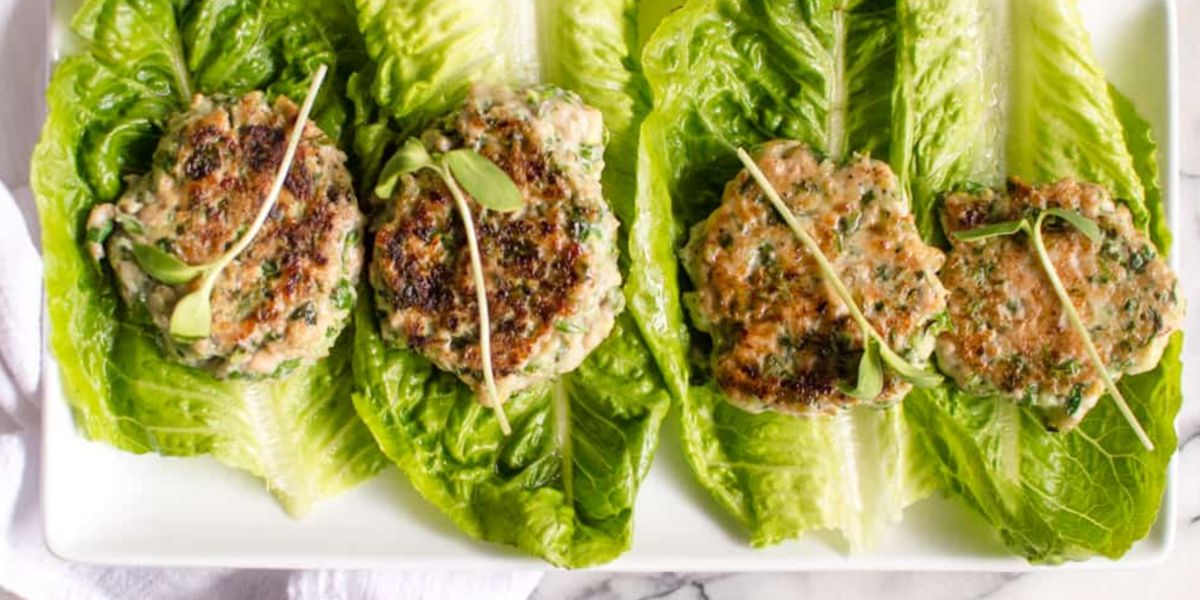
Ingredients
- 3 large courgettes, shredded.
- 4 tablespoons ricotta cheese.
- Cooked chicken breast (about 700-800gr to make burgers of just over 100gr) but you can use as much as you need.
- Salt and spices to taste.
| Nutritional Information per serving | |
|---|---|
| Calories: | 189kcal |
| Fat: | 5,2g |
| of which saturates: | 1,9g |
| Carbohydrates: | 2,5g |
| of which sugars: | 0,9g |
| Fiber: | 0,6g |
| Proteins: | 1,9g |
| Salt: | 0,6g |
How to make: Chicken and Courgette Burgers
| Preparation time: | 10 minutes |
| Cooking time: | 15 minutes |
| Portion size: | 1 Burger |
| Number of servings: | 6 |
| Cooking style: | American |
- Stir-fry the shredded courgette for 5 minutes over high heat. Then, pour into a colander and squeeze out the liquid to form a dough.
- Mix with the ricotta, minced chicken breast, salt, and spices.
- Shape your burgers, scooping up individual portions of the mixture with a spoon. Fry in the frying pan until golden brown on both sides.
For every day of the week you can make great healthy fast food options.
Lunches
- Monday: Nuggets and fries in the air fryer without oil.
- Tuesday: Chicken burritos in fajita-style tortillas.
- Wednesday: Chickpea burgers, similar to those described above.
- Thursday: Baked potatoes, lean ground beef in a fat-free, sugar-free yoghurt sauce.
- Friday: Baked chicken breasts breaded with almond flour and salad with vegetables such as tomatoes, maize, carrots, etc.
Dinners
- Monday: Pizza with cauliflower or chicken base, sundried tomatoes, peppers and mushrooms to taste.
- Tuesday: Courgette burgers with chicken in pita bread.
- Wednesday: Tomato quiche with egg and egg whites in the oven.
- Thursday: Veggie omelette with egg and egg whites and wholemeal bread.
- Friday: Roasted chicken with bread.
We hope we’ve given you some new ideas that will make your day-to-day life easier and make your menus healthier without resorting to fast food. If you have any star recipes, we look forward to hearing from you!
Bibliography
- https://medicoplus.com/nutricion/comida-chatarra
- “Adictos a la comida basura” Michael Moss
- “Comida chatarra, estado y mercado” María Matilde Schwalb y Cynthia A. Sanborn 2020
- Opinión y experiencias personales
Related Entries
To complete the article, what do you think of these tips?
Variety - 100%
Healthy - 100%
Easy to make - 100%
Recommendations - 100%
100%