Fitness, Nutrition, Health and Sports Blog In the HSNstore Blog you will find tips about Fitness, sport in general, nutrition, and health – HSNstore.com

Stretching the psoas will involve maintaining a correct muscular balance, and avoiding possible decompensations. Try these 6 exercises.
Exercise 1: Psoas through hip extension in large opening
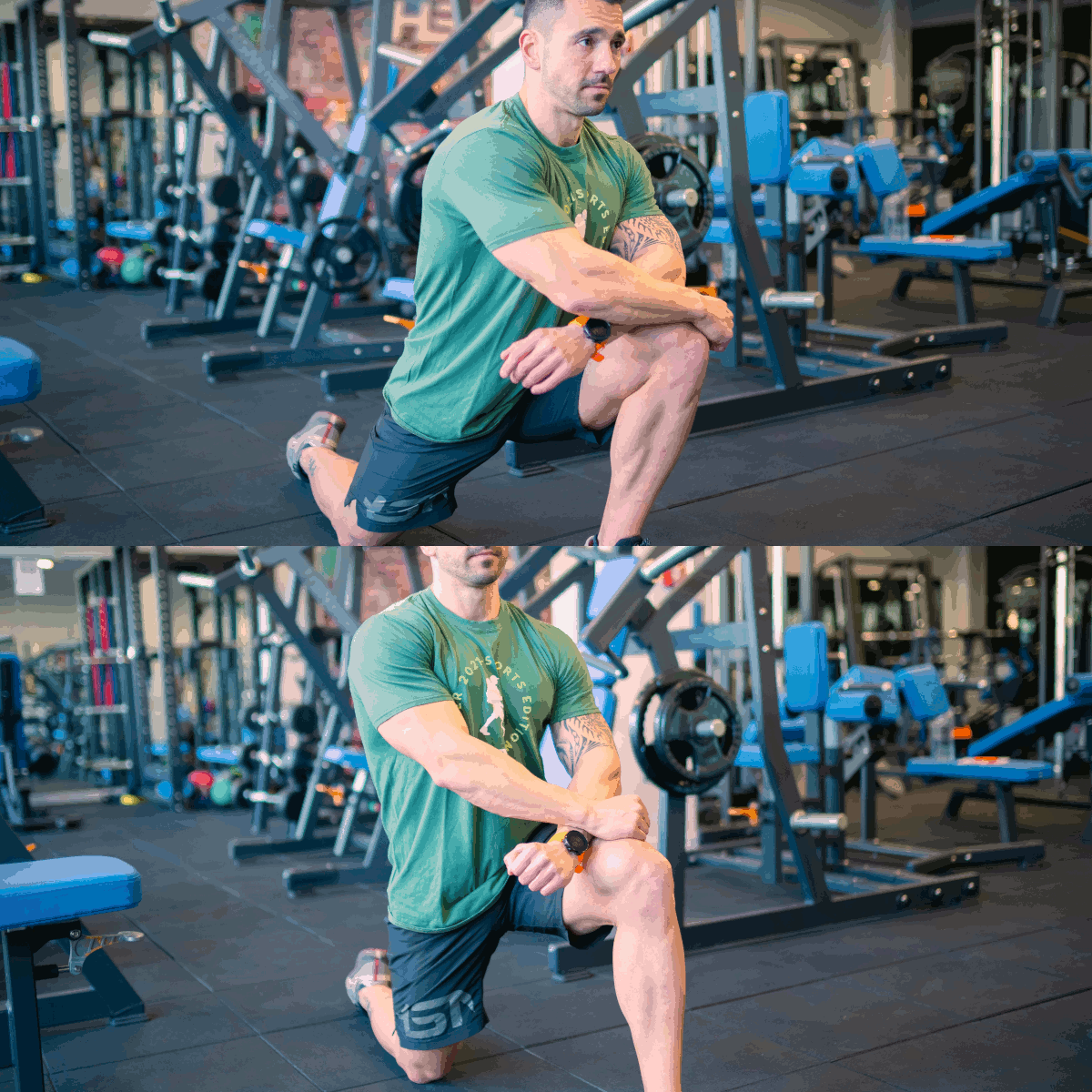
- Pronounced forward bend, forearms resting on the front knee, pelvis very low and front knee bent and touching the ground.
- Posterior knee extension, without lifting the pelvis and without sinking the kidneys.
Exercise 2: Psoas, hindfoot elevated
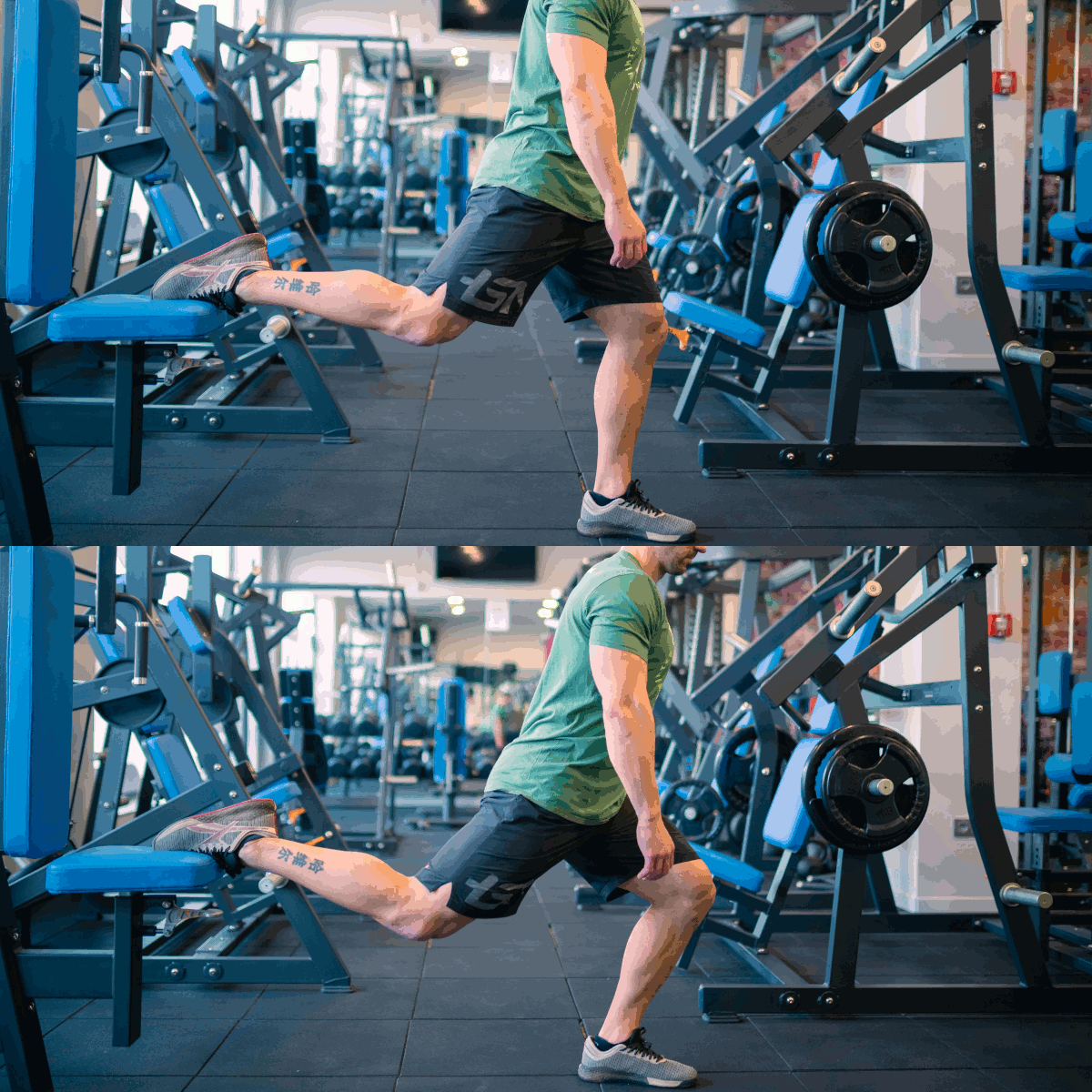
- Front knee semi-flexed, back knee semi-flexed, back of foot resting on a stool and trunk upright.
- Extension of the back knee without stretching the supporting leg.
Exercise 3: Psoas in kneeling position, by retroversion and extension.
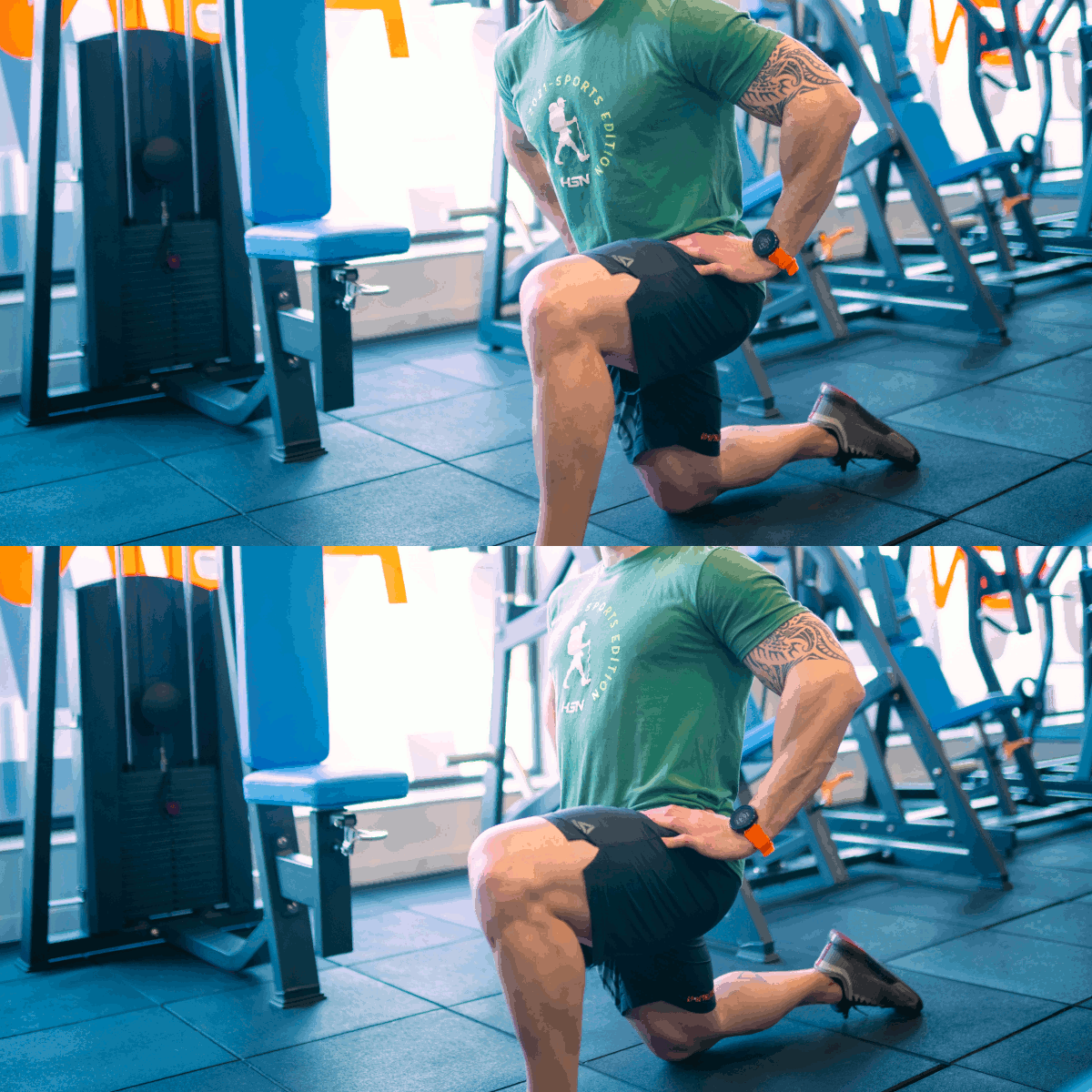
- Bend the right knee.
- Retroversion of the pelvis flattening the lumbar region.
- Bring the pelvis forward while maintaining retroversion.
Exercise 4: Psoas by retroversion and extension, in standing position

- Semi-open forward and both knees semi-flexed.
- Retroversion of the pelvis flattening the lumbar region.
- Knee extension without rising. The trunk is kept straight during the two successive phases of the exercise. Placing the hands on the iliac crests helps to better perceive the retroversion of the pelvis and its stiffness in c.
Exercise 5: Psoas by retroversion and abduction

- Semi-open forward, hind foot separated in slight internal rotation, pelvis facing and anterior knee semi-flexed.
- Retroversion of the pelvis flattening the lumbar region.
- Lower the right hip without tilting the trunk and maintaining retroversion.
Exercise 6: Psoas, knee elevated
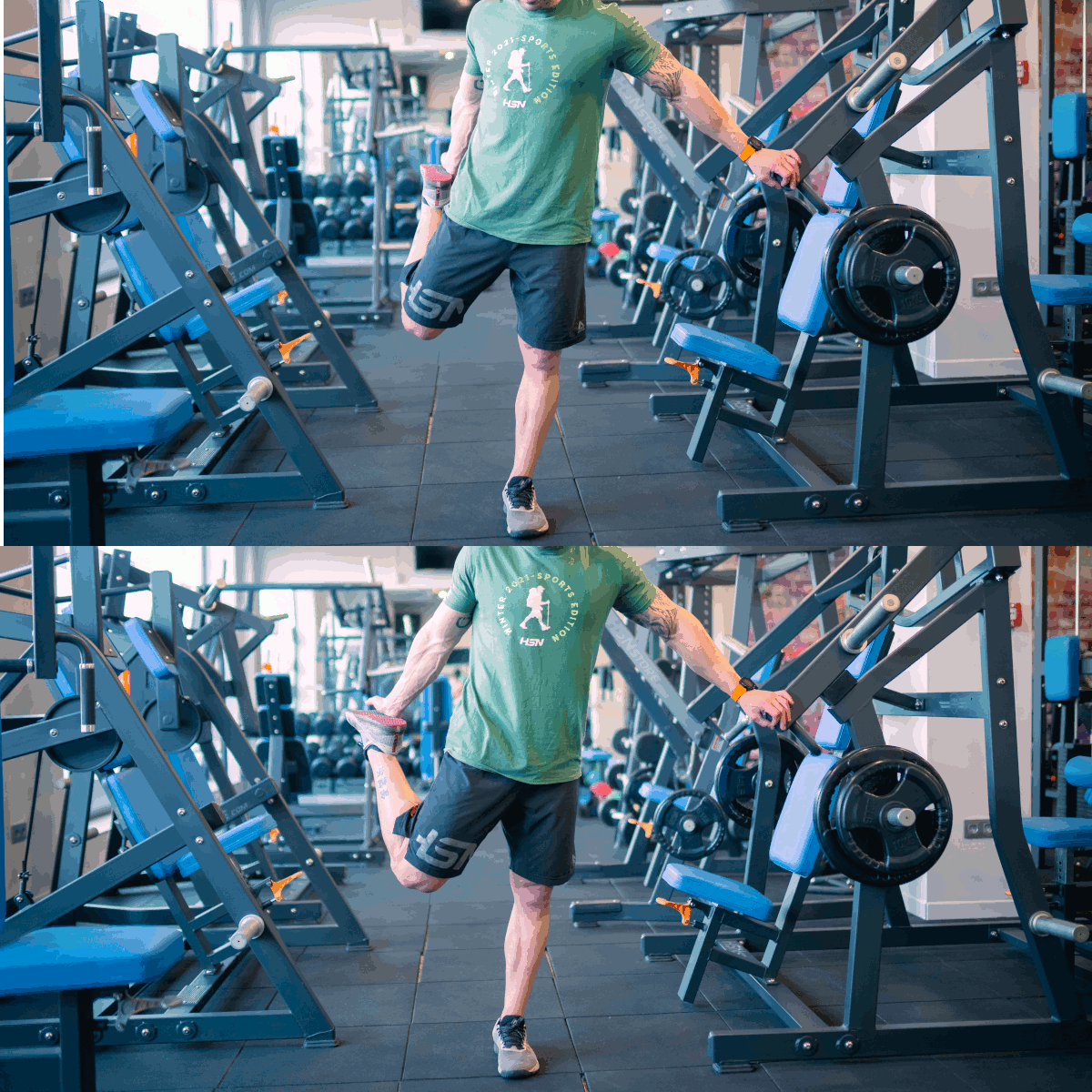
- Standing in profile in relation to the plane of support and forearm supporting the foot towards the right gluteus.
- Rotate the pelvis away from the plane of support.
- In the starting position, the supporting foot on the ground is slightly open to allow rotation of the pelvis without having to shift the foot.
Related Entries
- Back pain: pay attention to the psoas.
- Pyramidal Syndrome, Symptoms, Causes, Treatment and Exercises