Fitness, Nutrition, Health and Sports Blog In the HSNstore Blog you will find tips about Fitness, sport in general, nutrition, and health – HSNstore.com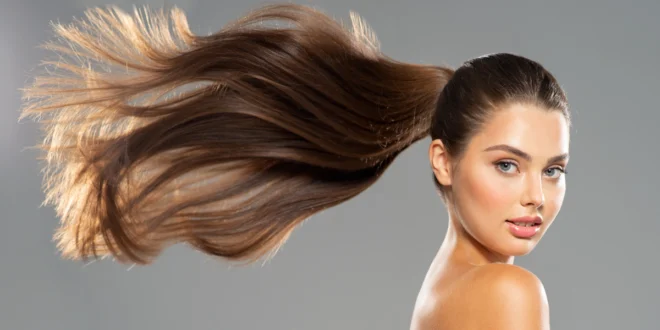

Healthy hair is a reflection of a healthy body which, to a large extent, is a reflection of a healthy lifestyle. Therefore, diet is the key factor in maintaining healthy hair. Nothing could be simpler.
Causes of hair loss
One of the main causes of hair loss is a nutritional deficiency.
Mineral deficiencies or excesses are most common, typically low levels of iron, calcium, magnesium, chromium and zinc and high levels of copper.
Minerals for hair
The intake of minerals in our diet not only prevents us from diseases, but also has other important factors such as healthy nails, skin and hair.
Men and women lose an average of 80-150 hairs per day as part of the life cycle of hair. Hair growth takes place at an average of 1/2 inch per month.
What are the basic minerals for hair?
Zinc
Brittle nails, white spots, dry, weak hair and flaky skin with acne may be signs of zinc deficiency in the body.
Easily caused bruises and slow healing of wounds may be another sign of low zinc levels.
Low zinc levels are sometimes caused by high copper levels. Zinc is an essential mineral for many enzymatic reactions in the body. These include energy production and protein formation. Zinc also helps to keep the immune system strong.
Copper
Copper is an essential mineral for the formation of a very strong chemical bond in hair and skin called the disulphide bond. Copper is essential in the formation of pigmentation (colour) in hair and skin.
Calcium
Calcium is an essential mineral for the development of bone structure and is very important for the proper functioning of the nervous system. Bone-related problems, muscle contractions and cramps as well as hair loss can be closely related to a calcium deficiency.
Magnesium
Magnesium is essential for energy production and the proper functioning of the nervous system. A deficiency of this mineral can cause muscle contraction, cramps, low energy levels and irritability.
Chromium
Chromium is an important part of the glucose tolerance factor, which helps the body’s cells to respond to insulin. A chromium deficiency is a common occurrence, due to food refining.
A deficiency of this mineral is strongly linked to the development of hypoglycaemia (low blood sugar) and diabetes mellitus (high blood sugar).
The importance of vitamins
Vitamin A is essential for building the structure of the dermis and its deficiency can lead to flaky acne and dry, brittle hair. Vitamin B complex is essential for staying healthy. A deficiency of any of the B vitamins is something that will be noticeable in the appearance of the skin and hair. The essential group of vitamins that contribute to hair health, strength and prevent hair loss are B5 and H. B6 helps prevent hair loss.Bibliographic sources
- Król E, Bogdański P, Suliburska J, Krejpcio Z. The Relationship between Dietary, Serum and Hair Levels of Minerals (Fe, Zn, Cu) and Glucose Metabolism Indices in Obese Type 2 Diabetic Patients. Biol Trace Elem Res. 2018 Aug 8. doi: 10.1007/s12011-018-1470-3.
Related Entries:
- Myths about hair loss
- How to treat alopecia to prevent hair loss
- Food with Vitamins and Minerals