Fitness, Nutrition, Health and Sports Blog In the HSNstore Blog you will find tips about Fitness, sport in general, nutrition, and health – HSNstore.com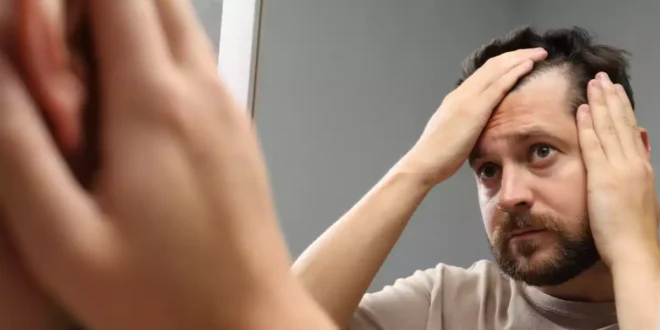

The hair has a personal, cultural, and social significance far greater than we usually imagine. Although it does not serve a vital function in humans, its psychological value is enormous, and in many cases, people are not truly aware of it until hair loss begins.
For centuries, society has given hair a prominent role as a symbol of health, youth, and attractiveness. For this reason, hair loss can become a source of concern, affecting not only personal appearance but also emotional well-being.
What is alopecia and when should we be concerned?
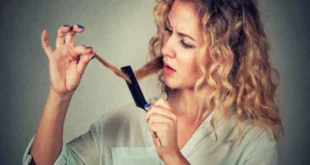
Hair loss is a natural process that affects both men and women. In general terms, it is considered normal to lose up to around 100 hairs per day. However, when this number is consistently exceeded, we are dealing with abnormal hair loss that can lead to alopecia.
In these cases, it is important not to ignore the signs and to try to identify the cause as early as possible, since early intervention can make a significant difference in the progression of the condition.
The psychological impact of hair loss
Alopecia does not only have visible physical consequences. Its psychological and social impact can be considerable. We live in a society that associates aesthetics, presence, and a well-groomed appearance with health and balance, which means that hair loss can affect self-esteem and personal confidence.
This situation is further aggravated by the large number of supposed “miracle” remedies that promise quick results. Aggressive advertising and false expectations can lead to frustration, when in reality an appropriate approach requires consistency, information, and a realistic mindset.
Alopecia in women: a common reality
Although alopecia has traditionally been associated with men, hair loss in women is increasingly common. In this case, it usually appears as a progressive reduction in hair density, especially on the top of the head, rather than as visible baldness.
In many cases, female alopecia is related to hormonal imbalances and may coincide with other signs such as acne, the appearance of facial hair, or changes during the menstrual cycle.
Main symptoms of alopecia
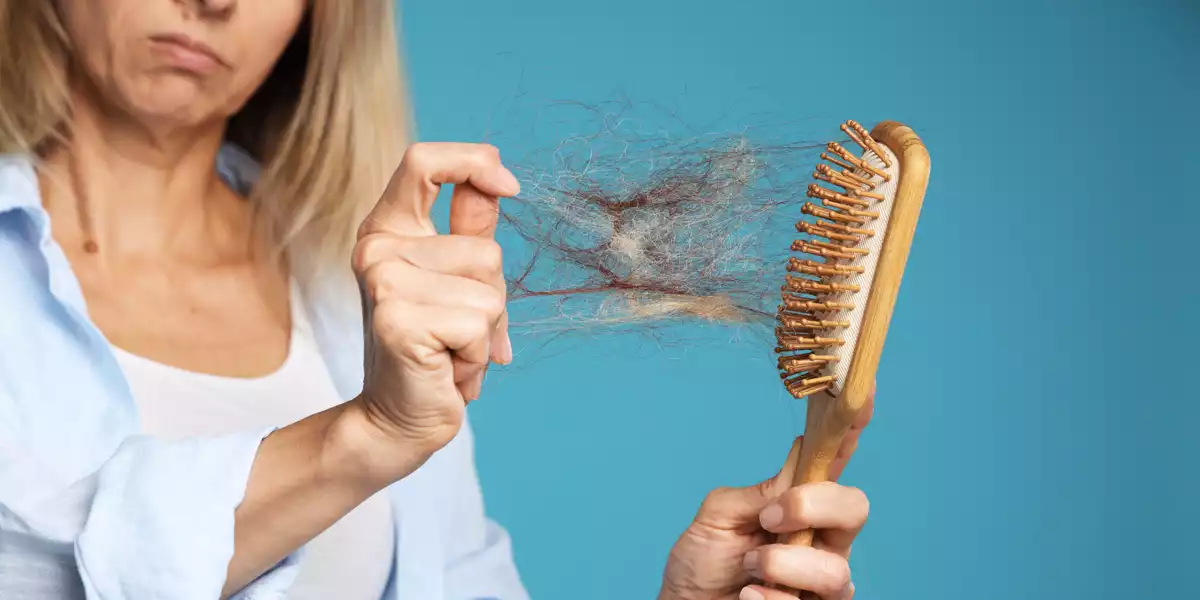
Alopecia does not appear suddenly. There are signs that can alert us that something is not right. Among the most common are itching or discomfort on the scalp, excessive hair loss when brushing or washing the hair, excess oil or dandruff, and hair loss at an early age, even during adolescence or before the age of 30.
Detecting these symptoms early makes it possible to act before the hair loss becomes more noticeable.
Why does alopecia occur?
The causes of alopecia are varied and, in many cases, overlap with one another.
- Genetic predisposition is one of the most common causes, especially in androgenetic alopecia.
- Stress, both physical and emotional, also plays a fundamental role and can trigger intense hair loss during periods of high nervous strain.
Most common types of alopecia
- Androgenetic alopecia: this is the most well-known form and has a strong genetic component. It develops progressively and mainly affects men, although it can also occur in women.
- Alopecia areata: characterized by hair loss in localized areas, leaving hairless patches. It is more common in young people and, in some cases, can progress to more extensive hair loss.
- Diffuse alopecia: usually related to illness, hormonal changes, or nutritional deficiencies, and causes generalized hair loss.
- Traumatic alopecia: results from external factors such as excessive use of hair dryers, aggressive hairstyles, dyes, or inappropriate hair products.
Treatments to prevent hair loss
The treatment of alopecia must be approached in a comprehensive manner. Proper scalp hygiene, using shampoos suited to each hair type, is the first step. In some cases, small doses of retinoic acid are used to reduce sebaceous secretion.
Scalp massages also play an important role, as they stimulate blood circulation and promote follicle activity. Likewise, hair lotions, laser treatments, or ultraviolet radiation can be effective when applied in the early stages.
Currently, one of the most commonly used treatments is minoxidil, applied topically in concentrations ranging from 2% to 5%. In some cases, it is complemented with vitamins, amino acids, and essential minerals for hair growth.
The use of finasteride is another option for certain patients, always under medical supervision, as it is a treatment that requires professional monitoring and should not be used without proper control.
Supplements to support hair maintenance
In addition to topical treatments, nutritional supplementation can be an interesting support for hair maintenance, especially when hair loss is related to hormonal factors such as dihydrotestosterone (DHT).
In this context, DHT-Block Care by EssentialSeries stands out, formulated with plant extracts, phytosterols, minerals, and vitamin B6. Its composition combines carefully selected ingredients to act in a synergistic way on processes related to hormonal balance, testosterone metabolism, and the maintenance of normal hair conditions.
- The formula includes zinc and vitamin B6, two key micronutrients that contribute to the regulation of hormonal activity and the maintenance of hair.
- The saw palmetto extract (Serenoa repens) has proven to be an inhibitor of the 5-alpha-reductase enzyme, preventing the conversion of testosterone into dihydrotestosterone (DHT), which is the main cause of baldness and BPH (Benign Prostatic Hyperplasia), representing a valuable natural alternative.
- The pumpkin seed extract (Cucurbita pepo) has shown interesting applications in supporting hair maintenance, as its bioactive compounds may help modulate processes related to hormonal metabolism and the prostatic environment, factors that indirectly influence DHT-associated hair loss.
- The bark extract of Pygeum africanum has traditionally been used to support prostate and urinary well-being and, thanks to its phytosterol content, may help improve the functional balance associated with hormonal activity involved in hair loss.
- Plant phytosterols, with particular emphasis on beta-sitosterol, have a structure similar to cholesterol and have been studied for their ability to support the control of processes related to DHT activity, making them a component of interest in strategies aimed at slowing hair loss.
- Epigallocatechin-3-gallate (EGCG), the main polyphenol in green tea, has generated notable interest in the field of hair health due to its role in supporting the hair follicle environment and regulating biological mechanisms related to hair loss.
DHT-Block Care is presented as a practical option within a global strategy against hair loss, especially when seeking ongoing and well-tolerated nutritional support.
Conclusion: the importance of acting early
Alopecia can be successfully treated if it is detected early and addressed with consistency. The combination of proper scalp care, appropriate treatments, and correct nutritional support allows for very satisfactory results.
The key is not to let time pass and to adopt a comprehensive approach that takes into account both external and internal factors.
Related Posts