Fitness, Nutrition, Health and Sports Blog In the HSNstore Blog you will find tips about Fitness, sport in general, nutrition, and health – HSNstore.com

- Aromatase is an enzyme (protein) that occurs in both men and women, expressed in tissues such as the gonads, brain, adipocytes, bone, and other body regions, responsible for converting male hormones (androgens) into female hormones (estrogens).
- In the body, it is important in early stages for sexual differentiation, however, its biological activity, especially in women, is also important at other times in life.
Maintaining good aromatase enzyme activity is important because:
- Its deficiency (rare and mostly congenital due to genetic causes) leads to early virilization in women, and the development of amenorrhea or directly not menstruating at the appropriate age.
- Aromatase excess syndrome, which is more common and usually conditioned by epigenetic causes, poses a risk for the development of breast cancer in women, infertility, gynecomastia in men, mood changes, and other unwanted effects.
Natural Foods and Supplements as Aromatase Inhibitors
Maca
Maca root (Lepidium meyenii) and its extracts are produced using the plant found in the Andean region of South America. Its interest in aromatase lies in the fact that maca root contains high levels of flavonolignans and glucosinolates which are compounds that have been shown to inhibit the expression of aromatase activity in certain tissues in preclinical trials (Dell’Acqua et al., 2020), making the consumption of maca positive for managing mild hyperactivity syndromes of the enzyme.
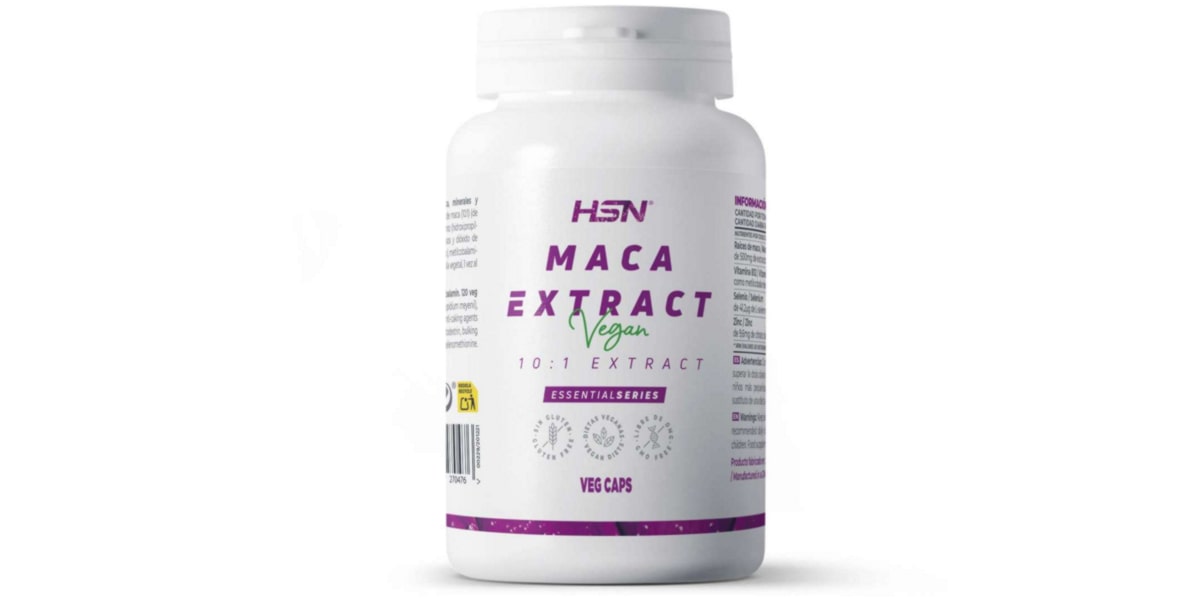
Andean Maca Extract (10:1) 500mg
Wild Nettle Root
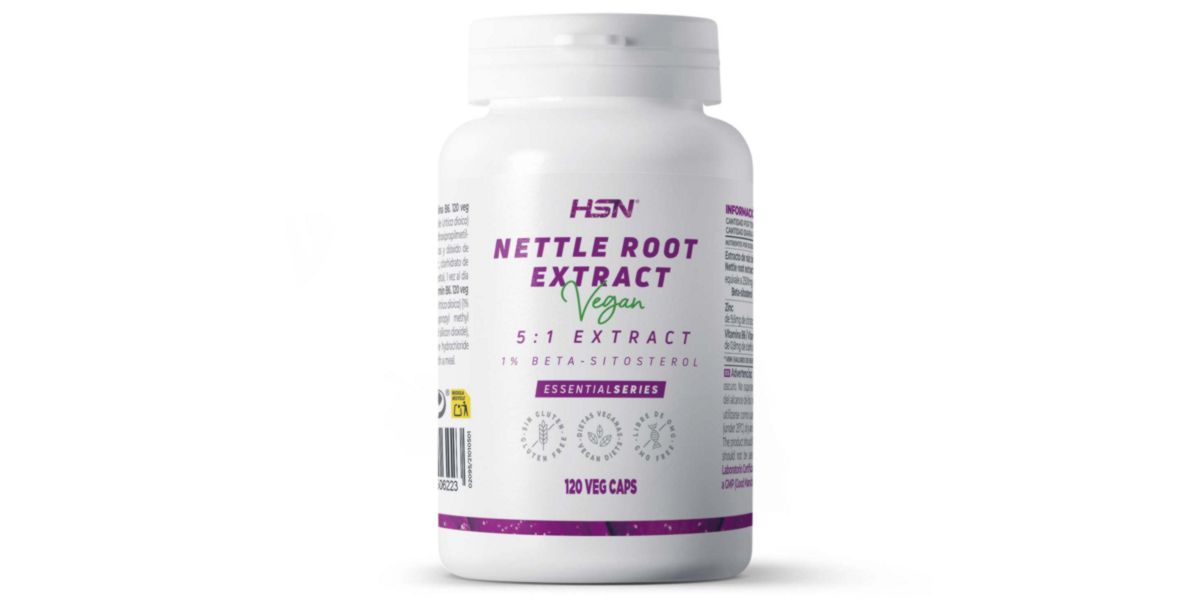
Nettle root (Urtica dioica) contains naturally occurring compounds that have shown in vitro, the ability to inhibit the action of aromatase with a mild – moderate affinity; among them are: secoisolariciresinol, oleanolic and ursolic acids, (9Z,11E)-13-hydroxy-9,11-octadecadienoic acid, and 14-octacosanol (5) (Gansser and Spiteller, 1995).
Nettle could be a good tool to help regulate mild cases of hyperexpression of aromatase and a predominant estrogenic environment.
Quercetin, Resveratrol, Oleuropein, and Other Flavonoids
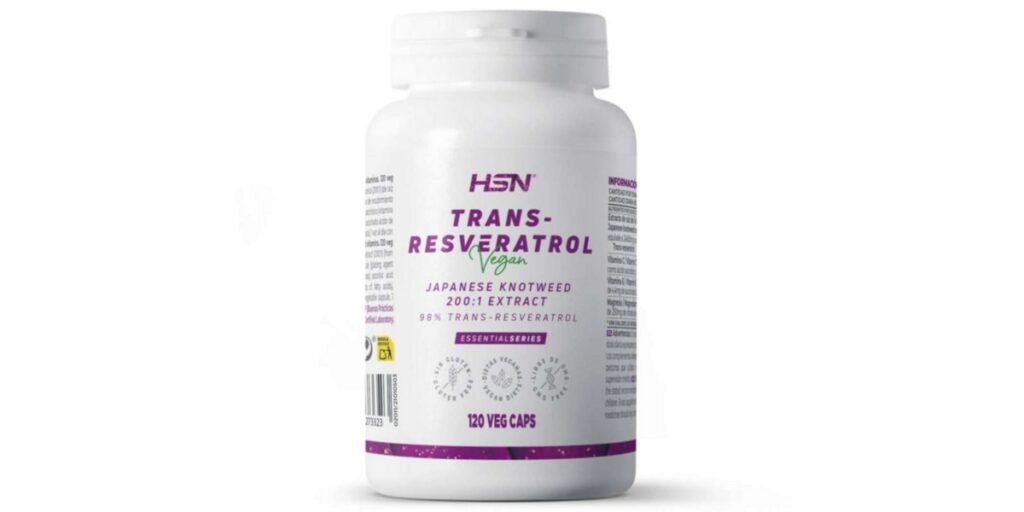
Flavonoids known in human nutrition for their beneficial properties on antioxidant levels and metabolic health could have a relevant activity as inhibitors of aromatase enzyme activity, especially the one expressed in undifferentiated adipocytes, which could have positive effects on conditions of enzyme hyperexpression, such as gynecomastia in males (Shah et al., 2022)
Calcium D-Glucarate
Calcium glucarate has an interesting effect in reducing estrogen levels, unlike other compounds on this list, not mediated by the control of aromatase expression, but by:
- Supporting the glucuronidation system in phase 2 of hepatic detoxification.
- In the reconjugation of toxins at the digestive level, especially in dysbiotic environments characterized by E. Coli infection.
These manifestations, without glucuronic acid (the conjugated acid of D-Calcium glucarate), increase exposure to steroid hormones such as estrogens.
Grape Seed Extract
Grape seed extract, as you can find in OPC Complex from HSN, shares a common mechanism of action with flavonoids, since thanks to its content of Oligomeric Proanthocyanidins, specific polyphenols of the Vitis vinifera seed, the plant extract is capable of reducing the activity and expression of aromatase (Kijima et al., 2006).
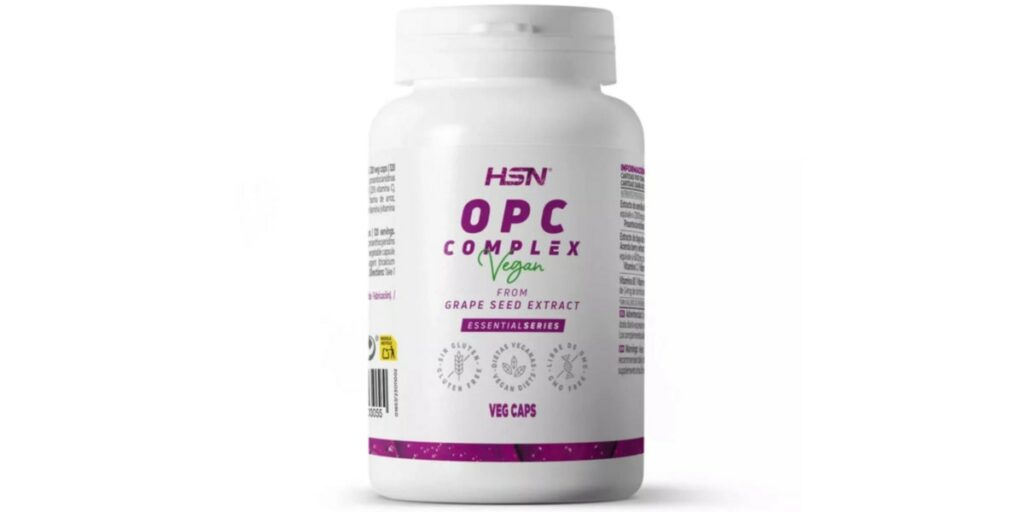
OPC Complex (Grape Seed Extract)
Kale and Other Cruciferous Vegetables
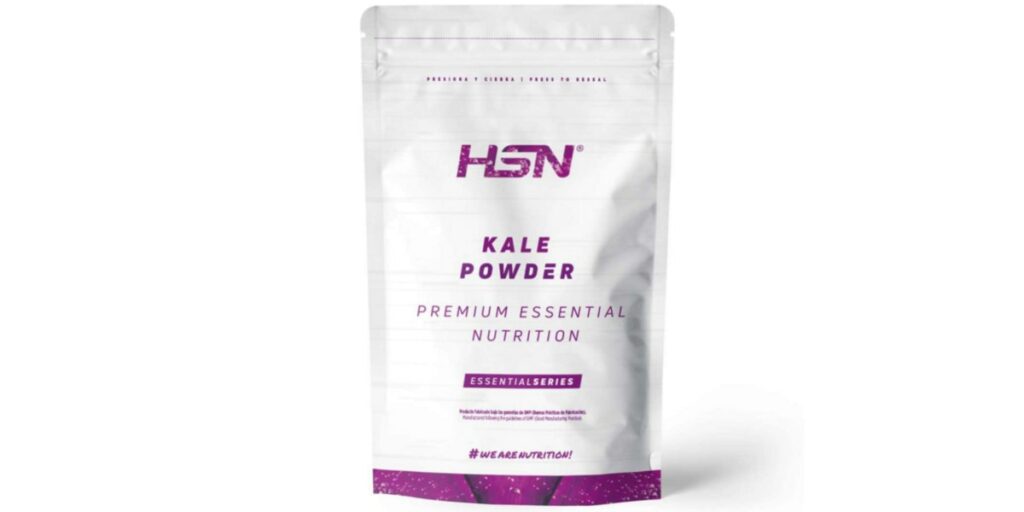
Cruciferous vegetables, such as kale, broccoli, or cauliflower, contain a series of isothiocyanates, such as allyl isothiocyanate, I3C and its metabolite: DIM; and sulforaphane; which have shown inhibitory activity on the activity of aromatase.
Indeed, the consumption of significant amounts of cruciferous vegetables in cases of hyperexpression of aromatase or an unwanted estrogenic environment, is recommended for both men and women.
Lifestyle for Reducing Estrogens
Above other tools, behavior, that is, lifestyle is key to controlling the expression of aromatase whenever a deregulation in its activity is not due to a genetic cause or non-metabolic illness.
Exercise and Diet Focused on Weight Loss
One of the main tissues of expression of the enzyme that converts androgens into estrogens is fatty tissue, aromatization is a process that at a systemic level (not local, as occurs with aromatization in the brain which is not dangerous at the levels we are evaluating in this article) is regulated fundamentally in fatty tissue.
Men and women with obesity are more predisposed to suffer disorders derived from anunbalanced estrogenic environment due to increased activity and expression of the aromatase enzyme.
Therefore, managing fat tissue, the size of adipocytes and especially, the number of these, something achieved by avoiding weight gain, and maintaining low percentages of fat over long periods of time, is a preventative factor for these conditions linked to aromatic activity.

Reducing Exposure to External Toxins: Environmental Pollutants
Many environmental toxins, such as bisphenols, phthalates, atrazine, polychlorinated and polybrominated biphenyls; which we can find in industrial waste emissions, plastic treatment, pesticides, and other means; can cause endocrine disruptions (in fact known as endocrine disruptors), catalyzing an erratic increase in the activity of aromatase.

Reducing Alcohol and Tobacco Consumption
Alcohol and tobacco are pollutants, and although occasional consumption or controlled exposure to these has not been clearly associated with a significant change in the hormonal environment, we know that, for example, habitual drinkers, especially when they are moderate-large daily alcohol drinkers, have estrogen levels up to 18% higher than those of non-habitual drinkers (Frydenberg et al., 2015), and this is just another manifestation of endocrine disruption.
Conclusions
- Aromatase is the enzyme that converts androgens to estrogens and has a relevant biological role in regions of the organism.
- However, with the increase in adiposity associated with modern society, its systemic expression has become uncontrolled, potentially causing health problems in the medium and long term, in addition to a considerable aesthetic impact in the short term.
- Recovering a more natural and healthy lifestyle, along with managing body fat percentage is the most effective strategy for controlling the expression and activity of aromatase.
Additionally, there are natural compounds that can help manage these conditions as long as they are not pathological, in which case, the endocrinologist evaluating the case may prescribe more potent and selective aromatase inhibition pharmaceutical treatments than those that can be achieved with the use of dietary supplements (although the same endocrinologist may recommend maintaining the use of certain supplements during treatment, as support).
Bibliographic References
- Calcium-D-Glucarate: Breast cancer and estrogen clearance. (2019). Fx Medicine. https://www.fxmedicine.com.au/sites/default/files/Calcium-D-glucarate-Breast_cancer.pdf
- Dell’acqua, G., Richards, A., & Julie Thornton, M. (2020). The potential role of nutraceuticals as an adjuvant in breast cancer patients to prevent hair loss induced by endocrine therapy. Nutrients, 12(11), 1–24. https://doi.org/10.3390/nu12113537
- Frydenberg,H., Flote, V. G., Larsson, I. M., Barrett, E. S., Furberg, A. S., Ursin, G., … Thune, I. (2015). Alcohol consumption, endogenous estrogen and mammographic density among premenopausal women. Breast Cancer Research, 17(1), 103. https://doi.org/10.1186/s13058-015-0620-1
- Gansser, D., & Spiteller, G. (1995). Aromatase inhibitors from Urtica dioica roots. Planta Medica, 61(2), 138–140. https://doi.org/10.1055/s-2006-958033
- Kijima, I., Phung, S., Hur, G., Kwok, S. L., & Chen, S. (2006). Grape seed extract is an aromatase inhibitor and a suppressor of aromatase expression. Cancer Research, 66(11), 5960–5967. https://doi.org/10.1158/0008-5472.CAN-06-0053
- Shah, U., Patel, A., Patel, S., Patel, M., Patel, A., Patel, S., … Gandhi, K. (2021). Role of Natural and Synthetic Flavonoids as Potential Aromatase Inhibitors in Breast Cancer: Structure-Activity Relationship Perspective. Anti-Cancer Agents in Medicinal Chemistry, 22(11), 2063–2079. https://doi.org/10.2174/1871520621666211026101252
Related Entries