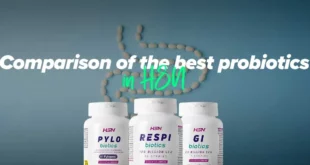
Fitness, Nutrition, Health and Sports Blog In the HSNstore Blog you will find tips about Fitness, sport in general, nutrition, and health – HSNstore.com
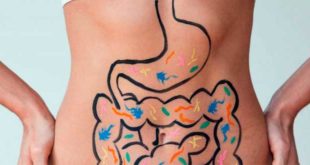
 We can define Intestinal Flora (or microbiota) as the set of microorganisms that live in perfect symbiosis in our intestine. Although we often ignore them, these “inhabitants” are vital for our survival.
- HSN Fact: The total number of these bacteria can weigh up to two kilos (similar to our liver). It is made up of one hundred trillion bacteria from between 500 and 1,000 different species. 95% of them live in the colon.

Vital functions of the microbiota
The flora is the organ most in contact with the outside world and, therefore, our first line of defence. Its functions go far beyond digestion:
?️ Protective function: They prevent the implantation of pathogenic bacteria, viruses, parasites and fungi (Barrier Effect).
? Nutritional function: They promote the synthesis of vitamins (K and B), facilitate the absorption of calcium and iron, and generate energy for the intestinal mucosa.
? Immunological function: They activate and strengthen our defences. In fact, most of our defences are found in this area.
? Gut-brain axis: They affect brain function; damaged flora is linked to mood disorders.
Common problems and Dysbiosis
When the balance of these bacteria is disrupted, we enter what is known as Dysbiosis. The flora is threatened by modern factors such as stress, alcohol, a diet rich in processed foods and, above all, medication.
Antibiotics, although necessary, can partially destroy the flora, which takes months to regenerate. This leaves the mucosa unprotected and vulnerable to attacks, potentially leading to more serious problems.
⚠️ The danger of Leaky Gut: If the mucosa has “leaks”, toxins enter the bloodstream, generating autoimmune reactions and allergies.
Read HSN articles
Leaky gut syndrome, how to recognize it and what diet to follow
1 min. of reading 0

The intestinal walls allow nutrient absorption and act against toxins and leftover food that can …
Caprylic Acid – Natural remedy against candida infection
1 min. of reading 1
Caprylic acid comes from breast milk, coconut or palm oil. It is a substance that …
How we can care for intestinal flora
To regenerate the flora, we need to distinguish and combine two important tools:
1. Probiotics (The seeds)
These are living organisms that we take orally. To be effective, they must resist stomach acid and bile in order to reach the intestine active. They help to prevent diarrhoea, constipation and restore balance after taking antibiotics.
2. Prebiotics (The food)
These are non-digestible dietary ingredients (fibre) that serve as “food” for good bacteria. Particularly noteworthy are inulin, apple fibre and pectin.
The secret? Synergy. The simultaneous use of both (Synbiotics) is the most effective strategy for maintaining a strong and healthy immune system.
Read more HSN articles
Probiotics – What are they, What are their benefits for Health
1 min. of reading 0
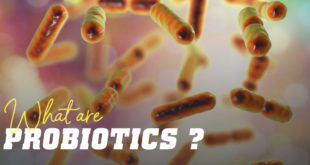
Let’s find out why probiotics can improve our gut health and keep us healthy. You …
Inulin and its benefits for intestinal health
1 min. of reading 0
This time, we are going to talk about inulin, its properties and effects on intestinal …
Apple Fiber
1 min. of reading 0

We tell you what apple fibre is, a superfood full of properties. What is Apple …
Prebiotics: Benefits and Properties
1 min. of reading 0
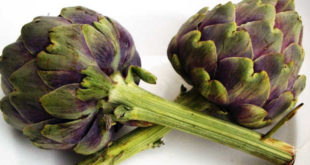
We have to draw a distinction between probiotics and prebiotics. Both of them are essential …
Looking to restore your balance? Visit the catalogue of Probiotics and Digestive Health supplements at HSN.
Specific strains: Which one do I need?
Not all probiotics are used for the same purpose. Depending on your condition or need, there are specific strains (such as the well-known Lactobacillus acidophilus for the colon) that act in a precise way.
Detailed information on the most studied strains
Lactobacillus reuteri for oral health
1 min. of reading 0

They are considered live microorganisms taken as probiotics to recover, care for, or maintain digestive …
Lactobacillus helveticus, the most effective probiotic
1 min. of reading 0
Lactobacillus helveticus is a lactic acid bacteria found in all high-quality probiotics. Lactic acid bacteria …