Fitness, Nutrition, Health and Sports Blog In the HSNstore Blog you will find tips about Fitness, sport in general, nutrition, and health – HSNstore.com

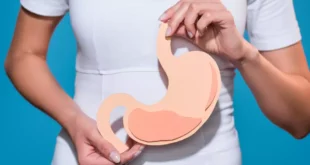
They are considered live microorganisms taken as probiotics to recover, care for, or maintain digestive health. This lactic acid bacteria has a particularly positive effect, especially for the digestive health of babies and young children.
What is lactobacillus reuteri?
It’s a type of bacteria for the intestinal tract currently used as a probiotic, both in adults and kids.
The good microorganisms living in the gut decrease in number due to antibiotics, daily stress, diet changes, or even lack of physical exercise. This causes an imbalance in the digestive system and, in turn, leads to issues like stomach aches or food intolerances.
Taking probiotics that include lactobacillus reuteri helps balance the digestive health of the body.
A lactic acid bacteria that’s becoming rarer
For millions of years, the bacteria Lactobacillus reuteri lived in the healthy human gut. In the 1960s, lactic acid probiotic bacteria could still be found in the intestines of 30 or 40% of the population. Today, only between 10 and 20% of people have this beneficial gut bacteria.
“Nowadays, we no longer eat fermented foods like sauerkraut, and instead use artificial preservatives that kill bacteria not only in the food itself but also in our intestines.”
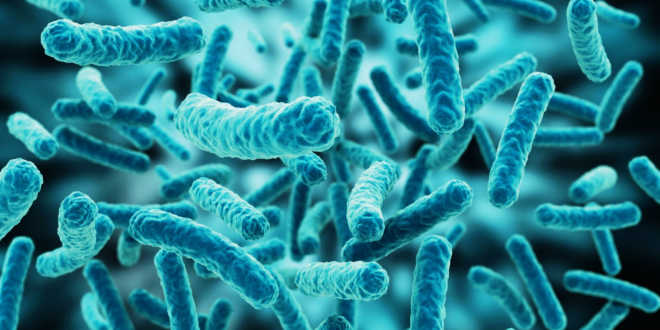
Properties of lactobacillus reuteri
Known as one of the ‘friendly’ bacteria in the body, they help break down food in the stomach. They also help absorb nutrients into the bloodstream and eliminate waste or elements that don’t positively contribute to the body.
- Produces lactic acid that lowers fatty acids and intestinal pH.
- Inhibits E. Coli by producing reuterin.
- As a strain (clinical trial in humans), it’s classified as evidence A in managing acute diarrhea.
- Safe for kids and people with diabetes.
Benefits of lactobacillus reuteri
As mentioned, lactobacillus reuteri is a strain, which means, besides having proven benefits in humans, it’s a unique probiotic. Not all probiotics act the same just because they’re probiotics. Each treatment works based on its recognized and published effects.
- Improves digestive health.
- Boosts intestinal defenses.
- Balances the microbiota.
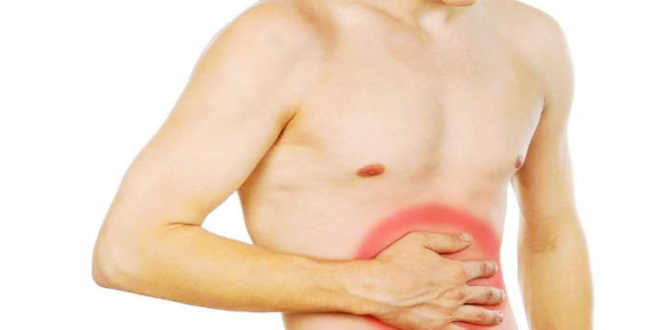
Constipation
Each treatment could also increase bowel movement frequency in some people.
For this, specialists recommend taking lactobacillus reuteri for four to eight weeks.
Traveler’s intestinal issues
Taking lactobacillus reuteri can improve traveler’s diarrhea. This happens when unfamiliar bacteria attack the intestinal tract of people on trips or travels.
The reuteri probiotic won’t act the same against all bacteria encountered during travel, so its effect may vary.

Preventing antibiotic-associated diarrhea
Various studies have shown that taking probiotics with only lactobacillus reuteri can prevent diarrhea caused by antibiotics in the intestinal tract.
This analysis was done within the first two days of antibiotic use and continued for about three days after stopping them.
Effects of Lactobacillus reuteri on healthy gums and plaque reduction
Sinkiewicz’s studies focused on Lactobacillus reuteri’s effects on digestion and oral health. She noted its presence significantly reduces the risk of gingivitis. Dental plaque formation is notably reduced when this lactic acid bacteria is present.
“Numerous studies show Lactobacillus reuteri is very effective and has considerable benefits for oral health.”
Her studies, published in a Swedish journal in 2006, showed that taking Lactobacillus reuteri for two weeks can stop plaque and gingivitis. The study involved 59 patients with moderate or severe gingivitis, who received either this probiotic or a placebo.
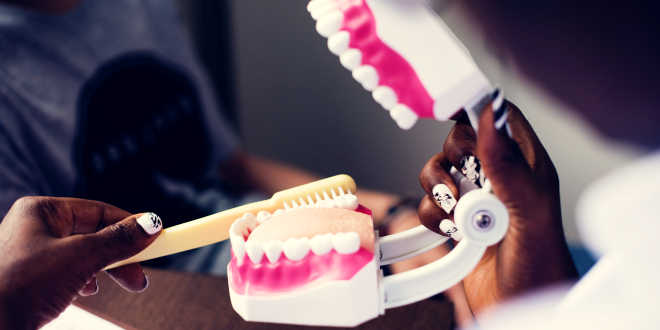
Participants also received detailed instructions on proper oral hygiene. These measures improved gingivitis in the placebo group but didn’t affect plaque.
Lactobacillus reuteri for babies
In recent years, studies have shown how microbiota disturbances in early life lead to chronic and acute gastrointestinal diseases. That’s why giving babies probiotics with lactobacillus reuteri strengthens intestinal defenses is essential during early ages and infancy.
Benefits studied include:
- Gastric motility
- Food tolerance
- Bowel habits
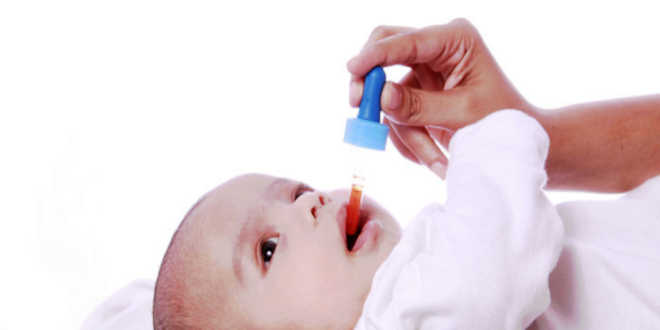
A study on 3,000 infants showed intestinal syndromes during this period are:
- Regurgitation, in 23.1%.
- Infant colic, in 20.5%.
- Constipation, in 17.6%.
- Vomiting, in 6%.
- Diarrhea, in 4.1%.
Colic in babies
Research shows giving lactobacillus reuteri to breastfed babies can reduce daytime crying
The study points out lactobacillus is more effective at reducing crying than the medication simethicone. Babies in the study may have had stronger colic episodes than those in earlier research stages.
Diarrhea
Giving lactobacillus reuteri to babies and children aged one to 36 months upon hospital admission seems to reduce diarrhea risk. Also, this probiotic may lower diarrhea risk in all malnourished children.

Breast milk and Lactobacillus reuteri
Gabriela Sinkiewicz was among the first scientists to study Lactobacillus reuteri content in breast milk. In 2008, she published a study in the journal ‘Microbial Ecology, Health and Disease’ measuring Lactobacillus reuteri levels in breast milk from 220 women across seven countries on different continents (Sweden, Peru, Denmark, Israel, South Africa, South Korea, and Japan).
“Only one in seven women has beneficial lactic acid bacteria in their breast milk. It’s striking that breast milk from women in Japan and Korea has comparatively higher Lactobacillus reuteri levels than women from other countries.”
Another study published September 3, 2009, in the Journal of Pediatric Gastroenterology and Nutrition showed mothers can increase Lactobacillus reuteri levels in breast milk and their baby’s stool by taking a high-quality probiotic that also includes Lactobacillus reuteri.
Lactobacillus reuteri and Helicobacter Pylori
Helicobacter pylori is a bacteria causing stomach infections. It can be contracted through contaminated water and food. It may cause serious stomach ulcers that disrupt digestive system balance.
Various studies and field research have shown that taking lactobacillus reuteri along with clarithromycin, amoxicillin, and a proton pump inhibitor (triple therapy) can help eliminate ulcers caused by H. pylori
Likewise, taking lactobacillus reuteri alone doesn’t have the same effect on imbalances caused by Helicobacter pylori bacteria.
Lactobacillus reuteri in foods
Lactobacillus reuteri is passed from mothers to children through breast milk, creating balance in babies’ digestive systems during their first years
However, as we’ve seen, early ages require close monitoring of digestive health changes to prevent acute and chronic intestinal diseases.
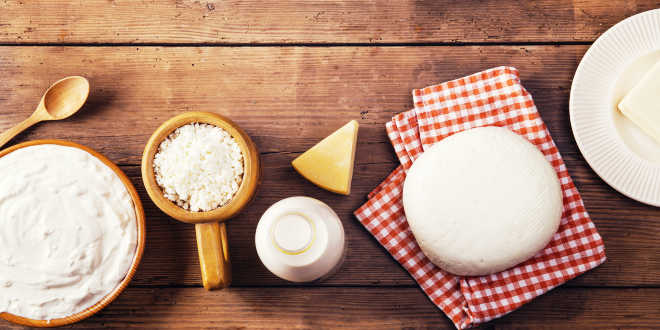
Nowadays, most lactobacillus derivatives, including lactobacillus reuteri, can be found in foods, mainly in dairy products

Side effects of lactobacillus reuteri
When consumed within manufacturers’ recommendations, there shouldn’t be real risks of side effects from lactobacillus reuteri.
The most it might cause within normal intake levels is stomach bloating or excessive gas
As always, we recommend consulting your doctor or specialist before starting this probiotic.
Interactions with lactobacillus reuteri
You should be careful combining this supplement with antibiotics. It can limit lactobacilli effects in the body. That’s why specialists recommend taking them two hours before or after antibiotics
In children, care should be taken when combining lactobacillus reuteri with medications that suppress the immune system.
Bibliographic Sources
- Pham HT, Dijkhuizen L, van Leeuwen SS. Structural characterization of glucosylated GOS derivatives synthesized by the Lactobacillus reuteri GtfA and Gtf180 glucansucrase enzymes. Carbohydr Res. 2018 Dec;470:57-63. doi: 10.1016/j.carres.2018.10.003. Epub 2018 Oct 22.
- Özçam M, Tocmo R, Oh JH, Afrazi A, Mezrich JD, Roos S, Claesen J, van Pijkeren JP. The gut symbionts Lactobacillus reuteri R2lc and 2010 encode a polyketide synthase cluster that activates the mammalian aryl-hydrocarbon receptor. Appl Environ Microbiol. 2018 Nov 2. pii: AEM.01661-18. doi: 10.1128/AEM.01661-18.
- Latousakis D, Nepravishta R, Rejzek M, Wegmann U, Le Gall G, Kavanaugh D, Colquhoun IJ, Frese S, MacKenzie DA, Walter J, Angulo J, Field R, Juge N. Serine-Rich Repeat Protein adhesins from Lactobacillus reuteri display strain specific glycosylation profiles. Glycobiology. 2018 Oct 27. doi: 10.1093/glycob/cwy100.
- Twetman S, Pedersen AML, Yucel-Lindberg T. Probiotic supplements containing Lactobacillus reuteri does not affect the levels of matrix metalloproteinases and interferons in oral wound healing. BMC Res Notes. 2018 Oct 25;11(1):759. doi: 10.1186/s13104-018-3873-9.
- Cesare Efrati, Giorgia Nicolini, Claudio Cannaviello, Nicole Piazza O’Sed, and Stefano Valabrega. Helicobacter pylori eradication: Sequential therapy and Lactobacillus reuteri supplementation. World J Gastroenterol. 2012 Nov 21; 18(43): 6250–6254.
- Medlineplus
- Sinkiewicz G., Krasse P. et al. , Reduction of gum bleeding and gingivitis by the probiotic Lactobacillus reuteri. Swedish Dental Journal 2006; 30 (2): 55-60.
- Sinkiewicz G. Lactobacillus in health and disease. Doctoral Dissertations.
- Abrahamsson Tr, Sinkiewicz G. et al,. Probiotic lactobacilli in breast milk and infant feces related to oral intake during the first year of life. Journal of Pediatric Gastroenterology and Nutrition, September 2009; 49 (3): 349-54.
- Amelia Bentrup. Importance of Lactobacillus reuteri for good health. NaturalNews
Related links on the topic:
- Probiotics not only protect gut health, they also protect against the flu
- Looking to regulate your LDL cholesterol? Learn how probiotics work