Fitness, Nutrition, Health and Sports Blog In the HSNstore Blog you will find tips about Fitness, sport in general, nutrition, and health – HSNstore.com

Resistance bands, originally used in rehabilitation, have become an essential tool for training muscles in a simple and cost-effective way.
With different resistance levels and a variety of shapes, they are perfect for workouts tailored to your needs. Want to know how to make the most of them and which option is best for you? HSN provides everything you need to know in this post!
How to exercise with resistance bands?
With resistance bands, you can replace not only dumbbells, but also rowing machines, weights… just to name a few pieces of gym equipment.
Before you start, plan your routine. First, choose up to 5 exercises for each area you want to work and distribute them throughout your sessions. For each one, perform between 10 and 20 repetitions.
This means that at the beginning you might manage 5–8, or even 10 reps, but as your muscles get stronger you’ll be able to reach around 15–20 or even more, and perform them for 2 to 5 sets.
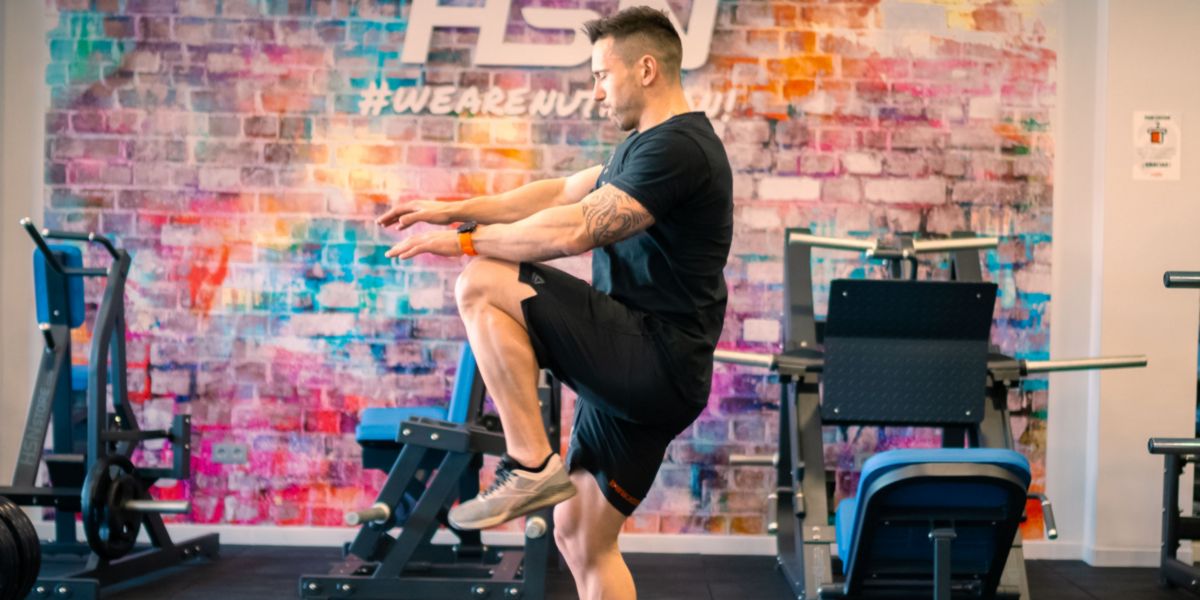
It’s a gentle warm-up, or you can even skip, jump rope, etc.
What exercises can you do with resistance bands?
You can actually perform almost all the exercises you would normally do at the gym: biceps, triceps, glutes, squats, rows, push-ups, band presses, etc. There are countless routines you can carry out with resistance bands.
5 resistance band exercises for a perfect warm-up
We suggest these exercises to activate your whole body, which you can do either before a gym workout or as part of your resistance band routine:
Band Pull-Apart

Perform 3 sets of 15 to 20 repetitions, with a break of 45-60 seconds.
Banded Dead Bug

Perform 6 sets of 20″ active and 20″ rest.
Banded Side Walk
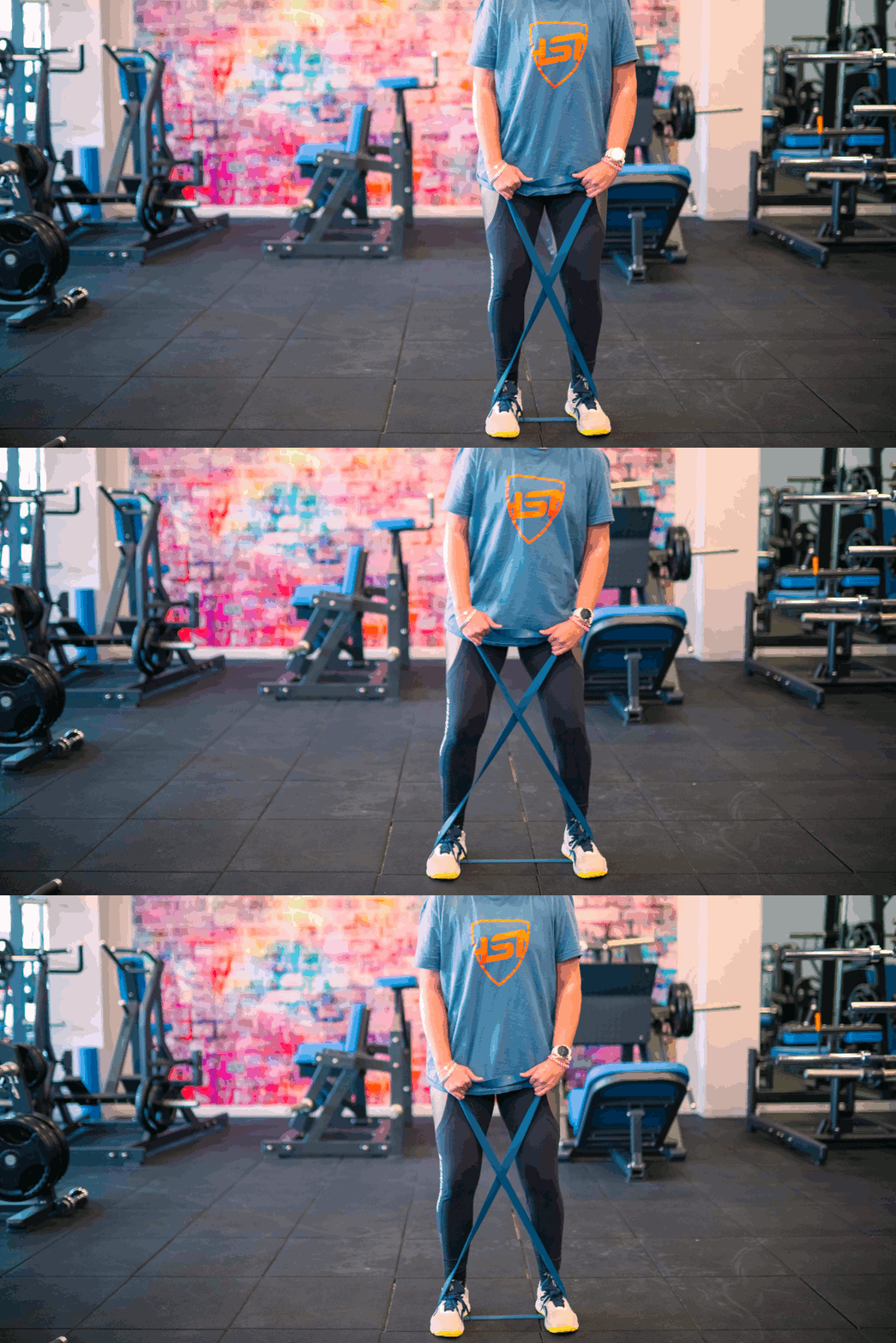
Perform 3 sets of 10mts in one direction and 10mts in the other, with a break of 45 seconds.
Banded Air Squat
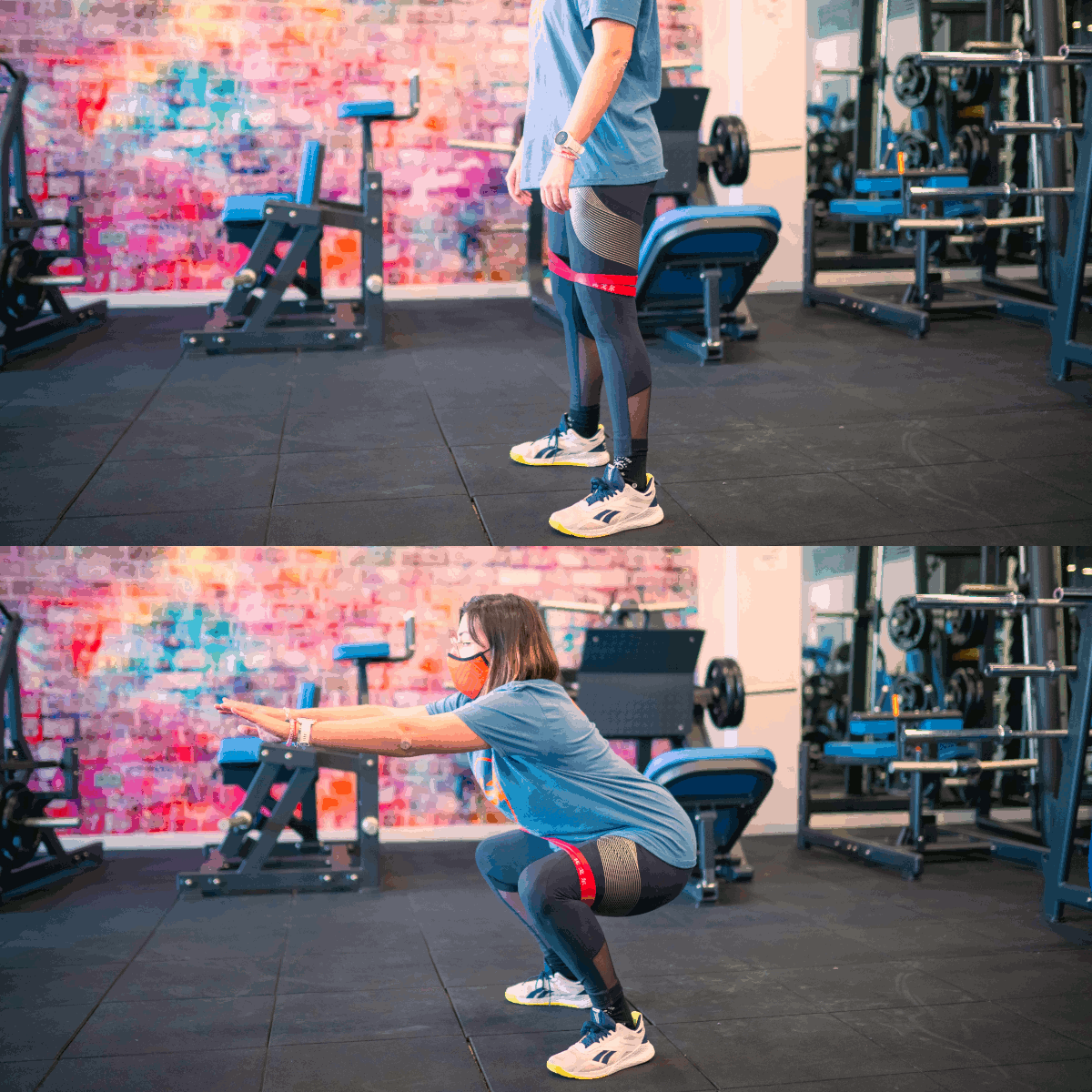
Perform 3 sets from 12 to 15, with a break of 45-60 seconds.
Banded Pallof Press
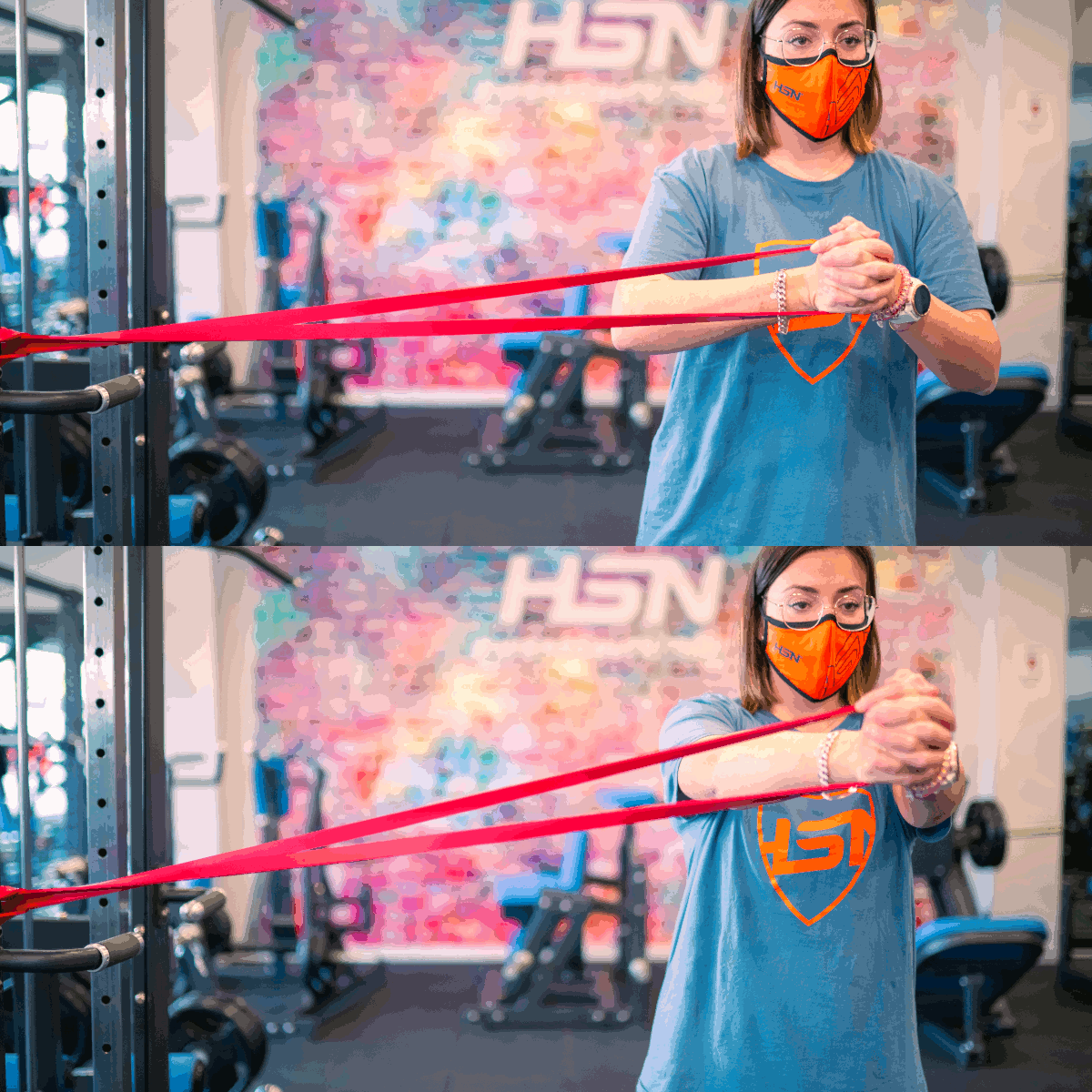
Perform 6 sets of 20″ active and 20″ rest.
Upper Body Training with Elastic Bands
Pull-push strength exercises:
Banded Bent Over Row
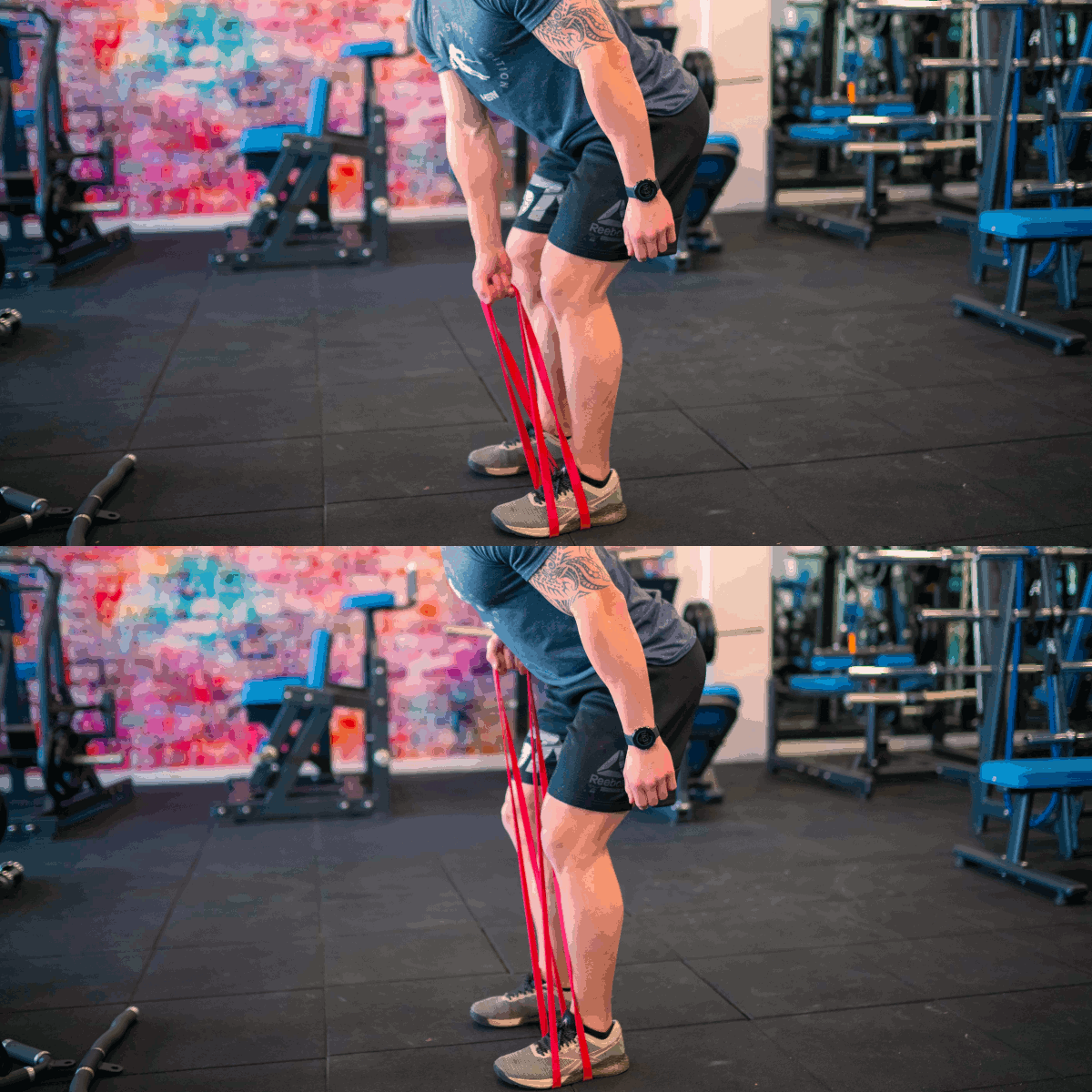
Perform 4 sets of 12 to 15 repetitions per side, with a break of 45-60 seconds.
Banded Push Ups
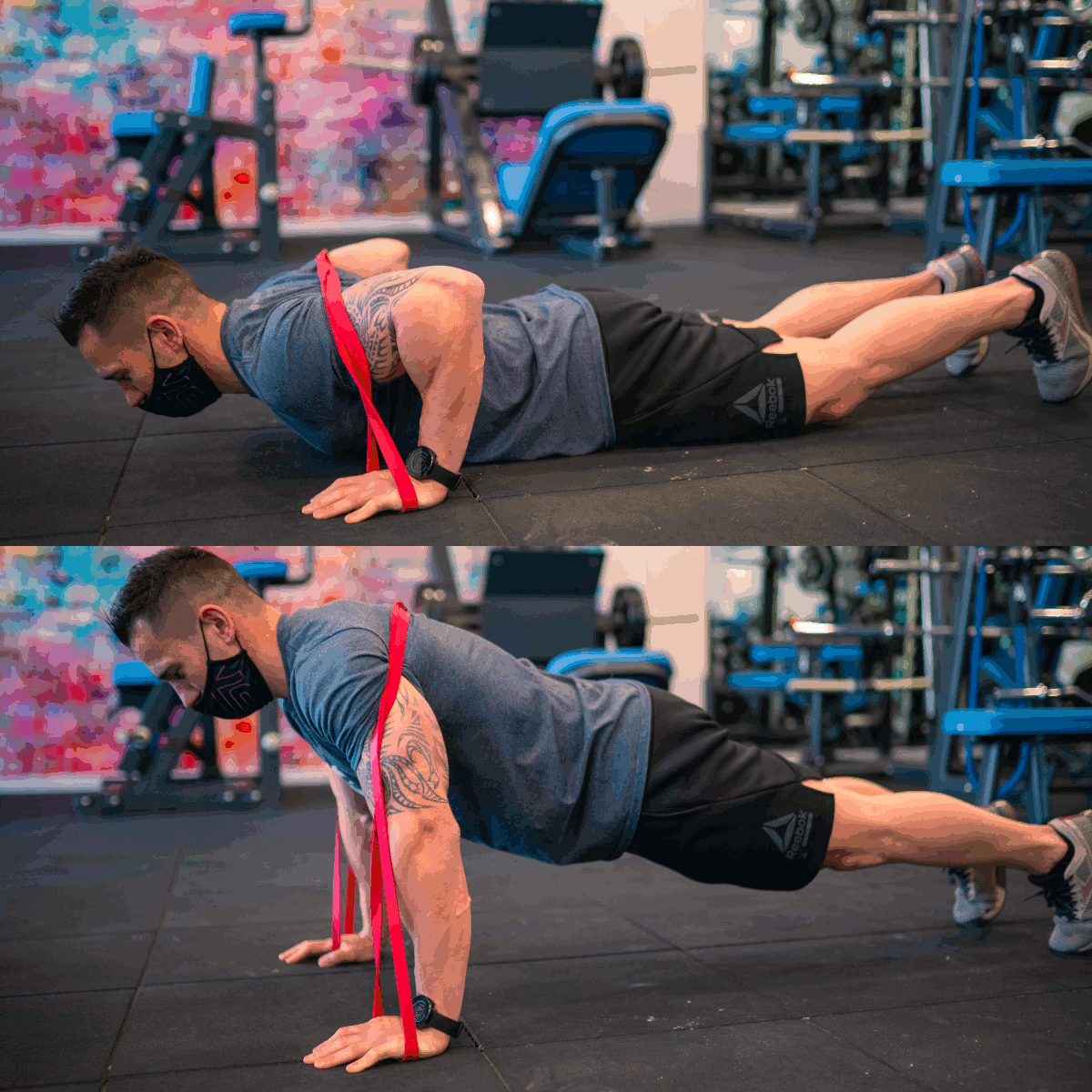
Perform 4 sets of 12 to 15 repetitions, with a break of 45-60 seconds.
Banded Z Press
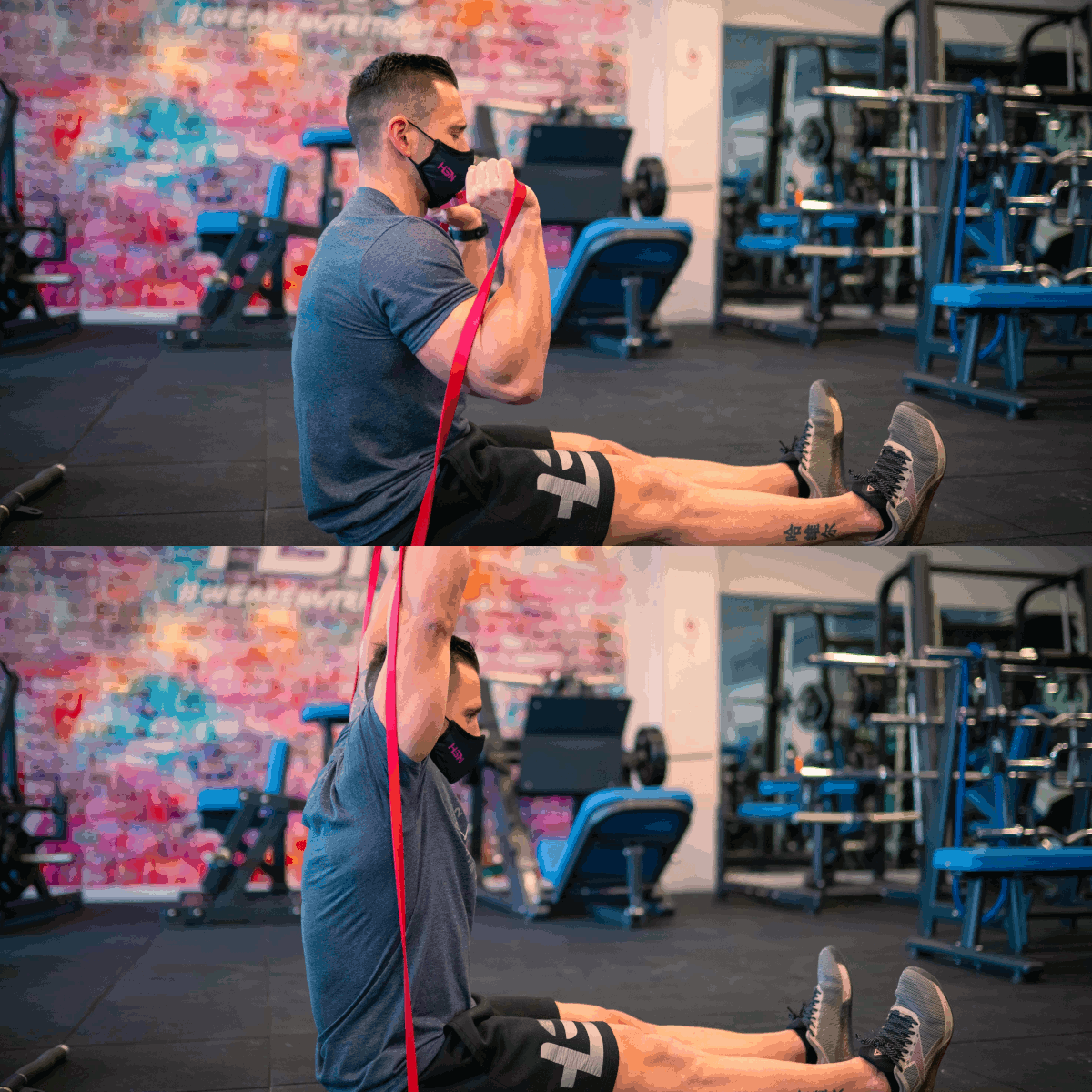
Perform 4 sets of 12 to 15 repetitions, with a break of 45-60 seconds.
Banded Upright Row
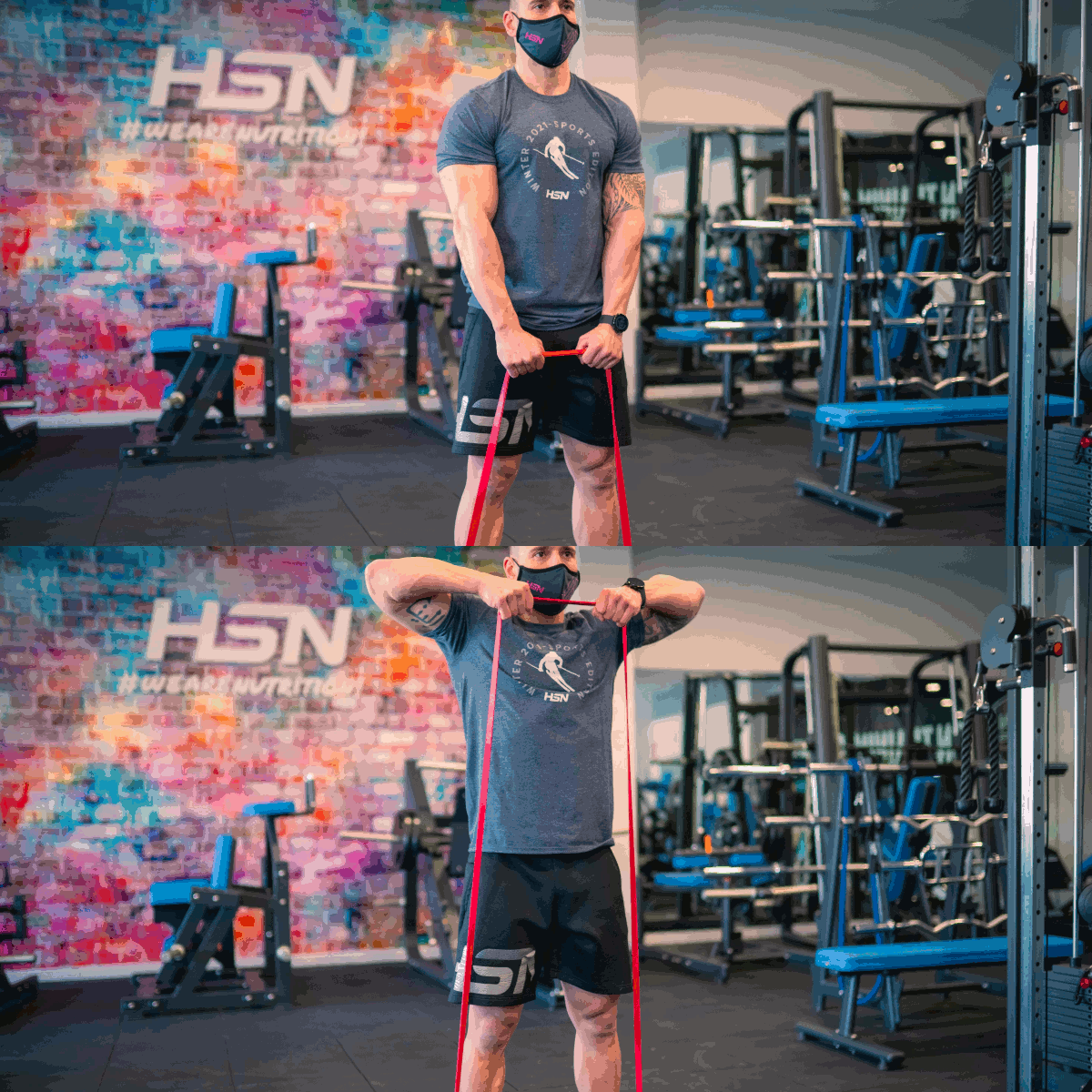
Perform 4 sets of 12 to 15 repetitions, with a break of 45-60 seconds.
Banded Triceps Overhead Extension
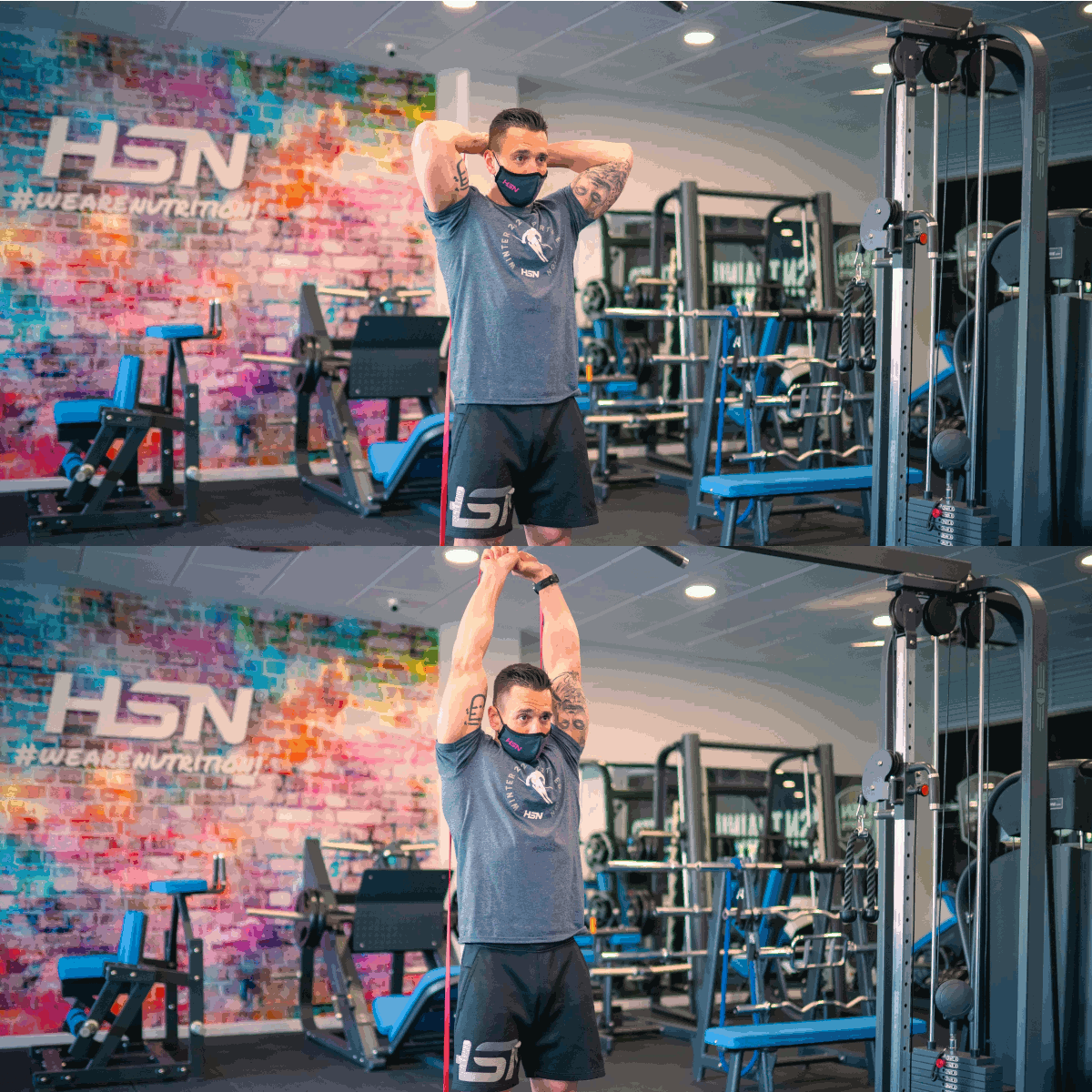
Perform 3 sets of 15 to 18 repetitions, with a break of 45-60 seconds.
Banded Biceps Curl
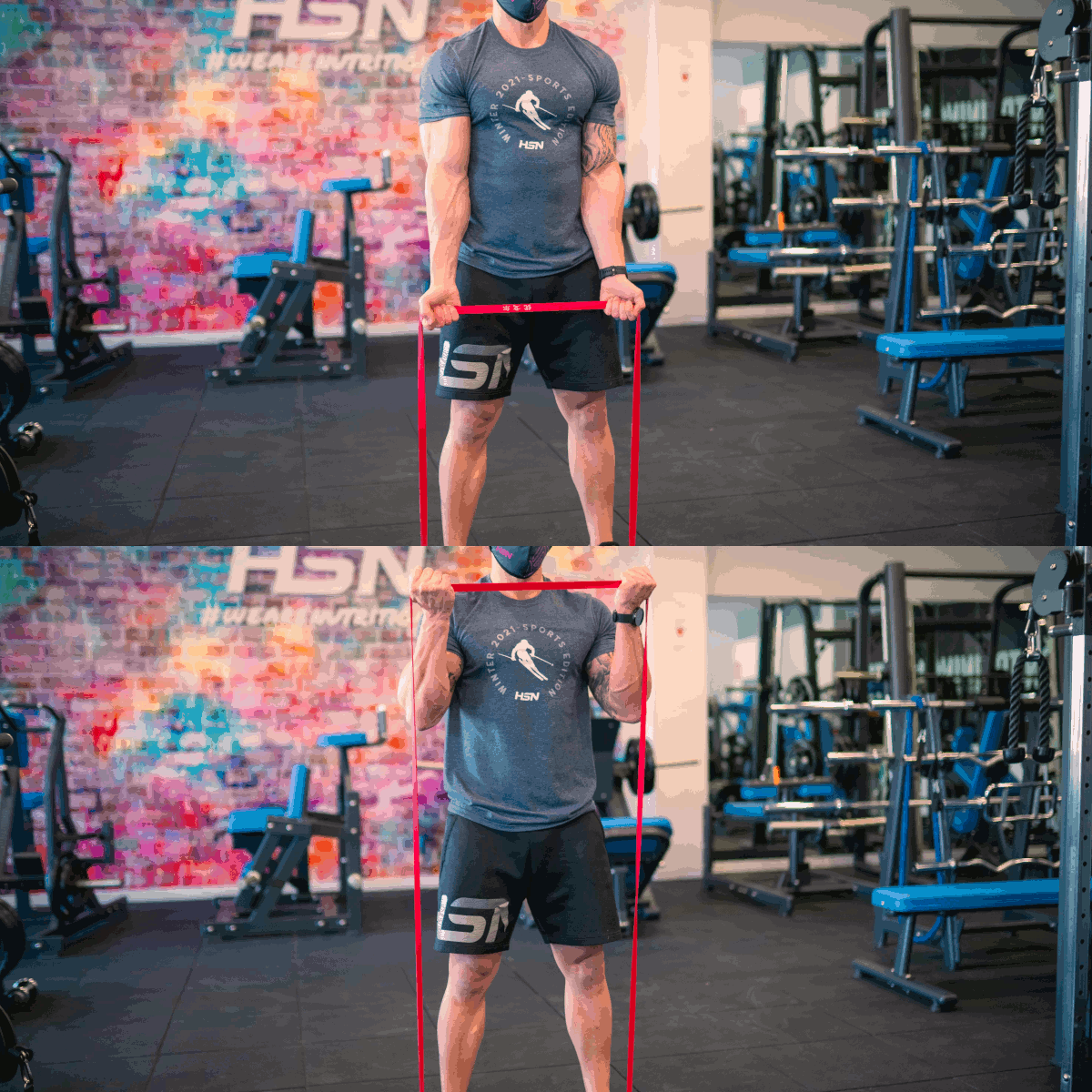
Perform 3 sets of 15 to 18 repetitions, with a break of 45-60 seconds.
Banded Lateral Shoulder Raises
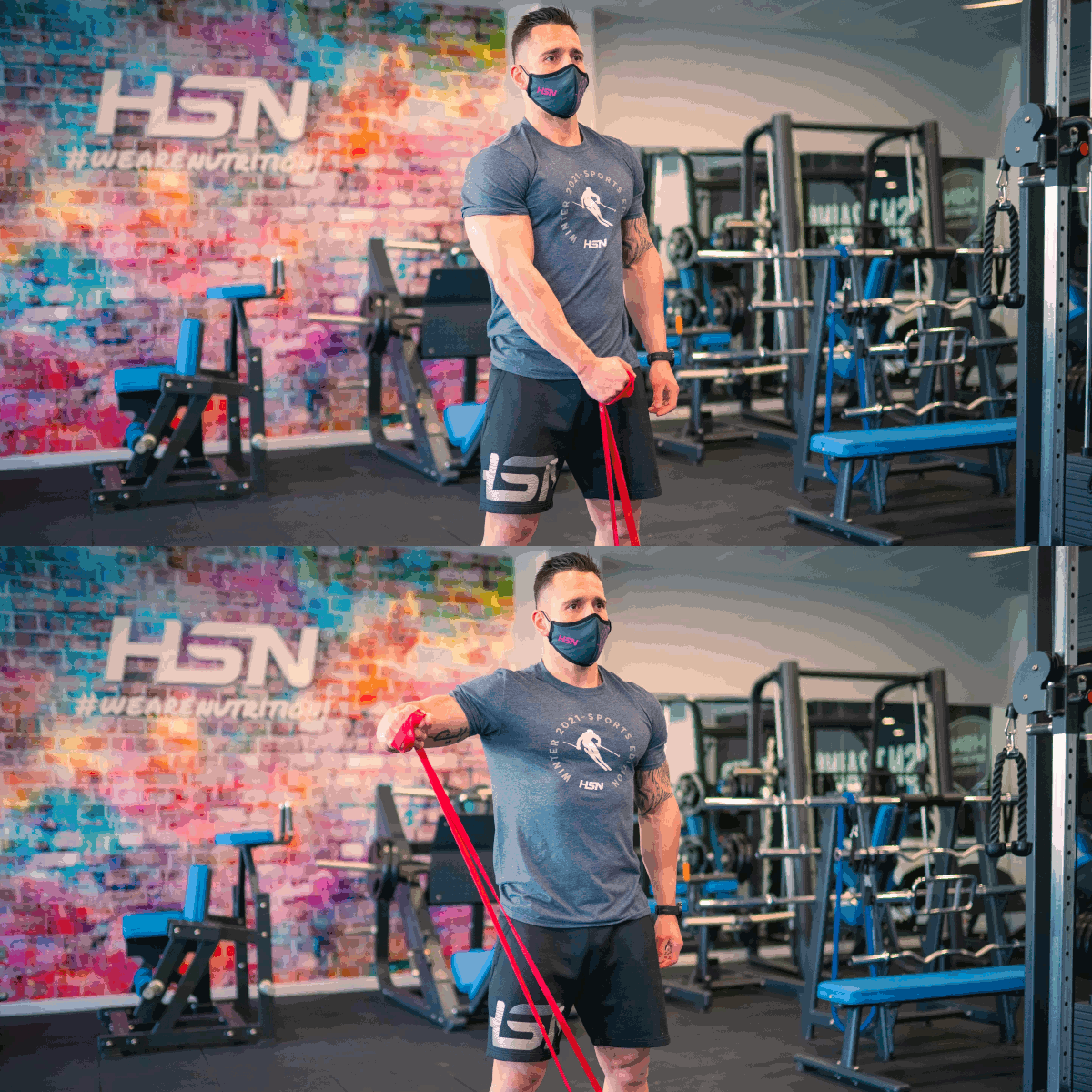
Perform 2-3 sets of 18 to 25 repetitions per side, with a break of 60 seconds.
Lower Body training with Elastic Bands
Banded Reverse Lunge

Perform 5 sets of 12 to 15 repetitions per side, with a break of 60-75 seconds.
Banded Hip Thrust
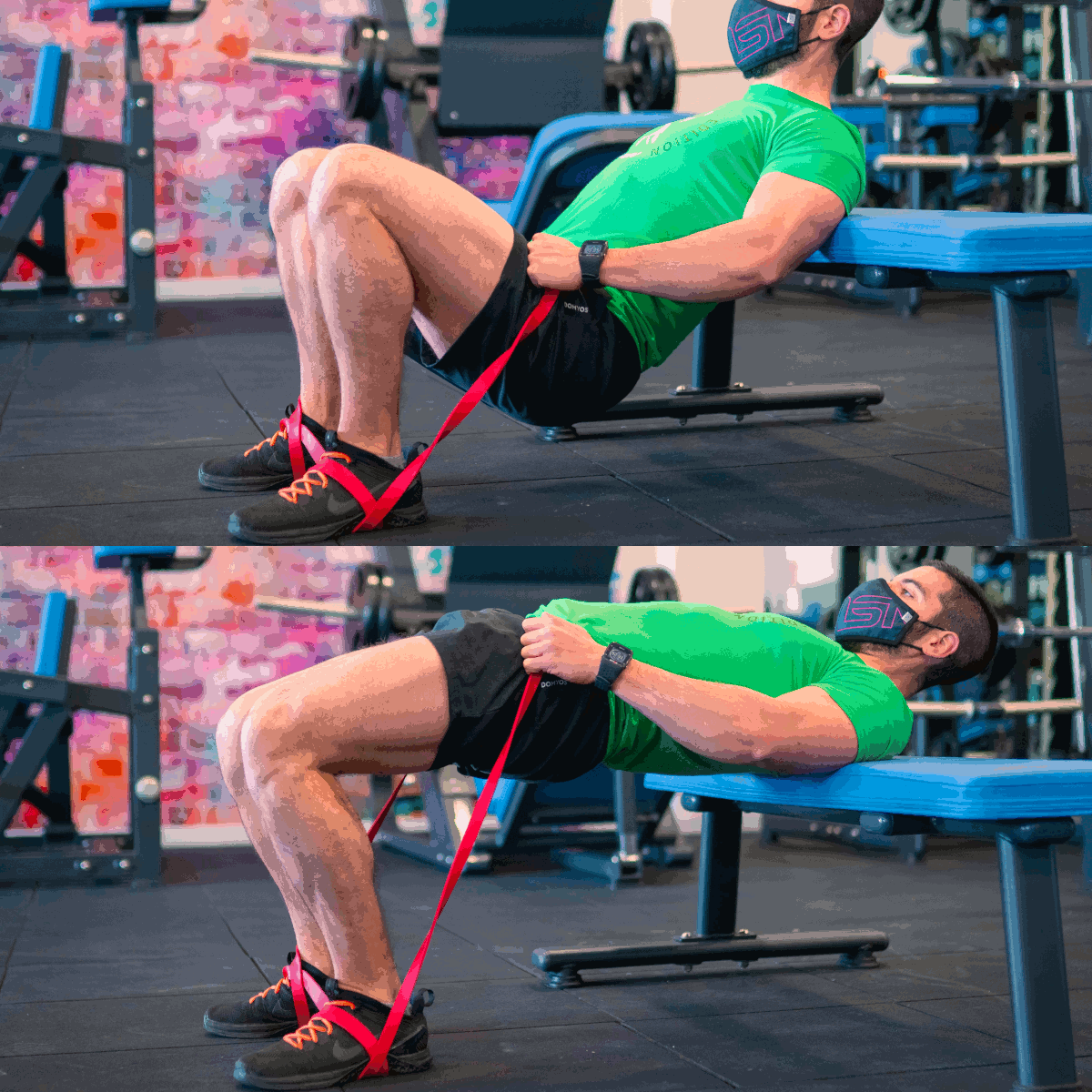
Perform 3 sets of 15 to 18 repetitions (hold for 1 second), with a break of 60-75 seconds.
Banded Front Squat
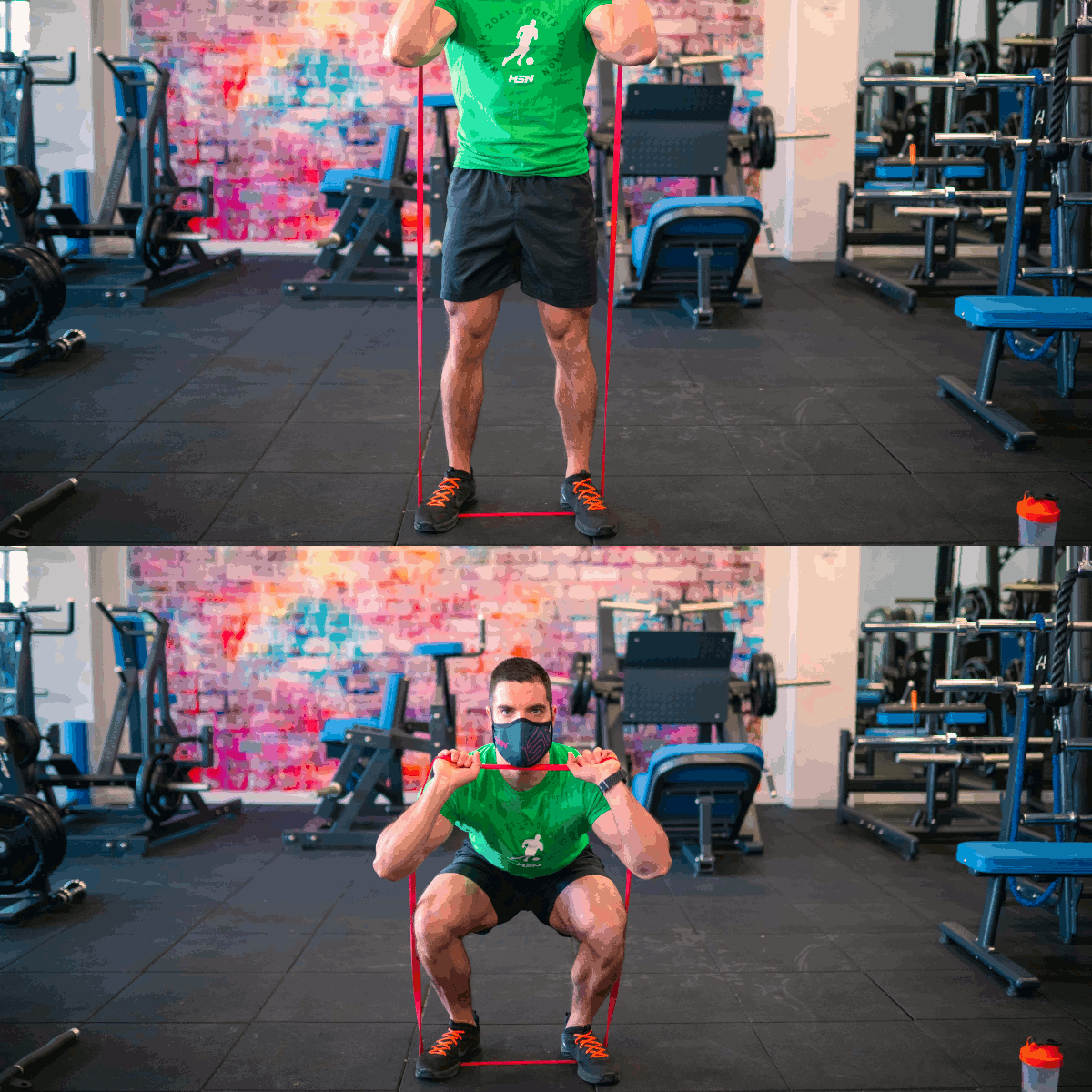
Perform 4 sets of 12 to 15 repetitions, with a break of 60-75 seconds.
Banded Good Morning
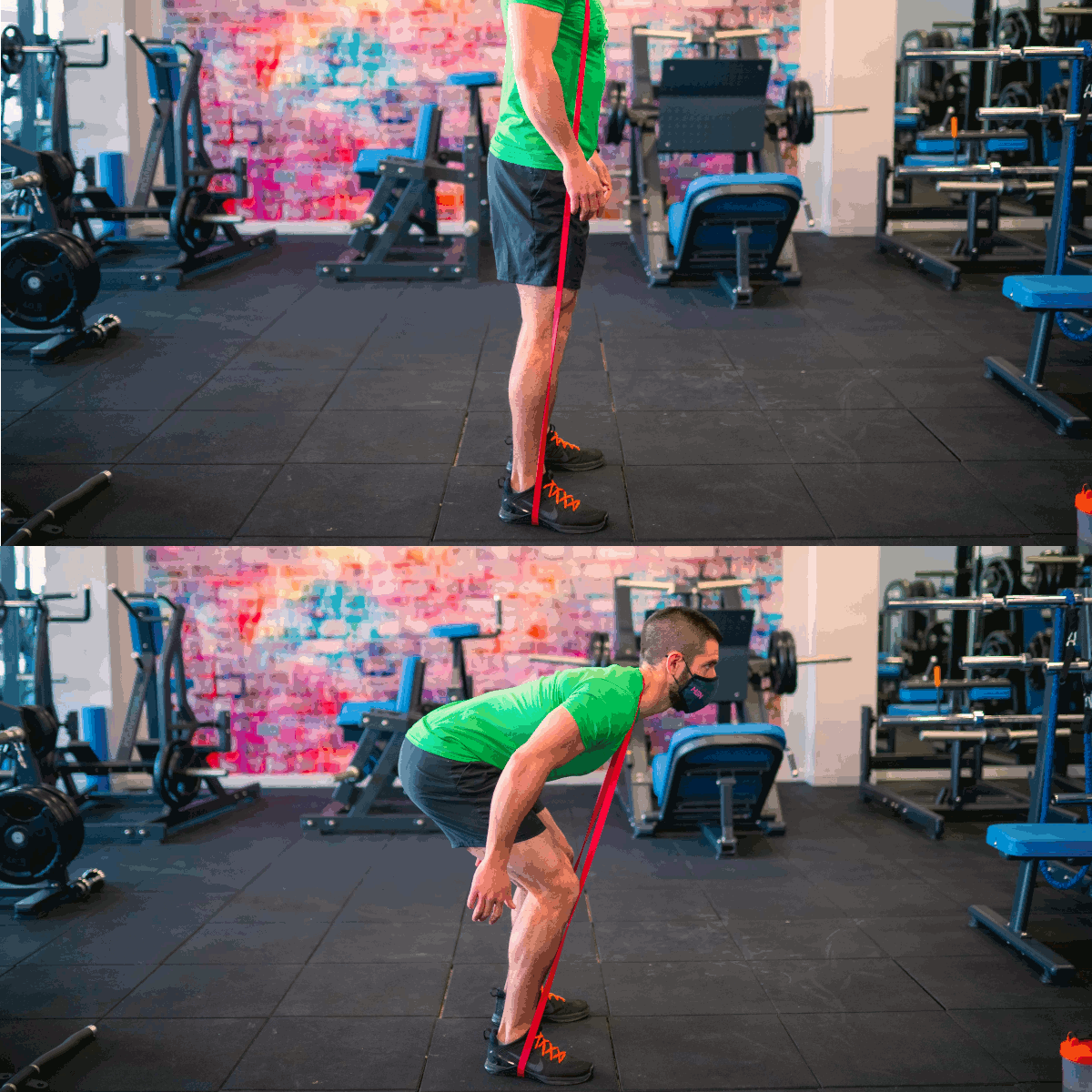
Perform 3 sets of 15 to 20 repetitions, with a break of 45-60 seconds.
Banded Deadlift
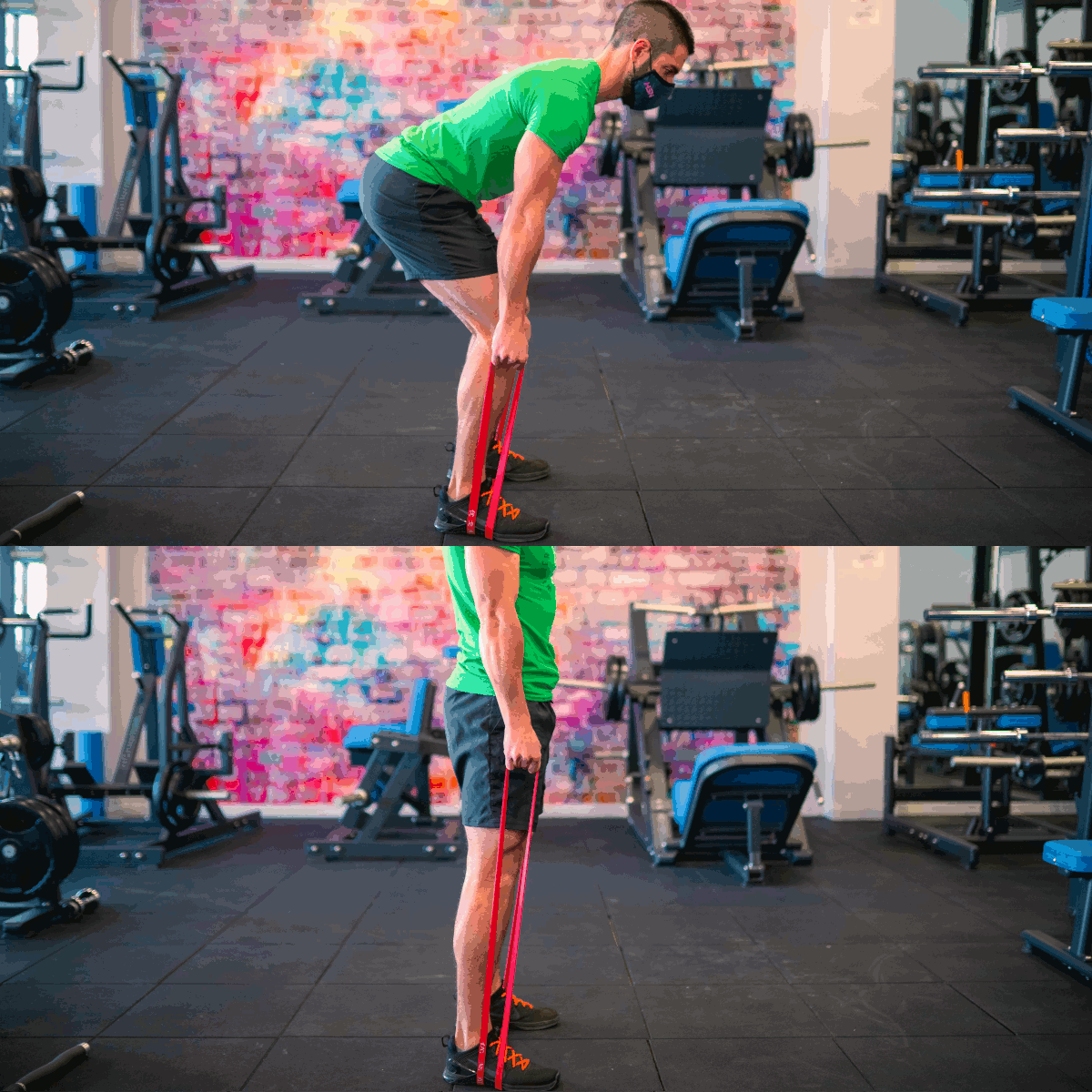
Perform 4 sets of 15 to 20 repetitions, with a break of 60 seconds.
Banded Glute Bridge
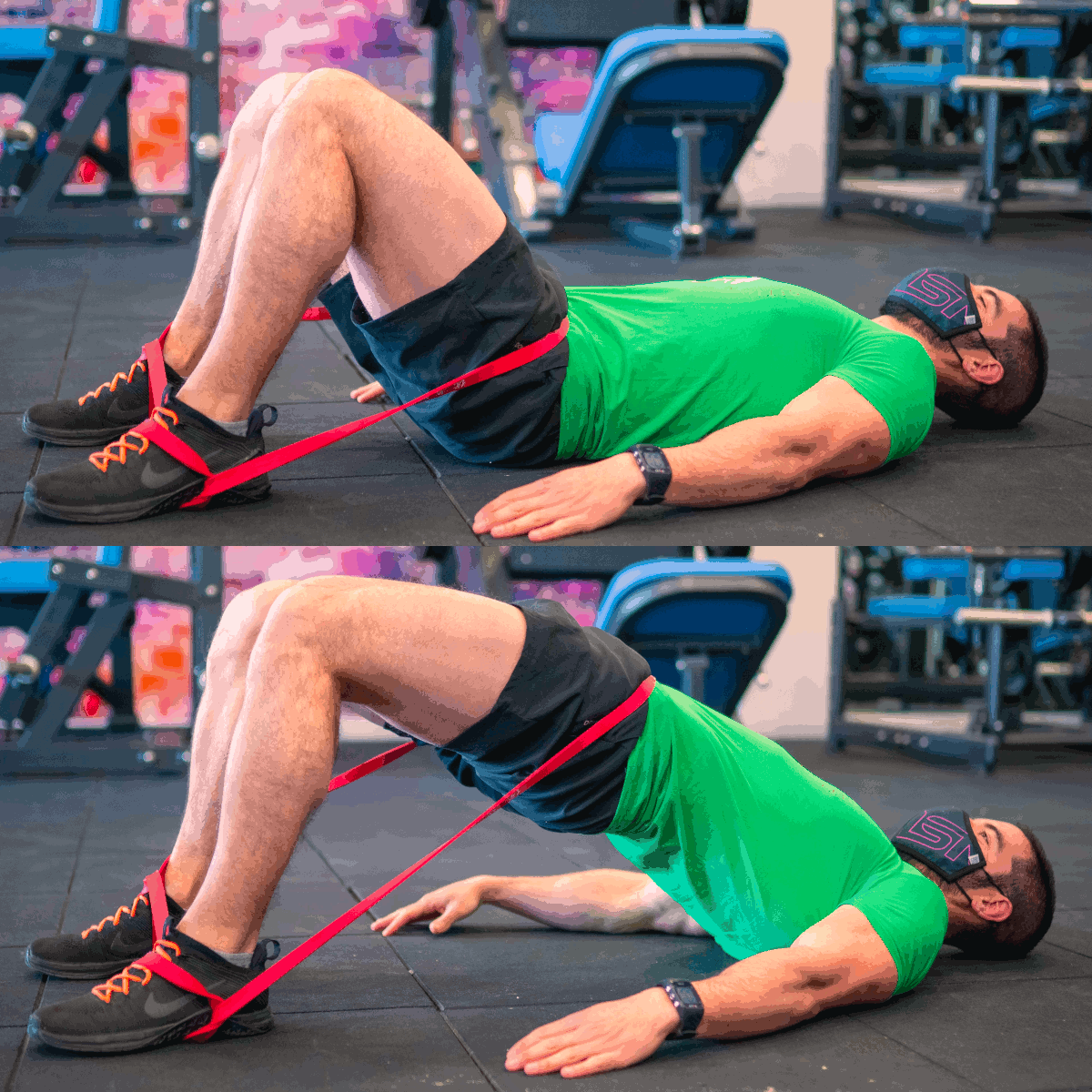
Perform 4 sets of 15 to 20 repetitions, with a break of 60 seconds.
Banded Thruster
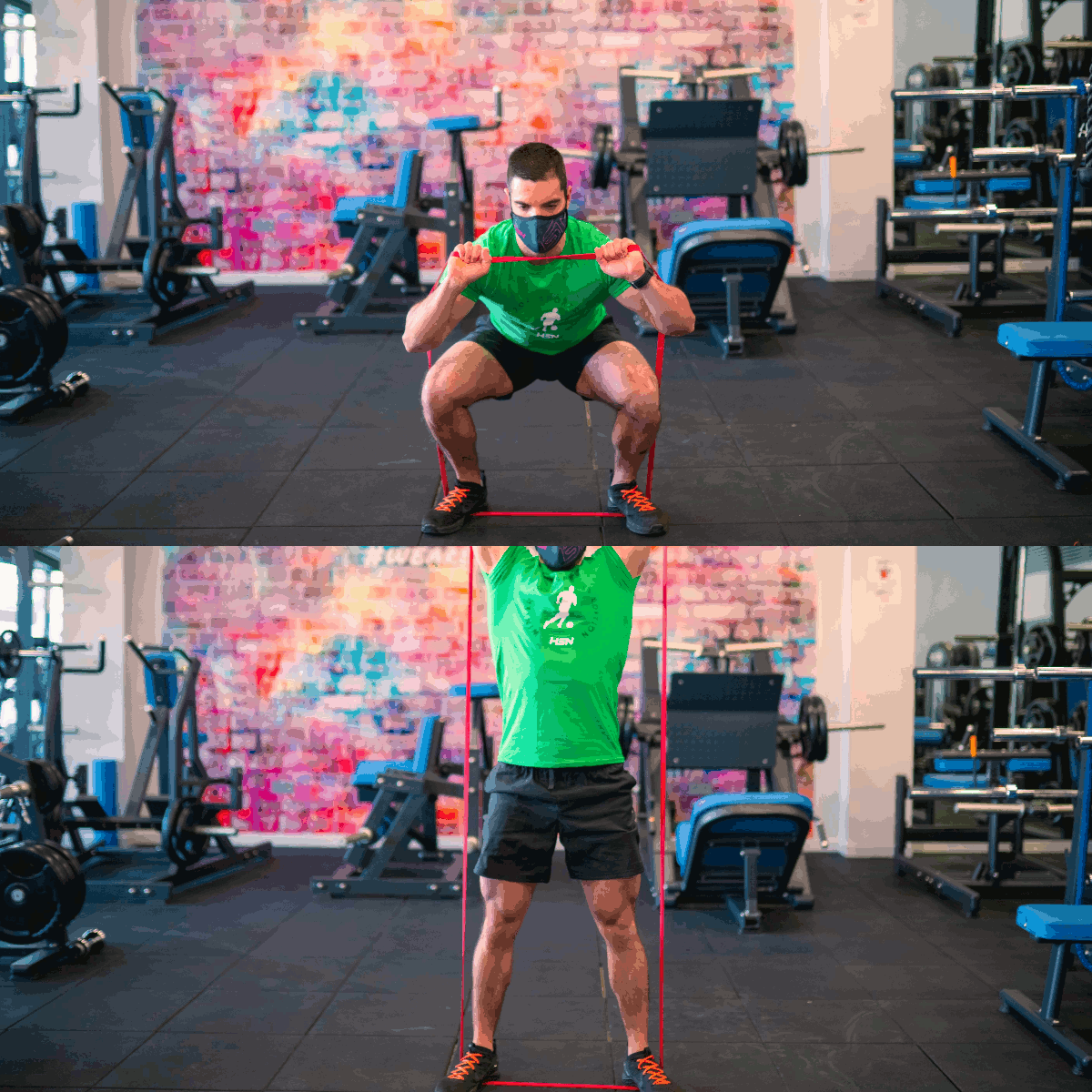
Perform 5 sets of 30″ active, 30″ rest.
Rehabilitation exercises with elastic bands
An area that usually deteriorates quickly if we stop exercising it are the shoulder, which with the passage of time lose muscle mass, causing a hunched position.
To strengthen the rotators:
- Standing, legs apart, hold the elastic band at bellybutton height with both hands well stretched.
- Stretch the bands sideways, keep your elbows glued to your waist.
- Repeat 8 times.
For the deltoids:
- Standing with legs separated, grab the bands with your hands, right next to your hip and left in front of your bellybutton.
- Without moving your right hand, pull the band with the left until you reach shoulder height.
- Repeat 8 times and then do it with the other hand.
For the legs:
- Lying on your back, bend your left leg and wrap the elastic band around your left foot.
- Now, stretch it by exerting resistance with the belt around your left hand.
- Mentally move the leg to the right shoulder while still exerting resistance.
- Repeat with the other leg about 5 times.
How to work the glutes with bands
For this area, there is an infinity of exercises that you can incorporate into your routine, but we recommend a fairly effective one.
Let’s get started…
- Put the circular band around your ankles with your whole body straight, bend your knees – legs apart – and step to the side until you feel the resistance of the band.
- Hold for a few seconds and repeat this action with the other leg, without abandoning the flexion.
- Now, on all fours on a mat, with your back straight, hold the band with the instep of your foot, extend one leg and hold the position for a few seconds, repeat with the other leg, as if kicking.
Another effective exercise for the glutes is standing, completely straight, stepping on the elastic band with your feet and holding the ends with your hands. It’s important that the band is intertwined on your feet.
- Stretch out your leg as much as you can, until you feel the resistance of the belt and you notice your muscles tightening.
- Hold the position for 15 seconds or do 15 repetitions and repeat with the other leg.
Here you have a training routine with elastic bands
Day A
| Exercise | Sets | Repetitions | Rest |
| Banded Side Walk | 3 | 10mts-10mts | 45″ |
| Banded Press Pallof | 6 | 20″ on, 20″ off | |
| Banded Front Squat | 5 | 12-15 | 60-75″ |
| Banded Good Morning | 3 | 15-20 | 45-60″ |
| Banded Bent Over Row | 3 | 12-15 | 45-60″ |
| Banded Z Press | 4 | 12-15 | 45-60″ |
| Banded Push Ups | 5 | 12-15 | 60″ |
Day B
| Exercise | Sets | Repetitions | Rest |
| Banded Air Squat | 3 | 12-15 | 45″ |
| Banded Dead Bug | 6 | 20″ on, 20″ off | |
| Banded Deadlift | 4 | 15-20 | 60-75″ |
| Banded Thruster | 5 | 20″ on, 20″ off | |
| Banded Upright Row | 4 | 12-15 | 45-60″ |
| Banded Lateral Shoulder Raises | 2 | 18-25 (side) | 60″ |
Day C
| Exercise | Sets | Repetitions | Rest |
| Banded Pull-Apart | 3 | 15-20 | 45″ |
| Banded Press Pallof | 6 | 20″ on, 20″ off | |
| Banded Reverse Lunge | 5 | 12-15 (side) | 60-75″ |
| Banded Glute Bridge | 4 | 15-20 | 60″ |
| Banded Biceps Curl | 4 | 15-18 | 45-60″ |
| Banded Triceps OH Ext. | 3 | 15-18 | 45-60″ |
Benefits of this resistance band training
There are many advantages to resistance band exercises, but among the most important are:
- Suitable for all levels: Perfect for any fitness level, from beginners to advanced users.
- Improve muscle and joint health: They strengthen muscles and joints, making them ideal for older adults or people in rehabilitation.
- Home workouts: They are a practical solution for staying active during periods of isolation or limited mobility.
- Take up very little space: Easy to store and carry, making them perfect for training anywhere.
- Full-body workout: They can target multiple areas of the body, such as glutes, legs, arms and core.
- Develop physical abilities: They improve endurance, speed, strength and flexibility, while working several muscle groups at the same time.
- Simulate sports movements: Useful for sport-specific training in activities such as tennis, golf and baseball.
- Add variety to training: They make workouts more dynamic and enjoyable, allowing for multiple repetitions or timed intervals.
- The perfect complement to weights: They can be combined with weights to enhance the results of both types of equipment.
- Affordable and durable: They are inexpensive and made from hard-wearing material, making them an efficient investment.
- Safe for rehabilitation: Ideal for therapeutic and rehabilitation exercises, and safe for both beginners and experienced users.
Recommendations and tips
For this training to deliver optimal results for your muscles and joints, follow a daily routine. Choose a suitable time and train for 30–40 minutes.
Don’t overcomplicate things when choosing your resistance bands: flat bands, tubes, loop bands, with handles—it’s a matter of preference, and all will deliver excellent results.
If you decide to give it a try, I can’t wait to see you!
Bibliography
- “1000 ejercicios y juegos con material alternativo”. Carles Jardí Pinyol y Joan Rius Sant. 2004.
- “Libro de entrenamiento con el Thera-band”. Hans-dieter Kempf, Frank Schmelcher, Christian Ziegler
- Experience and personal contributions.
Related Entries
- Have you heard of adjustable dumbbells? Visit this link and get to know them!
- What are Floss Bands? Click here.