


 Fitness, Nutrition, Health and Sports Blog In the HSNstore Blog you will find tips about Fitness, sport in general, nutrition, and health – HSNstore.com

If you have not practised Yoga yet, we hope that after reading this article you will start doing so.
Every one of us who practises sport thinks that our discipline is the best. We know how to see its advantages, we enjoy doing it and we hardly see any drawbacks.
As you will see below, there are important benefits if you practise Yoga every day:
What is Yoga?
The word yoga means “union” in Sanskrit, the language of ancient India, where yoga originated. We can think of the union that takes place between mind, body and spirit.

It can also be described more precisely by the Sanskrit word asana, which refers to the practice of physical postures.
Health Benefits of Yoga
- Natural Therapy
Yoga is a natural therapy that has become a very popular technique in the West. Some medical researchers have begun to study its benefits in order to use it as a complementary treatment for specific medical conditions, such as depression, asthma symptoms, back pain and arthritis.
- Studies
Even the National Institutes of Health (NIH) has funded clinical studies on yoga and its health benefits for insomnia and multiple sclerosis. Some studies suggest that it may have a positive effect on learning and memory. Research has even been carried out into whether yoga can slow down the ageing process, increase a person’s sense of self-acceptance or improve energy levels.
- Mind and Spirit
Some of the benefits of yoga under study may be difficult to analyse scientifically. For example, it is said to increase spiritual awareness. Some practitioners even claim that it helps improve marital relationships and relationships at work.
Yoga as a Complement to Sport
If you think about it, it is good that there is a wide variety of sports with completely different styles because that allows people to choose from a very broad range.
Because let’s be honest, the most important thing is to stay active, and the best way to do so forever is by doing something we like and that we find fun, because otherwise it is very easy to give it up quickly.
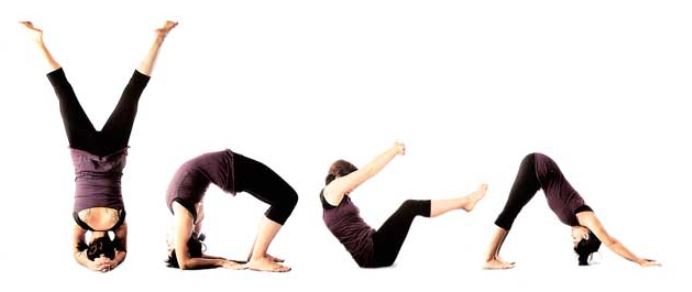 Yoga can provide benefits for performance in your main sport, which is why it is common among professional athletes, whether footballers, swimmers, runners, triathletes, CrossFit athletes, skiers, dancers, climbers…
Yoga is not Stretching
Many people think that yoga is just stretching.
But yoga is the way to create balance in the body through the development of strength and flexibility. This is done by performing poses or postures, each of which has specific physical benefits.

The postures can be performed quickly in succession, creating heat in the body through movement, or more slowly to increase endurance and perfect posture alignment.
Yoga and Flexibility
When some people think of yoga, they imagine having to stretch like a gymnast, and believe they are not suited to practising it.
The truth is that it is never too late to improve our flexibility. Yoga postures performed safely help you stretch your muscles, encourage range of motion in the joints and even increase their lubrication.

The result is a sense of lightness and fluidity throughout the body.
Yoga and Strength
Some styles of yoga, such as Ashtanga, are more vigorous than others.
Practising this type of yoga can help you improve muscle tone. But less vigorous styles of yoga, such as Iyengar and Hatha, focus on less movement and place greater emphasis on achieving more precise alignment in poses.

This can increase strength and endurance.
Yoga to Improve Posture
With greater flexibility and strength comes better posture.
Most postures aim to develop core strength. This is because the deep abdominals are used to support and maintain each posture. With a stronger base, you are more likely to have better posture.

Increasing flexibility and strength can help prevent the causes of some types of back pain, due to spending a lot of time sitting or driving.
Yoga Therapy against Stress
Even beginners experience feeling less stressed and more relaxed after their first yoga class.
Some styles of yoga include specific meditation techniques to reduce the constant “mental chatter” that often causes dreaded stress. Other styles of yoga rely on deep breathing techniques to focus the mind on the breath.
When this happens, the mind can calm down.
There is a reduction in catecholamines, the hormones produced by the adrenal glands in response to stress. The decrease in the levels of hormonal neurotransmitters (dopamine, norepinephrine and epinephrine) provides the body with a feeling of relaxation. Some research points to an increase in the hormone oxytocin.
Yoga for Concentration
Concentration and the ability to focus mentally are the two most common benefits we hear about most often when talking about yoga.
These benefits are closely linked to mood. Almost all yoga practitioners will tell you that they feel happier and more content after class.
Yoga is still being studied as a complementary treatment to relieve the symptoms of OCD (Obsessive-Compulsive Disorder).
Yoga for the Heart
It is known that regular yoga practice has positive effects on lowering blood pressure and reducing heart rate, as reflected in this study, which may benefit people with hypertension, heart disease and strokes.
At a biochemical level, studies show a possible antioxidant effect of yoga.

Yoga has also been associated with a decrease in cholesterol and triglyceride levels, as well as a boost for the immune system.
Reasons to Practise Yoga
- Stretching and improved range of motion
Because the class is based on postures where the muscle must stretch, it helps increase the time dedicated to stretching. This is the phase that is often forgotten in a rush and is just as important as the training itself. Yoga helps you eliminate stiffness, tension and muscle contractures caused by the stress of training. Linked to this, it improves the range of motion of the joints.
- Injury prevention
It helps prevent future injuries. When a muscle is more flexible, it is less likely to suffer, for example, tears, inflammation and joint fragility.

- Develops balance
Yoga is not as simple as it may seem at first glance and works not only on stretching, but also on key elements such as balance. Until you perform certain postures, you will not understand the effort they require.
- Corrects muscle imbalances
In addition to stretching and balance, strength is needed, but the work is different from what you are used to doing. That is positive, because you will work other parts of the body that may not receive as much emphasis in your main sport, and this will help you eliminate imbalances. It is not unusual that, due to the nature of your primary sport, some muscles work excessively while others are practically ignored and consequently become weakened. This is something that the practice of Yoga corrects, as it is whole-body training.
- Creates new movement adaptations
There will be postures that you can do more comfortably because they suit you well, and others that will be a real ordeal. Facing situations in which you are not the best helps you build mental resilience. It promotes acceptance of the body’s own limits.
- Improves breathing
A regular practice of pranayama (a yoga breathing technique) helps you become aware of your breathing and improve the level of oxygen in the blood. This undoubtedly translates into improved performance and endurance.
- Active rest
If you are an athlete and want to improve your performance, you should include a rest day in your plan to recover and continue progressing. If you feel that rest days are too inactive for you, yoga is the perfect option to give you a gentle, low-impact workout, while at the same time feeling that it has not harmed your recovery but quite the opposite.
Conclusions
If you think all these reasons are not enough to try a yoga class, you surely know someone who can give you their first-hand experience.
If you try it, it is quite likely that you will stay with it. It will not negatively interfere with your training; quite the opposite, and you also do not need to invest much time. You can start to notice its benefits with just one class a week.

Are you more convinced now?
Related Posts
- Do you know “blind yoga”: read Post.
- How to Combat Stress?
- Why Do I Always Feel Tired?
- Tips to Speed Up Recovery






It’s very helpful and informative article. Thank you for this article.