Fitness, Nutrition, Health and Sports Blog In the HSNstore Blog you will find tips about Fitness, sport in general, nutrition, and health – HSNstore.com

The intestinal walls allow nutrient absorption and act against toxins and leftover food that can affect the immune system. Leaky gut syndrome happens when these walls get inflamed, putting our health at risk.
What is leaky gut
When we eat food in our daily diet, each organ performs a task to make the most of the nutrients obtained. The stomach breaks down what we eat, then it passes to the intestine to absorb nutrients for our health and discard the unusable substances, which can lead to some diseases. The problem arises when the intestine can’t properly make this selection, so harmful elements circulate through the rest of the body.
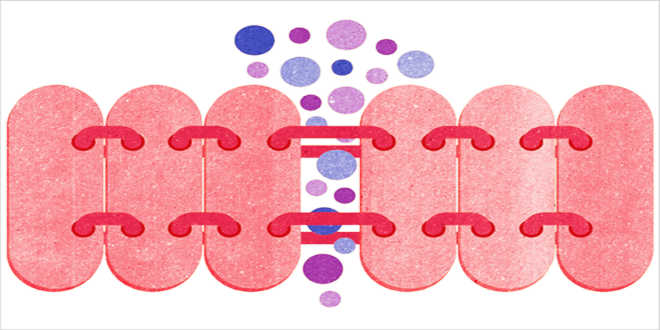
Leaky gut syndrome is more common than we think and is talked about more and more. The intestinal walls contain the cells of this organ that connect to others in what are called tight intercellular junctions. Problems happen when inflammation occurs in the walls, meaning those intercellular junctions widen, allowing harmful substances to pass into the bloodstream.
Causes of leaky gut syndrome
There’s no single known cause why people suffer from leaky gut syndrome. However, researchers agree on several factors that can trigger this situation in the intestinal walls:
- Diet: consuming processed products, preservatives, flavorings, etc., introduces a large amount of toxins that cause inflammation of the intercellular junctions in the intestinal walls, which is also bad for health.
- Chronic stress: in these situations the immune system gets affected, leading to the problems that precede intestinal permeability, that is, intestinal inflammation.
- Infections: candidiasis, intestinal parasites, or H. Pylori.

For all these reasons, specialists recommend avoiding in daily life (what we shouldn’t do or eat):
- Exposure to toxic substances
- Excessive use of medications
- An unbalanced diet for health
- High alcohol consumption
Leaky gut, forbidden foods

We’ve already mentioned that to avoid developing leaky gut syndrome you should avoid processed foods, but you should also try to avoid irritating foods like coffee, tobacco, alcohol, spicy foods, or fried foods.
If you have intolerances, it’s recommended to avoid milk and dairy (lactose) or even fruits (fructose) more strictly.
Specialists also recommend eliminating, at least temporarily, gluten-containing foods (bread, flour, cookies, cereals, and industrial pastries).
Recipes and diets for leaky gut
The goal of diets for leaky gut is to improve digestive system wellbeing (health) through foods that help regenerate the digestive mucosa, restore the intestinal flora weakened and ‘seal’ the intestinal wall, which, as we’ve seen, is responsible for ‘filtering’ nutrients and eliminating harmful substances so they no longer pass into the bloodstream.
Before checking out some recommended recipes for the diet (what you can eat), specialists offer a series of tips for people suffering from this syndrome:

- Eat in calm and relaxed places and environments, avoiding stress and rushing
- Chew food more slowly and thoroughly
- Cook food gently, whether boiled, steamed, or baked…
- Avoid fried foods as well as heavy meals
How to do a diet for intestinal permeability:
Breakfast:
- Lactose-free milk
- Corn toast with tomato and olive oil
- Mandarin
Mid-morning snack:
- Natural orange juice
- White bread with serrano ham

Lunch:
- Green beans sautéed with potato and carrot
- Stewed pork loin with orange sauce
- Lactose-free yogurt
- White bread
Afternoon snack:
- Licorice infusion with stevia
- Banana
Dinner:
- Endive salad with anchovies and pomegranate
- Potato omelette (without onion) with zucchini cubes
- Natural pineapple
- White bread
Before bed:
- Glass of lactose-free milk
- Sesame sticks
How to recognize symptoms of leaky gut syndrome
Defined by many as increased intestinal permeability, there are a series of symptoms that can help you understand this syndrome, but you should always see the right specialist if you have any of the problems described:
- Skin problems like eczema or hives
- Digestive system issues like diarrhea, constipation, irritable bowel, or Crohn’s disease
- Development of diseases like psoriasis, type 1 diabetes, or rheumatoid arthritis
- Chronic fatigue affecting your health
- Neurological problems like dizziness or migraine

Intestinal permeability test
There are several non-invasive methods to measure intestinal permeability, or in other words, to check if someone has leaky gut syndrome.
One method is measuring the passage of proteins into the blood through the intestine. If both are high in the blood, it means intestinal permeability is increased, which, as we’ve seen, can cause health problems in our body.
The two proteins usually used for the intestinal permeability test are egg ovalbumin and beta-lactoglobulin, since when both proteins pass into our bloodstream, the immune system produces antibodies to fight them.
Leaky gut and glutamine
L-glutamine is the most recommended supplement by specialists to treat leaky gut syndrome (or digestive system diseases, among others), as it is an amino acid that works to repair the intestinal walls. It can be taken between main meals, with a recommended dose of up to 8 g per day, no more.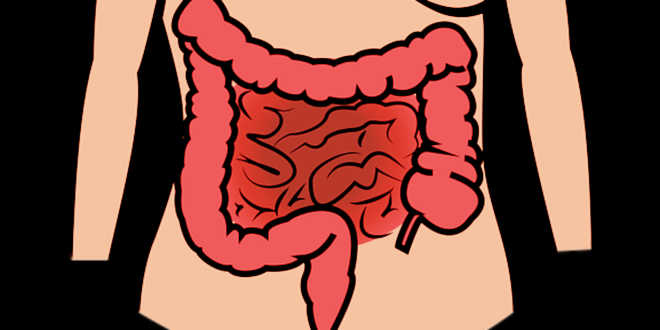
How glutamine works on this intestinal problem
It has the ability to repair and further regenerate the intestinal wall, helping to fight the permeability of this organ. Its intake increases the height of intestinal villi, as well as stimulates mucus proliferation.
It promotes the production of enterocytes, the cells that line the intestinal walls of the digestive system, which play a key role in absorbing nutrients that reach the bloodstream, as well as discarding toxic substances, which are eliminated and don’t pass into our blood, also known as non-increased permeability.
References
- Stephan C Bischoff, corresponding author Giovanni Barbara, Wim Buurman, Theo Ockhuizen, Jörg-Dieter Schulzke, Matteo Serino, Herbert Tilg, Alastair Watson, and Jerry M Wells. Intestinal permeability – a new target for disease prevention and therapy. BMC Gastroenterol. 2014; 14: 189.
- Takayuki Kato, Yasushi Honda, Yusuke Kurita, Akito Iwasaki, Takamitsu Sato, Takaomi Kessoku, Shiori Uchiyama, Yuji Ogawa, Hidenori Ohkubo, Takuma Higurashi, Takeharu Yamanaka, Haruki Usuda, Koichiro Wada and Atsushi Nakajima. Lubiprostone improves intestinal permeability in humans, a novel therapy for the leaky gut: A prospective randomized pilot study in healthy volunteers. PLoS One. 2017; 12(4): e0175626.
- Xia Li and Mark A. Atkinson. The Role for Gut Permeability in the Pathogenesis of Type 1 Diabetes – A Solid or Leaky Concept? Pediatr Diabetes. Author manuscript; available in PMC 2016 Nov 1.
- Paul J Kennedy, John F Cryan, Timothy G Dinan, and Gerard Clarke. Irritable bowel syndrome: A microbiome-gut-brain axis disorder? World J Gastroenterol. 2014 Oct 21; 20(39): 14105–14125.
- WebConsultas, Health and Wellness Magazine
- van der Hulst RR, van Kreel BK, von Meyenfeldt MF, Brummer RJ, Arends JW, Deutz NE, Soeters PB. Glutamine and the preservation of gut integrity. Lancet. 1993 May 29;341(8857):1363-5.
Related links on the topic:
- Physical exhaustion, why am I always tired?
- How can intestinal flora be improved?
- Foods richest in amino acids