Fitness, Nutrition, Health and Sports Blog In the HSNstore Blog you will find tips about Fitness, sport in general, nutrition, and health – HSNstore.com

Inulin is a substance that, due to its many benefits for gut health, should be part of your diet. When it comes to taking care of your digestive system, few supplements compare to inulin, a prebiotic that helps maintain the balance of intestinal transit, controlling the absorption of glucose and fats. Find out here how to take inulina and where to get it.
General tips for taking it
Once you notice the benefits this substance can bring you, you’ll understand why it’s a must-have in your pantry.
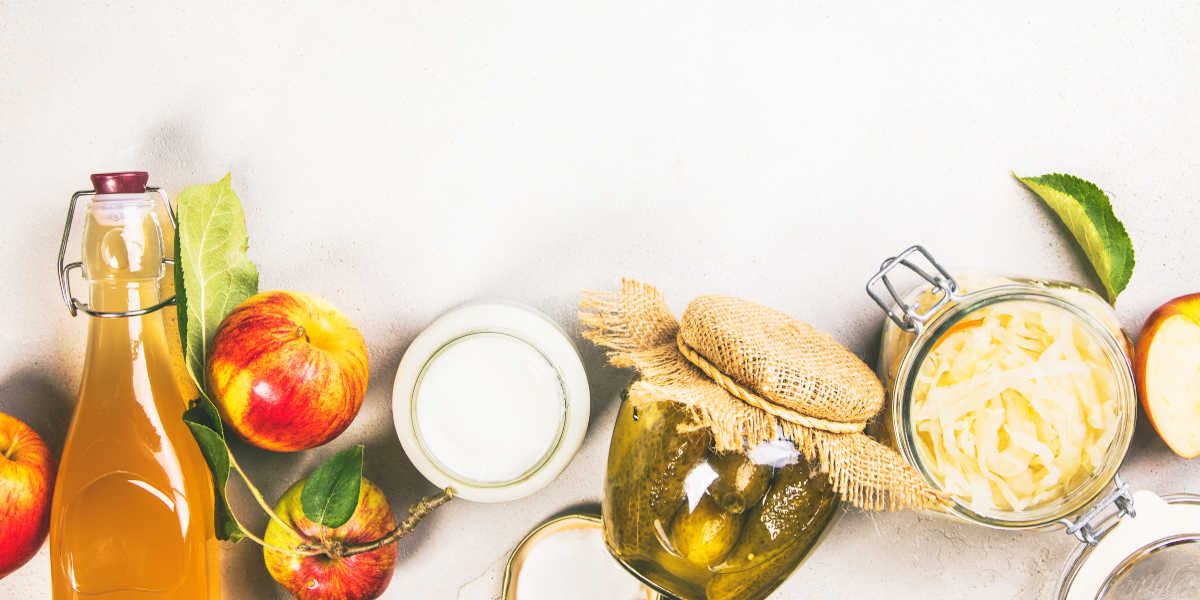
Chicory root extract is a common ingredient in vitamin complexes aimed at weight loss. But here’s some good news: did you know that some foods you usually have in your kitchen, like leeks and garlic, can do a lot for your health in this regard?
That said, when you decide to expand your nutritional range and go for an inulin intake beyond what comes from food, at HSN we recommend responsible consumption that includes consulting a nutrition or medical professional.
Inulin to fight gastroenteritis or colitis
Drink a cup of chamomile tea on an empty stomach, to which you’ve added a spoonful of inulin powder without any sweeteners, natural or artificial. Don’t forget to include two liters of water daily in this treatment and avoid sugary drinks.
To reduce cholesterol and triglycerides or to lose weight
Drink a dandelion infusion with a teaspoon of inulin powder, avoiding sugars, cow’s milk, and white flours. Also, drink two liters of water daily. Do this twice a day: once on an empty stomach and once at night. This is another common way to take inulin.
Inulin to tackle constipation
Have a daily infusion of flax seeds with a teaspoon of inulin added, and you’ll soon notice your intestinal transit getting regulated.
Don’t make the mistake of thinking constipation is a minor health issue, as it causes a significant and unhealthy build-up of toxins.
If possible, limit your solid food intake to papaya for two days, then gradually start adding raw or steamed vegetables. It’s also crucial to cut out red and poultry meats, cold cuts, flours, and refined sugars from your diet for at least a month.
Which foods contain inulin?
Unfortunately, there isn’t a huge list of foods rich in inulin, but there are some. Here are the best sources to know how to take inulin.
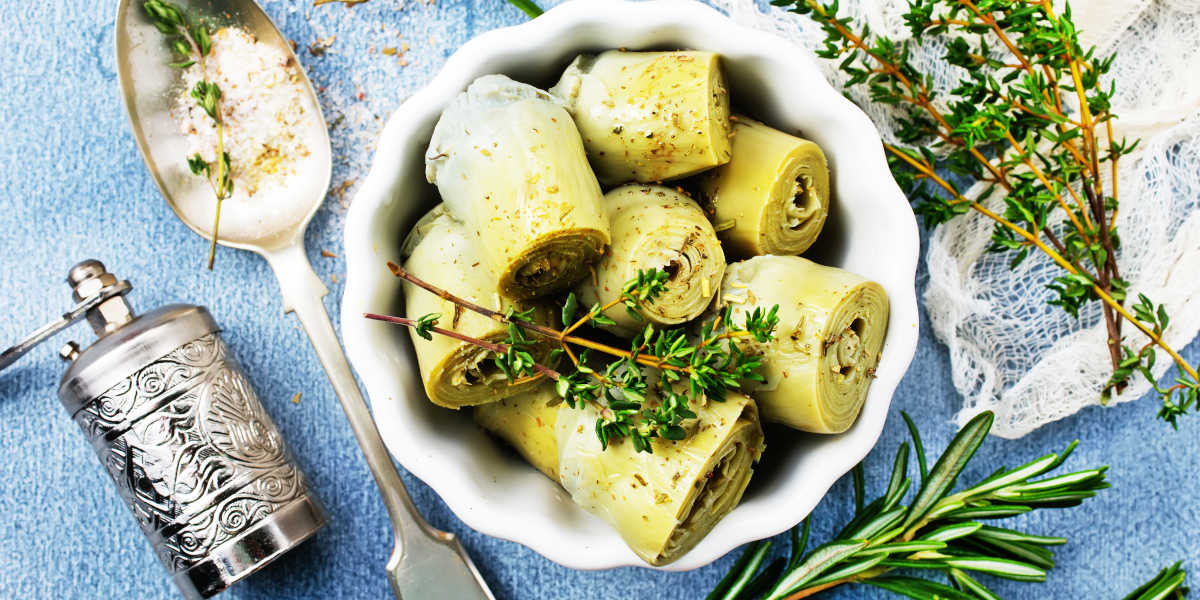
Jerusalem artichoke
For our purposes, Jerusalem artichoke’s nutritional profile includes between 14 and 20% of its weight in inulin, placing it at the top of the list as a source of this nutrient.
Chicory
The inulin content in chicory is close to that of Jerusalem artichoke, sharing the “crown” as a source of this natural fiber.
Needless to say, chicory root isn’t the easiest food to handle in the kitchen. However, that doesn’t stop you from using it as a nutrient, since there are various processed foods containing it, giving you the chance to consume it.
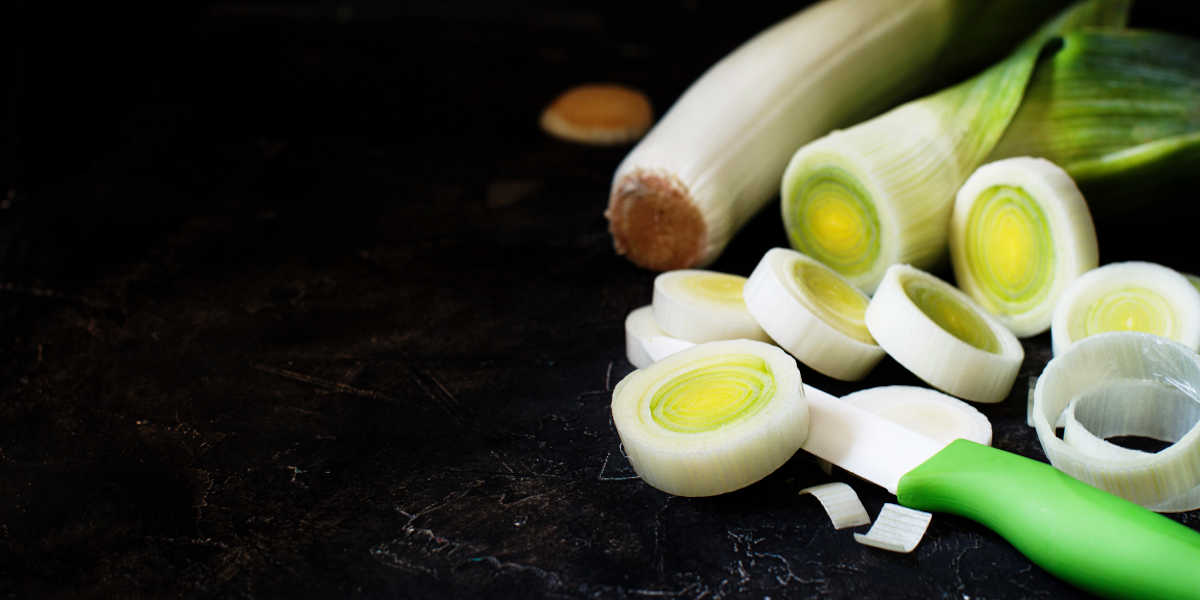
Leek, onion, and garlic
The inulin percentages in these foods are:
- Between 3 and 10% of the leek’s weight
- Between 2 and 6% of the onion’s weight
- Between 9 and 16% of the garlic’s weight
Now you see why it’s so important to include them in your recipes and stews!
Asparagus
Asparagus is a vegetable rich in valuable minerals like folate and also contains about 3% inulin.
This explains why regularly eating asparagus promotes the growth of beneficial bacteria in the colon that compete for nutrients and space with harmful bacteria that cause diseases.
Banana
This delicious fruit contains around 0.7% inulin. So, its probiotic effect isn’t as strong as the foods mentioned above. Still, it’s a good option to know how to take inulin.
Rye and barley
Next up are two cereals that make the list because rye contains between 0.5 and 1% of this oligosaccharide, a figure that rises to between 1 and 1.5% in barley.
Dandelion extract
Dry dandelion extract (each gram requires 5 grams of plant) provides 120 mg of this oligosaccharide per recommended daily dose. If you prefer, you can take it in capsules, which makes dosing easier.
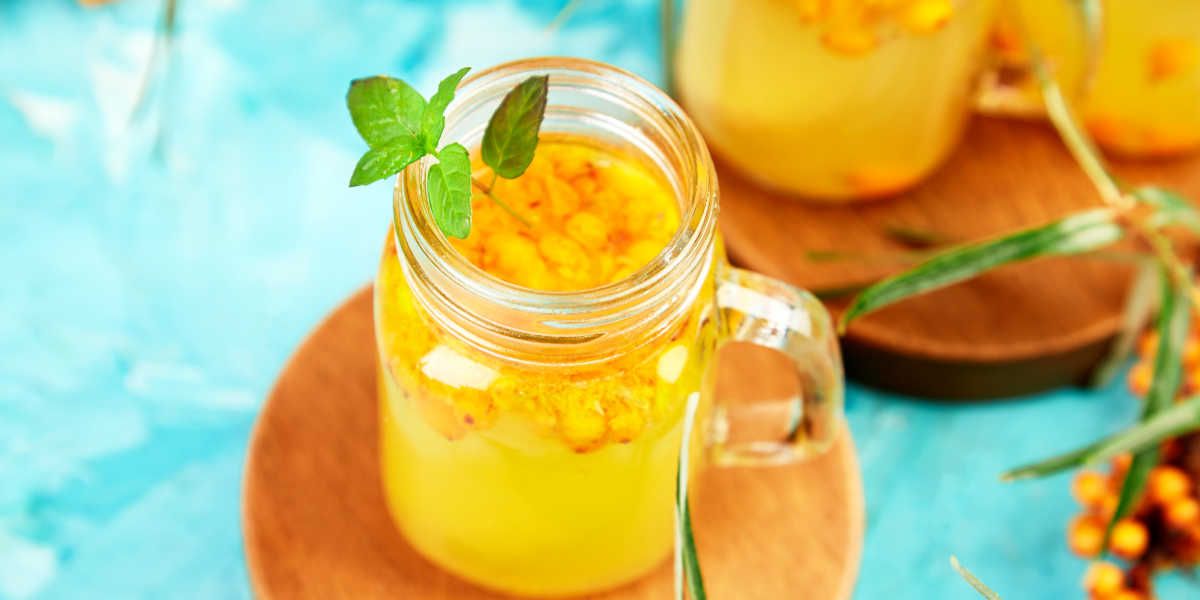
Agave juice and honey
This delicacy and nutritional gem can contain between 18 and 22% inulin in its composition. It’s harvested at the start of flowering for extraction. What you actually consume is concentrated and dehydrated agave juice.
We hope this info about how to take inulin and which natural sources to get it from helps your gut health reach its best moment.
References:
- Kalala G, Kambashi B, Taminiau B, Schroyen M, Everaert N, Beckers Y, Richel A, Njeumen P, Pachikian B, Neyrinck AM, Hiel S, Rodriguez J, Fall PA, Daube G, Thissen JP, Delzenne NM, Bindelle J. In vitro approach to evaluate the fermentation pattern of inulin-rich food in obese individuals. Br J Nutr. 2019 Nov 14:1-19. doi: 10.1017/S0007114519002915.