Fitness, Nutrition, Health and Sports Blog In the HSNstore Blog you will find tips about Fitness, sport in general, nutrition, and health – HSNstore.com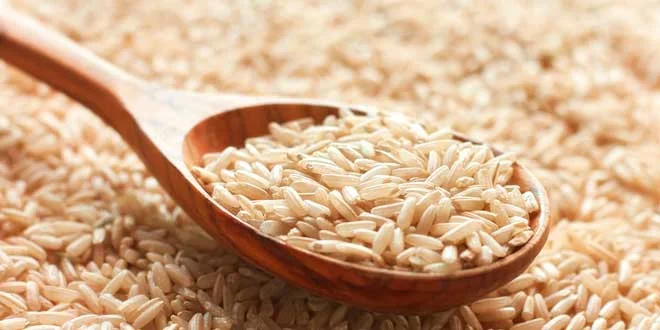

Brown rice, since it’s not refined, keeps the outer layer of the grain made up of cellulose (plant fiber) and rich in proteins, vitamins, and minerals
Nutritional Value of Brown Rice
Brown rice is also very rich in Potassium, Magnesium, Calcium, Phosphorus, Iron, and Zinc. It also contains B vitamins (Thiamine, Riboflavin, Niacin, and folic acid) and Vitamin E.
Brown rice contains essential fatty acids that are great for heart health and can help the body reduce LDL cholesterol levels.
Nutritional Information
Calories 370 kcals Proteins 7.9 g Carbohydrates 77.2 g of which sugars 0.9 g Fiber 3.5 g Fats 2.9 g of which saturated 0.6 g Vitamins and Minerals
Thiamine 0.1 mg Niacin 5.1 mg Vitamin B6 0.5 mg Folate 20 mcg Pantothenic acid 1.5 mg Vitamin E 0.17 mg Calcium 23 mg Iron 1.5 mg Magnesium 143 mg Phosphorus 333 mg Potassium 223 mg Sodium 7 mg Zinc 2 mg Copper 0.3 mg Manganese 3.7 mg Selenium 23.4 mcg
Health Benefits of Brown Rice
Antioxidant
Brown rice is a powerful antioxidant food. It’s rich in selenium, a trace mineral with strong antioxidant effects that works synergistically with vitamin E to block free radicals. It plays a role in thyroid hormone production and immune function.
Selenium helps slow down tissue deterioration
Source of Fiber
Thanks to its fiber content and ability to keep intestinal function healthy, brown rice supports weight loss and metabolic function. Brown rice creates a great feeling of fullness.
It also improves the good gut bacteria in your microbiome
Slow-Release Carbohydrates
Brown rice is a slow-release sugar. It can help keep blood sugar stable by releasing sugars slowly and steadily, and it may help people with diabetes improve blood sugar levels.
It can be a good option to include before doing endurance physical activity
Differences Between White and Brown Rice
To consider a rice grain as “whole grain,” it must include these 3 parts:
the bran, the germ, and the endosperm.
The bran is the edible outer skin of the grain. It contains antioxidants, B vitamins, and fiber. The germ also contains B vitamins, some proteins, minerals, and healthy fats. The endosperm mainly contains carbohydrates, proteins, and some vitamins and minerals.

Brown rice is considered a healthier option than white rice, since the bran layer contains vitamins, minerals, and fiber, which are removed when brown rice is polished to reveal the white grain. Polishing or refining removes about 80% of the thiamine from brown rice.
Unlike white rice, brown rice hasn’t lost its integrity. The outer layer of brown rice is rich in cellulose.
Uses of Brown Rice
Brown rice can perfectly replace its counterpart (white rice) in any dish or recipe, bringing the benefits mentioned.
How to Cook Brown Rice?
Brown rice needs more cooking time than white rice, since water has to penetrate the bran, which is designed to protect the inner grain.
For the best results, it’s important to use the right amount of water to cook rice
In this case, brown rice requires double the water to cook. It also needs enough time to absorb the water. Generally, cooking time is around 25-30 min.
It’s recommended to eat rice the day it’s cooked. If you cook too much and want to eat it cold or save it for later, cool it quickly (within an hour) and put it in the fridge – don’t leave it out at room temperature.
Basic Boiled Brown Rice Recipe
Related Posts
- Rice, the base of a healthy diet
- How rice protein helps you lose weight
- Choosing the best rice
- Buy Concentrated Brown Rice Protein