A plant protein designed for your routine
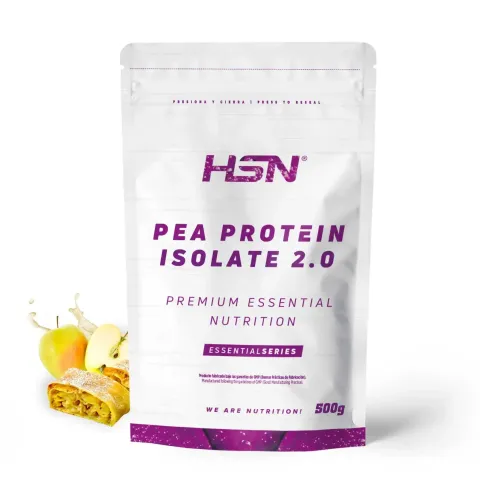
Pea protein isolate 2.0 from EssentialSeries is a powder made from pea protein isolate (Pisum sativum), available in various flavors (with sweeteners) and also in an unflavored version, created for those who want a practical, versatile plant protein source that's easy to include in shakes or recipes.
It’s not just an alternative to dairy proteins: it’s a convenient way to boost your protein intake with a plant protein that fits perfectly in sports contexts, plant-based diets, and plans where you want more flexibility without giving up a great user experience.
A useful plant protein isn’t just one that provides protein, but one that also mixes well, tastes good, and easily fits into your daily life.
What is pea protein isolate
Pea protein isolate is the most purified protein fraction from peas. Compared to less refined forms like concentrates, the isolate removes much of the starch and other components from the raw material to offer a higher protein density and a more interesting texture, dispersion, and culinary performance.
In other words: this isn’t a legume flour or a generic plant blend, but an ingredient designed to efficiently provide protein with a much wider range of applications. That’s why it works well in a shake but also in recipes where you want to add protein and improve the final result.
The key to a good pea protein isolate isn’t just its protein percentage, but the balance between amino acid profile, flavor, and technological performance in real use.
What it offers and why it’s interesting
Pea protein stands out for delivering a high amount of protein in a relatively small volume, which is especially useful when you want to better structure your meals or increase protein intake without relying on animal sources.
It also contains essential amino acids and a profile that makes it one of the most used plant options in sports nutrition and healthy eating. Within that profile, its leucine and arginine content often catches attention. Still, it’s good to understand it with nuance: as is common with pea protein, sulfur-containing amino acids are lower than in other sources, so its quality is better assessed when looking at the overall diet, not just the total protein number on the label.
That’s why this protein is so interesting for active people: it helps you build a more meaningful protein intake practically, without hassle, and with a plant source that fits well in many dietary contexts.
- Daily-use plant protein source.
- With essential amino acids, naturally present.
- Great for boosting protein between meals and as a snack.
- A convenient alternative to dairy-based proteins.
Why not all pea proteins are the same
When talking about quality in pea protein isolate, just looking at grams of protein isn’t enough. Other factors greatly affect the result: solubility, gritty sensation, legume flavor, bitterness, or how easily it blends in water, plant drinks, or recipes.
This is where our pea protein stands out. We’ve improved it over the years to offer a more pleasant experience, with better solubility and flavor—two key points that take a plant protein from “okay” to truly easy to use consistently.
It also matters how the raw material is obtained and processed, because the process affects both use and sensory profile. Put simply: a good pea protein isn’t just one with a decent nutrition label, but one that works well when you take it and when you cook with it.
What sets it apart from other options
HSN’s Pea protein isolate 2.0 stands out by combining several factors that together greatly improve the overall experience of using a plant protein: it’s based on an isolate, so its protein content is much higher than other options, it’s available in different flavors and also unflavored, and its nutritional quality is genuine, with no added amino acids or anything that artificially alters its nutrition facts.
Plus, its profile fits especially well for those looking for a plant protein without dairy. That makes it a very interesting alternative for athletes, plant-based enthusiasts, or users who want to vary protein sources without giving up a smooth texture and mild flavor.
Another standout point is its versatility. Some proteins only “work” for the shaker. This one doesn’t. You can use it in shakes but also in recipes for breakfasts, functional baking, or savory dishes where you want to add an extra protein boost.
Less dependence on a single protein powder, more options to hit your macros in the way that suits you best.
How to include it in your routine
The most common use is in a shake, mixed with water or your favorite plant drink. It’s the quickest option when you want a convenient serving around training, between meals, or just when you don’t feel like preparing a more elaborate meal.
But it also works great with oats, smoothies, plant yogurts, pancakes, homemade cakes, cold creams, or mixed with fruit and nut butters. The unflavored version, especially, is very useful for those who want a more neutral and versatile protein in cooking, since you can also add it to savory recipes.
Regarding timing, what matters isn’t a specific hour but that it helps you comfortably and regularly reach your daily protein goal.
Who it’s a good option for
This protein is perfect if you train strength, endurance, or mixed sports and want a practical way to support your nutrition. Also if you follow a vegetarian or vegan diet, prefer to rotate protein sources, or want a non-dairy alternative with great taste.
It’s also a good choice for those who prioritize convenience: people with little time to cook, users who eat breakfast away from home, folks preparing high-protein snacks, or anyone wanting to easily enrich recipes.
It fits especially well in routines where you need practicality, versatility, and a plant protein that makes it easy to keep going.
Recommended combos
Quality and trust in every use
A quality plant protein should be transparent, functional, and easy to use. At HSN, that means clear raw materials, an improved experience, and the option to check protein content analysis and amino acid profiles for each flavor right on the product page.
Pea protein is one of those options that fits perfectly when you want simplicity, usefulness, and practicality. It provides plant protein, offers very diverse applications, and improves two key points for daily use: nutritional quality and sensory experience.
If you’re looking for a plant protein you can easily use both in your training and your kitchen, this is an excellent alternative to more traditional options for building a practical, flexible, and easy-to-maintain routine.
Frequently asked questions
Does pea protein have essential amino acids?
Yes. Pea protein provides essential amino acids.
Is it only good for making shakes?
No. It can also be used in sweet and savory recipes, breakfasts, smoothies, doughs, and preparations where you want to add protein and improve texture.
Is it a good alternative if I don’t want whey?
Yes. It’s a very interesting plant option for those who prefer to avoid dairy proteins or simply want to vary their protein sources.
Why choose HSN’s and not another?
Because of improvements after years on the market: our pea protein has excellent solubility and flavor, plus top nutritional quality—key aspects for a plant protein to be truly convenient and practical to take.
References
- Food and Agriculture Organization of the United Nations (FAO). (2013). Dietary protein quality evaluation in human nutrition. FAO Food and Nutrition Paper 92.
- Lu, Z. X., He, J. F., Zhang, Y. C., & Bing, D. J. (2019). Composition, physicochemical properties of pea protein and its application in functional foods. Critical Reviews in Food Science and Nutrition, 60(15), 2593-2605.
- Guillin, F. M., Gaudichon, C., Guérin-Deremaux, L., Lefranc-Millot, C., Airinei, G., Khodorova, N., Benamouzig, R., Pomport, P. H., Martin, J., & Calvez, J. (2022). Real ileal amino acid digestibility of pea protein compared to casein in healthy humans: a randomized trial. The American Journal of Clinical Nutrition, 115(2), 353-363.
- Harasym, J., Paroń, O., & Pejcz, E. (2025). Pea Protein Isolates: From Extraction to Functionality. Molecules, 30(23), 4650.
- Kim, M. S., Bao, R., Peterson, J., Tello Camacho, E., Soldavini, A., Peterson, D. G., & Simons, C. T. (2026). Aroma, Flavor, and Textural Drivers of Acceptance in Unflavored Pea Protein Isolates. Journal of Food Science, 91(2), e70925.
- Ongkowijoyo, P., Tello, E., & Peterson, D. G. (2023). Identification of a Bitter Peptide Contributing to the Off-Flavor Attributes of Pea Protein Isolates. Journal of Agricultural and Food Chemistry, 71(19), 7477-7484.