Fitness, Nutrition, Health and Sports Blog In the HSNstore Blog you will find tips about Fitness, sport in general, nutrition, and health – HSNstore.com

In recent years, hypopressive exercises have gained popularity, with more people integrating them into their weekly routine. The Low Pressure Fitness (LPF) method is an innovative system that combines hypopressive abdominal gymnastics with postural and breathing training, using a unique approach based on neuroeducation.
Inspired by myofascial stretching, postural re-education, neural mobilisation, and breathing pattern work, LPF offers a comprehensive and effective way to improve your physical well-being.
Benefits of practising Low Pressure Fitness
The Low Pressure Fitness method has wide applications in organic health, helping in the prevention and treatment of pelvic floor dysfunctions, abdominal wall issues, and back pain. The main benefits of practising LPF include:
1. Improves breathing
The LPF technique has its roots in yoga’s uddiyana bandha. This concept refers to a lock or closure, and consists of a controlled and sustained contraction of a specific area of the body while holding the breath, with lungs full or empty.
- This creates a suction effect that reduces pressure in the thoracic, abdominal, and perineal cavities, triggering the involuntary activation of muscle fibres responsible for toning these areas.
2. Strengthens the abdomen
Excess intra-abdominal pressure negatively impacts various parts of the body such as the back, abdomen, and pelvic floor. LPF is based on reducing this pressure, leading to more toned and elastic muscles, improved breathing, and a healthy spine.
- Helps reduce waist circumference while toning abdominal and pelvic muscles.
3. Increases aerobic capacity
As this method promotes a reduction in abdominal pressure, it can improve respiratory parameters, positively impacting athletic performance.
- Prevents and improves prolapses while enhancing body awareness and postural hygiene.
4. Reduces health issues
Among others, we can highlight:
- Supports post-partum recovery.
- Prevents abdominal, inguinal, umbilical, disc, and vaginal hernias.
- Improves posture and reduces back pain.
- Prevents urinary incontinence and, in some cases, resolves it.
- Enhances sexual function by positively affecting pelvic floor muscles and increasing blood flow to the genital area.
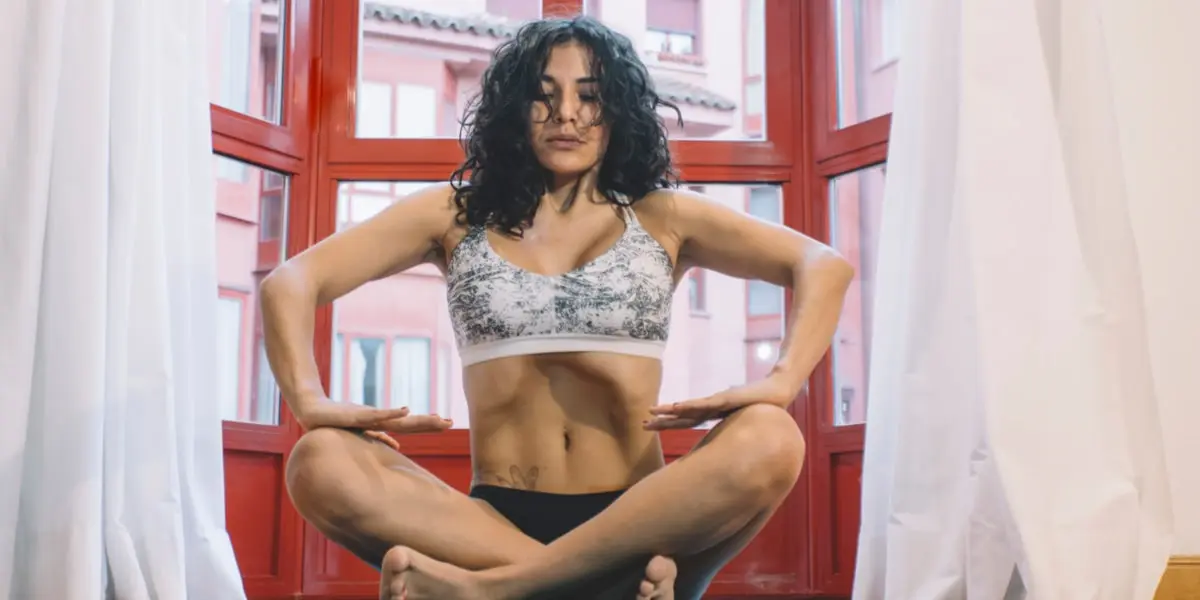
How is it done?
The general principles are based on postural re-education through:
- Control of the breathing pattern and pressure management in the intra-abdominal cavity.
- Spinal elongation.
- Neural mobilisation, motor education.
It cannot be classified solely as a method of hypopressive exercises, as it employs fundamental movement techniques and principles, making the programme more comprehensive.
Hypopressive breathing
The hypopressive breathing used in the LPF method allows the elevation of the pelvic organs and muscles, which reduces intra-abdominal pressure and improves the activity of the rectus abdominis muscles.
This occurs indirectly through the elevation of the diaphragm and the associated pressure reduction in the pelvic and abdominal cavities. Unlike traditional abdominal exercises, which increase pressure, hypopressives reduce it.
The foundation of hypopressive exercises lies in breathing techniques and postural re-education principles.
Hypopressive postures
The LPF method involves performing a series of postures based on the following technical fundamentals:
- Correct positioning at the start.
- Axial spinal elongation.
- Cervical elongation.
- Activation of the scapular waist.
- Shifting the body’s axis forward.
- Exhalatory apnoea.
- Rib cage opening.
Hypopressive work increases flexibility in the lumbar spine and hamstrings, as well as thoracic expansion.
Low Pressure Fitness exercises
Among the exercises in this method, found in the “wall series” exercises, are ‘María’ and ‘Patricia’: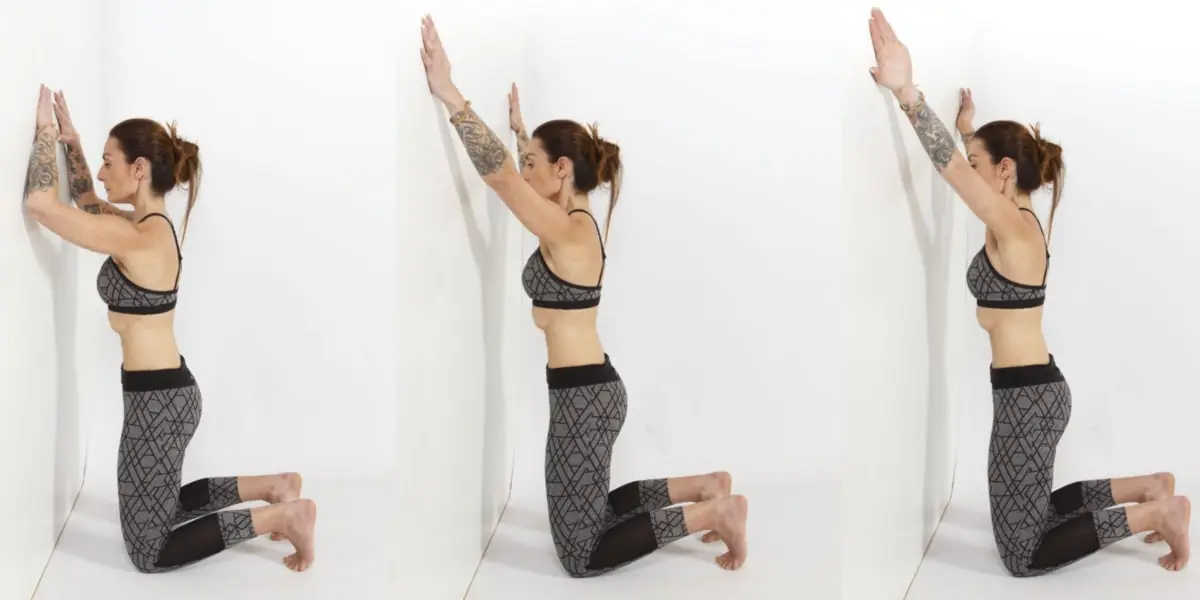
Exercise ‘María’ (source: https://lowpressurefitness.com/).
The wall series are wall exercises in the Low Pressure Fitness training programme. It is a complete sequence of interwoven postures that start in a standing position and end in supine (lying on your back).
Exercise ‘Patricia’ (source: https://lowpressurefitness.com/).
Each posture has its counterpart in the floor sequence, aiming to facilitate learning or perfecting it. Each one has a basic variant and an advanced variant for improvement.
- The key is mastering the alignment of the back and spine.
- With active support from the push of the hands against the wall, the scapular waist is better activated.
Who can practise the Low Pressure Fitness method?
It is often mistakenly thought that this is a method designed for women only, but its focus is on the holistic improvement of spinal health, breathing patterns, and postural alignment.
- Therefore, it is a method for both men and women, regardless of age or physical condition.
In any case, it must be a qualified and certified LPF trainer who guides your training sessions for this method.

Are there any contraindications?
Although the Low Pressure Fitness method is beneficial for most people, there are some contraindications to be aware of. LPF is not recommended in the following situations:
- People with chronic or temporary back pain, abdominal pain, or during pregnancy.
- Those who have recently undergone abdominal surgery should wait for medical clearance before starting these exercises.
- People with severe cardiovascular conditions should consult their doctor before beginning any exercise programme that includes breathing and abdominal pressure techniques.
- In cases of advanced pelvic floor prolapse, it is important to consult a specialist to determine if LPF is appropriate or if a different approach is needed.
HSN supplementation to get the most out of hypopressive exercises
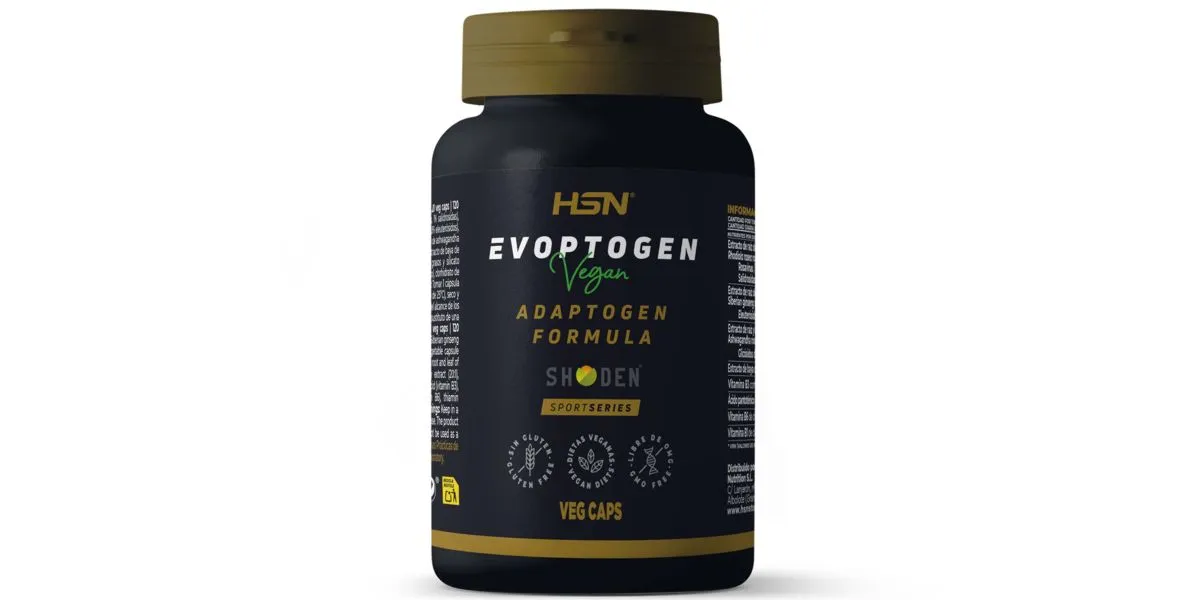
We can enhance our experience of these exercises with a positive mindset and emotional balance, reducing daily stress. For this reason, an adaptogen product like Evoptogen, which includes the adaptógenos with the most current evidence, can be very helpful.
These will help increase the body’s resilience to adverse physical and emotional stress, lower chronic cortisol levels, and restore homeostatic balance.
Related Posts