Fitness, Nutrition, Health and Sports Blog In the HSNstore Blog you will find tips about Fitness, sport in general, nutrition, and health – HSNstore.com

It is a natural compound found in our bodies, in fact, I will quickly answer your first question:
Yes, spermidine is so called because it is related to sperm; not because it is obtained from sperm (this is a hoax like taurine and bull semen), but because it was first found in human sperm, and researchers named it sperm-idine (a polyamine located in sperm); it was later found in many other living tissues.
In the body, it is primarily located in the ribosomes of cells and regulates cellular processes important for cell survival and recycling, which in turn are closely linked to ageing.
Benefits and properties
Spermidine is often associated with a general purpose: The anti-ageing effect.
This effect is achieved through small influences on various processes in the body, which means that spermidine actually has an enormous capacity for action.
It protects your cardiovascular system
Spermidine is able to increase the bioavailability of nitric oxide, as well as exerting an antioxidant function, blocking the production of pro-inflammatory cytokines and increasing the phosphorylation of titin filaments in cardiomyocytes.
All this means that:
- It lowers blood pressure.
- It increases the contractile-relaxation flexibility of cardiac tissue.
- It reduces arterial stiffness, improving endothelial function.
- It improves the mitochondrial function of cardiac cells.

It activates cell regeneration: autophagy.
Autophagy is the fundamental process that mediates spermidine and has a large number of effects on the body, as, for example, a large part of the positive cardiovascular effects it has are mediated by autophagy and mitophagy processes.
Spermidine acts at several points in the metabolic processes linked to autophagy by affecting histone methylation, upregulating starvation response genes by blocking Akt phosphorylation, and inhibiting the activity of EP300, an enzyme that blocks autophagy and whose inhibition directly induces the process.
It protects your nervous system
Spermidine decreases T-cell activation, which evidently reduces their autoimmune reactive response that is closely linked to demyelination processes of neurons, which in turn catalyse neurodegeneration.
Spermidine could, in the future, be a coadjuvant treatment for Alzheimer’s disease, as it is capable of tackling the processes that seem to trigger the onset of the disease.
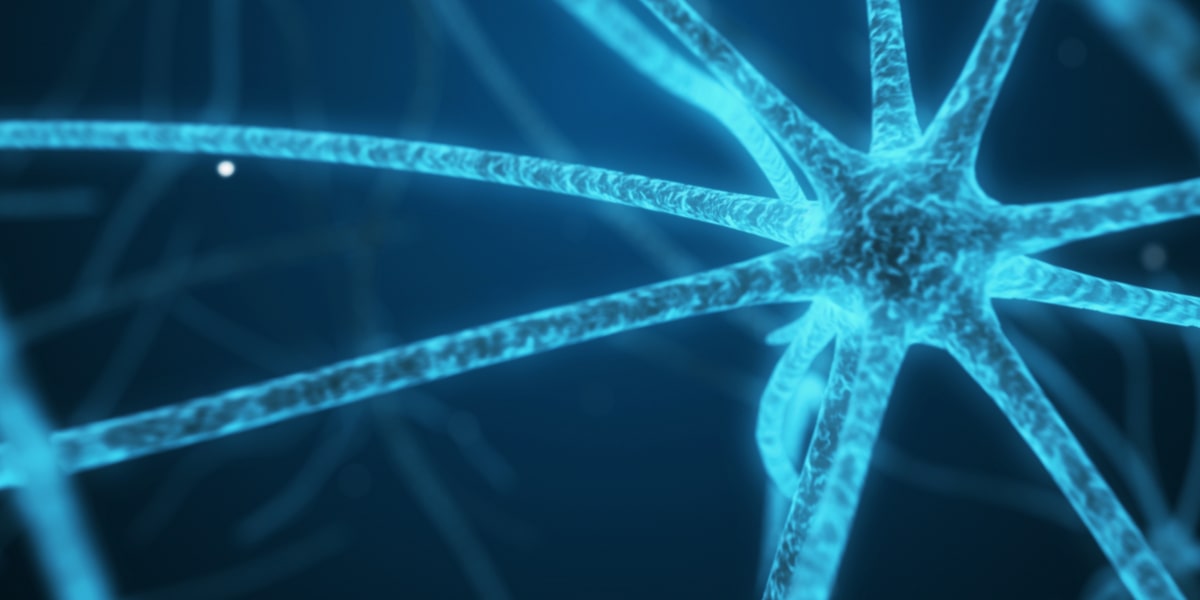
In addition, autophagy also occurs in neurons, increasing the neural flexibility of the active zone of neurotransmitter exchange, increasing synaptic plasticity.
It modulates the immune system
Spermidine induces autophagy in CD8+ T cells, increasing T cell memory formation and may have a positive impact, for example, on the efficiency of a vaccination, or on the body’s ability to generate antibodies to an infection to which it has been subjected.
Unbelievable, isn’t it?
What foods contain spermidine?
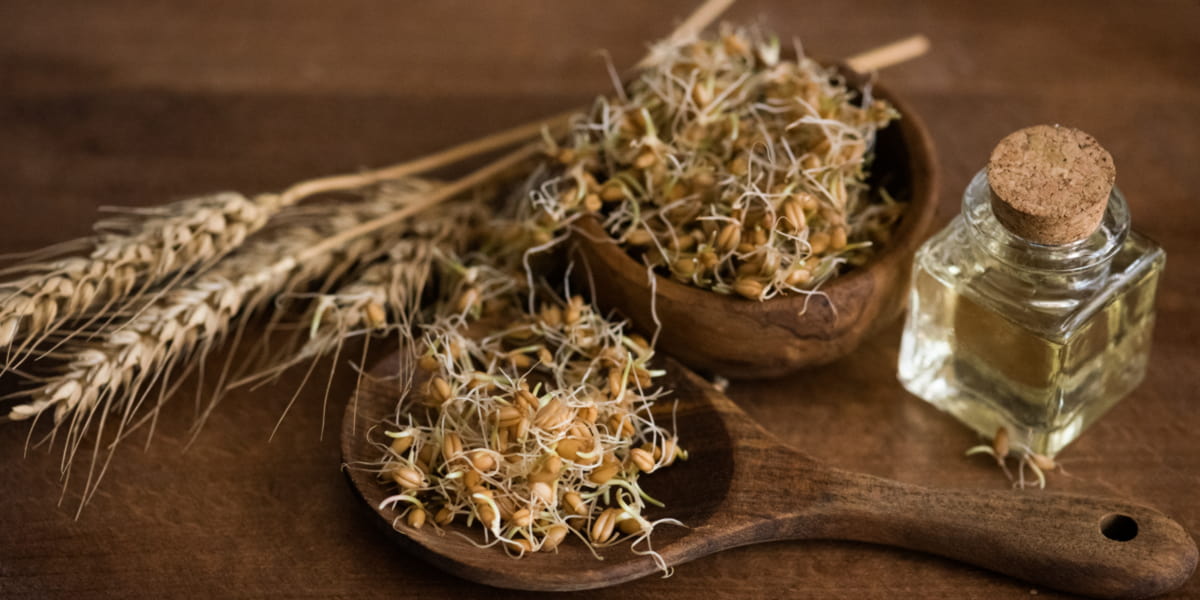
Among all the sources of spermidine in food, one stands out, which is characterised precisely by the fact that it is not a food in any of the world’s diets, and that it is added to the diet indirectly, through preparations derived from this food: wheat germ.
Wheat germ contains the highest amount of spermidine of all foods.
Other sources of spermidine, although in much lower concentration, are:
- Soy beans and their fermented preparations, such as natto.
- Cured (old) cheese.
- Mushrooms.
- Walnuts.
- Peas and broccoli.
- Apples and pears.
Spermidine food supplements
The most efficient way to provide a significant spermidine content in the diet is to use a quality food supplement.
HSN offers you a specific spermidine supplement:
- It provides a high dose (2.5mg) per vegetable capsule.
- It is suitable for vegans and is extracted from natural sources (wheat germ).
- It is not synthetic and does not contain genetically modified organisms.
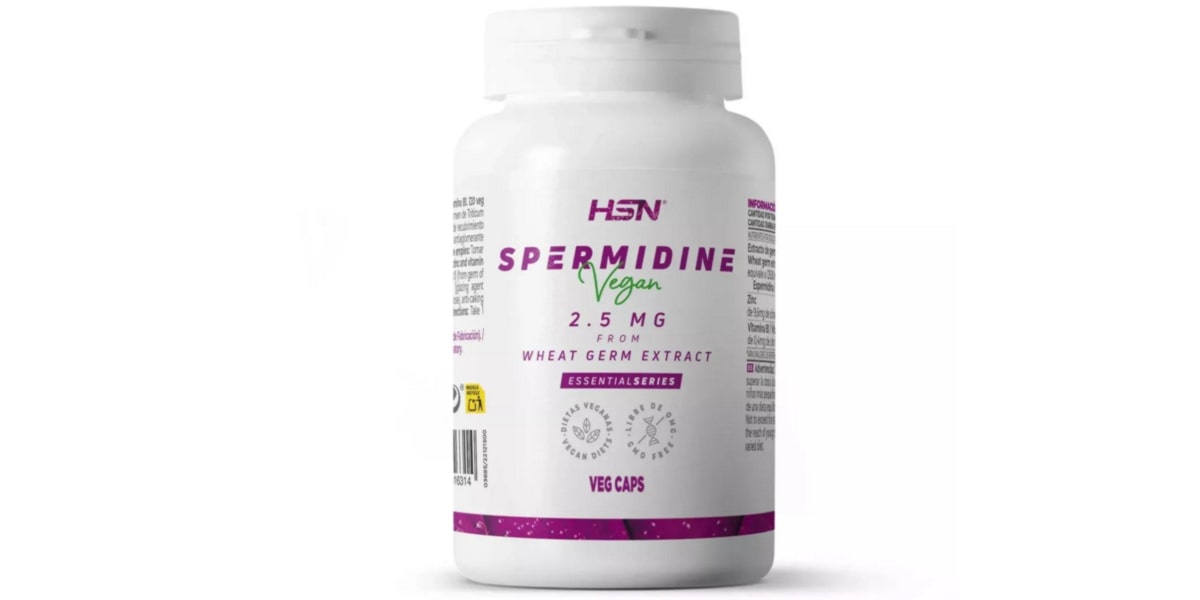
Spermidine 2.5mg by EssentialSeries.
Bibliographical references
- Madeo, F., Eisenberg, T., Pietrocola, F., & Kroemer, G. (2018). Spermidine in health and disease. Science, 359(6374).
- Madeo, F., Bauer, M. A., Carmona-Gutierrez, D., & Kroemer, G. (2019). Spermidine: a physiological autophagy inducer acting as an anti-aging vitamin in humans? Autophagy, 15(1), 165–168.
- Minois, N. (2014). Molecular basis of the “anti-aging” effect of spermidine and other natural polyamines – A mini-review. Gerontology, 60(4), 319–326.
Related Entries
- Do you know what Telomeres are and how they influence our youth? We tell you all about it here.
- Why is vitamin E known as the “vitamin of eternal youth”? Find out at this link.