Fitness, Nutrition, Health and Sports Blog In the HSNstore Blog you will find tips about Fitness, sport in general, nutrition, and health – HSNstore.com

- In summer, with warmer temperatures, the perception of heat and a higher rate of sweating lead to a greater sensation of thirst or the need to hydrate more regularly. This is one of the major differences compared to what happens in winter or in cold climates.
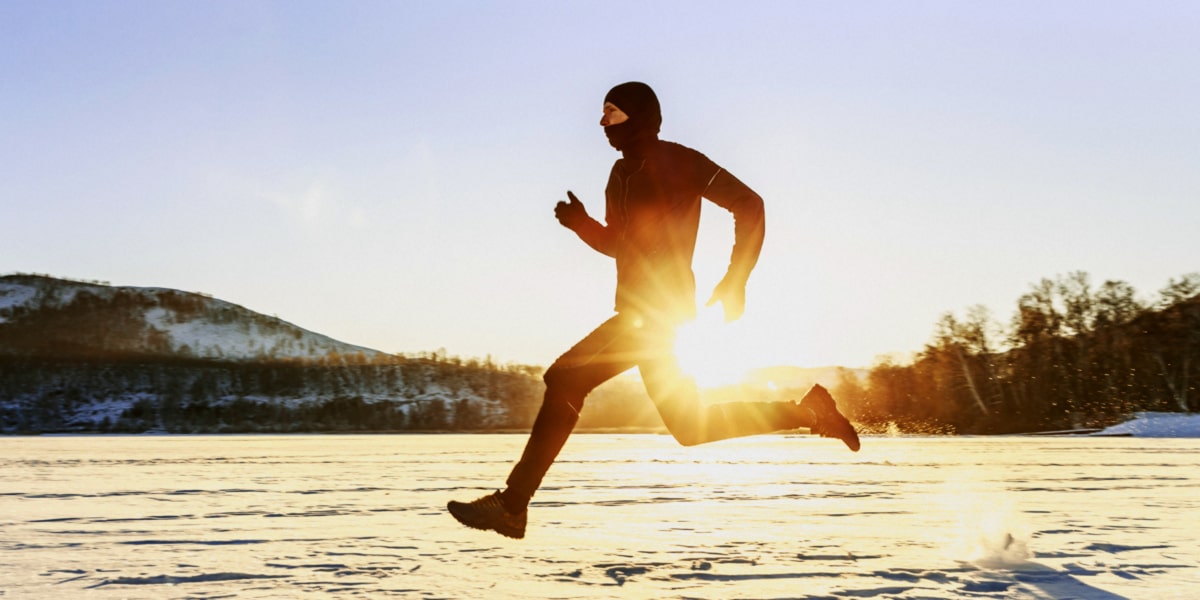
- Most endurance athletes have the misconception that in winter, hydration becomes less important during endurance training, but this is a serious mistake that can lead to dehydration and decreased performance.
- Both external and internal temperatures are variables that directly affect performance. Whether in high temperatures like in summer, where the body, in order to dissipate body heat, increases sweating and heart rate rises. But let’s see what happens in cold climates.
Why Do We Need Extra Hydration in Winter?
Training under cold weather conditions means that:
- The body has to generate more heat to maintain an optimal body temperature, increasing caloric expenditure.
- Water loss increases for breathing, as the body must humidify and heat the dry and cold air from outside.
- If we add that the sensation of thirst decreases, it is very common for athletes to reach degrees of dehydration and the consequent drop in performance and feeling of fatigue.
- Also, with exposure to cold, the oxidation of carbohydrates is stimulated. This increases when there are low levels of glucose in the blood plasma.
Risks of Dehydration in Winter Endurance Sports
Dehydration is a limiting factor for performance, and reaching a state of loss of fluids and mineral salts, not only will accelerate fatigue but also affect recovery processes.
When body weight loss exceeds 2%, athletic performance suffers a significant drop in performance and recovery processes are diminished.
A strategy used to know the degree of sweating and, therefore, to regulate a good hydration strategy in prolonged endurance exercise, is to weigh yourself before and after training, taking into account the duration of the training and the intake of fluid during the same.
Consider the following example:
| Weight before exercise | 56kg |
| Weight after exercise | 54.8kg |
| Duration of exercise | 1 hour |
| Water intake during | 800 mL |
| Weight difference | 1.2kg |
| Dehydration | 1.2 / 56 x 100 = 2.14% |
| Sweating Rate (Liters/Hours) | (Pre-weight – post-weight) + (Liquid intake) / Time |
| Sweating rate from the example | (1.2 + 0.8) / 1 = 2 L / hour |
Hydration Strategies in Cold Climates
According to the above, the endurance athlete must pay special attention to the intake of fluids before, during, and after exposure to the cold of training.
According to conclusions from studies on this topic, it is especially important to ingest carbohydrates due to the increased carbohydrate metabolism during training and/or competitions in cold climates.
Thus, it is ideal to combine an isotonic drink that contains mineral salts and, at the same time, the intake of carbohydrates.
Although depending on the duration of the training, carbohydrates in the form of gels can be ingested.
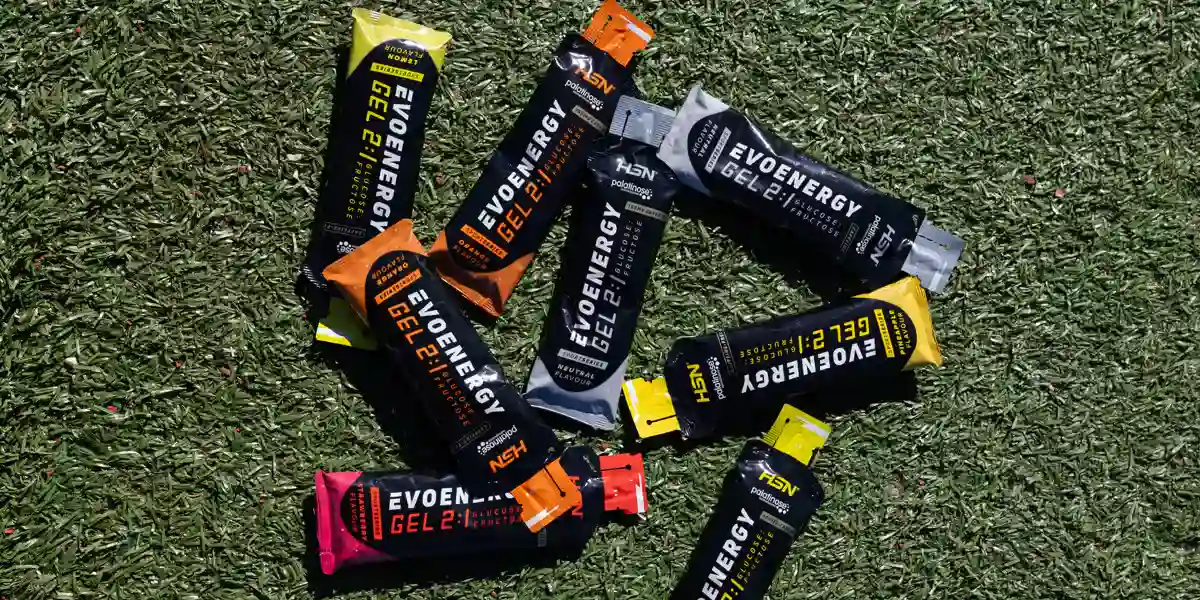
An interesting option that promotes hydration during exercise are dietary supplements for drinks containing carbohydrates, to be consumed at about 500ml per hour approximately.
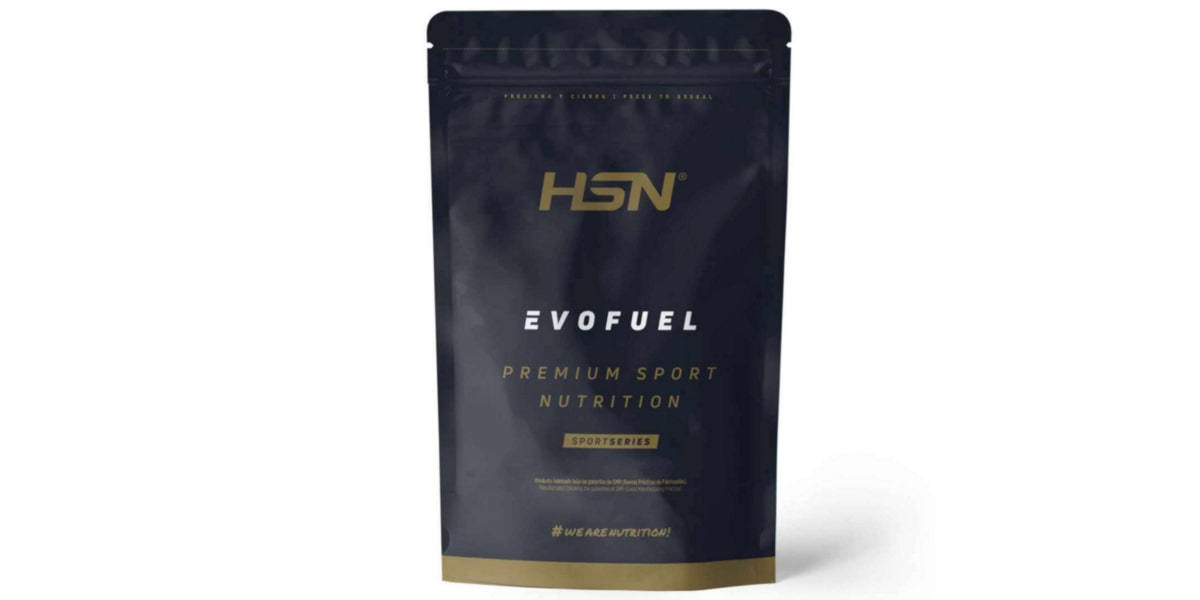
Evofuel from SportSeries is the star product for endurance sports as it contains all the necessary mineral salts in addition to carbohydrates.
Equipment and Special Techniques for Hydration in Winter
Regarding technical materials for training in winter, you can find everything you need in this article on specific winter cycling clothing.
To keep drinks at an ideal temperature, it is advisable to start with thermal bottles that maintain the temperature of the beverage (whether cold or hot).
Nutrition and Hydration in Winter Sports
Winter sports are practiced in cold conditions on ice or snow and often at moderate to high altitudes; or in areas not too high but with very low temperatures.
As we have indicated in this article, the challenge we face as endurance athletes is to maintain adequate hydration despite not feeling thirsty.
Therefore, the intake of water with an isotonic supplement will help maintain a good hydration balance.

Under these climatic conditions, there is an increased need for the oxidation of carbohydrates, therefore, the intake of carbohydrates during training should be considered to maintain an optimal performance state.
References / Bibliography
Related Posts
- Find the best strategies for extreme cold training
- Discover how to train to master the cold
- Discover Your Winter Plan with HSN