Fitness, Nutrition, Health and Sports Blog In the HSNstore Blog you will find tips about Fitness, sport in general, nutrition, and health – HSNstore.com

- It’s inevitable that the body undergoes physical and mental changes over time, which can diminish our faculties, affecting the desire to lead a full and independent life.
- It has been proven that adopting healthy lifestyle habits is a key factor in staying active and vital at 50 and beyond.
Why is Your Physical Condition Important at 50?
From the age of 50, some physiological changes occur that impact body composition, such as: decreased bone mineral density, loss of muscle mass, and increased fat mass.
On the other hand, the ability to regenerate cells decreases and there is a decline in hormone production.
Furthermore, changes in metabolism can lead to weight gain and the onset of chronic diseases such as cardiovascular diseases, type 2 diabetes, among others. Mental health can also be affected, as brain cells begin their degenerative process and cognitive decline may start.

If you lead a sedentary life, it’s time to take action to strengthen your body and enjoy the benefits that physical activity offers at this stage of life, such as the following:
- Reduces the risk of diseases. Regular physical activity can help prevent conditions such as hypertension, type 2 diabetes, Alzheimer’s, and certain types of cancer, and can even reverse some pathologies if you already suffer from them.
- Alleviates pain. It’s common to experience arthritis, joint pain, or reduced flexibility at 50, and physical exercise can help in this regard.
- Maintains cognitive abilities. Exercise improves brain function, thanks to increased brain oxygenation. It has also been shown that doing aerobic exercises enhances the activity of the hippocampus, an area of the brain involved in the processes of learning and verbal memory.
- Improves mood. Engaging in physical activity releases endorphins, which generate positive emotions and help release the emotional tension of the day, thus helping to combat anxiety, sadness, depression, and manage stress.
- Strengthens bones. At this age, bone density decreases, which affects porous and fragile bones, more prone to osteoporosis and fractures. Performing moderate strength training two to three times or more per week helps strengthen bones and prevent these issues, giving you more confidence in your movements.
Training to Tone the Body
To stay in shape from the age of 50, it’s advisable to engage in physical activity at least three days a week.
It’s very important to work on strength to increase muscle mass and strengthen bones. Also, aerobic activity should be included to enhance the cardiovascular system.
Below we provide a generic training program that can serve as a guide, but remember that the right approach is always personalized and crafted by a professional based on your situation and goals.
Day 1: 5 rounds or sets
- 100 m moderate run
- 10 kettlebell swings
- 100 m moderate run
- 20 box jumps
- Crunches
Rest for 30-60 seconds between rounds
Day 2: 5 rounds or sets
- 3 back exercises (pull-downs, rows, pull-ups…)
- 2-3 chest exercises (press, push-ups, cable cross…)
- 2 biceps/triceps exercises (curls, tricep press…)
Day 3: 5 rounds or sets
- 50 heel to glutes
- 5-6 full leg exercises; anterior, posterior, and glute chains (quads: squats, extensions, lunges…, lying or standing hamstrings, deadlifts, hip thrust, cable kickbacks…)
- 50 heel to glutes
Nutrition and Personal Care
Diet plays a crucial role alongside regular exercise for personal care at this stage of life with the goal of delaying or mitigating the effects of aging.
It’s important to include all food groups in your daily diet in a balanced way and consider that intake should be adapted to age, weight, and physical condition.

In general, the nutritional requirements from the age of 50 are as follows:
- Proteins: it is recommended to consume approximately one gram per kilo of lean mass, although this depends on your goal and physical state.
- Fiber: the suggested intake is 25 g for women and 38 g for men. Fiber is associated with a lower risk of cardiovascular disease, type 2 diabetes, and obesity.
- Calcium: the necessary intake of calcium should be obtained mainly through the consumption of some vegetables and dairy products. A daily intake of at least 800 mg is recommended, which may need to be increased (up to 1200 mg) from the age of 50.
- Vitamin B12: the daily recommended dose is 2.4 micrograms. It is found in animal products.
- Vitamin D: the required intake is 15 micrograms per day (600 IU) and 30 minutes of light exposure per day.
- Antioxidants: present in foods containing vitamins A, C, or E. Their function is to eliminate free radicals that generate oxidative stress.
- Folic acid: the appropriate intake is obtained by consuming dark leafy vegetables, fruits, cereals, peanuts, hazelnuts, liver.
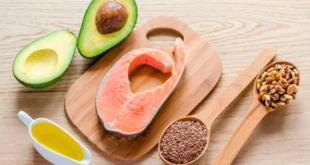
- Omega 3: found in fish such as salmon, sardine, mackerel, tuna, and herring; walnuts and chia, hemp, and flax seeds, flaxseed oil, avocado, and algae. It is essential for maintaining lipid balance and proper functioning of the nervous and cardiovascular systems.
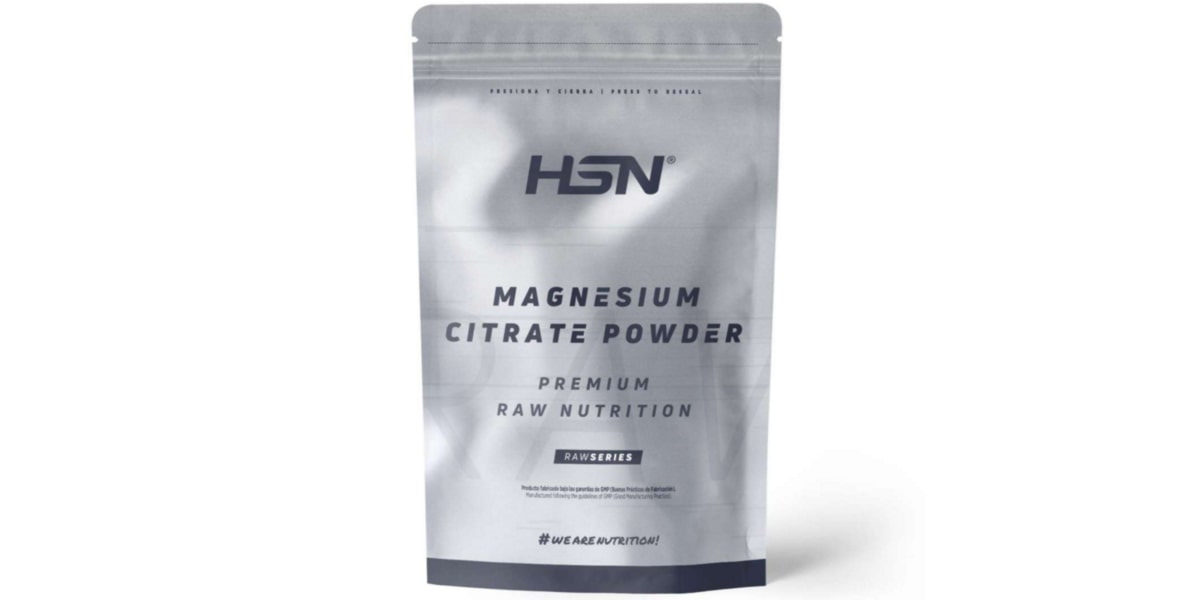
- Magnesium: important for bone health
Care for Mental Health and Emotional Well-being
At any age, it is important to care for our mental health; however, from the age of 50, it becomes an unavoidable premise to have a “healthy mind for a healthy body.”
Emotional well-being impacts the quality of life and is directly related to mental health.
We know that factors like stress activate cortisol, which is a real poison for the body, invading cells and affecting physical and mental functions, even more so at this stage when cells have begun a degenerative process.

Among the tips to preserve mental health from the age of 50, we have the following:
- Maintain an active social life
- Learn new trades, knowledge, activities
- Engage in volunteer work if you have the time.
- Join a sports club and exercise regularly
- Practice meditation, which helps control or minimize stress
- Set short-term goals and plan to achieve them, without procrastinating
- Maintain a balanced diet, including vitamins and minerals
Vitamins for Those Over 50
Diet is essential to stay in shape. Especially, people over 50 should meet the requirements of macronutrients and micronutrients, through the consumption of fresh and healthy foods.
In some cases, natural foods may not be sufficient for the body to absorb all the vitamins and minerals it needs to stay active.
That is why the intake of supplements and vitamins for those over 50 is recommended, such as the ones we present below.
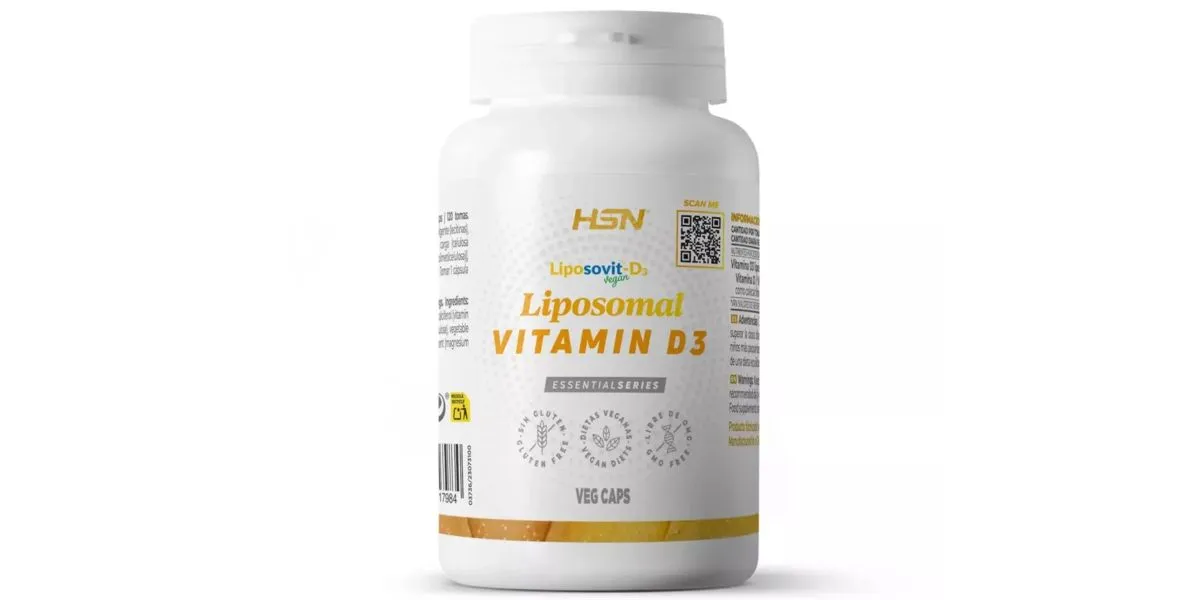
LIPOSOMAL VITAMIN D3 (Liposovit®) 2000IU
Related Posts
- How to Lose Weight After 50
- Effective Low Impact Exercises
- Secrets to Staying Young and Healthy for Decades