Fitness, Nutrition, Health and Sports Blog In the HSNstore Blog you will find tips about Fitness, sport in general, nutrition, and health – HSNstore.com

We all know from personal experience or reference that following a good physical exercise programme contributes to losing weight or improving muscle mass according to the objective, beating goals and personal improvement, reducing the possibility of suffering from conditions such as type 2 diabetes, hypertension, heart related problems or morbid obesity, amongst other issues, but do we really know how much and how to rest after exercise?
How much time should you rest for after exercising?
You can rest from between a few hours (in the case of athletes with double sessions) up to 1, 2, 3 or more days, according to needs and types of training.
An appropriate exercise routine helps up stay agile and active, and preserves our muscle mass for a longer length of time at a healthy level, taking, of course, the age of the person into consideration.

Because of the stimulation of endorphins and other neurotransmitters that emanate from the brain thanks to the exercises, it is scientifically proven that it can go as far as to help us look younger.
How to rest after training?
Generally, we need to recover.
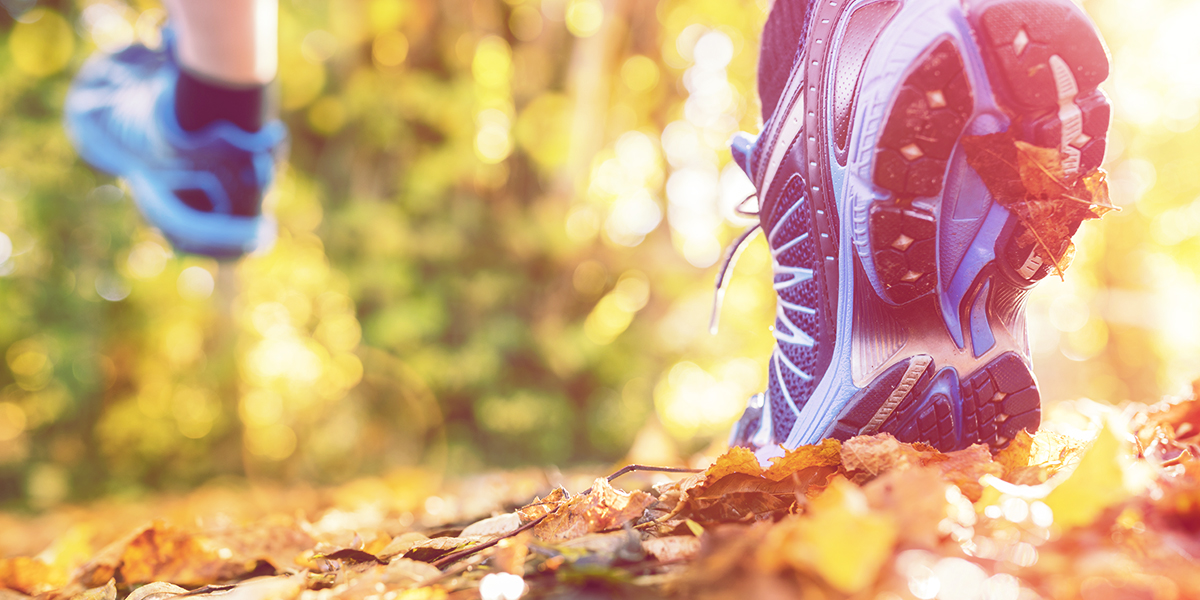
We’re not going to do any more exercise until the next training session we have planned. However, we will be able to do some low intensity activity that doesn’t compromise recovery.
For example, a walk.
As the doctors say: the difference between a medicine and a poison is the level of dose, and the same happens with exercise.
How long do muscles take to recover?
The recommendations for someone wanting to start an exercise routine is that they dedicate between thirty and sixty minutes to it.
How many days a week should you train for?
For three to five days a week is great as an average.
Ideally, you’ll have 48-72 hours before you start working the same muscle group again.

Although this recovery is also conditioned by your nutrition.
What happens if I exercise every day without rest?
For our body to develop, it’s not necessary to train every day at a high intensity; in fact, completely the opposite is required.
The important thing is to alternate working the different muscle groups.
What happens if I do the same exercise every day?
Something similar: not only will you not get the improvement you were hoping for, but you’ll exhaust the muscle, and, far from developing, it will tire out and create a much greater chance of injury.
What is active rest?
The body is not a machine, even though some of the world’s best athletes seem to have transformed it into one. There are two ways for muscles to recover: actively and passively.
- Passive recovery is the complete rest from an activity for about 24 hours.
- Active recovery involves continuing to work the muscles but without demanding exercises or overly strenuous repetitions.
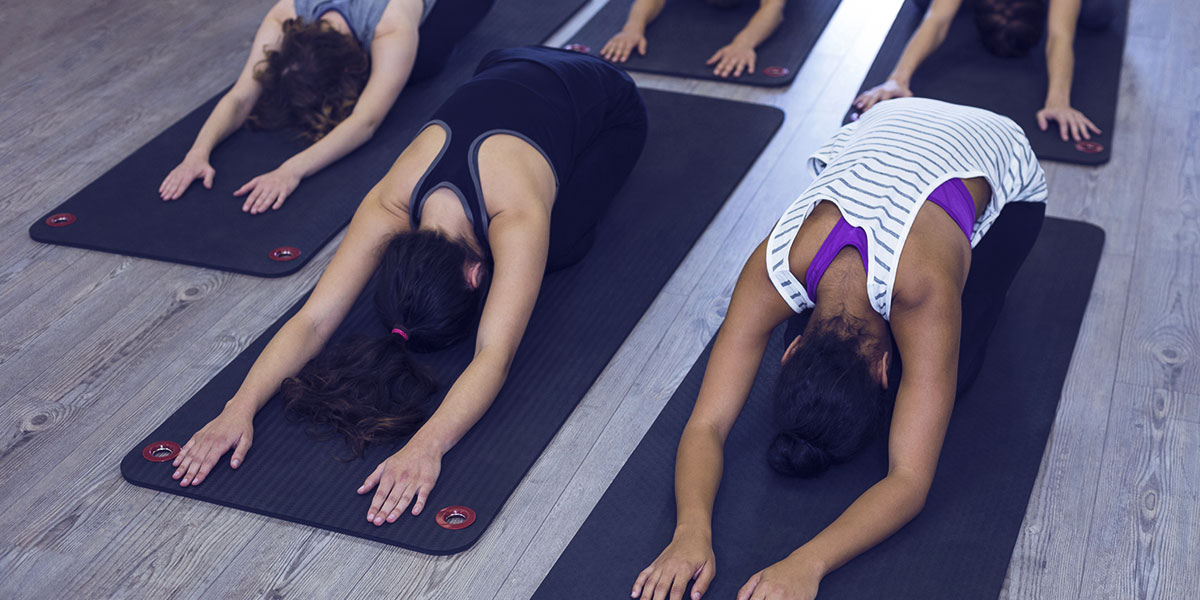
That’s to say, active rest is the period of time you rest from your normal exercise routine but continue training in some form with less effort and intensity.
How can you improve muscle recovery beyond passive and active techniques?
Although it is customary to stretch the muscles before starting the exercise routine, it is very useful to do it after the training is over.
Hot and cold water baths are also a good method to help relax the body and its muscles.
What role does a good diet play?
The diet of someone who trains, who is thinking of starting a sport, or who is thinking about devoting themselves to working towards a life in which exercise will play a fundamental role, is very important for various reasons.
- Proteins: made up of white meat, mainly chicken and grilled fish.
- Carbohydrates: such as rice, bread, pasta or legumes. Green salads which generally include a good portion of green beans, spinach, chard, watercress, cucumbers, etc. This should be considered an essential dish. All fruit juices should be natural and preferably made without refined sugars.
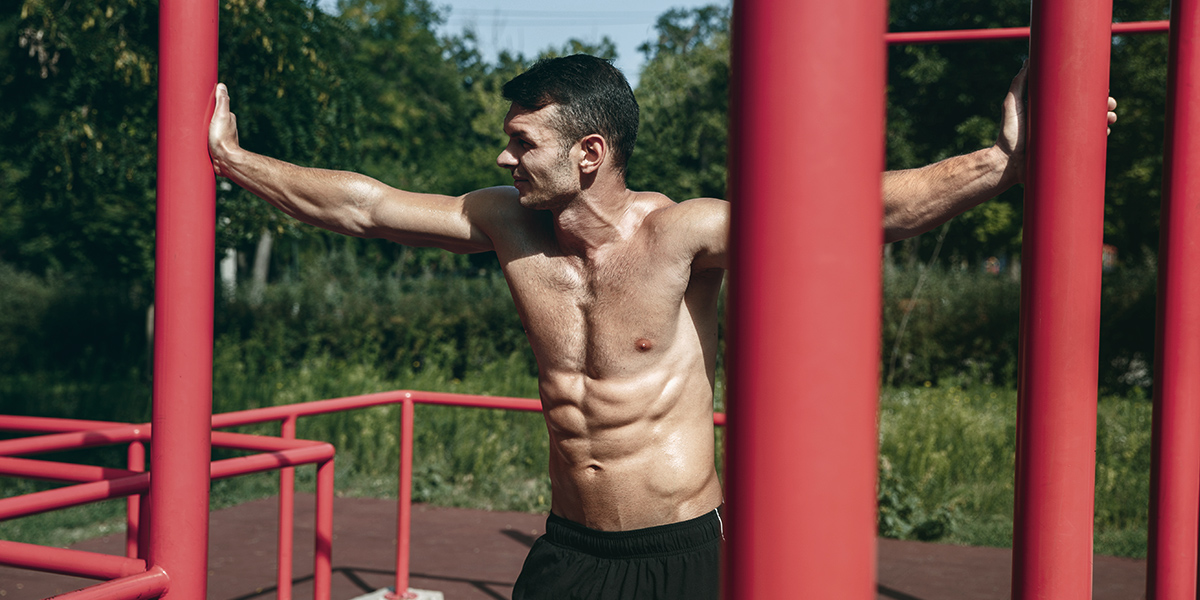
An adequate and correct diet contributes to the efforts made to tone the body through physical exercise, offering a more effective result.
How many days should I exercise for and how many days should I rest?
Ideally, we can train at least 4 days a week and rest for the other 3 (with at least 1 or 2 of them active rests).
This issue is somewhat specific to the individual, as a greater frequency (number of weekly trainings) can be admitted depending on the condition of the person. Also, according to the training distribution, training and rest days can be alternated.
How do the muscles recover after exercise?
At night, when you’re resting, there are many mental and organic processes going on in your body.
Bear in mind that it is precisely at night, when you sleep, that important hormonal, mental, organic and tissue recovery processes occur, including of course the muscular one.
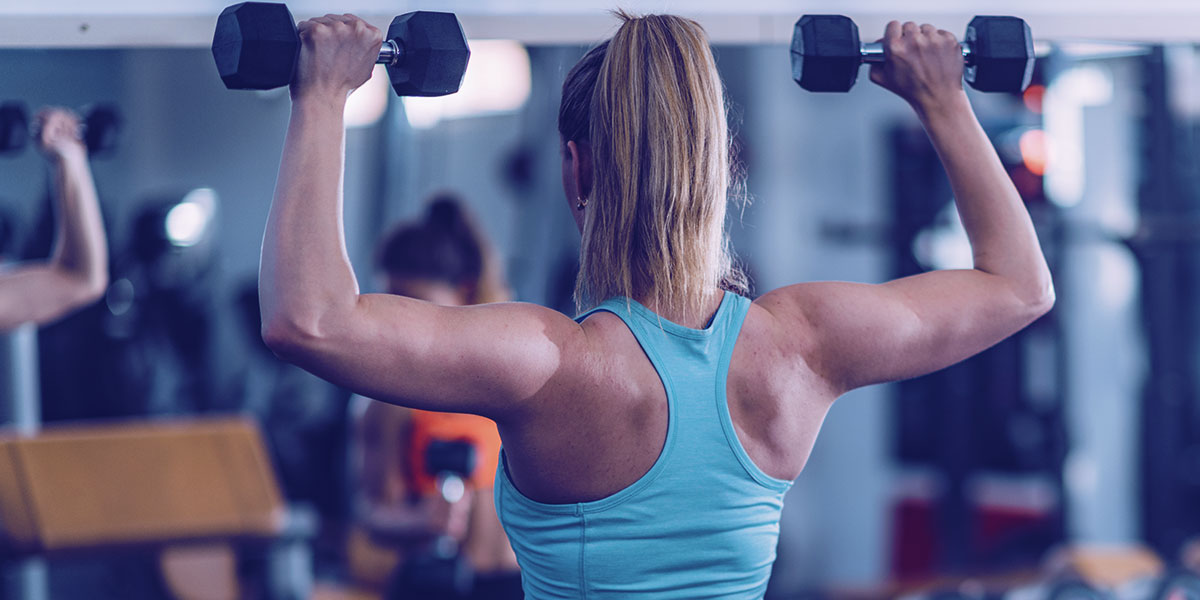
It is also scientifically proven that a good night’s sleep speeds up the metabolism, which is another reason why a good night’s rest is crucial.
Bibliography
- “Teoría general del entrenamiento deportivo” V. N. Platonov 2001
- “El entrenador de éxito” Rainer Martens 2002
- “Bases del entrenamiento deportivo” Ysvetan Zhelyazkov 2001
- “Fisioterapia del deporte y el ejercicio” Gregory S Kolt y Lynn Snyder-Mackler 2003
- Personal contributions
Related Entries
- How to accelerate muscle recovery? Tips and recommendations at this link.
- How much time should you rest between sets? We give you the answer in this post.