Fitness, Nutrition, Health and Sports Blog In the HSNstore Blog you will find tips about Fitness, sport in general, nutrition, and health – HSNstore.com

Which training system do you use? Do you use one over the other for utility or price? Do you really know what it means to train by watts or pulse? In this article, we’re going to tell you about their similarities and differences. It will be up to you to decide: power vs heart rate (HR) training.
What is power training (W)?
It can be defined as the most widely used cycling training resource, although in most cases it’s only used at the professional or semi-professional level.

Find out what you need to train by watts in this article.
The reason? The medium/high cost you have to invest in the necessary tools to be able to carry out power training.
How to train by watts?
Training by watts (W) is simply understanding the power you’re capable of producing when pedalling for a set or specific period of time.
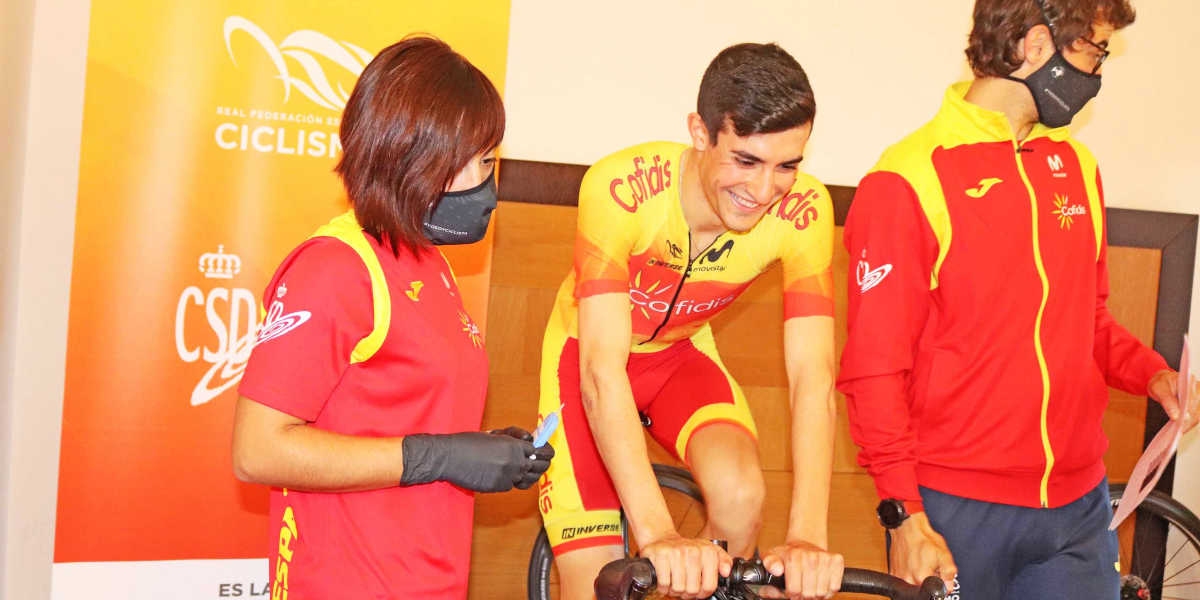
Threshold test in the world of cycling: watts or heart rate?
Take for example…
Most coaches recommend performing different tests every 4 weeks, in order to match our wattage ranges with the training systems.
The most commonly used test is the FTP test, which can vary in time from 60 to 20 or 5 minutes. Although the most common is usually 20 minutes.
FTP Ramp Test effort from today. Resulted in a 3.71 w/kg FTP. Goal is over 4.3 w/kg by September 2021.
.
.
.
.
.#goprohero8 #gopro #triathlontraining #indoorcyclingtrainer #triathlon #ftp #indoorcycling #gozwift #zwift #enduro #roadbike #motivation #sport #bikes #ciclismo pic.twitter.com/vrLeqxL4Zb— Austin Downey (@gatriguy) December 23, 2020
In this way, and in an individualised way, each cyclist will be able to find out their training or threshold zones, with which both their and their coach will be able to plot the training system and improve their performance. In power training, these zones are divided into… 7, Cohan, AR (2006).
Power training zones
| Zone 1 or active recovery |
| Zone 2 or endurance |
| Zone 3 or tempo, considered as Fartlek-type training |
| Zone 4 or threshold |
| Zone 5 or VO2max |
| Zone 6 or anaerobic capacity |
| Zone 7 or neuromuscular power, high intensity, short duration efforts |
A recommendation? Put yourself in the hands of a national trainer. The best training will always be individualised, as well as under the recommendations of a professional.
Don’t miss the 20’ test explained by former pro Alberto Contador, on a bike and on the road, not on a roller or indoor.…
What is training by heart rate (HR?)
In the professional environment, it’s the least common training system, as the specificity of the data provided by power training has left it behind in comparison.
In medicine, heart rate is the number of times the heart beats in one minute.
For decades it’s been the means of training for athletes (and still is in many disciplines), although technique and technology have developed other more precise and advanced means, which don’t include the variables of training under HR that we’ll see.
HR thresholds
As with any training system, we need to know what the threshold is in order to establish the different training zones.

Are you a cyclist? Tell me how you train and I’ll tell you your level… Power training vs HR training?
For this, the most productive thing to do is to carry out a HR max test in order to establish the different training zones.
Although be careful, as depending on the trainer you consult or work with (remember I’m not a trainer and I don’t pretend to be one), they might recommend you do this test on a climb, but also that you do it on a flat area too … Always heed their recommendations.
HR training zones
| Zone 1 or warm-up, between 50-60% of maximum HR |
| Zone 2 or fat burning, 60-70% of maximum HR |
| Zone 3 or aerobic endurance, 70-80% of maximum HR |
| Zone 4 or anaerobic threshold, 80-90% of maximum HR |
| Zone 5 or intervals, +90% of maximum HR |
The basic thing is, therefore, to know your maximum heart rate, through the maximums test.
I’d recommend, as I have done throughout the text, that you put yourself in the hands of a national trainer, who’ll be able to set the guidelines for maximum performance.
Which is better, training by power or heart rate?
It’s the great debate for every cyclist starting to or wanting to seriously improve their performance.
What’s the issue then? That the tools needed to perform this type of training following the watt count are more expensive. It’s clear that a competitive cyclist should invest in them, but should a cycling enthusiast do so? The answer depends on the individual.

Which training allows better performance analysis. Power or heart rate training?
Training by power beats heart rate training with:
- Greater management and effort control.
- More control over training loads.
- Greater reliability, as HR is also conditioned by the following elements: air temperature, fatigue, stress or lack of sleep.
How the professionals train
PRO cyclists, whether on road or mountain bikes, use more advanced tools and systems, which is why their training today is based on watt studies.
Has the heart rate system become obsolete?
Not exactly. Today it’s more used to find out how well the cyclist has rested, or what their stress level is during competition or training.
Volvemos a casa ?, tras pasar unos días de concentración con la selección española de ciclocross! ??
Días intensos de test, charlas y entrenamientos ?️♀️ ??♀️, con el único objetivo de mejorar día a día! ??. pic.twitter.com/vrcmF6IW6b
— Lucía González (@Lgb_13) December 17, 2020
Moreover, it’s still the favoured system of cycling enthusiasts. Yes, those of us who don’t compete at a professional level and do nothing more than go out to train with our particular ‘group’, where, of course, there is no shortage of unofficial competitions and competitions. 😉
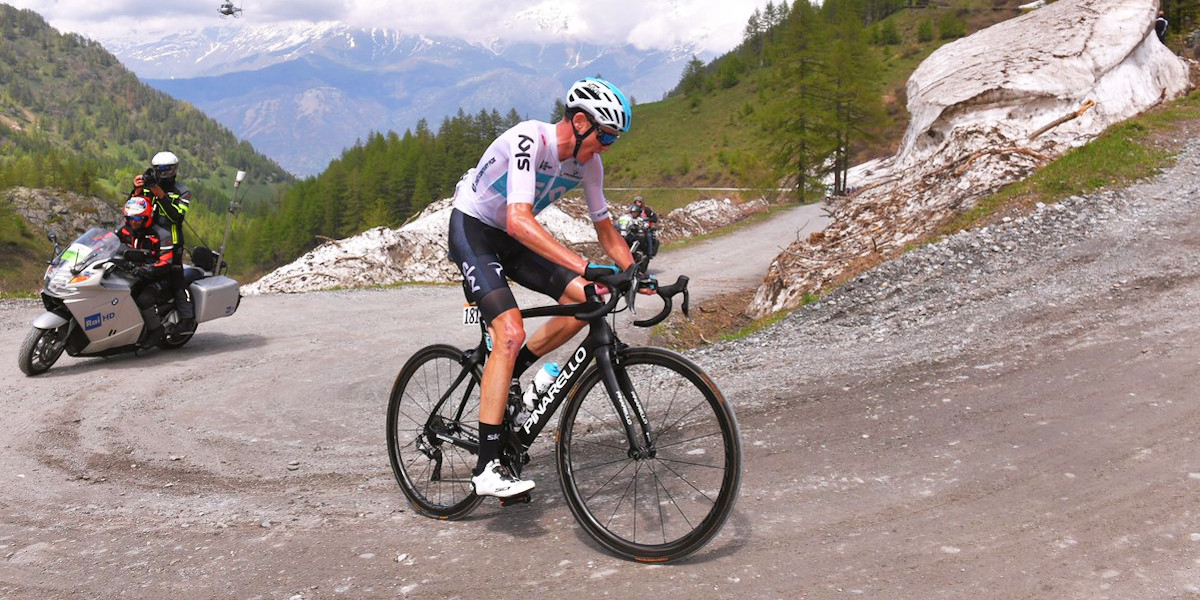
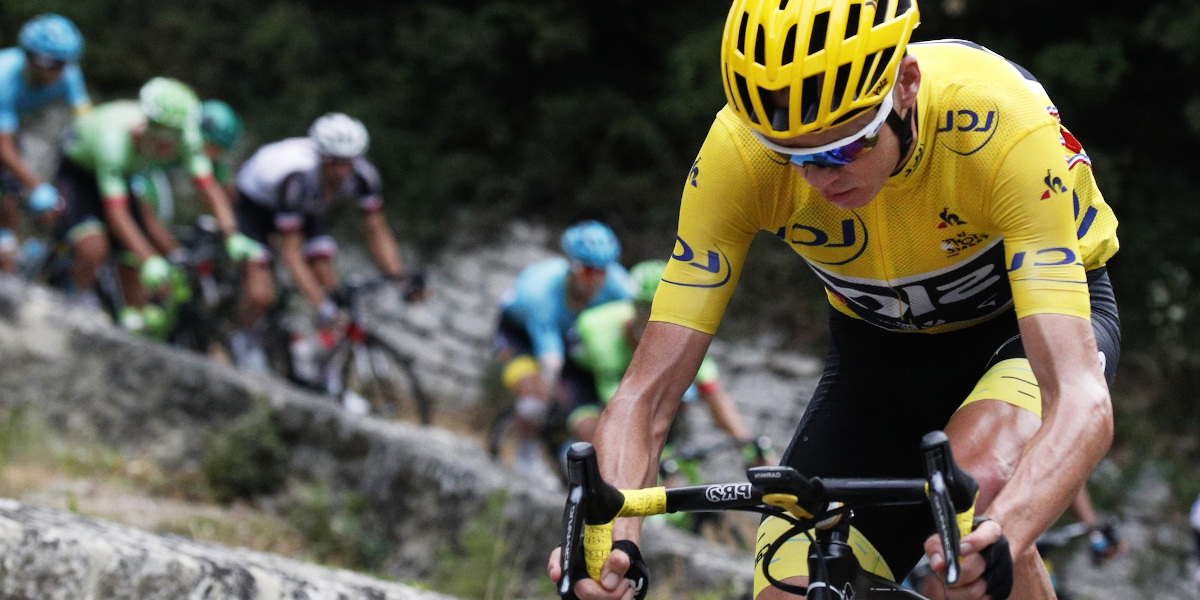
Froome is one of the stalwarts of power training – he doesn’t miss a beat on his GPS bike!
Others, however, like Chris Froome, are really ‘hooked’ on the potentiometer, and even during the race don’t stop checking it, constantly looking at their bike’s on-board computer.
What tools do I need to train by watts or pulse?
If you decide to invest in power training, you need to buy a potentiometer, either with a crank or pedals that incorporate it. You can also find it for handlebars or a wheel hub potentiometer..
To this you need to add a receiver or GPS that will show you the watts you’re moving with on the handlebars at the time. Most of the mid-range GPS you can find on the market already incorporate this functionality, so you’ll only have to decide by price or preferred brand.
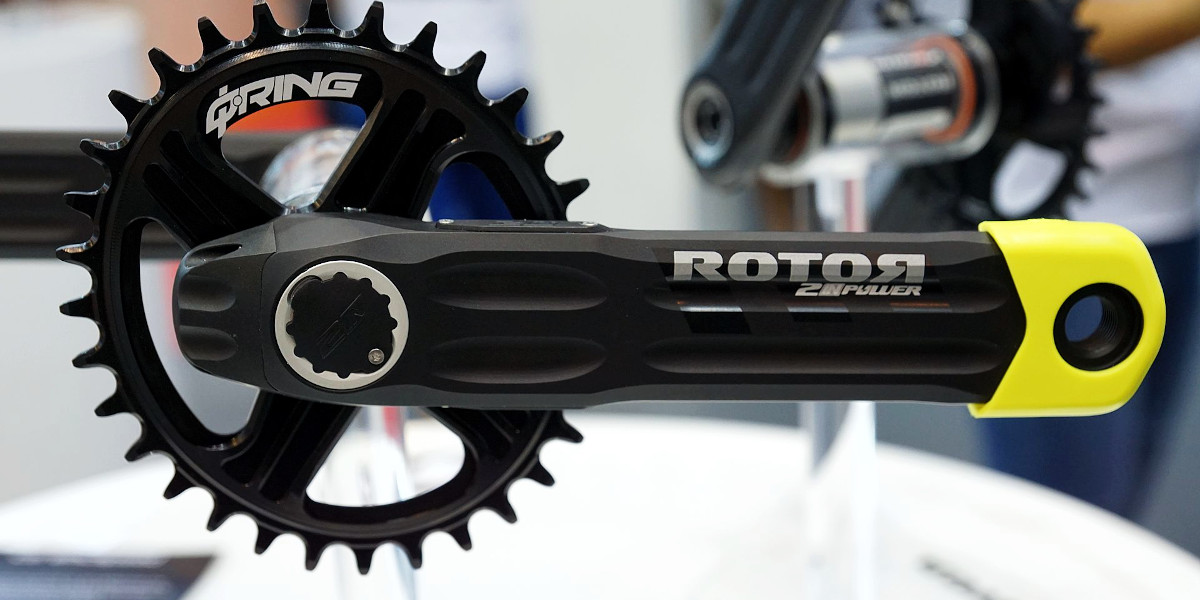
One recommendation – ideally you should use the same brand of GPS and potentiometer. This will give you more accurate measurements.
On the other hand, heart rate training is ideal for anyone who is just starting out in the world of cycling.
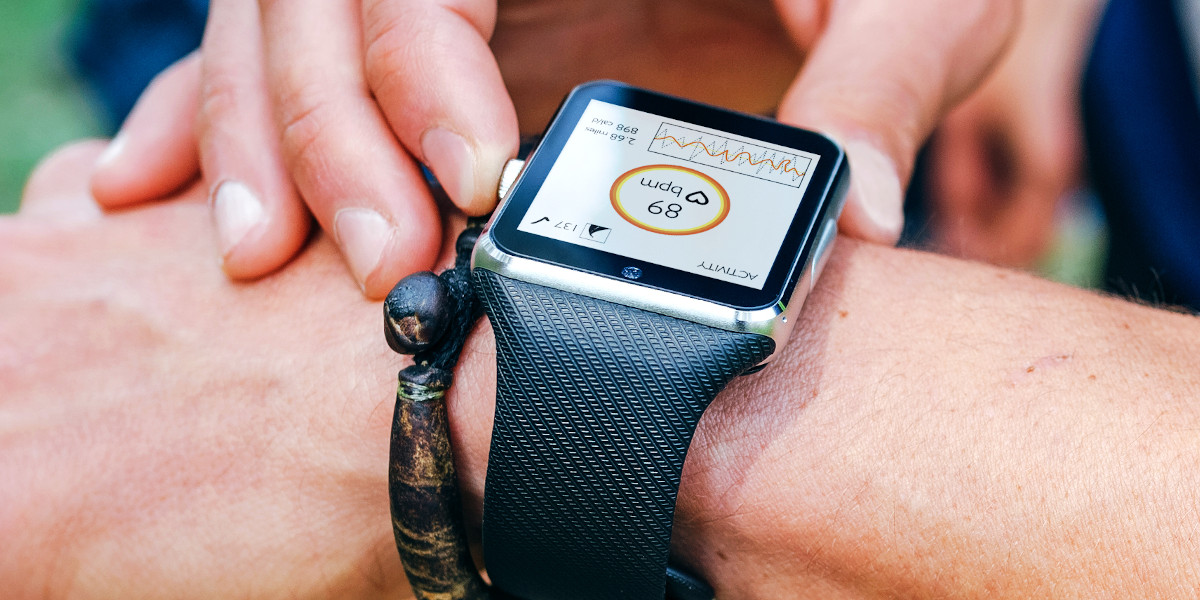
The HR wristband is another option to start training. Power vs. HR training?
You’ll be able to follow this training system with minimum investment. What do you need? A GPS, any of a low-mid range is good, as well as a chest strap with Bluetooth receiver; or a wristwatch that directly incorporates this heart rate meter.
Conclusions
So, which should you do? Power or heart rate training?
In order to choose the best training system, there are a few things to consider:
- Your experience and level.
- Your aims.
- Your budget.
- If you’re going to put yourself in the hands of a coach in order to seek maximum performance.
With pulse or with watts, you’re going to see your evolution on the GPS.
If you have green ticks in all the boxes, you need to invest in the necessary tools for power training.
If you’ve marked any of the options with a negative red cross, you might want to opt, at least to start with, for the tools needed for heart rate or pulse training.
Source Consulted:
- Coggan, A. R. (2006). Training and racing using a power meter: an introduction.
- Guía Básica de Entrenamiento por Potencia
- Entrenamiento por potencia, Javier Fernández Alba, RFEC.
Entries related to the topic that you can’t miss:
- Gym work for cyclists? Read more
- Muscle Recovery in the world of cycling
- How to do strength work for maximum performance in cycling