 Fitness, Nutrition, Health and Sports Blog In the HSNstore Blog you will find tips about Fitness, sport in general, nutrition, and health – HSNstore.com

How can a woman ensure her choice of multivitamin effectively complements her nutrition? In the quest for wellness and balance, it is essential to understand the specific needs of the female body and how to select supplements that holistically support every aspect of her health.
Discover with HSN the multivitamin that best suits your health demands and lifestyle.
Nutritional Needs of Women
Women’s nutritional needs evolve significantly with every life stage. A deep understanding of these requirements is vital to maintaining optimal health.
- In youth: Women benefit from proteins, B and C vitamins, calcium, and iron to support growth and strengthen muscles.
- During adulthood: The intake of antioxidants like vitamins A and E, as well as vitamin D and magnesium, is key to disease prevention and maintaining energy.
- In maturity: Vitamin D, calcium, and omega-3 become essential for bone and heart health.

Which Vitamins and Minerals Are Essential for Women’s Health?
It is important to know which essential vitamins are particularly significant for women and to ensure they are consumed in sufficient quantities through food or supplements.
- Vitamin A: A fat-soluble vitamin, important for vision, healthy skin, and the immune system. It also plays a role in reproduction and cell function. Vitamin A is especially relevant for women during menstrual cycles and pregnancy, as it helps to protect and strengthen the body.
- B Vitamins: A group of water-soluble vitamins that are essential for good health. These vitamins play a vital role in many body processes, including energy production, maintaining the nervous system, and forming red blood cells. B vitamins include vitamin B1 (thiamine), vitamin B2 (riboflavin), vitamin B3 (niacin), vitamin B6 (pyridoxine), vitamin B12 (cobalamin), and folic acid.
- Vitamin C: A water-soluble vitamin vital for women’s health. A powerful antioxidant that helps protect the body’s cells from the harmful effects of free radicals. Vitamin C is important for collagen production, which helps keep the skin, bones, and muscles strong and healthy. It also aids in iron absorption, essential for blood health.
- Vitamin D: Essential for bone and dental health. It also helps regulate calcium and phosphorus absorption. Women, especially during menopause, need more vitamin D to maintain good bone health.
- Vitamin E: A key antioxidant that protects the body’s cells from free radical damage. It also helps improve skin health and the immune system.
- Folate: An essential vitamin that plays a key role in several metabolic processes. This vitamin is needed for purine and nucleic acid synthesis, which are critical for erythropoiesis. A folate deficiency can decrease DNA synthesis, potentially causing megaloblastic anaemia.
Additionally, it’s important to highlight some key minerals that are particularly important for women’s health.
- Copper: A trace element that plays an important role in metabolism as a component of various enzymes (responsible for many reactions in the body’s metabolic system). It is involved in amine oxidation, neurotransmitter synthesis, and collagen cross-linking.
- Iron: A transition metal that acts as an essential mineral in the body, forming part of numerous proteins such as haemoglobin and myoglobin, ribonucleotide reductase, CYP450, or the mitochondrial respiratory chain complexes. Its most well-known function, and perhaps the most important, is its role in forming globular proteins in red blood cells and skeletal and cardiac muscle (haemoglobin and myoglobin, respectively).
Multivitamins for Different Lifestyles
The choice of a multivitamin for women should reflect their unique lifestyle and specific needs.
- Active women: Benefit from multivitamins rich in B vitamins and antioxidants like vitamin E, which support muscle recovery and sustain energy levels for training and competitions.
- Those with a dynamic lifestyle, even without intensive exercise, might opt for supplements with vitamin D and magnesium, beneficial for maintaining good metabolic and bone health.
It is important for women with specific health conditions to choose tailored multivitamins after consulting an expert to ensure correct nutritional support for their well-being.

Are Multivitamins Safe During Pregnancy and Breastfeeding?
Yes, they can be safe and are often recommended to support the increased nutritional needs during these stages. Under the supervision of a healthcare professional, these supplements can help prevent nutritional deficiencies, such as folic acid, iron, and vitamin D, important for the baby’s healthy development and the mother’s well-being.
It is essential to ensure that multivitamins are specifically formulated for pregnancy and breastfeeding to guarantee safety and efficacy.
Prenatal Care
The best multivitamin for pregnant women, formulated with vegan algae-based docosahexaenoic acid (DHA), citicoline (CDP-Choline), calendula extract (with lutein and zeaxanthin), vitamins, and minerals in highly bioavailable forms.
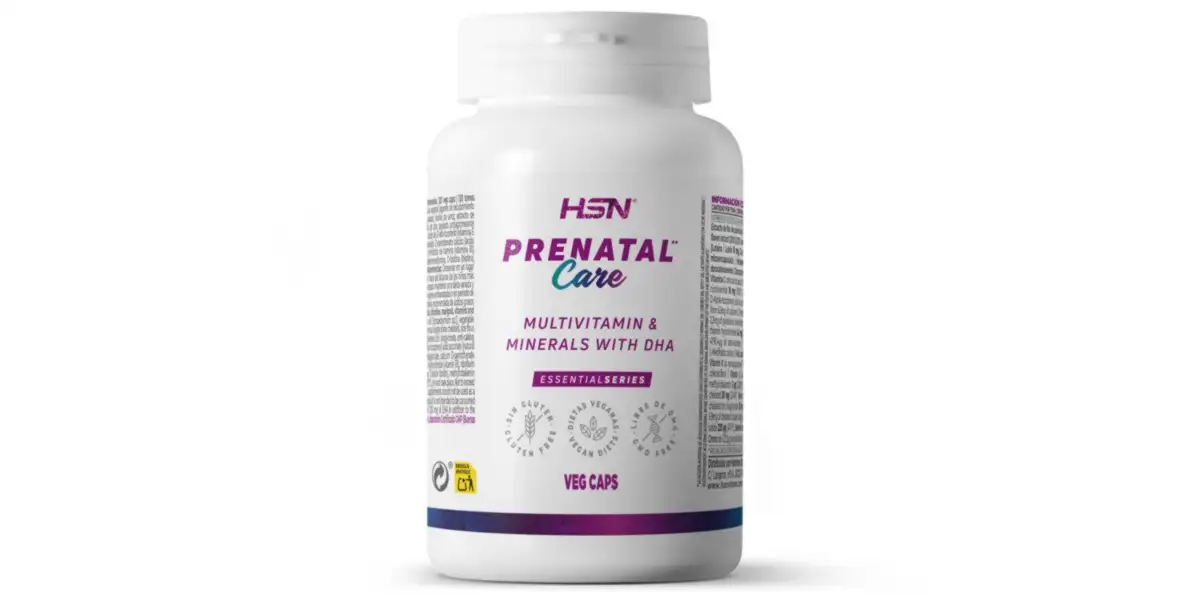
Prenatal Care by EssentialSeries
What is the Best Multivitamin for Older Women?
If you’re an adult woman who has transitioned into menopause: Menopause Care is an excellent food supplement, containing vitamin D as D3, vitamin K as K2-MK7, active methylated B12, and calcium phosphate to support bone health.
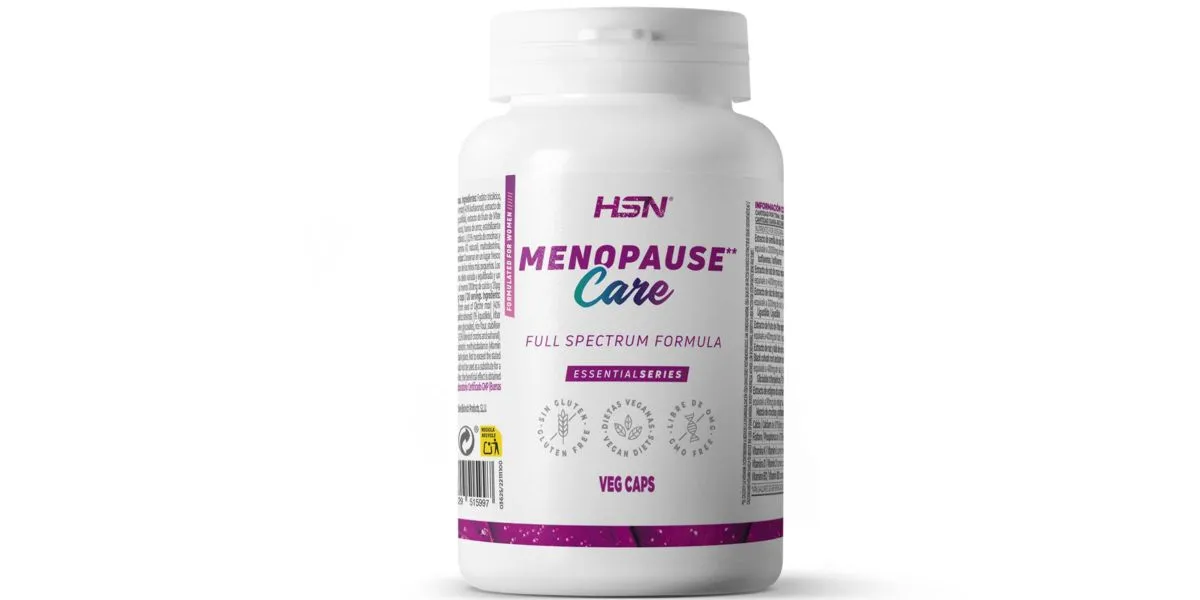
Menopause Care by EssentialSeries
Tips for Choosing the Best Multivitamin for Women
Choosing the right multivitamin is essential to complement a woman’s diet and support her overall health:
- Consider your life stage: Nutritional needs vary depending on whether you’re in youth, adulthood, or menopause.
- Look for specific formulations: Choose multivitamins designed specifically for women, addressing unique hormonal and reproductive needs.
- Check for key nutrients: Ensure they include iron, calcium, vitamin D, folic acid, and vitamin B12, essential during different life stages.
- Consult a professional: Before starting any supplement, it’s advisable to speak with a doctor or nutritionist.
- Verify quality and safety: Opt for reputable brands that ensure product quality and purity through third-party certifications.
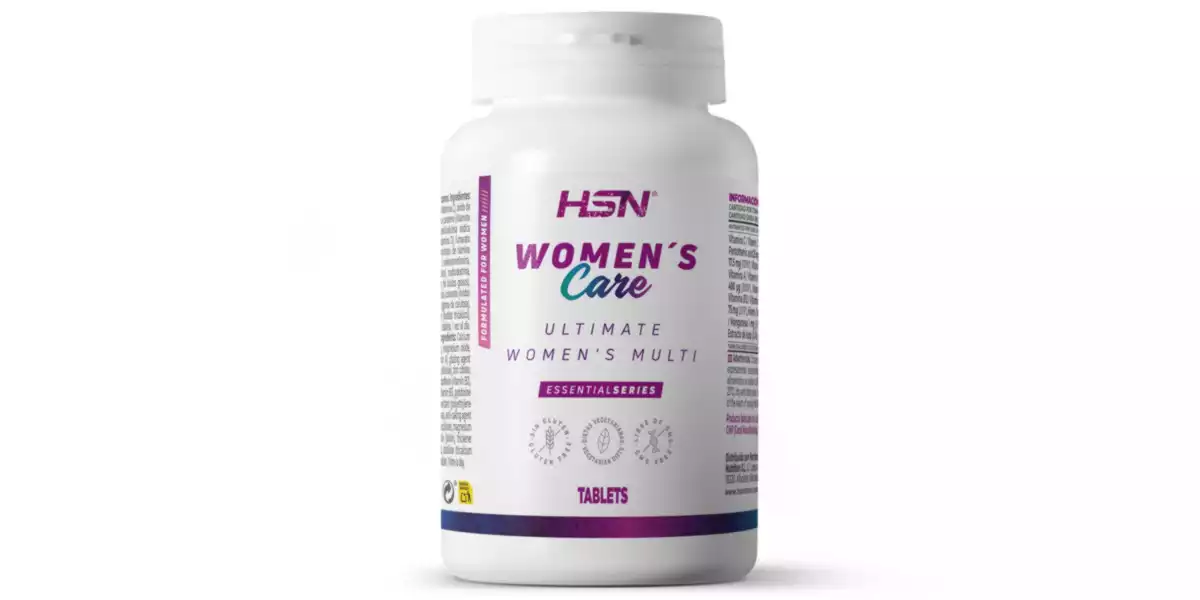
Ultimate Multi for Women’s Care by EssentialSeries
References
- European Parliament & Council of the European Union. (2011). REGULATION (EU) No 1169/2011.
- González-Hernández, 2010. Principles of Clinical Biochemistry and Molecular Pathology. 1st ed., Elsevier Editorial.
- McDonagh, M., et al. (2015). Routine Iron Supplementation and Screening for Iron Deficiency Anaemia in Pregnant Women. Agency for Healthcare Research and Quality (US).
- Panche, A. N., et al. (2016). Flavonoids: An Overview. Journal of Nutritional Science, 5, e47.
- Clénin, G. E. (2017). The Treatment of Iron Deficiency Without Anaemia. Swiss Medical Weekly, 147(2324), w14434.
- Ganz, T., & Nemeth, E. (2012). Iron Metabolism: Interactions with Normal and Disordered Erythropoiesis. Cold Spring Harbor Perspectives in Medicine, 2(5), a011668.
- Laganà, A. S., et al. (2018). Inositol in Polycystic Ovary Syndrome. Trends in Endocrinology and Metabolism, 29(11), 768–780.
- De-Regil, L. M., et al. (2010). Effects and Safety of Periconceptional Folate Supplementation. Cochrane Database of Systematic Reviews, (10), CD007950.
Related Posts
- All You Need to Know About Multivitamin Supplements
- Natural Supplements for Pregnancy
- Functions of Folic Acid in the Body
- Best Supplements to Boost Libido