Fitness, Nutrition, Health and Sports Blog In the HSNstore Blog you will find tips about Fitness, sport in general, nutrition, and health – HSNstore.com

Today, we are going to talk about dextrose, a type of sugar that is used around the workout to obtain an immediate energy supply easily
Unlike what we usually hear from simplistic nutrition trends that flood social media, sugar is not the cause of all our problems.
Neither it is the cause of cardiometabolic diseases or diabetes. This is a disease that is triggered by visceral obesity, not due to carbohydrates.
Are sugar and carbohydrates to blame?
Obesity causes an excessive accumulation of triglycerides in the adipocytes. Consequently, the lipolysis increases as well as the discharge of free fatty acids to the bloodstream.
These free fatty acids enter the cells through the fatty acid transport protein. Then, they trigger lipotoxicity because they are stored in places that are not meant for this (like the hepatocytes, myocytes or cardiomyocytes).
This leads to the inhibition of the phosphorylation of the insulin receptor tyrosine residues (IRS1). Consequently, it reduces the translocation of GLUTs (glucose transporters) to the cell membranes, so that the glucose molecules from the blood will not be able to enter the cells.
This results in pancreatic hyperactivity in order to overproduce insulin in order to control said glucose. Although this results in glucotoxicity because our body is unable to do so.
All in all, due to the loss of sensitivity to the effect of insulin on the adipocytes, the lipolysis inhibition drops chronically. Once again, this results in a higher discharge of free fatty acids to the bloodstream. They accumulate in ectopic tissues, triggering inflammation, toxicity, as well as vascular and nerve damage. Like that, the circle is complete.
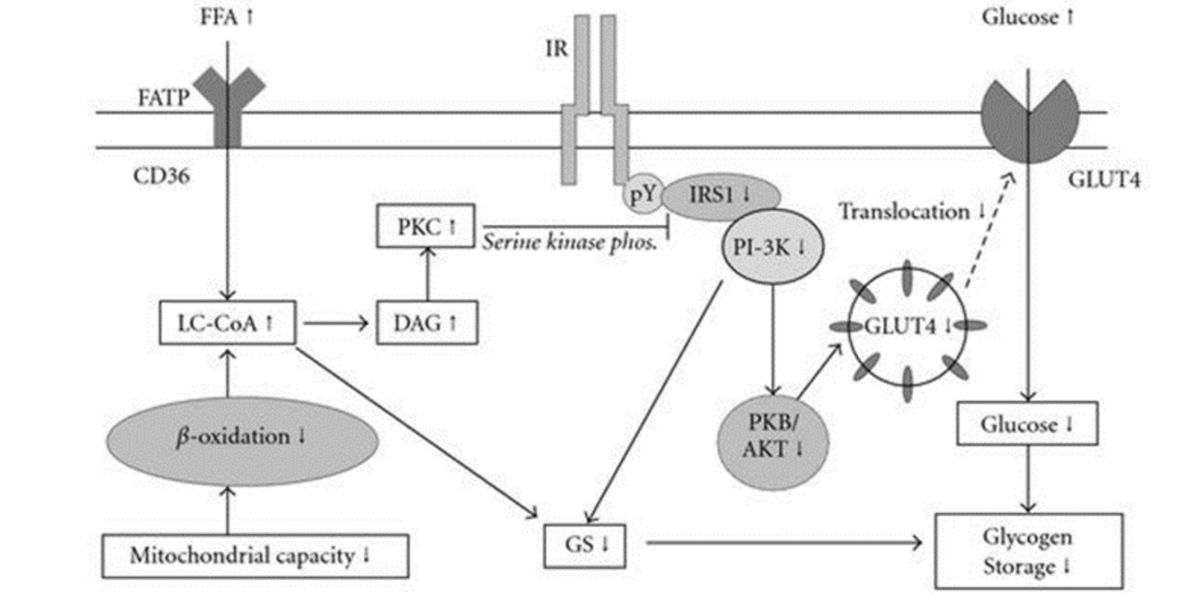
Figure I. Molecular mechanisms through which the accumulation of fatty acids in non-adipocytes negatively conditions the glucose metabolism (Snel et al., 2012).
Sugar is not the enemy. The real problem is overfeeding, which is why we can see graphics with the following tendency:
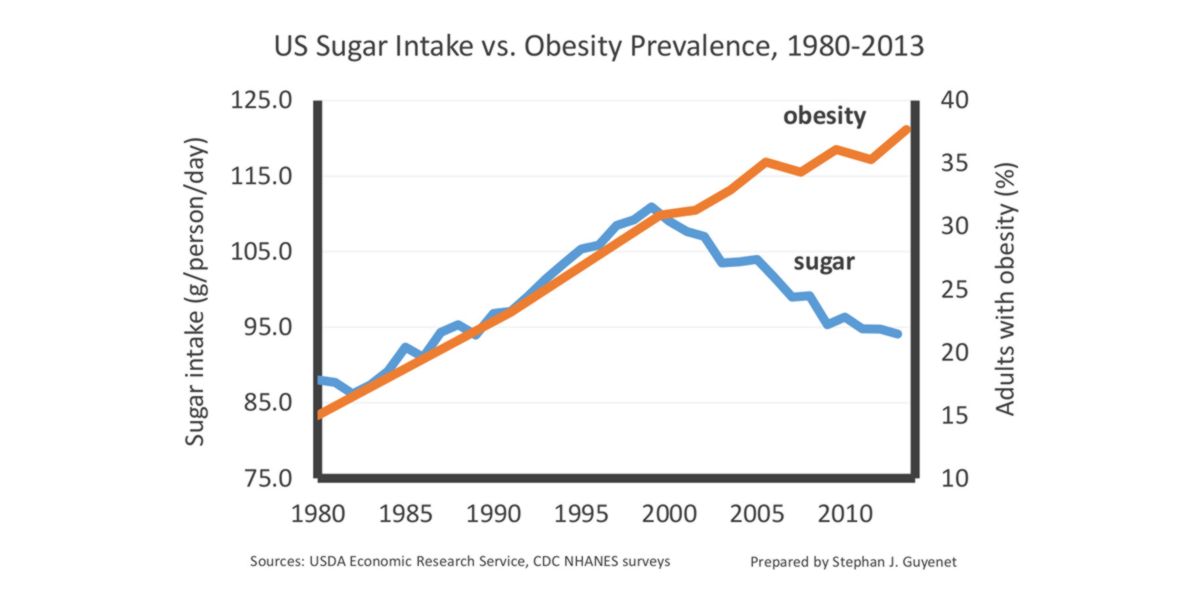
Figure II. Sugar intake and obesity prevalence in the United States between 1980 and 2013 (Guyenet, 2015).
Despite the fact that the sugar intake has drop since the 90s, obesity continuous to grow steadily.
Eating carbohydrates will not fatten you up
Let’s illustrate this point with an example:
Do people who eat fruit suffer obesity?
Almost all fruit is exclusively made up of carbohydrates, most of them sugar.
However…
Do people who eat pizza and ice-cream become obese?
The energy density of this products is extremely high. Together with their hyper-palatability, they lead to chronic overfeeding which results in a continuous calorie excess which increases the amount of fatty acids in the organism.
Carbohydrates for athletes
We have made this brief introduction in order to avoid radical comments because we said that sugar is not bad. Unfortunately, everything is more complex than that.
What we do know is that carbohydrates are a source of energy for athletes, since it is the main nutrient that they used during physical exercise.
As the intensity increases, the percentage of energy we obtain from the glycolysis also increases. This is due to the increase of the respiratory quotient (the relation between the CO2 moles we produce with the O2 we consume).
The body needs more oxygen and nutrients with more oxygen like glucose.
Many of you will be probably thinking that it is better to go for polysaccharides like starch (complex carbohydrates) before sugar. In general, this is also a valid strategy.
But everything goes to waster when:
- You are looking for an instant glucose supply to the bloodstream to:
- Use it as energy.
- Benefit from the increase of glycogen synthase.
- You are an athlete that needs a high energy supply. Maybe because you are heavy like a strongman or because you have a high energy expenditure like a triathlete. Either way, taking complex carbohydrates to meet your energy requirements is going to cause gut problems due to the fiber excess.
What is dextrose?
To put it simply, dextrose is glucose.
They are synonyms: dextrose is the term that is commonly used in the food industry. It is a hexose (made up of 6 carbon atoms) and the main difference is that glucose tends to have a closed chain hydrocarbon (cyclic) while dextrose is open (acyclic).

Figure III. Two-dimensional chemical structure of a D-Glucose (Dextrose) molecule in its acyclic (left) and cyclic form (right).
How can we obtain dextrose?
Like glucose (not sucrose or tabletop sugar), we obtain dextrose from the hydrolysis of vegetable starch.
Usually, corn starch is nothing more than a glucose polymer, made up of 200 000 glucose units. We just simply have to depolymerize it until we obtain the glucose monomers.
How is it distributed in the organism?
Digestion
Carbohydrates undergo the same digestion regardless of their complexity. However, the enzymes that act upon them are different depending on their polymerization.
We are going to use this image from Boron & Boulpaep (2009) to explain this point.
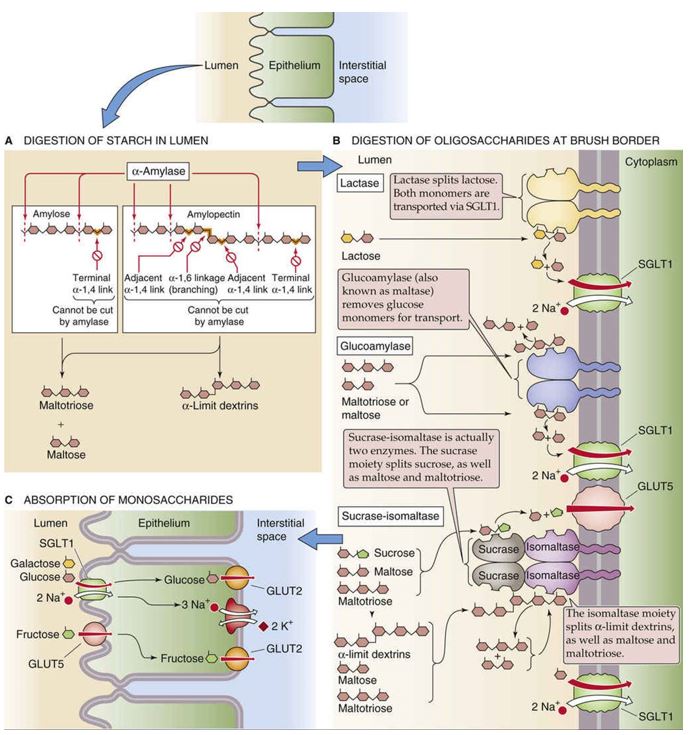
Figure IV. Complete digestion and absorption process of carbohydrates by the human body. (A) digestion of starch in the lumen (B) digestion of oligosaccharides in the epithelial brush (C) absorption of monosaccharides in the enterocyte. (Boron & Boulpaep, 2009).
Let’s start with image A:
- If we eat rice, pasta, oats, potatoes… we are eating carbohydrates from starch.
- It will start to be digested in the mouth. When we chew it, the α-amylase enzyme will start to break down the amylopectin and amylose chains that made up the starch.
- Once it reaches the intestine, the same enzyme is released by the pancreas and it keeps breaking down these long glucose chains. The result are dimers (maltose), trimers (maltotriose) and polymers (limit dextrins).
- We already have small oligosaccharides.
We are still in the intestine, let’s see what happens next…
Now, let’s move to image B:
- The enzymes from the intestinal brush break down into these oligosaccharides until they become monosaccharides.
- Your digestion will start here if you have eaten products with lactose (milk), sucrose (tabletop sugar), maltose (grapes) or maltotriose (legumes).
- Once we have released the monosaccharides that made up the starch, these will be absorbed in the intestine in order to reach the blood and provide energy.
- There is no evidence that we can absorb them whole unless they are monosaccharides.
Absorption
The absorption of carbohydrates takes place in the intestine when they are monomers (monosaccharides).
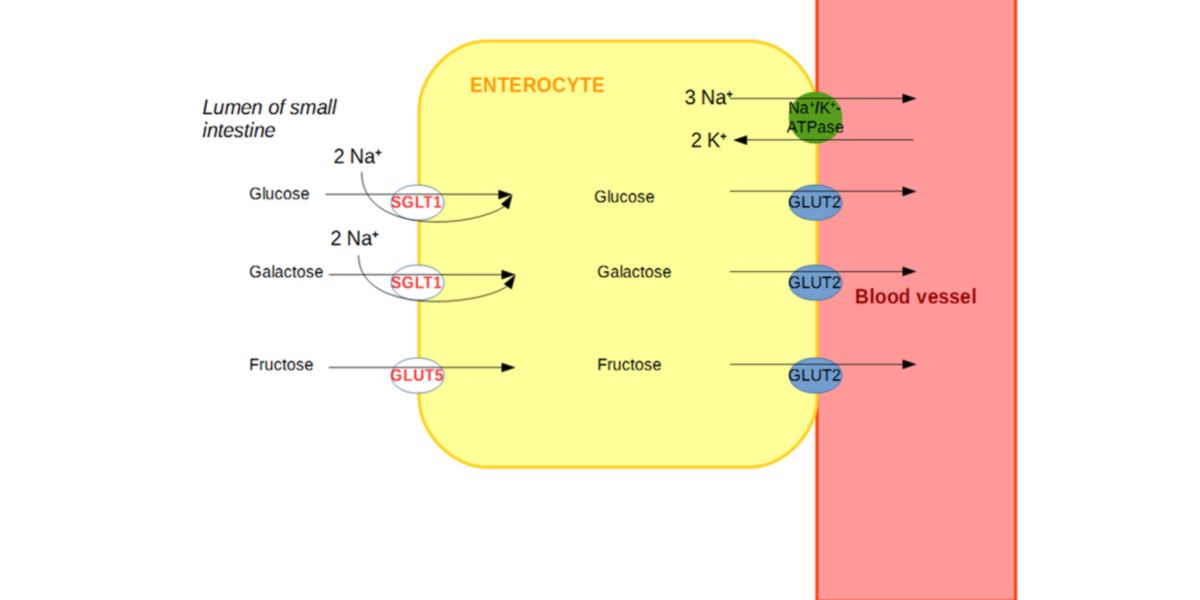
Figure V. Absorption of monosaccharides in the enterocyte. Transport process from the lumen of the small intestine to the blood flow through the apical and basolateral membrane.
Glucose and galactose share transport (SGLT1), which takes two sodium molecules and one of glucose and takes them to the enterocyte. In other words, it takes them from the intestinal lumen.
This happens because previously, the sodium-potassium pump-ATPase has taken sodium from the cell on the opposite side to the bloodstream.
What happens with fructose?
On the other hand, fructose uses a unique active transport (GLUT5) in order to reach the same point as glucose and galactose. Once inside the cell, all the monosaccharides enter the bloodstream though type 2 glucose transporters (GLUT2).
How come? Well, it is actually quite easy, look:
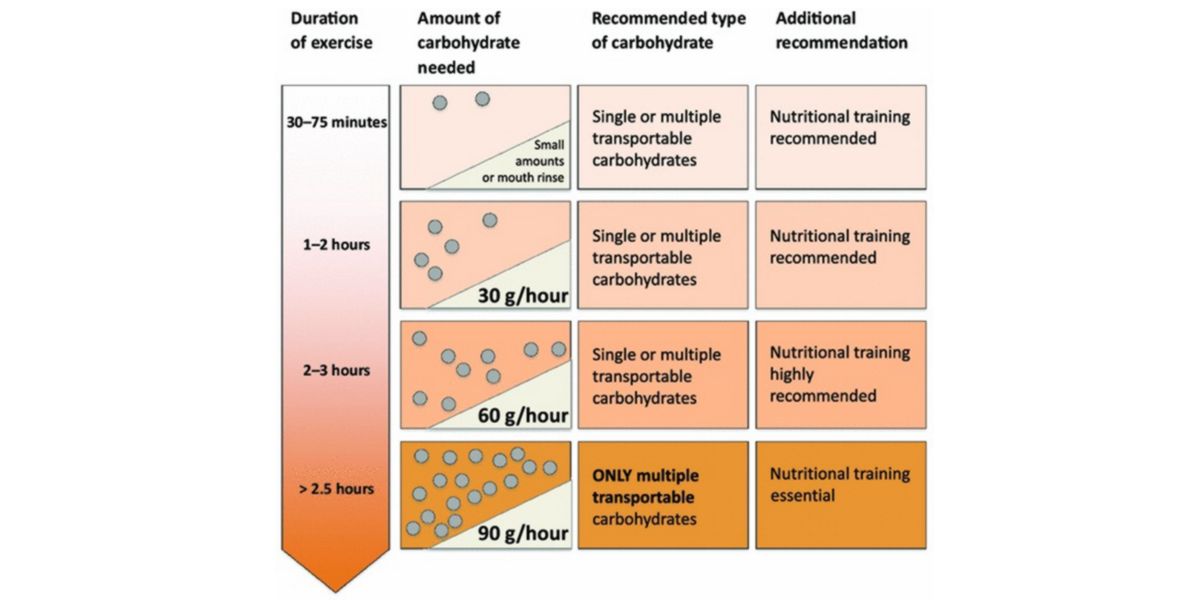
Figure VI. Recommended carbohydrate intake during physical exercise, depending on: its duration, amount of carbohydrate needed, the recommended type of carbohydrate and additional recommendations (Jeukendrup, 2014).
See how taking 90g/hour ONLY suggest using carbohydrates that need different transporters? Above all, this is due to the fact that the SGLT1 become saturated with a rate of 0.83g of glucose / minute (Jeukendrup, 2004). Therefore, using more than 49g of glucose is pointless because our body is not going to absorb it.
Combining Dextrose and Fructose
However, combining glucose and fructose, since they use SGLT1 and GLUT5, allows us to take up to 1.26g / minute without saturating the transporters.
The recommendation of 90g / h (1.5g/min) is based on an anecdotal observation from another study. There is an hypothesis that this is due to the activation of the sweetness receptors (T1R2 and T1R3) which produce a mediated signalling through the Ca+/CM complex on the peptide, similar to type 2 glucagon (GLP2). Consequently, it forces the translocation of the GLUT2 to the basolateral and apical membrane. Nevertheless, let’s leave this topic for another day.
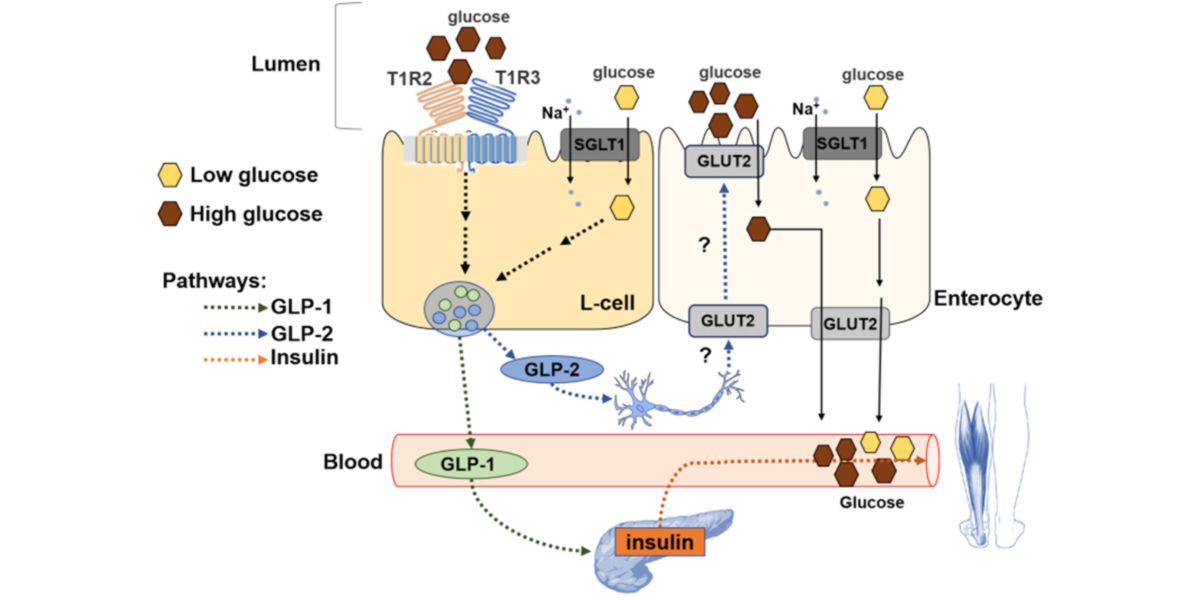
Figure VII. Molecular translocation of GLUT2 to the apical membrane due to the activation of the T1R2 and T1R3 receptors after saturating SGLT1. (Smith et al., 2018).
On the contrary, dextrose (glucose) accesses the myocytes quickly thanks to the phosphorylation of the IRS-1/PI3K/AKT. This element regulates the activity of AS160 and Rab-GTP, which results in more GLUT4 translocation to the cell membranes.
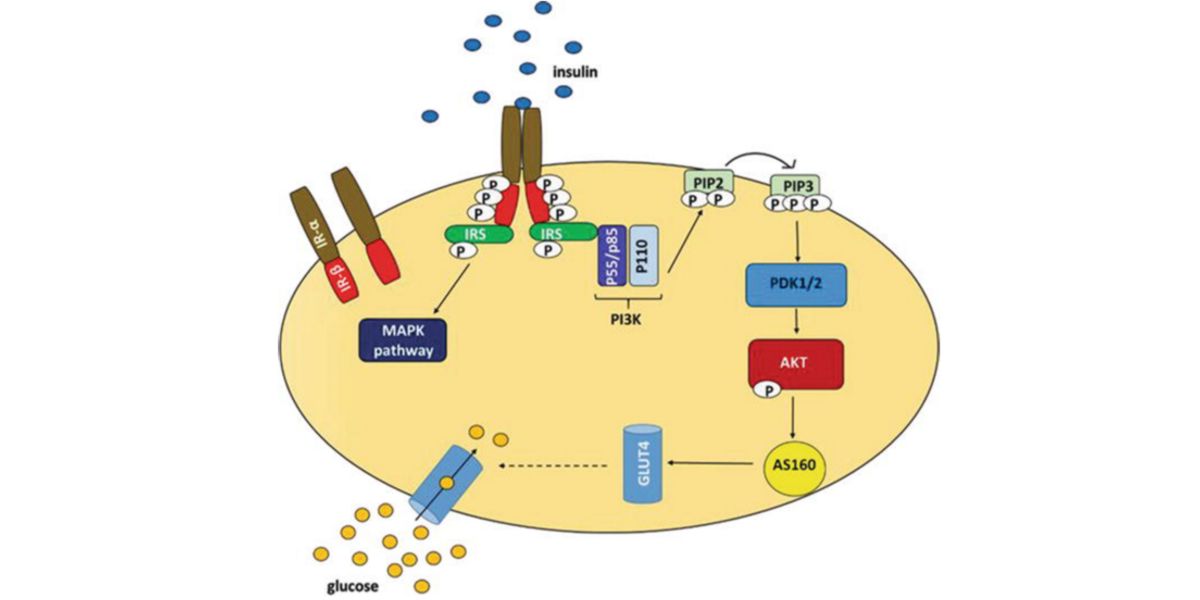
Figure VIII. Molecular translocation of glucose transporters (GLUT4) in the muscle tissue after the phosphorylation of IRS-1.
Due to the effect of the pyruvate dehydrogenase complex (PDHc), it becomes Acetyl-CoA. Then, it enters the tricarboxylic acid cycle and becomes 3 NADH+, 2 FADH2 and 2 GTP. Together with the NAHD+ and ATPs produced during the glycolysis and pyruvate dehydrogenation, they provide 36 ATP molecules.
But we would need a new article in order to explain this process in depth…
Why should you consume dextrose?
Some of you have probably already given up, but those who have reached this point in the article are probably thinking: “please, how can I put all this into practice?”.
Well, dextrose is superior to other carbohydrates precisely due to its simplicity.
The fact that it is a glucose monomer means that it does not have to be broken down (hydrolysis) when it reaches the intestine. Therefore, it can get there quite fast, without producing gastrointestinal discomfort. Actually, this is a very common symptom of taking carbohydrates around the workout, since it requires a distribution of the blood flow to the muscle-skeletal tissue.

Figure IX. Blood redistribution while resting (blue) and during intense exercise (pink). Adapted from Dahl et al. (2003).
The dextrose transport is immediate through the SGLT1. Then, it reaches the blood and goes to the muscle cells so that it will:
- Produce energy.
- Store glycogen through the auto-glycosylation of glycogenin (protein core of glycogen) and the activity of the glycogen synthase by adding branches.
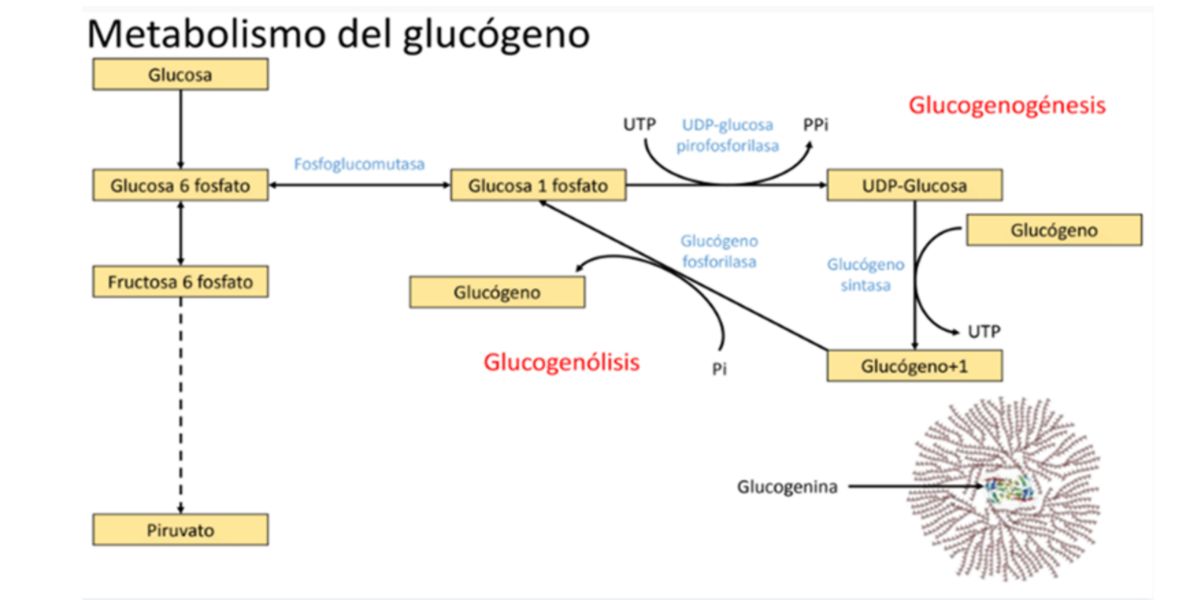
Figure X. Glycogen metabolism. Glycolysis (diagram downwards), glycogenesis (towards the right) and glycogenolysis (diagonal towards the top)
How to take Dextrose?
Here you have a “model” protocol of how to use dextrose during the intra-workout.
Even though it is hard to establish a standard dextrose intake, a “basic” intra-workout procotol would be:
Bibliography
- Boron, W., Boulpaep, E. (Eds.) (2009) Medical physiology: a cellular and molecular approach Philadelphia, PA: Saunders/Elsevier.
- Dahl, H. A, Rodahl, K., Stromme, S. B, & Åstrand, P. (2003). Textbook of work physiology: physiological bases of exercise. 4th ed. Champaign (Ill.): Human kinetics.
- Guyenet, S. (2015). Carbohydrate, Sugar, and Obesity in America.
- Jeukendrup, A. (2014). A step towards personalized sports nutrition: carbohydrate intake during exercise. Sports Medicine (Auckland, N.Z.), 44 Suppl 1(Suppl 1), S25-33.
- Jeukendrup, A. (2004). Carbohydrate intake during exercise and performance. Nutrition (Burbank, Los Angeles County, Calif.), 20(7–8), 669—677.
- Smith, K., Karimian Azari, E., LaMoia, T. E., Hussain, T., Vargova, V., Karolyi, K., … Kyriazis, G. A. (2018). T1R2 receptor-mediated glucose sensing in the upper intestine potentiates glucose absorption through activation of local regulatory pathways. Molecular Metabolism, 17, 98–111.
- Snel, M., Jonker, J. T., Schoones, J., Lamb, H., de Roos, A., Pijl, H., … Jazet, I. M. (2012). Ectopic fat and insulin resistance: pathophysiology and effect of diet and lifestyle interventions. International Journal of Endocrinology, 2012, 983814.
Related Entries
- Buy Dextrose.
- Do you what is the Sodium-Potassium pump? Read more....
- How to take carbohydrates before, during and after the workout.
- As we have seen, carbohydrates are essential for athletes. If you want to learn more about Post-Workout Carbohydrates, click here.