Fitness, Nutrition, Health and Sports Blog In the HSNstore Blog you will find tips about Fitness, sport in general, nutrition, and health – HSNstore.com

In this article, we tell you everything you need to know about the essential amino acid L-Phenylalanine.
What L-phenylalanine is
L-phenylalanine is an amino acid, that is, a building block of proteins.
At a functional level, it is an essential nutrient, as our body does not have the ability to synthesise it endogenously. This is why we need to consume it through the diet or another external route of administration in order to avoid cachexia.

Figure I. Graphic representation of a cachectic process.
Phenylalanine deficiency
Suffering cachexia due exclusively to an insufficiency of the amino acid is practically impossible and has never been reported in the scientific literature except in cases of patients receiving parenteral nutrition.
Cachexia, and protein malnutrition in general, occurs due to poor intake of the nutrient overall, rather than of a single amino acid itself.
However, phenylalanine is not only essential for protein synthesis, as in the body it performs an important endocrine function in the synthesis of catecholamines; and the characteristics of its chemical structure give it a very interesting peculiarity compared with others.
Where can I find phenylalanine?
It is present in practically any source of protein:
- Meat (beef, poultry, pork).
- Fish.
- Milk and dairy products.
- Eggs.
- Soya products (powder, flours and tofu).
- Certain nuts contain it in small concentrations.
Aspartame and phenylalanine
One interesting point is that one source is aspartame.
Obviously, this is significant in developed and industrialised societies (especially the United States, where aspartame consumption is very high). 
Figure II. Breakdown of the chemical structure of aspartame, a methyl ester dipeptide.
Even so, the average adult ingests approximately 5g of L-phenylalanine per day, while the recommended dietary intake based on an isoenergetic diet for an average male is 8g per day (HDMB, n.d.).
Therefore, despite its wide presence in commonly consumed foods, it seems that our intake is not sufficient according to the established proportions.

Figure III. Intake recommendations (g/kg/day) according to age.
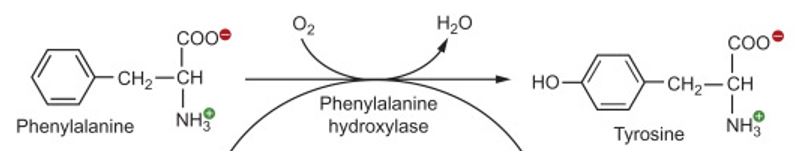
Figure IV. Graphic representation of the conversion process (hydroxylation) from L-phenylalanine to L-tyrosine.
What L-phenylalanine is for
Muscle protein synthesis
Any of the proteinogenic amino acids encoded by our genome can, and will, be used to develop the body’s tissues, including muscle tissue.

Figure V. Graphic representation of 20 of the currently proposed 22 proteinogenic amino acids.
Of these, essential amino acids are especially sensitive in the process.
There is no getting around it: either they are supplied externally, or if we maintain a deficient intake of any of them in the long term, we will undergo a catabolic process to obtain them from our integral proteins.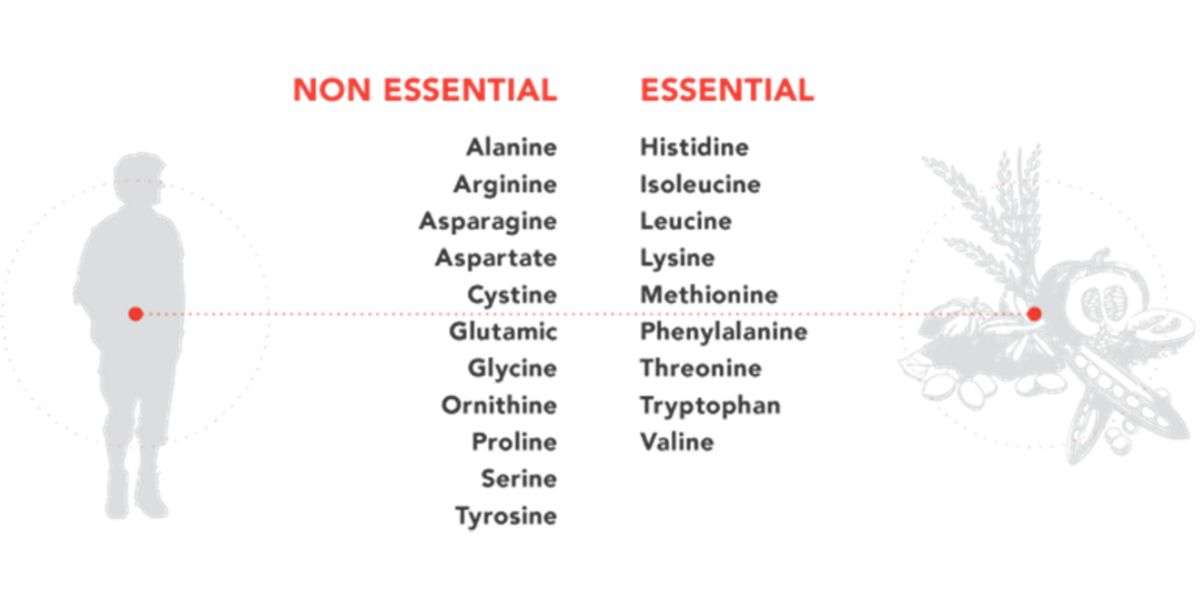
Figure VI. Graphic representation of the functional categorisation into essential/non-essential.
This is why ensuring the intake of all essential amino acids is a top priority and, bearing in mind that I have left you a table above with their recommended amounts, it would not be a bad idea to review your diet to see whether you are well covered.
Catecholamine synthesis
L-phenylalanine is the amino acid that initiates the process of catecholamine synthesis.
Strictly speaking, L-tyrosine initiates it, but since phenylalanine is converted into tyrosine, it can be said that this is really the “first functional step”. This process occurs in the liver through the action of a hydroxylase enzyme.

Figure VII. Catecholamine synthesis process.
From there, tyrosine travels to the dopaminergic and noradrenergic neurons of the central nervous system, to the sympathetic nerves, and to the pheochromocytes of the adrenal medulla and the paraganglia in the periphery to synthesise L-dopa, which in turn continues to generate dopamine and then epinephrine and norepinephrine.
The whole process has important neurometabolic implications, specific to each hormone that has been synthesised; that is, dopamine has a role in the limbic system and other cortical and extracortical structures in the regulation of emotions. 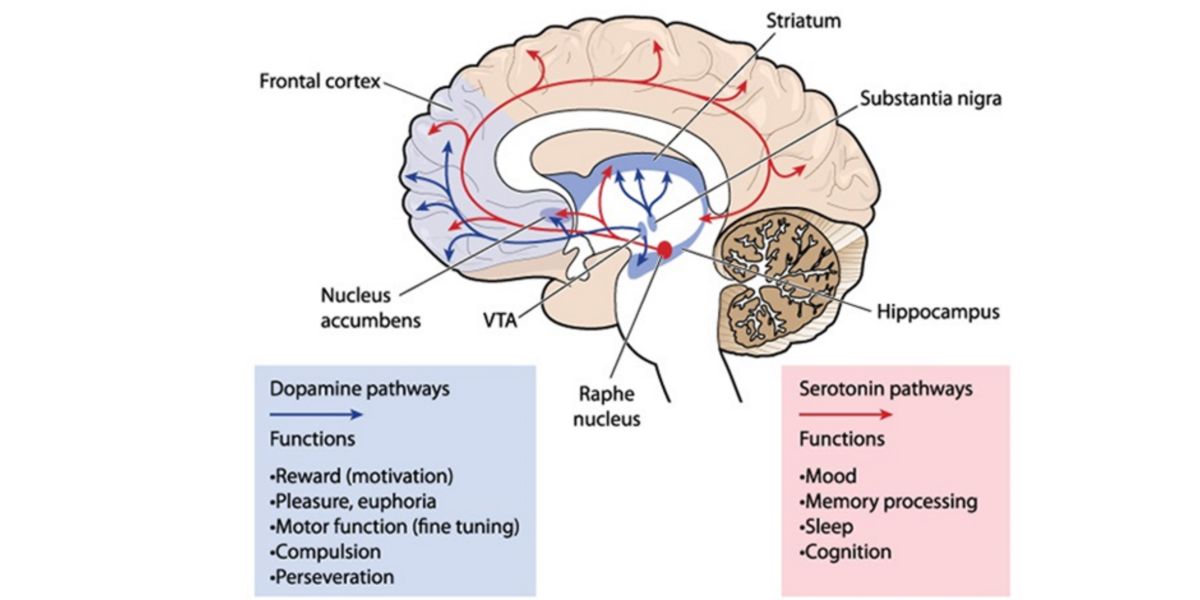
Figure VIII. Simplified graphic representation of the production mechanism of dopamine and serotonin and their central effects.
Meanwhile, the functions of adrenaline and noradrenaline are more characterised by their stimulating profile on the sympathetic nervous system, mediated by adrenergic receptors that modulate smooth muscle contraction/relaxation, increase lipolysis, activate the RAAs system, etc. 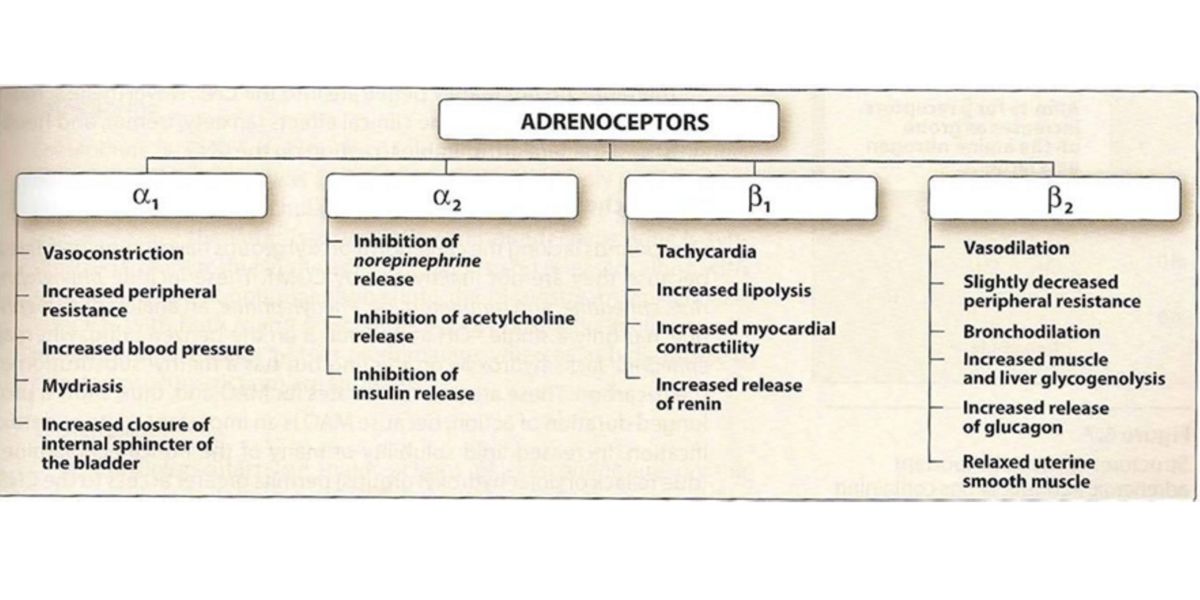
Figure IX. Main effects of agonism at alpha and beta adrenergic receptors in different tissues.
This is the reason why L-phenylalanine plays a role in processes such as lipolysis (the first step in “fat burning”); as the hormones responsible for this effect are synthesised from it.
The evidence is somewhat conflicting, especially because it must be taken into account that the rate-limiting enzyme in catecholamine synthesis is tyrosine hydroxylase, and that consuming a precursor will not affect its activity.
Even so, interventions such as those by Ueda et al. (2017) show an acute increase in plasma glycerol concentrations, a marker of hydrolysis of intracellular triglycerides in the lipid droplet of adipocytes, and therefore of lipolysis.

Satiety regulation
Perhaps the most curious and notable property of this amino acid:
Phenylalanine is a highly satiating nutrient.
This is due to the influence it has on the secretion of cholecystokinin (CCK), a peptide hormone produced in the duodenum that regulates certain digestive processes, including the regulation of gastric emptying speed.
Thanks to this effect, cholecystokinin has been proposed as a powerful appetite suppressant (Johnson, 2013); the true hormone that antagonises the action of ghrelin, even more than leptin, in terms of its mechanisms.
Cholecystokinin is secreted in response to mechanical changes in gastric volume; that is, it is what gives us the feeling of fullness when we “fill up”, even if it is with lettuce, and it shares a mechanism with PYY.
In addition, cholecystokinin secretion is extremely sensitive to the concentrations of fatty acids and amino acids present in the chyme as it passes through the intestine.

Aromatic amino acids (such as phenylalanine, tyrosine or tryptophan) are the most effective at increasing CCK secretion (Liddle, 1994), and among all of them, phenylalanine appears to be the most potent, although we do not precisely know its mechanisms.
It has been shown to modulate intracellular calcium concentrations in enterocytes in animal models and, more importantly, in humans it has been shown to exert an anorexigenic effect.

Figure X. Effects on calorie intake after the consumption of L-phenylalanine (L-PA), D-phenylalanine (D-PA) and placebo in an ad libitum intervention.
The group that consumed L-phenylalanine before the meal became satiated much earlier than the group that consumed D-phenylalanine or placebo and, therefore, their energy intake was much lower.
This effect was achieved thanks to changes in CCK secretion in the L-phenylalanine group; however, and contrary to logic, the group that used D-phenylalanine did not experience the same changes.
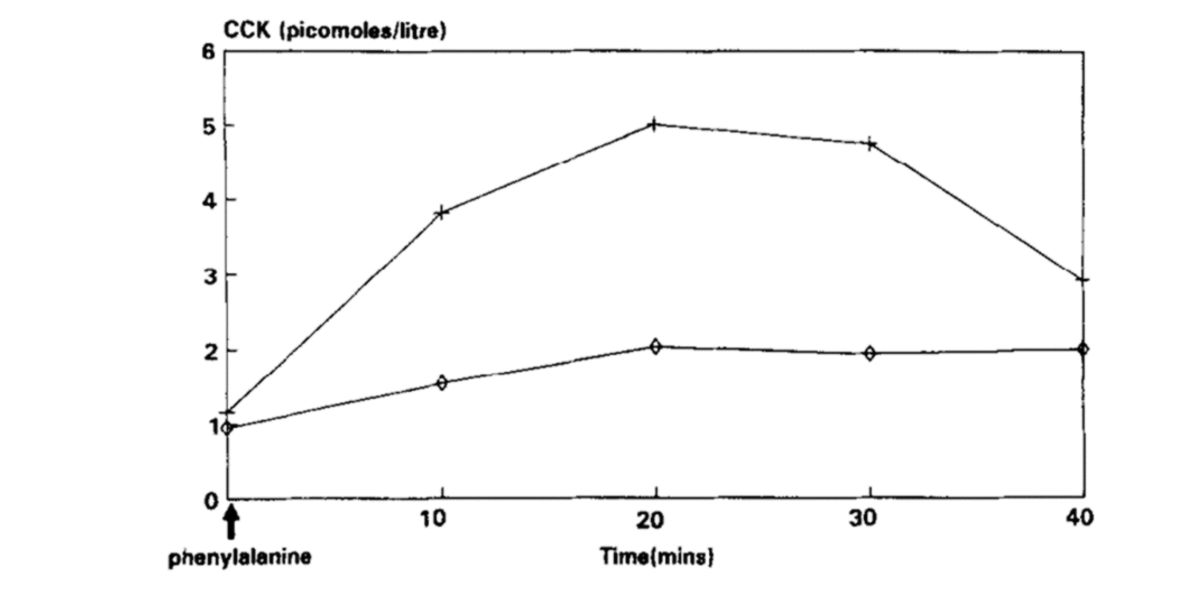
Figure XI. CCK secretion curve after the administration of L-phenylalanine (crosses) and D-phenylalanine (diamonds).
As we have known for years, the chirality and stereoisomeric configuration of amino acids influence their mechanism of action, pharmacokinetics and pharmacodynamics.
HSN L-Phenylalanine
At HSN, we have carried out a screening of the scientific literature on the use of L-phenylalanine and consider that it is a nutrient that is sufficiently characterised and has strong evidence in humans.
Following our traditional philosophy of the RawSeries range, this is a maximum-purity product, with no additives that alter the content of the food supplement.
100% Vegan
In the ingredient list of our phenylalanine you will find: L-phenylalanine (produced through a plant fermentation process). And nothing else!
The description “produced through a plant fermentation process” stems from our belief that nutritional supplements should be accessible to everyone, regardless of their condition or stance on the consumption of any type of food.
That is why you will find this in our products:

Figure XII. “Highlights” at HSN, absence of allergens and suitability for vegetarian and vegan diets.
This indicates:
Absence of allergens
That we always work to select the highest-quality raw materials and formulate products that are as free as possible from these compounds.
Product suitable for vegetarians and vegans
For months now, we have rejected amino acids derived from animal sources, and we now only use raw materials without the use of them, mostly from plant sources such as maize.
Maximum purity of plant origin! What more do we need?
Bibliographical Sources
- EFSA Panel on Dietetic Products, N. and A. (NDA). (2010). Scientific Opinion on the substantiation of health claims related to L phenylalanine and increased alertness (ID 708, 1629), enhancement of mood (ID 657), pain relief (ID 657) and improvement of memory (ID 658) pursuant to Article 13(1) of Regulation (EC) No 1924/2006. EFSA Journal, 8(10), 1748.
- Konturek, S. J., Radecki, T., Thor, P., & Dembinski, A. (1973). Release of Cholecystokinin by Amino Acids. Proceedings of the Society for Experimental Biology and Medicine, 143(2), 305–309.
- Matthews, D. E. (2007). An Overview of Phenylalanine and Tyrosine Kinetics in Humans. The Journal of Nutrition, 137(6), 1549S-1555S.
- National Center for Biotechnology Information. PubChem Database. Phenylalanine, CID=6140.
- National Center for Biotechnology Information. PubChem Database. Cholecystokinin, CID=16129670.
- Pacak, K., Timmers, H. J. L. M., & Eisenhofer, G. (2015). Pheochromocytoma. In J. L. Jameson, L. De Groot, D. M. de Kretser, L. C. Giudice, A. B. Grossman, S. Melmed, … G. C. B. T.-E. A. and P. (Seventh E. Weir (Eds.), Endocrinology: Adult and Pediatric (Vol. 2–2, pp. 1902-1930.e6).
- Pohle-Krauza, R. J., Navia, J. L., Madore, E. Y. M., Nyrop, J. E., & Pelkman, C. L. (2008). Effects of l-phenylalanine on energy intake in overweight and obese women: Interactions with dietary restraint status. Appetite, 51(1), 111–119.
- Wang, Y., Chandra, R., Samsa, L. A., Gooch, B., Fee, B. E., Michael Cook, J., … Liddle, R. A. (2011). Amino acids stimulate cholecystokinin release through the Ca2+-sensing receptor. American Journal of Physiology – Gastrointestinal and Liver Physiology, 300(4), G528-37.
Related Posts
- Why take Essential Amino Acids? Visit this link.
- Is it better to take Proteins or Amino Acids? Find out here.